
The question “Is Puerto Rico a part of the USA?” is one that frequently arises, not just in casual conversation but especially among travelers planning their next getaway. The answer, while seemingly straightforward, carries nuances that impact everything from legal status to cultural identity, and significantly, the ease and experience of travel for visitors from the United States mainland and beyond. For anyone contemplating a journey to this vibrant Caribbean gem, understanding its unique relationship with the United States is key to fully appreciating its allure and navigating the travel landscape.
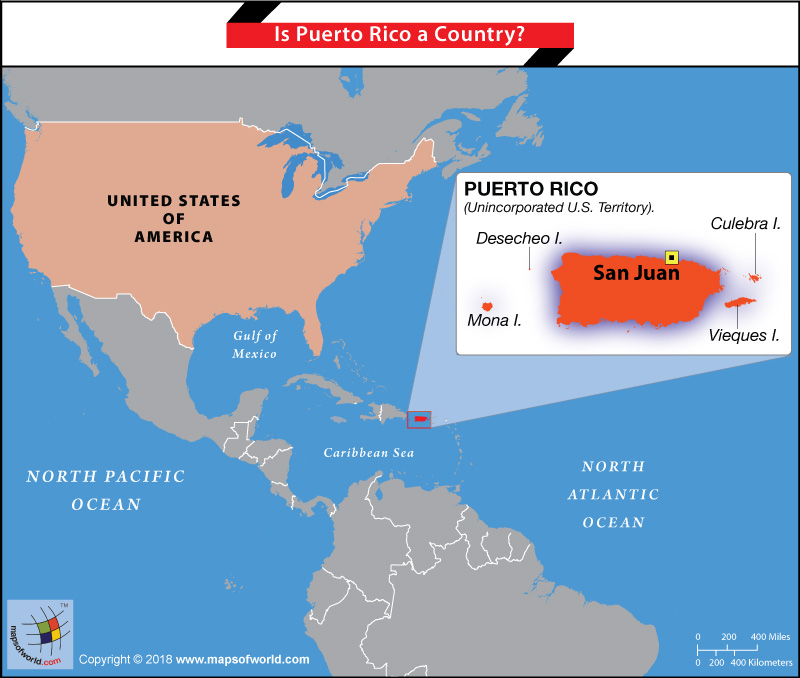
At its core, Puerto Rico is indeed a U.S. territory. This distinct status means it is neither an independent country nor a fully incorporated state within the United States. Instead, it exists under the sovereignty of the United States, granting its residents U.S. citizenship but with certain limitations on federal representation and rights. For travelers, this status offers a seamless blend of domestic convenience and international flavor, making it an exceptionally appealing destination for those seeking an exotic escape without the complexities often associated with overseas travel.

Unpacking Puerto Rico’s Unique Political Status
To truly grasp Puerto Rico’s identity, it’s essential to delve into the specifics of its relationship with the United States. This isn’t just a historical footnote; it actively shapes the daily lives of its inhabitants and the experience of every tourist who steps onto its shores.
A U.S. Territory, Not a State
Puerto Rico’s journey under U.S. dominion began in 1898 following the Spanish-American War, when Spain ceded the island to the United States. Over the decades, its status evolved, with significant legislation like the Jones-Shafroth Act of 1917 granting U.S. statutory citizenship to Puerto Ricans. This means that anyone born in Puerto Rico is a U.S. citizen, carrying a U.S. passport and enjoying many of the same rights as mainland citizens.
However, the territorial status comes with specific distinctions. While Puerto Rico adheres to U.S. federal laws, its residents do not pay federal income tax on income earned within the territory, nor do they have voting representation in the U.S. Congress or the ability to vote in presidential elections (though they can vote in presidential primaries). The island elects its own governor and a local legislature, maintaining a significant degree of self-governance. The official languages are Spanish and English, reflecting a rich cultural blend that is uniquely Puerto Rican while remaining connected to the broader U.S. framework. The currency is the U.S. dollar, and the postal service, federal courts, and other federal agencies operate much as they do on the mainland.
Implications for Travelers from the Mainland U.S.
For travelers residing in the continental United States, Puerto Rico’s territorial status presents an unparalleled advantage: travel to the island is considered domestic. This means:
- No Passport Required: U.S. citizens do not need a passport to enter Puerto Rico. A valid government-issued ID, such as a driver’s license, is sufficient for air travel, just as it would be for a domestic flight within the 50 states. This eliminates a significant hurdle for many potential travelers and simplifies the planning process.
- Common Currency: The use of the U.S. dollar means there’s no need for currency exchange, making financial transactions straightforward and predictable. You won’t incur foreign transaction fees on your credit cards, and ATMs dispense familiar currency.
- Seamless Communication: While Spanish is the predominant language, English is widely spoken, especially in tourist areas and among younger generations. This eases communication for visitors who may not be fluent in Spanish.
- Familiar Infrastructure: From banking systems to mobile phone networks, much of the infrastructure will feel familiar to U.S. travelers, reducing potential logistical headaches and allowing for a more relaxed trip.
These factors combine to make Puerto Rico an incredibly accessible destination, offering the allure of an international vacation with the convenience of domestic travel.
Discovering the Charms of Puerto Rico: A Traveler’s Paradise
Beyond its political status, Puerto Rico stands as a world-class travel destination in its own right, boasting a diverse array of attractions that cater to every type of explorer. From historical marvels to breathtaking natural wonders, the island promises an unforgettable adventure.
Iconic Landmarks and Rich History
Puerto Rico’s history is palpable, particularly in its capital city, San Juan. The crown jewel is Old San Juan, a UNESCO World Heritage site renowned for its colorful Spanish colonial architecture, cobblestone streets, and formidable fortifications. Walking through Old San Juan is like stepping back in time, with every corner revealing a story.
- El Morro (Castillo San Felipe del Morro): This magnificent 16th-century fortress, perched at the northwestern tip of Old San Juan, is an enduring symbol of Puerto Rico’s strategic importance. Its sprawling grounds and dramatic ocean views offer a fascinating glimpse into military history and are a perfect spot for exploring or simply flying a kite.
- Castillo San Cristobal: Even larger than El Morro, this fortress protected San Juan from land attacks. Its intricate tunnel systems and panoramic vistas provide another captivating historical experience.
- Ponce: Known as the “Pearl of the South,” Ponce offers a different architectural style, with its unique neoclassical buildings and a charming town square. The Ponce Museum of Art, designed by Edward Durell Stone, houses an impressive collection of European and Puerto Rican art.
Natural Wonders and Outdoor Adventures
Beyond its historical cities, Puerto Rico is a paradise for nature lovers and adventure seekers, offering a remarkable diversity of ecosystems within its relatively small size.
- El Yunque National Forest: The only tropical rainforest in the U.S. National Forest System, El Yunque National Forest is a lush wonderland of waterfalls, diverse flora and fauna, and invigorating hiking trails. Visitors can swim in natural pools, marvel at the coqui frogs, and immerse themselves in the vibrant sounds of the rainforest.
- Bioluminescent Bays: Puerto Rico is home to three of the world’s few bioluminescent bays, where microscopic organisms called dinoflagellates light up the water at night. Mosquito Bay on Vieques is widely considered the brightest, offering a truly magical kayaking experience. Other notable bioluminescent bays include those near Fajardo and La Parguera in Lajas.
- Stunning Beaches: With hundreds of miles of coastline, Puerto Rico boasts an incredible array of beaches, from secluded coves to lively stretches of sand. Flamenco Beach on the island of Culebra consistently ranks among the world’s best, famous for its crescent shape, turquoise waters, and pristine white sands. Other popular spots include the beaches of Luquillo for calm swimming and those near Rincón for surfing.
Experiencing Puerto Rican Culture and Lifestyle
A trip to Puerto Rico is as much about experiencing its vibrant culture and warm hospitality as it is about exploring its landmarks. The island’s lifestyle is a captivating blend of Spanish, African, and Taino influences, infused with a distinctly modern Caribbean flair.
Culinary Delights
Puerto Rican cuisine is a revelation, a savory fusion of flavors that reflects its rich history. Food is central to the island’s identity, offering a delicious journey for the palate.
- Mofongo: This iconic dish, made from fried green plantains mashed with garlic, olive oil, and pork cracklings (chicharrón), often serves as a base for various fillings like shrimp, chicken, or beef.
- Lechón Asado: Slow-roasted suckling pig, especially popular in the central mountainous region (the Ruta del Lechón), is a must-try for meat lovers.
- Pasteles: Similar to tamales, these are made from a masa of grated green bananas, plantains, and other root vegetables, filled with stewed meat, and wrapped in banana leaves.
- Piña Colada: While often associated with tropical cocktails everywhere, the Piña Colada was invented in Puerto Rico, with several establishments in San Juan claiming its origin. Enjoying one where it was born is a quintessential experience.
From high-end restaurants in San Juan to bustling chinchorros (roadside food stalls) offering authentic local fare, Puerto Rico’s culinary scene is an adventure in itself.
Vibrant Local Culture and Festivals
Puerto Rico pulses with a contagious rhythm, influenced by its diverse heritage. Music and dance are woven into the fabric of daily life, with genres like salsa, bomba, and plena filling the air. Visitors can often find live music in squares, bars, and restaurants, particularly in Old San Juan.
The island also hosts numerous festivals throughout the year, celebrating everything from patron saints to traditional crafts and agricultural products. The San Sebastián Street Festival (Fiestas de la Calle San Sebastián) in January transforms Old San Juan into a massive block party, with parades, live music, street vendors, and dancing, drawing hundreds of thousands of revelers. These festivals offer an unparalleled opportunity to immerse oneself in authentic Puerto Rican joy and community spirit.
Accommodation Options for Every Traveler
Whether you’re seeking lavish luxury or a cozy, budget-friendly stay, Puerto Rico offers a wide spectrum of accommodation options.
- Luxury Resorts: The island is home to several world-class resorts, offering opulent amenities, private beaches, and exceptional service. Examples include Dorado Beach, a Ritz-Carlton Reserve, known for its exclusivity and pristine environment, and other high-end properties from brands like Hilton and Marriott along the coast. These are perfect for those seeking a pampered, all-inclusive, or high-end leisure experience.
- Boutique Hotels: In areas like Old San Juan, charming boutique hotels housed in historic buildings offer a more intimate and culturally immersive experience, often with unique decor and personalized service.
- Vacation Rentals: For families, groups, or those planning longer stays, renting an apartment, villa, or house through platforms like Airbnb or VRBO is a popular choice, providing more space, privacy, and the ability to cook your own meals.
- Budget-Friendly Stays: Hostels, guesthouses, and smaller hotels cater to budget-conscious travelers, particularly in surf towns like Rincón or cities like Mayagüez and Aguadilla, making Puerto Rico accessible to a wide range of budgets.
Practical Travel Tips for Your Puerto Rico Adventure
Planning your trip to Puerto Rico is exciting, and a few practical tips can enhance your experience.
Getting There and Around
- Flights: San Juan’s Luis Muñoz Marín International Airport (SJU) is the main gateway, with direct flights from many major U.S. cities. Smaller airports in Ponce (PSE) and Aguadilla (BQN) also serve select routes.
- Rental Cars: To fully explore the island’s diverse landscapes and hidden gems, renting a car is highly recommended. Major rental car agencies operate at the airports. Be prepared for potentially narrow roads and unique driving styles outside of major cities.
- Public Transportation: While available in San Juan (buses and a metro line), it’s not as comprehensive for exploring the entire island. Taxis and ride-sharing services like Uber are readily available in urban areas.
Best Time to Visit and What to Pack
The dry season, from December to May, is generally considered the best time to visit, offering pleasant temperatures and lower humidity. The hurricane season runs from June to November, with September being the peak month. While travel during this period can be more affordable, it comes with a higher risk of tropical storms.
Pack light, breathable clothing, swimsuits, comfortable walking shoes for exploring cities, and sturdy shoes for hiking in El Yunque National Forest. Don’t forget sunscreen, insect repellent (especially for evening excursions to bioluminescent bays), and a reusable water bottle. While most places accept credit cards, it’s always good to carry some cash for smaller vendors or rural areas.

Supporting Local Tourism
When traveling to Puerto Rico, consider supporting local businesses, from small restaurants and artisan shops to locally owned guesthouses. This not only enriches your experience by connecting you more deeply with the culture but also contributes directly to the island’s economy, which has faced significant challenges in recent years. Engage with locals, learn a few Spanish phrases, and embrace the genuine warmth of Puerto Rican hospitality.
In conclusion, Puerto Rico unequivocally is a U.S. territory, offering a unique blend of domestic travel convenience and vibrant Caribbean charm. It’s a destination where you can delve into centuries of history, trek through a lush rainforest, unwind on world-class beaches, and savor an explosion of culinary delights, all without the need for a passport for U.S. citizens. Whether you’re seeking adventure, relaxation, cultural immersion, or simply a taste of the exotic, Puerto Rico provides an accessible and enriching travel experience that feels both familiar and wonderfully foreign. Start planning your unforgettable journey to this enchanting island today.
LifeOutOfTheBox is a participant in the Amazon Services LLC Associates Program, an affiliate advertising program designed to provide a means for sites to earn advertising fees by advertising and linking to Amazon.com. Amazon, the Amazon logo, AmazonSupply, and the AmazonSupply logo are trademarks of Amazon.com, Inc. or its affiliates. As an Amazon Associate we earn affiliate commissions from qualifying purchases.