
The majestic expanse of San Francisco Bay, a jewel of California and a global icon, is renowned for its breathtaking views, vibrant urban centers, and as a gateway to the Pacific Ocean. Millions visit San Francisco annually to marvel at landmarks like the Golden Gate Bridge and Alcatraz Island, engage in various water sports, or simply soak in the unique atmosphere. However, for many venturing onto or into its waters, a primal question often surfaces: “Are there sharks in San Francisco Bay?” The simple answer is yes, the bay is home to a fascinating array of shark species, contributing to a rich and diverse marine ecosystem. Far from being a source of fear for most visitors and locals, understanding these incredible creatures enhances our appreciation for this dynamic natural habitat and the broader travel experiences it offers.
Unveiling the Bay’s Aquatic Inhabitants
The waters of San Francisco Bay are not just a scenic backdrop for urban life; they constitute a complex and thriving marine environment. This estuary, where freshwater from the Sacramento-San Joaquin River Delta mixes with saltwater from the Pacific Ocean, supports a remarkable diversity of aquatic life, including several species of sharks. These marine residents play crucial roles in maintaining the health and balance of the bay’s ecosystem, often going unnoticed beneath the busy surface. For travelers interested in nature and wildlife, the presence of sharks adds an intriguing dimension to the bay’s natural attractions, highlighting its ecological significance beyond its urban allure.
The Diverse Shark Species of San Francisco Bay
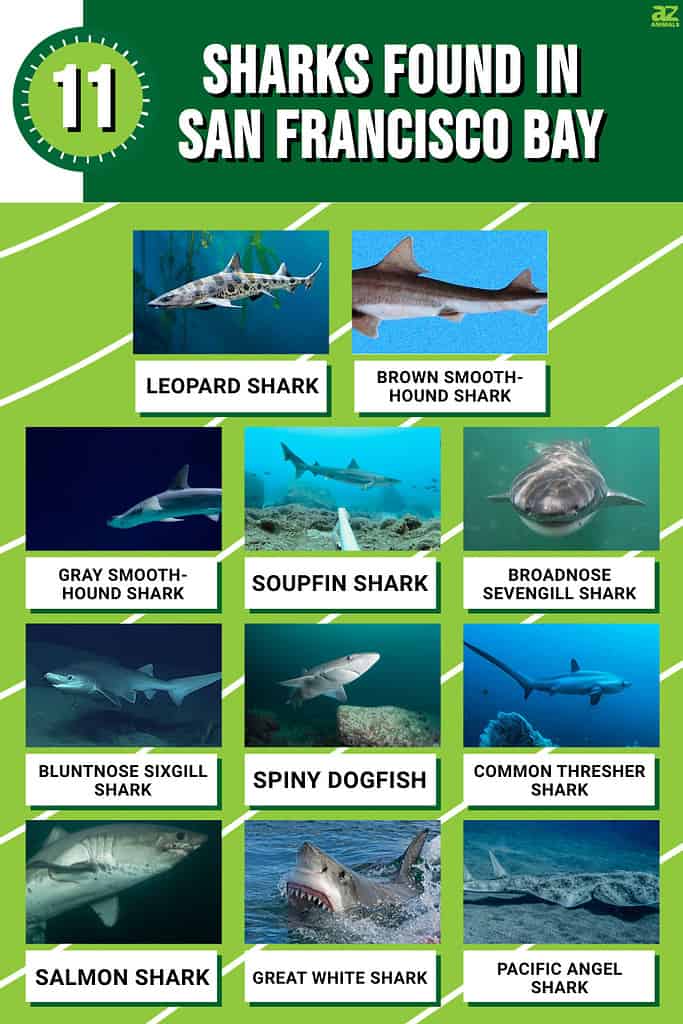
While the thought of sharks might immediately conjure images of apex predators, the majority of sharks inhabiting San Francisco Bay are relatively small and pose little to no threat to humans. The most commonly encountered species include the Leopard Shark, easily identifiable by its striking saddle-like markings and often seen by kayakers and paddleboarders in shallower areas. These elegant creatures are bottom feeders, primarily subsisting on crabs, clams, and small fish. Another frequent resident is the Sevengill Shark, a prehistoric-looking shark that can grow quite large but is generally docile unless provoked. The bay also hosts Soupfin Sharks and occasionally the camouflaged Pacific Angel Shark, which often buries itself in the sand. Additionally, Bat Rays, often mistaken for sharks due to their cartilaginous bodies and similar feeding habits, are abundant and a common sight in the bay’s diverse marine life. For those seeking unique wildlife viewing experiences, a visit to the bay offers a glimpse into this fascinating underwater world, underscoring the bay’s importance as a significant habitat.
The Enigma of the Great White Shark
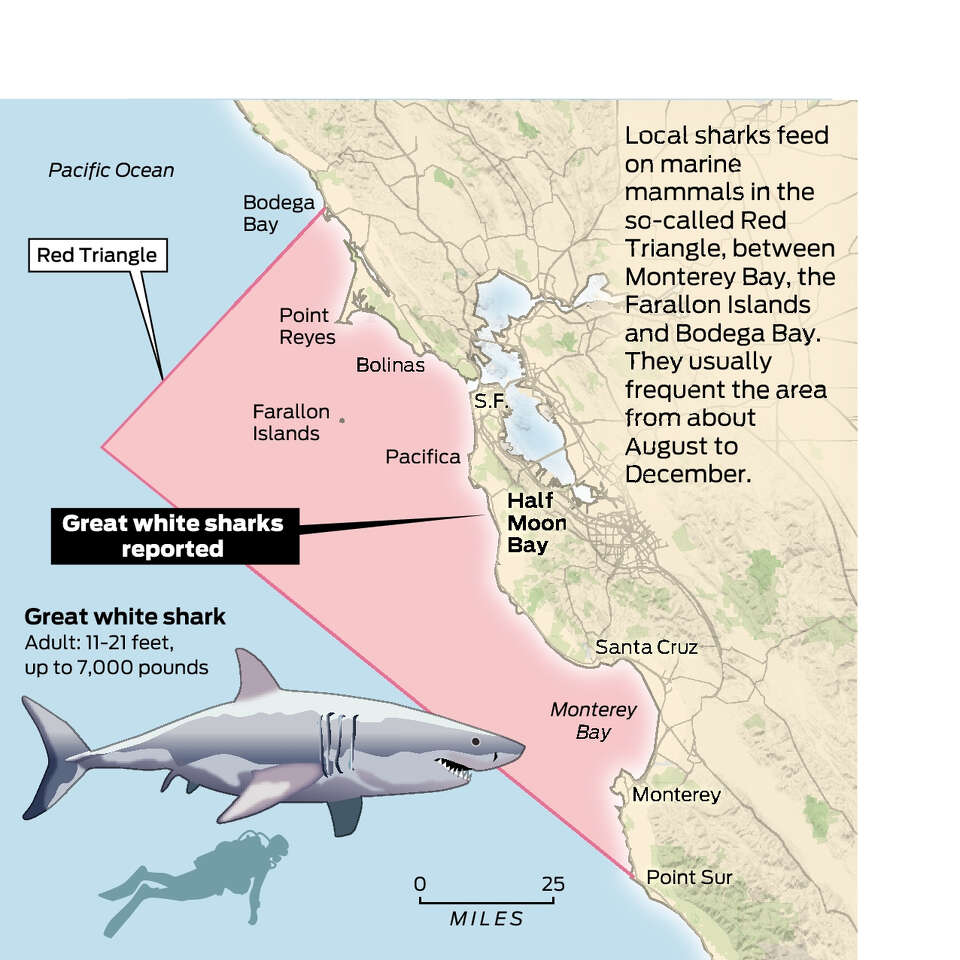
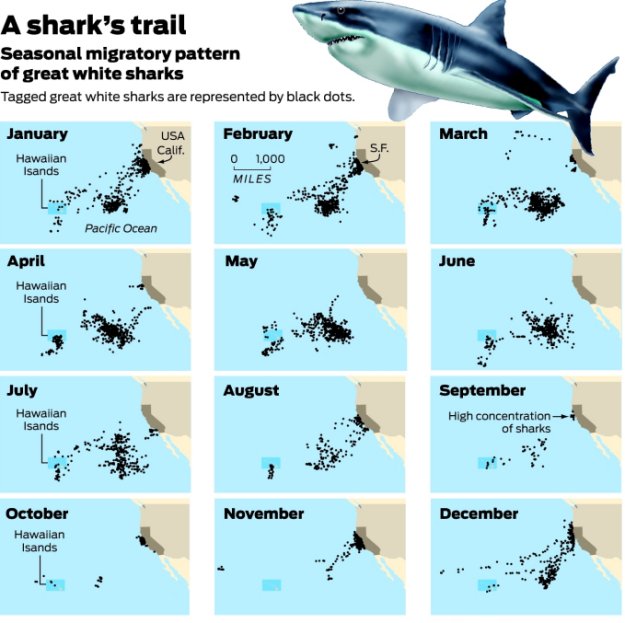
The question of sharks in San Francisco Bay often leads to concerns about the Great White Shark, undoubtedly the most famous and formidable predator of the ocean. While the Pacific Ocean off the coast of California is a known hotspot for Great White Sharks, particularly around the Farallon Islands, their presence inside the bay itself is remarkably rare. Adult Great White Sharks prefer the cooler, open waters where their primary prey, marine mammals like seals and sea lions, are abundant. Occasionally, juvenile Great White Sharks have been observed entering the bay, likely drawn by warmer waters and available food sources as they mature. However, these are isolated incidents, and the vast majority of Great White Shark activity occurs much further offshore, particularly within the protected waters of the Greater Farallones National Marine Sanctuary. This distinction is crucial for travelers, as it puts into perspective the actual risk levels within the bay’s recreational areas.
Why the Bay Attracts Sharks
The presence of various shark species in San Francisco Bay is no accident; it is a testament to the bay’s ecological vitality and its role as a critical habitat. The bay serves multiple purposes for these marine creatures, acting as a productive feeding ground rich in smaller fish, crustaceans, and other invertebrates. For many species, like the Leopard Shark and Sevengill Shark, the bay’s shallower, warmer, and more protected waters provide ideal nursery habitats where juveniles can grow safely away from larger oceanic predators. This makes the bay an essential breeding and rearing area, supporting the life cycles of numerous marine species along the North American coast. The unique blend of freshwater inflow and saltwater tides creates a dynamic environment that, despite human activity, remains a haven for a diverse ecosystem. Understanding these natural patterns helps visitors appreciate the delicate balance of the bay and the importance of responsible tourism.
Understanding Risk and Ensuring Safety
While the concept of sharing the waters with sharks might give some pause, the reality of encountering a shark in San Francisco Bay, particularly in a dangerous situation, is exceedingly rare. The bay is a hub for countless water activities, from sailing and kayaking to swimming and paddleboarding, all enjoyed safely by thousands every day. San Francisco Bay and its surrounding areas are popular destinations for adventure seekers and leisure travelers alike, drawn by its stunning natural beauty and vibrant urban culture. The extremely low incidence of shark-related issues within the bay itself means that visitors can generally engage in their planned activities with peace of mind, focusing on the incredible experiences rather than unfounded fears.
Assessing the Real Threat to Humans
It is vital to distinguish between the common perception of sharks and the actual risk they pose within San Francisco Bay. Despite the presence of several shark species, there have been no documented unprovoked fatal shark attacks on humans within the bay’s confines. Incidents involving sharks are rare and, when they do occur, are typically attributed to smaller species, often a result of mistaken identity during fishing or wading. The vast majority of sharks in the bay are not interested in humans as prey. Their diets consist primarily of smaller fish, crabs, and other marine organisms. Sensationalized media portrayals often overshadow the scientific understanding of shark behavior. For travelers planning water-based activities, this context is crucial, allowing them to make informed decisions and enjoy the bay’s offerings without undue anxiety, further cementing San Francisco’s reputation as a safe and enjoyable travel destination.
Prudent Practices for Water Activities
For those looking to enjoy the waters of San Francisco Bay responsibly, a few common-sense precautions can further enhance safety, though the overall risk remains minimal. It’s always advisable to avoid swimming or surfing at dawn or dusk, as these are peak feeding times for many marine animals, and visibility is lower. While unlikely within the bay, avoiding areas where seals or sea lions are congregating is a general rule for waters known to have Great White Shark populations, as these are their primary food source. If you’re fishing, handle your catch carefully to avoid attracting sharks and practice catch-and-release to minimize impact on the ecosystem. Additionally, swimming in designated areas and following local advisories are always recommended. By respecting the marine environment and staying informed, visitors can confidently partake in the wide array of water sports and activities that make the San Francisco Bay area a premier destination for travel and tourism.
Experiencing the Wonders of San Francisco Bay
Beyond the intriguing marine life, San Francisco Bay offers an unparalleled array of attractions and activities that cater to every type of traveler. From world-famous landmarks to vibrant cultural experiences and delicious local cuisine, the bay area truly encapsulates the essence of diverse travel. The region is not just about its natural wonders, but also its rich history, innovative spirit, and welcoming lifestyle. Whether you’re interested in historical sites, architectural marvels, culinary adventures, or simply relaxing by the water, the bay provides a stunning backdrop for unforgettable memories, making it a top-tier destination for international and domestic tourism.
Iconic Landmarks and Waterfront Attractions
The shores of San Francisco Bay are dotted with some of the most recognizable landmarks in the world. The Golden Gate Bridge stands as a monumental engineering feat, offering breathtaking views whether you’re driving across it, cycling its paths, or viewing it from Presidio National Park. A ferry ride to Alcatraz Island provides a chilling historical insight into the notorious federal prison. Fisherman’s Wharf and its bustling Pier 39 are famous for their resident sea lions, seafood restaurants, and lively atmosphere. Charming waterfront towns like Sausalito and Tiburon offer picturesque escapes with boutique shops and stunning bay views, easily accessible by ferry from San Francisco. Across the bay, cities like Oakland and Berkeley boast their own unique cultural scenes, culinary delights, and vibrant communities, adding to the rich tapestry of destinations around the bay. A visit to the historic Ferry Building Marketplace is also a must for food lovers.
Beyond Sharks: Diverse Bay Activities
The San Francisco Bay area thrives on offering a vast array of activities that cater to every interest. For those who love the water, scenic bay cruises provide unparalleled perspectives of the skyline and landmarks, some even offering whale watching tours further out towards the Pacific Ocean (seasonally). Kayaking and paddleboarding remain popular options, allowing for intimate exploration of the bay’s calmer coves, often encountering Leopard Sharks and other marine life in a non-threatening way. On land, the region boasts world-class hiking and cycling trails, notably around the Golden Gate Park and the Presidio National Park. Cultural enthusiasts can delve into the city’s myriad museums, such as the Exploratorium, the California Academy of Sciences, the de Young Museum, and the San Francisco Museum of Modern Art. Food tours, wine tasting experiences, and vibrant nightlife further enrich the lifestyle of both residents and visitors, cementing San Francisco as a prime travel destination.
Planning Your San Francisco Bay Adventure
Embarking on a journey to San Francisco Bay promises an unforgettable experience, whether you’re seeking adventure, relaxation, or cultural immersion. Thoughtful planning for your travel, accommodation, and daily activities will ensure a seamless and enjoyable trip. From choosing the perfect hotel to navigating local transportation and discovering hidden gems, every detail contributes to a memorable getaway. The region’s robust tourism infrastructure is designed to accommodate a diverse range of preferences and budgets, making it accessible for solo travelers, families, business visitors, and luxury seekers alike.
Finding Your Ideal Accommodation
San Francisco and the broader bay area offer an extensive selection of accommodation options to suit every taste and budget. For those seeking luxury travel, opulent hotels like the historic Palace Hotel or the contemporary The St. Regis San Francisco provide world-class amenities and unparalleled service, often with stunning views of the city or the bay. Boutique hotels around areas like Union Square offer unique charm and personalized experiences. Mid-range options, such as the Hotel Nikko San Francisco, provide comfort and convenience without breaking the bank. For budget-conscious travelers or those on family trips, there are numerous vacation rentals, serviced apartments, and more affordable hotels in Oakland, Berkeley, or San Jose, which are well-connected to San Francisco by public transport. Booking in advance, especially during peak tourist seasons, is highly recommended to secure the best rates and desired amenities.
Navigating the Bay Area: Travel and Tourism Tips
Exploring the San Francisco Bay area is made easy by its efficient public transportation system, including BART (Bay Area Rapid Transit), Muni (San Francisco’s bus and streetcar system), and scenic ferry services. These options not only provide practical travel but also offer fantastic sightseeing opportunities, connecting key destinations like Fisherman’s Wharf, Sausalito, and Alcatraz Island. For those who prefer to drive, rental cars are widely available, though parking in San Francisco can be challenging. Leveraging local guides can enrich your experience, offering insights into local culture, hidden gems, and the best places for food and activities. From exploring vibrant neighborhoods to savoring diverse cuisines, the bay offers an incredible array of experiences. Remember to pack layers, as the bay’s microclimates mean weather can change rapidly. Embracing these travel tips will ensure your visit to this dynamic region is as enjoyable and stress-free as possible.
Conclusion: Coexisting with Coastal Magnificence
In conclusion, the answer to “Are there sharks in San Francisco Bay?” is a resounding yes, but the reality is far from the sensationalized fears often portrayed. The bay is a vibrant, ecologically rich estuary, home to a diverse array of marine life, including several species of sharks that are largely harmless to humans. The rare presence of Great White Sharks within the bay itself remains an exceptional occurrence, with their primary hunting grounds located offshore. Visitors and locals alike safely enjoy the bay’s waters every day, engaging in myriad activities that highlight the region’s natural beauty and recreational opportunities. Understanding the true nature of these magnificent creatures allows us to appreciate the bay as a complex ecosystem and to responsibly enjoy all the incredible travel experiences that San Francisco and its surrounding areas have to offer. So, pack your bags, plan your adventure, and immerse yourself in the coastal magnificence of San Francisco Bay, knowing that its marine inhabitants are a fascinating part of its enduring charm.
LifeOutOfTheBox is a participant in the Amazon Services LLC Associates Program, an affiliate advertising program designed to provide a means for sites to earn advertising fees by advertising and linking to Amazon.com. Amazon, the Amazon logo, AmazonSupply, and the AmazonSupply logo are trademarks of Amazon.com, Inc. or its affiliates. As an Amazon Associate we earn affiliate commissions from qualifying purchases.