
San Francisco, often celebrated for its iconic landmarks, vibrant culture, and innovative spirit, is more than just a picturesque city by the bay. It is a bustling metropolis whose character is profoundly shaped by its population – a dynamic mix of residents, workers, and transient visitors from around the globe. Understanding the population of San Francisco isn’t merely about reciting a number; it’s about grasping the heartbeat of a city where diverse lifestyles, tourism trends, and accommodation challenges converge. From the bustling streets of Chinatown to the serene landscapes of Golden Gate Park, every facet of the city reflects the ebb and flow of its human inhabitants.
The population figure itself is a constantly evolving metric, influenced by everything from economic booms in nearby Silicon Valley to the enduring allure of California’s unique lifestyle. For travelers planning a visit, understanding the city’s demographic landscape can offer invaluable insights into what to expect in terms of crowd levels at major attractions, the availability and cost of hotels and accommodation, and the vibrant local culture that makes San Francisco an unforgettable destination. This article delves into the latest population figures, explores the implications of these numbers on various aspects of city life, and provides context for how these demographics impact everything from local cuisine to luxury travel experiences.
San Francisco’s Dynamic Demographics: A Snapshot
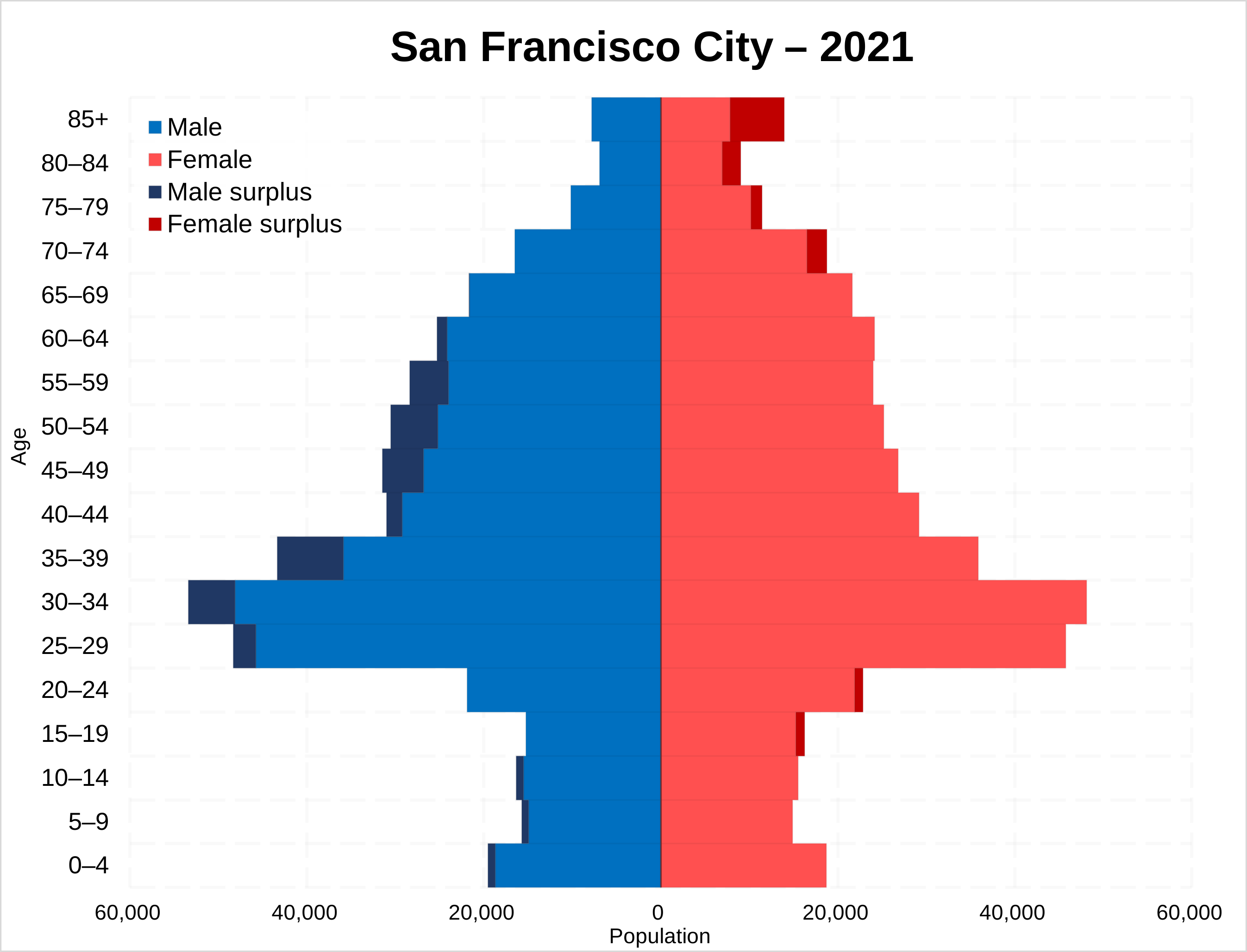
At its core, San Francisco’s identity is inextricably linked to its people. As of the most recent estimates, the population of San Francisco hovers around 808,000 residents. This figure positions it as the 17th most populous city in the United States and the fourth most populous in California. However, this seemingly straightforward number tells only part of the story. The city’s relatively small geographical footprint, encompassing just under 47 square miles, means that it is one of the most densely populated major cities in the nation. This high density is a defining characteristic, shaping everything from its vertical architecture to its efficient public transport systems like BART (Bay Area Rapid Transit) and Muni.
The population is incredibly diverse, a mosaic of cultures, professions, and socio-economic backgrounds. This diversity is not just a statistical fact but a living, breathing aspect of the city’s charm. Strolling through neighborhoods like the Mission District, one can hear a multitude of languages and experience a fusion of global traditions. This rich tapestry of human experience contributes significantly to the city’s allure as a top travel destination, promising visitors an authentic immersion into a truly global community.
Current Population and Growth Trends
The population of San Francisco has seen considerable fluctuation throughout its history, mirroring broader economic and social shifts. From the boom of the Gold Rush era to the tech explosion of the late 20th and early 21st centuries, the city has always been a magnet for those seeking opportunity and innovation. In recent years, the population has experienced periods of both growth and slight decline, often influenced by the cycles of the tech industry, housing affordability challenges, and broader migration patterns within the United States.
Post-pandemic, like many major urban centers, San Francisco observed a temporary outflow of residents, particularly those who embraced remote work and sought more affordable living options outside the city. However, recent data suggests a stabilization and even a modest rebound, indicative of the city’s enduring appeal. Factors driving this resilience include the continued presence of major tech companies, a robust job market in certain sectors, and the undeniable cultural and lifestyle advantages of urban living. The city continues to attract a vibrant mix of young professionals, artists, and entrepreneurs, ensuring its demographic landscape remains dynamic and forward-looking. This constant influx and outflow of people also directly impacts the tourism sector, as it influences the demand for various services, from local eateries to boutique hotels.
Density and Urban Living
The sheer density of San Francisco’s population has a profound impact on its urban fabric and the daily lives of its inhabitants and visitors. With over 17,000 people per square mile, the city’s landscape is characterized by tightly packed Victorian homes, towering skyscrapers, and compact, vibrant neighborhoods. This density fosters a highly walkable city, where many attractions, restaurants, and shops are easily accessible on foot or via public transportation, eliminating the need for a car for most visitors. This is a significant draw for travelers seeking an authentic urban experience, where every corner holds a new discovery.
For residents, density translates into a unique sense of community, but also poses challenges, particularly concerning housing. The demand for living spaces in such a desirable location means that accommodation options, whether for long-term residents or short-term visitors, can be highly competitive and expensive. This reality shapes the city’s accommodation market, leading to a diverse range of options from luxury hotels and boutique suites to budget-friendly hostels and vacation rental apartments. Understanding this dynamic is crucial for anyone planning to stay in San Francisco, as it directly influences booking strategies and budget allocation. The city’s density also means that its many public spaces, parks, and cultural institutions are vital communal hubs, offering respite and recreation in a bustling environment.
The Population’s Influence on San Francisco’s Tourist Landscape
The substantial and diverse population of San Francisco is not just an internal characteristic; it’s a fundamental pillar of its thriving tourism industry. The sheer volume of residents, coupled with millions of annual visitors, creates a vibrant ecosystem that supports a wide array of attractions, cultural experiences, and culinary delights. The city’s population shapes the demand for tourist infrastructure, influencing everything from the maintenance of historic landmarks to the development of new attractions designed to cater to a global audience. The energy generated by a dense, multicultural populace is palpable, contributing to the city’s unique ambiance that travelers seek.
The impact extends beyond mere numbers. The diverse backgrounds of the residents directly translate into an incredibly rich and varied tourism offering. From world-class museums showcasing global art to neighborhood festivals celebrating distinct cultural heritages, the city’s population provides the foundation for an endless array of authentic experiences. This dynamic interaction between locals and visitors is what truly brings San Francisco to life, making it much more than just a collection of famous sights.
Catering to Crowds: Attractions and Experiences
With its substantial population and status as a global travel hub, San Francisco’s most iconic attractions are consistently popular. Landmarks such as the Golden Gate Bridge, Alcatraz Island, and Fisherman’s Wharf draw millions of visitors annually, often leading to significant crowds, especially during peak travel seasons. This high demand necessitates efficient management of visitor flows, advance booking systems for popular tours like the one to Alcatraz, and well-developed infrastructure to accommodate large numbers of people. For instance, Pier 39 at Fisherman’s Wharf is a masterclass in managing tourist traffic, offering diverse entertainment, dining, and shopping options to absorb crowds.
Beyond the major draws, the city’s population supports a vast network of smaller, equally captivating experiences. These include exploring the winding curves of Lombard Street, riding the historic cable cars, or discovering the vibrant murals in the Mission District. The sheer number of residents means there’s a constant appetite for new and engaging activities, which in turn benefits tourists. Art galleries, live music venues, independent theaters, and specialized guided tours thrive in this environment, offering unique insights into local culture and history. Planning ahead, particularly during spring and summer, is crucial for travelers to ensure they can fully experience these popular attractions without undue stress.
Culinary Diversity and Local Culture
One of the most immediate and delicious impacts of San Francisco’s diverse population is its world-renowned food scene. The city is a culinary melting pot, reflecting the myriad of cultures that call it home. From authentic dim sum in Chinatown – the oldest Chinatown in North America – to vibrant taquerias in the Mission District, and upscale Californian cuisine in Nob Hill, there’s an endless array of dining experiences. This cultural richness is not just for residents; it’s a massive draw for food tourism, allowing visitors to embark on global gastronomic journeys without ever leaving the city.

Beyond food, the population contributes to a dynamic cultural landscape. San Francisco is famous for its progressive attitudes, arts scene, and historical movements like the counterculture era in Haight-Ashbury. These elements are preserved and continuously reinterpreted by its diverse residents, who host festivals, art exhibitions, and community events year-round. Tourists can delve into the city’s history at sites like the Palace of Fine Arts or explore contemporary art at numerous galleries. The local culture, fueled by its vibrant population, offers an authentic experience that goes far beyond typical tourist traps, inviting visitors to engage with the true spirit of the city. Whether it’s enjoying a performance, exploring a local market, or participating in a community event, the opportunities for cultural immersion are abundant.
Navigating Accommodation and Lifestyle in a Densely Populated City
The dense population of San Francisco significantly impacts the accommodation and lifestyle choices available to both residents and visitors. The city’s desirability, combined with limited space, creates a highly competitive and often expensive real estate market. This directly translates into the tourism sector, where hotels and other lodging options reflect the city’s premium status. However, this challenge has also spurred innovation, leading to a wide variety of choices designed to cater to every type of traveler, from those seeking ultimate luxury to budget-conscious explorers.
Understanding these dynamics is key to planning a successful trip. The type of accommodation chosen can define much of the travel experience, impacting convenience, cost, and access to specific attractions. Similarly, the diverse lifestyles of [San Francisco](https://lifeoutofthebox.com/san-francisco]’s residents inspire a range of travel styles, allowing visitors to tailor their itineraries to match their personal preferences, whether they dream of opulent stays or authentic, local immersion.
Hotels and Housing: A Tale of Supply and Demand
The high population density and constant influx of tourists mean that San Francisco’s accommodation market operates on a principle of high demand. The city boasts a comprehensive range of hotels, from world-renowned luxury establishments like the Ritz-Carlton San Francisco and the Four Seasons San Francisco to historic gems such as the Palace Hotel San Francisco and contemporary options like the Hyatt Regency San Francisco. These properties offer various amenities, from spacious suites and resort-style facilities to business-friendly features, catering to diverse needs.
Beyond traditional hotels, the accommodation landscape includes numerous boutique hotels in neighborhoods like Nob Hill or Union Square, independent apartments for long-term stays, and even charming bed and breakfasts that offer a more localized experience. For travelers seeking more budget-friendly options, hostels and guesthouses are available, particularly in areas frequented by younger travelers. Due to high occupancy rates, especially during conferences or major events, booking well in advance is highly recommended. Comparison websites and reviews become essential tools for finding the best value and ensuring a comfortable stay. The challenge of housing affordability for residents also impacts the availability of short-term rentals, with ongoing debates about regulation shaping this segment of the market.
Lifestyle Choices: From Luxury to Budget Travel
The diverse population of San Francisco naturally translates into a city that accommodates a spectrum of lifestyle choices, which in turn influences how visitors choose to experience it. For those accustomed to luxury travel, San Francisco offers opulent hotels with breathtaking views, Michelin-starred dining experiences, and exclusive shopping opportunities in districts like Union Square. High-end resorts and suites provide unparalleled comfort and service, catering to travelers seeking an indulgent escape. This segment of the market thrives on the city’s reputation for sophistication and innovation, attracting a clientele that values premium experiences.
Conversely, for budget travelers, the city’s dense urban fabric and extensive public transportation mean that an enriching experience doesn’t necessarily break the bank. Exploring Golden Gate Park on foot or by rented bike, taking a picnic to Dolores Park, or simply enjoying the free views from Coit Tower offer memorable experiences without hefty price tags. The array of casual eateries and food trucks provides delicious and affordable culinary options. Family trips often find a middle ground, blending educational attractions with fun, free activities. Business stays are supported by hotels offering convenient locations and amenities for corporate travelers, often situated in the SoMa district or near the Financial District. The city’s ability to cater to such varied preferences is a testament to the adaptability and inclusivity fostered by its diverse population.
Future Outlook: Sustaining San Francisco’s Vibrancy
Looking ahead, San Francisco’s population will continue to be a focal point for urban planners, policymakers, and indeed, anyone with an interest in the city’s future. The city faces ongoing challenges, including housing affordability, income inequality, and managing the impacts of climate change. However, San Francisco also boasts a remarkable capacity for innovation and resilience, often driven by its highly educated and engaged populace. The future trajectory of its population, whether it grows, stabilizes, or sees new shifts, will undeniably shape its character as a global destination and a home for hundreds of thousands.
For the tourism industry, understanding these future trends is paramount. A growing population could mean more local attractions, a more vibrant street life, and increased demand for accommodation and services. Conversely, population shifts could alter the cultural fabric, leading to new culinary trends or changes in neighborhood dynamics. The city’s ongoing efforts to balance development with preservation, and to foster inclusivity, are crucial for maintaining its appeal to both residents and the millions of travelers who dream of experiencing its unique magic.
Addressing Challenges and Embracing Innovation
San Francisco’s high population and density bring unique challenges. Housing remains a perennial issue, with the city continuously exploring solutions ranging from increased construction to innovative zoning policies. Transportation infrastructure, while robust, requires constant upgrades to serve its growing populace and daily commuters from across the Bay Area. Social services, public safety, and environmental sustainability are also key areas of focus. Yet, it is precisely in addressing these complex problems that San Francisco’s innovative spirit truly shines.
The city is a hotbed for technological and social innovation, with solutions often emerging from its diverse resident base. Start-ups are constantly developing new approaches to urban living, from smart city technologies to sustainable transportation options. These innovations not only improve the quality of life for residents but also enhance the visitor experience, making the city more accessible, efficient, and environmentally friendly. For instance, advancements in public transport and ride-sharing apps make navigating the city seamless for tourists. Furthermore, the city’s commitment to green initiatives ensures that its natural beauty, from its iconic bay to its urban parks, remains protected for future generations of residents and visitors alike.

San Francisco’s Enduring Appeal
Despite its challenges, San Francisco’s appeal remains strong and enduring. Its unique blend of natural beauty, architectural grandeur, historical significance, and forward-thinking culture continues to attract people from all walks of life. The city’s relatively compact size means that even with its dense population, it often feels like a collection of distinct villages, each with its own personality. This allows for an intimate exploration experience, whether one is admiring the Victorian homes in Haight-Ashbury or enjoying the waterfront views from Fisherman’s Wharf.
The energy of its people—their creativity, resilience, and open-mindedness—is what truly defines San Francisco. It’s a city that continuously reinvents itself while holding firm to its cherished history. For travelers, this means an inexhaustible source of discovery, where every visit offers something new. The spirit of innovation, the culinary excellence, the artistic vibrancy, and the sheer beauty of its landscapes all contribute to a destination that resonates deeply with visitors, ensuring that the question of its population will always be tied to the question of its soul.
In conclusion, the population of San Francisco, approximately 808,000 strong, is far more than a statistic. It is the lifeblood of a city that constantly reinvents itself, a powerful force that shapes its tourism appeal, influences its accommodation market, and enriches its unique cultural tapestry. For anyone planning a visit, understanding this dynamic human element provides a deeper appreciation for this truly extraordinary United States city.
LifeOutOfTheBox is a participant in the Amazon Services LLC Associates Program, an affiliate advertising program designed to provide a means for sites to earn advertising fees by advertising and linking to Amazon.com. Amazon, the Amazon logo, AmazonSupply, and the AmazonSupply logo are trademarks of Amazon.com, Inc. or its affiliates. As an Amazon Associate we earn affiliate commissions from qualifying purchases.