
San Francisco, a city renowned for its iconic landmarks, vibrant culture, and breathtaking vistas, often surprises first-time visitors with its unique and notoriously unpredictable weather. Far from the typical Californian sunshine portrayed in postcards, the weather in San Francisco is a character unto itself, influencing everything from what you pack to how you plan your daily adventures. Understanding its nuances is paramount for any traveler hoping to make the most of their visit to this captivating Bay Area gem. This guide delves into the specifics of San Francisco’s weather patterns, offering insights and tips to help you prepare for a comfortable and enjoyable experience, whether you’re exploring Alcatraz Island, strolling through Golden Gate Park, or dining in North Beach.
Unraveling San Francisco’s Unique Microclimates
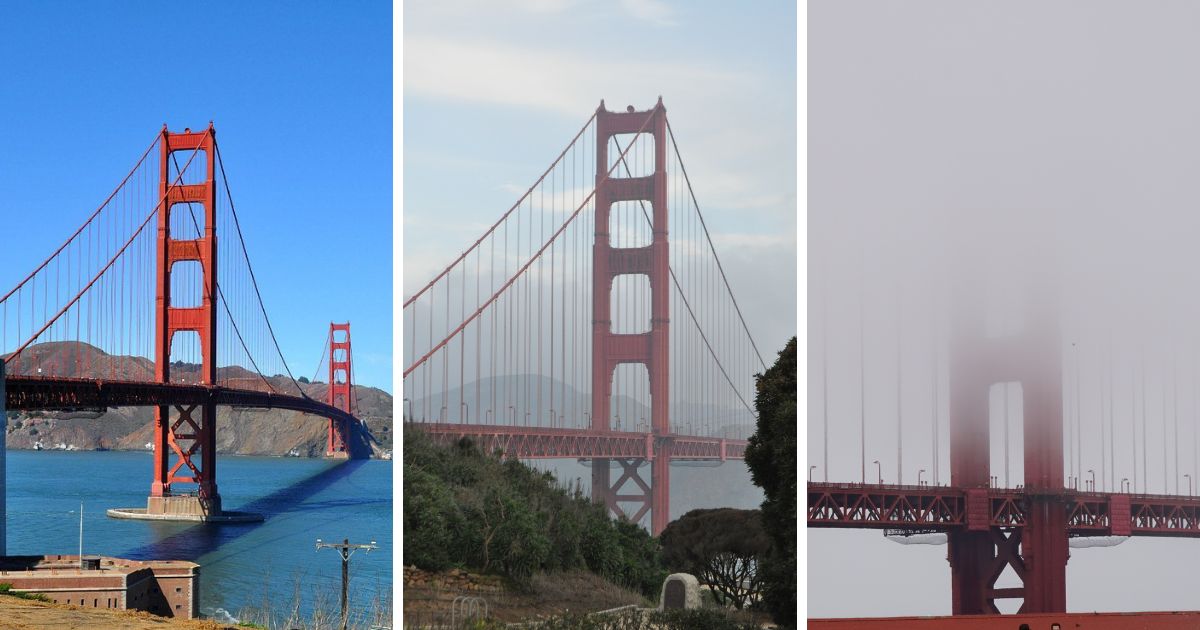
The first rule of San Francisco weather is that there are no hard and fast rules, or rather, the rules change within mere blocks. This phenomenon is due to the city’s distinctive topography and its proximity to the vast Pacific Ocean. Hills, valleys, and the bay create a patchwork of microclimates, meaning it can be foggy and chilly at Fisherman’s Wharf while simultaneously sunny and warm in the Mission District. This climatic diversity is a defining characteristic of the city, demanding a flexible approach to wardrobe and planning.
The Enigmatic Fog: Karl the Fog and Beyond
Perhaps the most famous meteorological resident of San Francisco is its fog, affectionately nicknamed “Karl the Fog” by locals. This dense, often mystical, marine layer rolls in from the Pacific Ocean, particularly during the summer months. It’s a natural air conditioner, keeping coastal areas cool, even when inland regions are sweltering. The fog is most prevalent in the western neighborhoods and areas closer to the Golden Gate Bridge, often obscuring views but adding an undeniable dramatic flair to the cityscape. While it can be disheartening to find the iconic bridge shrouded in mist, the fog often burns off by midday, revealing brilliant sunshine. When planning activities like a visit to the Golden Gate Bridge or Alcatraz Island, it’s wise to consider morning fog and plan for clearer conditions in the afternoon. The fog not only dictates visibility but also temperature, making layering an absolute necessity year-round. It’s not uncommon for a warm, sunny morning to give way to a brisk, foggy afternoon, necessitating a quick change or an extra sweater. This ever-present possibility of fog is a key consideration for anyone looking into accommodation, as waterfront resorts or hotels with bay views might have their vistas occasionally obscured, though the ethereal beauty of the fog can be an attraction in itself for many.
Temperature Swings: From Downtown to the Ocean
Beyond the fog, temperature variations across the city are significant. Downtown areas, like Union Square, tend to be warmer and sunnier than the outer Sunset District, which is directly exposed to the ocean’s influence. As you move inland towards the East Bay cities of Oakland or Berkeley, temperatures can climb considerably higher, especially during summer. This means a day trip to the vineyards of Napa Valley or Sonoma Valley will likely involve much warmer weather than you’d experience back in San Francisco itself. Travelers should be prepared for a spectrum of conditions, sometimes within the same day. This variability is also why San Francisco lacks extreme heat or cold; the Pacific Ocean acts as a giant climate regulator, keeping temperatures relatively mild throughout the year, even if they fluctuate hourly. This temperate climate makes outdoor activities enjoyable in almost any season, provided you’re dressed appropriately.
Seasonal Weather Guide for Travelers
While San Francisco’s weather is famously consistent in its mildness, there are still distinct seasonal patterns that influence the visitor experience. Understanding these can help you choose the best time for your travel plans, whether you’re seeking sunshine, fewer crowds, or specific cultural events.
Spring (March – May): Emerging Sunshine and Mild Breezes
Spring in San Francisco is generally a delightful time. The heavy winter rains begin to subside, giving way to more frequent clear days and brilliant sunshine. Temperatures are mild, typically ranging from the low 50s to upper 60s Fahrenheit (10-20°C). While the fog can still make an appearance, especially in the mornings, it’s often less pervasive than in summer. This season offers a wonderful balance for travelers: comfortable temperatures for walking and exploring, blossoming flowers in Golden Gate Park and at the Palace of Fine Arts, and generally fewer crowds than the peak summer months. It’s an excellent time for outdoor activities, such as a scenic bike ride across the Golden Gate Bridge to Sausalito. Accommodation during spring tends to be more readily available and potentially more affordable than during the high season, making it an attractive option for budget-conscious travelers.
Summer (June – August): Foggy Days and Warmer Inland
Contrary to popular belief and the typical Californian image, San Francisco’s summer is often its coolest season, especially along the coast. This is “Karl the Fog’s” prime time, as the warm inland temperatures draw the cool, moist air from the Pacific Ocean into the Bay Area. Expect cool, foggy mornings and evenings, with temperatures hovering in the 50s and 60s (10-18°C). While some afternoons may clear to beautiful sunshine, others remain stubbornly overcast. If you’re hoping for beach weather, San Francisco beaches are more for strolling than sunbathing during summer. However, inland areas like the Mission District or a short drive east will often experience significantly warmer, sunnier conditions. This is the peak tourist season, so expect larger crowds at popular attractions like Pier 39 and longer waits for Cable Cars. Booking your accommodation and tours well in advance is crucial during these months. Despite the fog, summer remains a vibrant time, with numerous festivals and outdoor events taking place across the city, often embracing the cool temperatures as a welcome respite from the heat experienced elsewhere.
Fall (September – November): The Golden Season
Many locals consider fall to be the absolute best time to visit San Francisco. The infamous summer fog typically retreats, leading to clearer, warmer, and sunnier days. September and October often bring the city’s highest average temperatures, frequently reaching the 70s Fahrenheit (21-26°C), with less wind. The light is often golden and crisp, providing perfect conditions for photography and outdoor exploration. This “Indian summer” is ideal for enjoying all the city has to offer, from scenic hikes in Presidio National Park to ferry rides to Alcatraz Island with unobstructed views. Oracle Park baseball games, if still in season, are particularly enjoyable under these conditions. While crowds are still present, they tend to be slightly thinner than in summer, and the overall atmosphere is more relaxed. This is a prime time for luxury travel experiences, as the weather perfectly complements rooftop dining and sunset cruises.
Winter (December – February): Mild, Wet, and Inviting

San Francisco’s winter is mild compared to much of the United States, with temperatures rarely dropping below the mid-40s Fahrenheit (7°C). However, it is also the city’s rainy season. Expect frequent, though often intermittent, rainfall. Sunny days are still common, especially after a storm, often revealing crisp, clear skies. The air is fresh, and the city feels more local, with fewer tourists. This season is perfect for exploring indoor attractions like the California Academy of Sciences, the de Young Museum, or the Exploratorium. The festive atmosphere of Union Square during the holidays is charming, and the city lights sparkle against the backdrop of an occasional winter shower. For those interested in local culture and culinary experiences, winter is an excellent time to visit restaurants, cozy cafes, and explore neighborhoods like Chinatown without the bustling crowds. Accommodation prices typically drop during this off-peak season, offering opportunities for budget travel or finding deals on upscale suites.
Packing Smart: Essentials for San Francisco Weather
Given the city’s mercurial climate, strategic packing is not just a suggestion – it’s a necessity. No matter what time of year you visit, preparing for multiple weather scenarios within a single day will ensure your comfort and enjoyment.
Layering is Key: The San Francisco Uniform
The golden rule for dressing in San Francisco is layering. Think of it as the city’s unofficial uniform. Start with a light base layer, add a sweater or fleece, and top it off with a windproof and water-resistant jacket. Even on what appears to be a sunny day, the wind can pick up quickly, and the fog can roll in, dropping temperatures by 10-15 degrees Fahrenheit in a matter of minutes. A light scarf can also be a surprisingly useful addition to keep your neck warm against the breeze. Don’t forget to pack clothing suitable for both cool and potentially warmer conditions, especially if you plan on venturing to sunnier inland areas or taking a day trip to places like Muir Woods National Monument or further south to Carmel-by-the-Sea and Monterey, where weather can differ significantly. This strategy ensures you’re prepared for the cool shade under the Transamerica Pyramid and the brighter sun at Ghirardelli Square.
Footwear and Accessories: Staying Comfortable
Comfortable walking shoes are non-negotiable. San Francisco is a city best explored on foot, and its famously steep hills (think Lombard Street) will put your footwear to the test. Waterproof shoes are a wise choice, especially during the wetter winter months. Beyond shoes, consider a compact umbrella, particularly from November to April. Sunglasses are also important year-round, as even on foggy days, the light can be surprisingly bright, and when the sun does emerge, it can be intense. A reusable water bottle is also a good idea, as staying hydrated while walking the hills is important. Finally, a small backpack or tote bag is useful for shedding layers as the day warms up, or for adding them back on as the evening chill sets in.
Weather’s Influence on San Francisco Activities and Attractions
The weather in San Francisco significantly shapes the best way to enjoy its myriad attractions and activities. Smart travelers adjust their itineraries to align with the day’s atmospheric conditions.
Outdoor Adventures: Embracing the Elements
Many of San Francisco’s most iconic experiences are outdoors, from sailing on the Bay to exploring Golden Gate Park. For stunning views of the Golden Gate Bridge or the city skyline from Coit Tower, aim for clearer afternoons, especially in summer. Mornings often bring fog, but don’t discount them entirely; the fog itself can create breathtaking, moody photography opportunities. Biking across the Golden Gate Bridge is an exhilarating experience, but always check the wind forecast, as strong headwinds can make the return journey challenging. Similarly, walking tours of neighborhoods like Chinatown or North Beach are best enjoyed on comfortable, dry days. During winter, when rain is more frequent, outdoor activities might be punctuated by breaks indoors, or require proper rain gear.
Indoor Escapes: When the Fog Rolls In
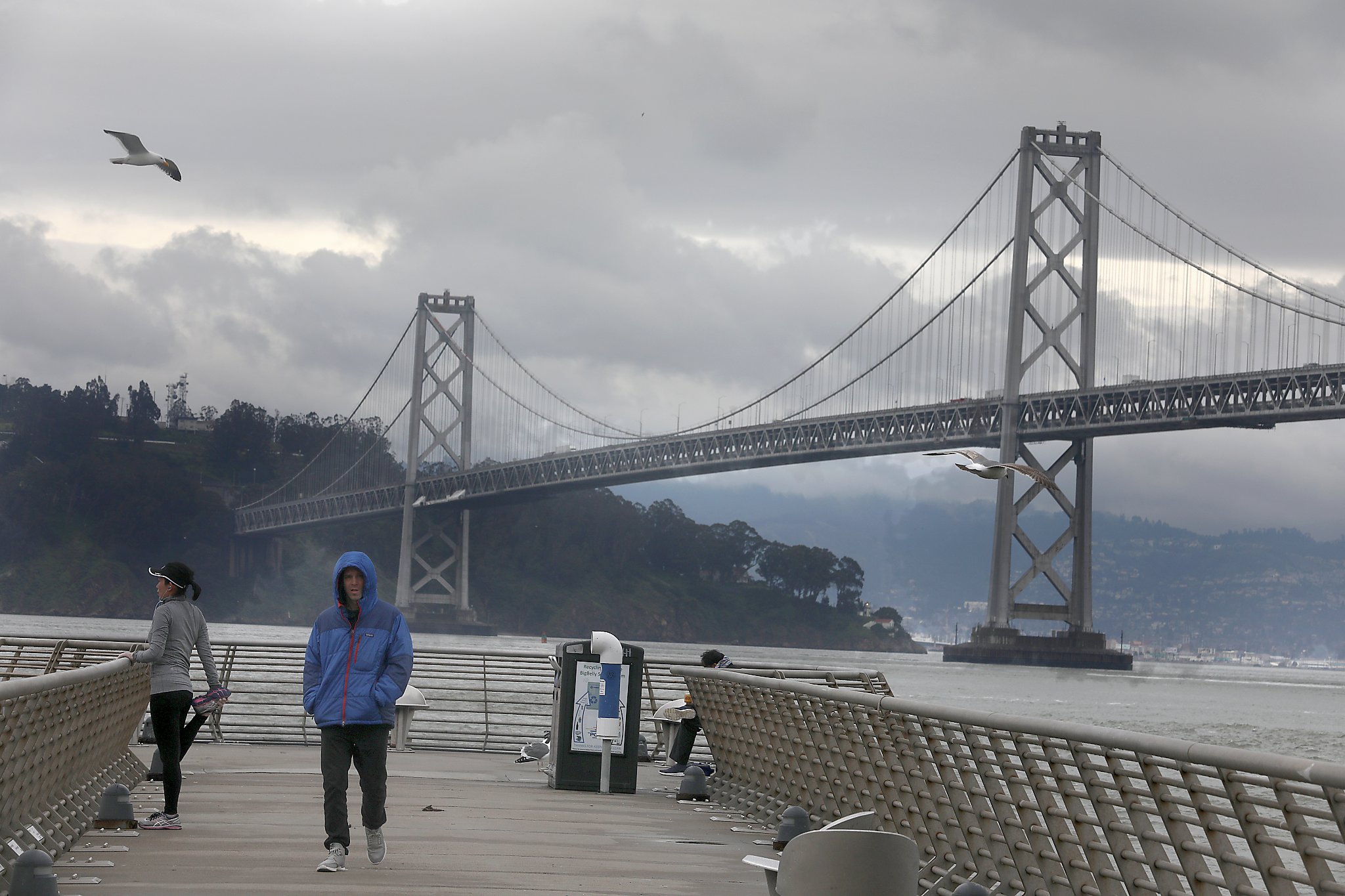
On days when the fog is particularly dense or the rain is persistent, San Francisco offers a wealth of world-class indoor attractions. Museums like the Legion of Honor Museum or the Exploratorium provide hours of entertainment and cultural enrichment. Shopping in Union Square or exploring the shops at Pier 39 are excellent options. The city’s diverse culinary scene also offers fantastic opportunities to escape the weather, whether you’re enjoying fresh seafood at Fisherman’s Wharf or savoring international cuisine in the Mission District. Consider taking a Cable Car ride for a nostalgic journey through the city’s hills, which offers a unique perspective regardless of the weather outside. Many hotels and resorts in San Francisco also offer luxurious amenities, like indoor pools, spas, or excellent dining, providing perfect refuges on less-than-ideal weather days.
Planning Your Trip: Best Time to Visit San Francisco
Ultimately, the “best” time to visit San Francisco depends on your personal preferences and what you hope to experience. If warm, clear weather is your top priority, late September and October are generally considered the most reliable months, offering the best chance for sunny, pleasant days and comfortable temperatures. These months are often ideal for outdoor activities, scenic drives, and enjoying the city’s vibrant outdoor dining scene.
If you prefer fewer crowds and don’t mind the possibility of more fog or rain, spring (March-May) offers a beautiful balance of emerging sunshine and manageable tourist numbers, making it a great choice for travelers seeking a more relaxed pace and potentially better deals on accommodation. Winter (December-February), while rainier, can be magical with holiday lights and a distinctly local feel, ideal for cultural exploration and cozy indoor experiences.
Summer (June-August), despite its fog, is when the city truly comes alive with festivals and events. If you’re prepared for cool, layered clothing and plan to explore beyond the immediate coastline, it can still be an incredibly rewarding time to visit, especially for those who appreciate a unique urban climate. Regardless of when you choose to visit, a little preparation for San Francisco’s idiosyncratic weather will ensure your trip is a memorable one, allowing you to fully immerse yourself in the charm and beauty of this unforgettable city. Remember to always check the local forecast a few days before your arrival at San Francisco International Airport (SFO) and pack accordingly, embracing the ever-changing nature of the city by the bay.
LifeOutOfTheBox is a participant in the Amazon Services LLC Associates Program, an affiliate advertising program designed to provide a means for sites to earn advertising fees by advertising and linking to Amazon.com. Amazon, the Amazon logo, AmazonSupply, and the AmazonSupply logo are trademarks of Amazon.com, Inc. or its affiliates. As an Amazon Associate we earn affiliate commissions from qualifying purchases.