
The story of San Francisco is a compelling tapestry woven with threads of exploration, conquest, gold, and relentless innovation. Today, it stands as one of the United States’ most iconic and beloved cities, a global hub for travel, tourism, and groundbreaking lifestyle. Yet, to truly understand the vibrant metropolis it has become, one must delve into its origins, tracing its establishment from a windswept colonial outpost to a thriving gateway to the Pacific Ocean. The question “When was San Francisco established?” doesn’t have a single, simple answer, but rather a layered history of discovery, settlement, and eventual naming that collectively forged its identity.
The Dawn of a City: Spanish Colonial Roots in Alta California
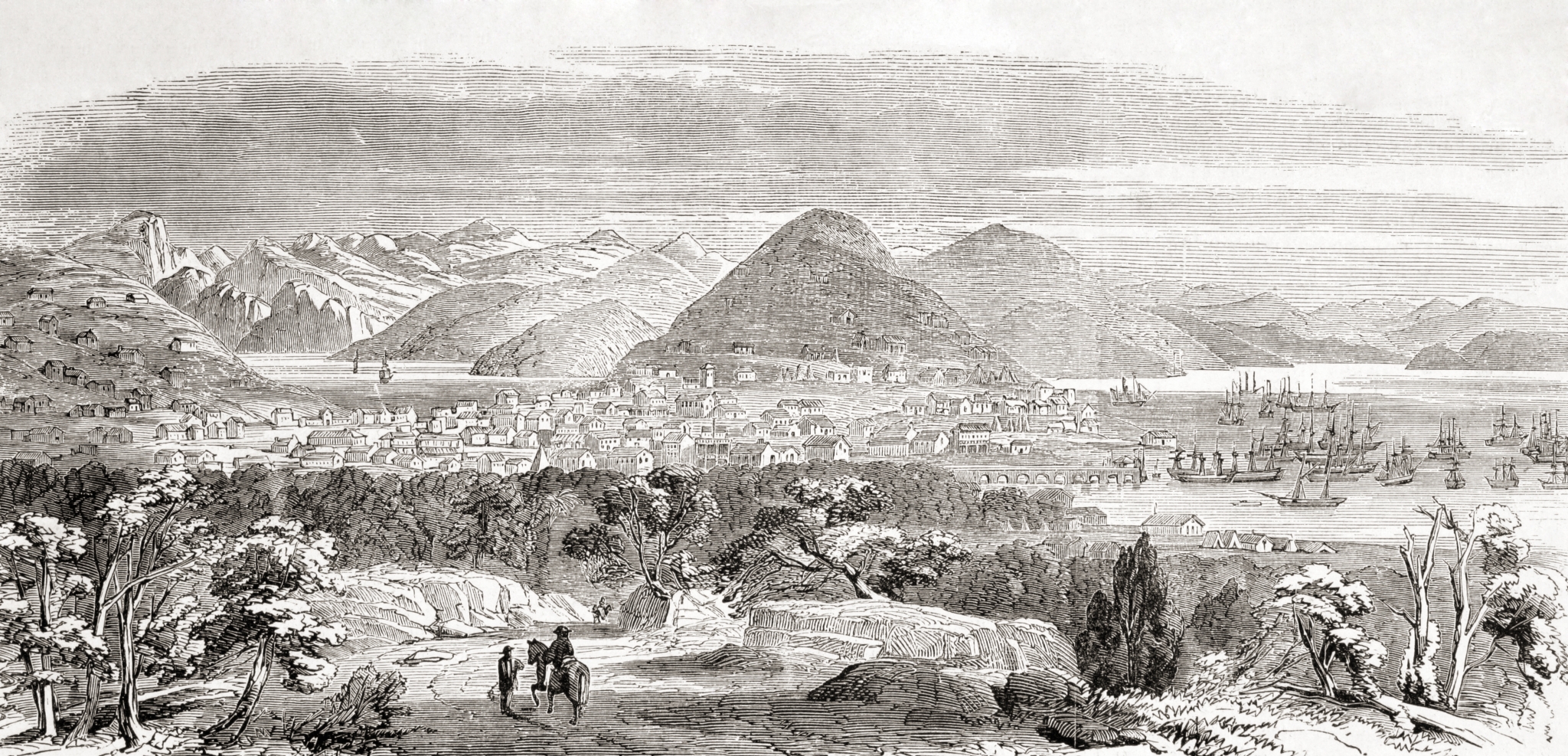
The first European eyes to gaze upon the magnificent expanse of what would become San Francisco Bay belonged to the Spanish Empire. For centuries, European explorers had sailed the California coast, often missing the narrow, fog-shrouded entrance to the bay. It wasn’t until 1769 that the land-based Portolá Expedition, led by Gaspar de Portolá, stumbled upon this natural wonder. Tasked with finding Monterey Bay and securing Alta California for Spain against potential Russian incursions, Portolá’s party, while failing their primary objective initially, inadvertently discovered one of the world’s great harbors. While they recognized its strategic importance, the immediate priorities of establishing missions further south meant actual settlement of the bay area was delayed for a few more years.
Establishing the Mission and Presidio: 1776
The definitive year for the formal establishment of a Spanish presence in the area that would become San Francisco is 1776. This pivotal year saw the creation of two crucial institutions that anchored Spanish colonial efforts in the region: the mission and the presidio. Following Portolá’s discovery, a second expedition, led by Juan Bautista de Anza, arrived in 1776 with the express purpose of selecting sites for a mission and a military outpost.
On June 29, 1776, Father Francisco Palóu founded the Mission San Francisco de Asís, more commonly known today as Mission Dolores. Named after Saint Francis of Assisi and situated near a stream named Arroyo de Nuestra Señora de los Dolores, this mission served as a spiritual and cultural center, aiming to convert the local Ohlone people to Christianity and integrate them into the Spanish colonial system. It was the sixth of the twenty-one missions eventually established along the California Missions Trail, stretching from San Diego to Sonoma. The founding of Mission Dolores marked the first permanent non-indigenous settlement within the boundaries of the future city.
Just a few months later, on September 17, 1776, the Presidio of San Francisco was formally established by Lieutenant José Joaquín Moraga (who served under Anza). Positioned strategically at the entrance to San Francisco Bay, the presidio was a military fortress designed to protect the mission, secure the harbor, and assert Spanish sovereignty over the northern frontier of New Spain. These twin establishments, the mission and the presidio, laid the foundational administrative and religious framework for what would eventually grow into a bustling city. So, in a very real sense, 1776 is the year San Francisco began its journey as a formal, organized settlement.
From Yerba Buena to San Francisco: A Name Reborn
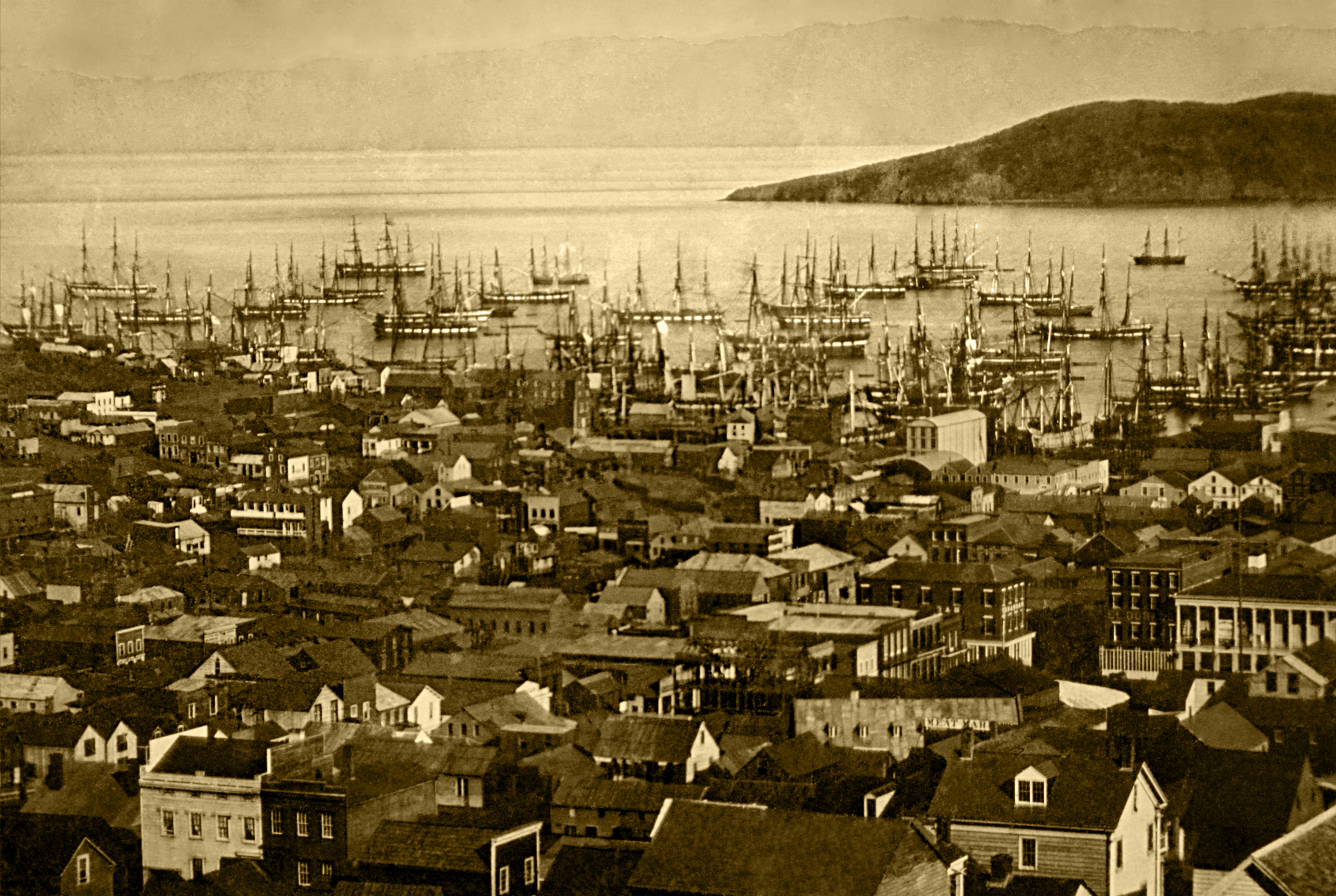
For decades, the area around the presidio and mission remained sparsely populated, serving primarily as a small outpost. It wasn’t until the 1830s, during the era of Mexican rule (following Mexico’s independence from Spain in 1821), that a more significant civilian settlement began to take shape. In 1835, an English sailor turned Mexican citizen, William Richardson, built the first permanent dwelling and commercial establishment near the sheltered cove of Yerba Buena (Spanish for “good herb,” referring to a local mint plant). This settlement, known simply as Yerba Buena, quickly became a small but important trading post, attracting a diverse mix of American, European, and Mexican settlers.
The geopolitical landscape of California shifted dramatically in 1846 with the outbreak of the Mexican-American War. On July 9, 1846, Commander John B. Montgomery of the U.S.S. Portsmouth raised the American flag over Yerba Buena, effectively bringing the settlement under United States control. A little over a year later, on January 30, 1847, the American alcalde (or mayor), Washington Bartlett, officially renamed the town from Yerba Buena to San Francisco. This renaming was a strategic move, aimed at aligning the burgeoning port with the already established and internationally recognized name of the bay and its historical mission. It marked a definitive point in the city’s identity, cementing the name by which it would become globally renowned.
A Golden Transformation: The Gold Rush Era and Rapid Growth
Just as San Francisco was finding its new name and national allegiance, an event of unprecedented magnitude struck California, fundamentally altering the course of the city’s destiny: the discovery of gold.
The Influx of Fortune Seekers
In January 1848, James W. Marshall discovered gold nuggets at Sutter’s Mill near Coloma, sparking the legendary California Gold Rush. The news spread like wildfire, first locally, then nationally, and eventually across the globe. Almost overnight, San Francisco, with its deep-water harbor and strategic location at the entrance to the gold fields, transformed from a sleepy settlement of a few hundred people into a booming, chaotic, and incredibly vibrant city.
Thousands upon thousands of “forty-niners” (as the gold seekers of 1849 were called) poured into the city. Ships from every corner of the world crammed San Francisco Bay, often abandoned by their crews who deserted to seek their fortunes in the hills. The population exploded from around 1,000 residents in early 1848 to an estimated 25,000 by 1850. This rapid demographic surge created an environment of both immense opportunity and immense challenge.
Building a Metropolis: Challenges and Triumphs
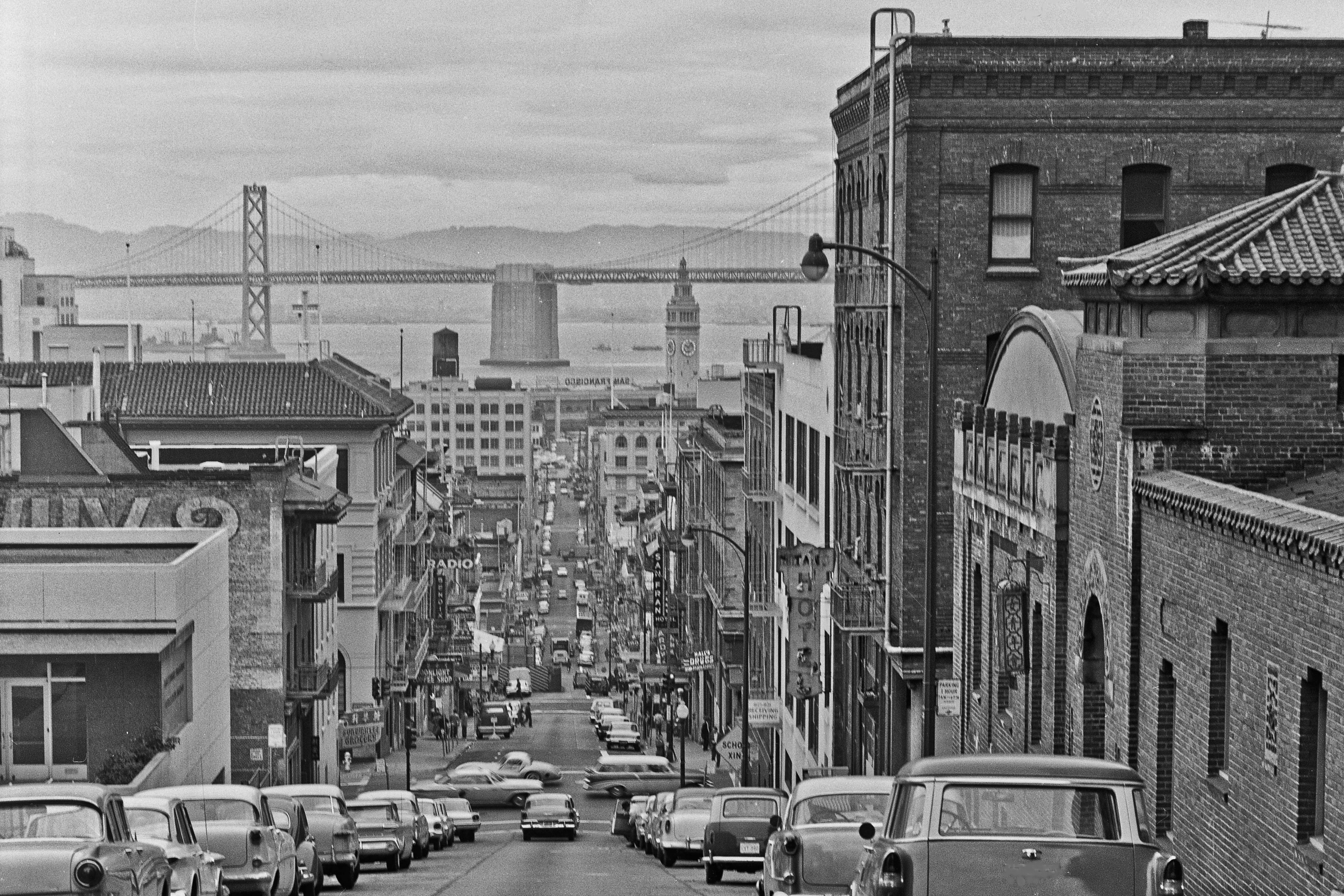
The Gold Rush brought not just people but also an incredible demand for goods and services. Entrepreneurs, merchants, and laborers flocked to San Francisco to capitalize on the needs of the miners. Wharves were built at a frantic pace, new businesses sprang up daily, and instant fortunes were made (and lost) in various enterprises, not just in mining. This period saw the city develop a robust and often wild commercial culture, laying the groundwork for its future economic prowess.
However, rapid growth also brought significant challenges. Infrastructure struggled to keep pace with the population explosion. The city faced issues of sanitation, lawlessness, and frequent devastating fires that repeatedly swept through its predominantly wooden structures. Yet, with each setback, the resilient spirit of San Francisco prevailed. Buildings were rebuilt, better infrastructure was planned, and a more structured civic society slowly emerged from the initial chaos. The Gold Rush period solidified San Francisco’s role as the undisputed economic and cultural capital of California, setting it on an irreversible path toward becoming a major global city.
San Francisco Today: A Global Travel and Tourism Hub
From its humble beginnings as a Spanish mission and presidio to its explosive growth during the Gold Rush, San Francisco has evolved into a world-renowned destination. Today, it encapsulates a unique blend of history, innovation, natural beauty, and diverse culture, making it a magnet for millions of travelers each year.
Iconic Landmarks and Attractions
San Francisco is home to some of the most recognizable landmarks and attractions in the world, each telling a piece of its storied past and vibrant present. The majestic Golden Gate Bridge, an engineering marvel, stands as the city’s most iconic symbol, offering breathtaking views and connecting San Francisco to Marin County. A visit to the infamous Alcatraz Island, once a formidable federal prison, provides a chilling glimpse into a fascinating chapter of American history and unparalleled views of the cityscape.
Fisherman’s Wharf buzzes with energy, offering fresh seafood, street performers, and the famous sea lions at Pier 39. Nearby, Ghirardelli Square tempts with its chocolate history. The city’s famous Cable Cars offer a charming and practical way to navigate its steep hills, providing an authentic San Francisco experience. Other must-see attractions include the crooked Lombard Street, the serene expanses of Golden Gate Park (home to the California Academy of Sciences and the Japanese Tea Garden), the historic districts of Chinatown and Haight-Ashbury, and cultural gems like the Palace of Fine Arts, Coit Tower, and the various museums such as the Legion of Honor and the San Francisco Museum of Modern Art. Each of these destinations offers a unique perspective on the city’s rich narrative.
Accommodation and Lifestyle for Every Traveler
As a premier travel destination, San Francisco caters to every type of traveler and lifestyle preference when it comes to accommodation. From opulent luxury hotels in Union Square to charming boutique hotels in North Beach, and modern suites overlooking the bay, options abound. Visitors can choose from world-class resorts, cozy apartments for longer stays, or even elegant villas for an exclusive experience.
The city also excels in providing options for various lifestyle choices. Budget travelers can find comfortable and affordable hostels or guest houses, while those seeking luxury travel will be spoiled for choice with high-end hotels offering top-tier amenities and impeccable service. For family trips, numerous hotels and apartments offer spacious rooms and kid-friendly features. Business stays are easily accommodated with a plethora of convention-friendly hotels and easy access to the financial district and Silicon Valley. The flexibility in accommodation ensures that every visitor can find their perfect home base for exploring the city.
Planning Your Visit: Experiences and Tips
To truly appreciate San Francisco’s establishment and its subsequent evolution, planning your visit strategically is key. The city offers a myriad of experiences that combine its rich history with its contemporary allure.
Navigating the City
Getting around San Francisco is part of the adventure. Beyond the iconic Cable Cars, the city boasts an excellent public transportation system, including buses, streetcars, and BART (Bay Area Rapid Transit) that can whisk you to various destinations. Walking is often the best way to explore individual neighborhoods, allowing you to discover hidden gems and stunning architecture. For those seeking guided exploration, a range of guides and tours are available, from historical walking tours of North Beach and Chinatown to bay cruises offering unique perspectives of the Golden Gate Bridge and Alcatraz Island. Remember that San Francisco weather can be famously fickle, often changing rapidly, so dressing in layers is always a wise tip.
Embracing the Local Culture and Food Scene
San Francisco’s culture is as diverse as its population. From the bohemian legacy of Haight-Ashbury to the vibrant festivals in the Mission District and the historical significance of Presidio National Park, there’s always something new to discover. The city is also a culinary powerhouse, boasting an incredible food scene that reflects its multicultural heritage. From Michelin-starred restaurants to bustling farmers’ markets and food trucks, gastronomic experiences are endless. Don’t miss out on local specialties like clam chowder in a sourdough bread bowl at Fisherman’s Wharf or exploring the authentic dim sum in Chinatown. For a deeper dive into the city’s unique charm, visit interactive attractions like the Exploratorium or the Aquarium of the Bay, which offer insights into science, nature, and marine life.
Additionally, consider a day trip to nearby destinations like the charming seaside town of Sausalito, the majestic redwood groves of Muir Woods National Monument, or a journey further afield into California’s world-renowned Wine Country in Napa Valley or Sonoma Valley for exquisite tasting experiences. For accommodation, utilize online booking platforms, consult reviews, and perform comparison searches to find the best deals for anything from short stays to long-term stays. These tips will ensure your San Francisco adventure is both memorable and enriching, connecting you to a city whose establishment story is just as captivating as its modern-day appeal.
In conclusion, while the seeds of San Francisco were sown with the Spanish establishment of Mission Dolores and the Presidio of San Francisco in 1776, its true character began to emerge with the renaming from Yerba Buena in 1847, followed by the transformative boom of the California Gold Rush. This layered history has forged a city that continues to captivate and inspire, inviting travelers worldwide to explore its depths and experience its unique charm.
LifeOutOfTheBox is a participant in the Amazon Services LLC Associates Program, an affiliate advertising program designed to provide a means for sites to earn advertising fees by advertising and linking to Amazon.com. Amazon, the Amazon logo, AmazonSupply, and the AmazonSupply logo are trademarks of Amazon.com, Inc. or its affiliates. As an Amazon Associate we earn affiliate commissions from qualifying purchases.