
The Pacific Northwest is a region renowned for its stunning natural beauty, vibrant cities, and a unique blend of urban sophistication and outdoor adventure. At its heart lie two of America’s most beloved and distinct cities: Seattle, Washington, and Portland, Oregon. For many travelers, the question isn’t just about visiting one, but experiencing the dynamic contrast and complementary charms of both. A common inquiry for those planning an exploration of this captivating corridor is a practical one: “How far is Seattle from Portland?” Beyond a simple numerical answer, understanding the distance and the various ways to traverse it opens up a world of travel possibilities, from quick weekend escapes to extended road trip adventures. This article delves into the logistics of traveling between these two iconic United States cities, offering insights into transportation, attractions, accommodation, and tips to make your journey as enjoyable as the destinations themselves.

The Straightforward Answer: Distance and Driving Time
At its core, the distance between Seattle and Portland is relatively manageable, making a combined trip highly feasible.
The Core Route: Interstate 5
The most direct and commonly used route connecting Seattle and Portland is Interstate 5 (I-5). This major north-south freeway cuts through the heart of both cities and offers the most efficient way to travel by car or bus.
- Distance: The approximate driving distance between downtown Seattle and downtown Portland is around 174 to 175 miles (280 to 282 kilometers). This can vary slightly depending on your exact starting and ending points within each metropolitan area.
- Driving Time: Under ideal conditions, with no traffic and minimal stops, the drive takes roughly 2.5 to 3 hours. However, “ideal conditions” are often a luxury, especially during peak travel times.
Factors Affecting Travel Time
While the base distance is consistent, several factors can significantly impact your actual travel time:
- Traffic: Both Seattle and Portland are major metropolitan areas known for their rush hour congestion. Driving during morning or afternoon commutes, or even on busy weekend afternoons, can easily add an hour or more to your trip. It’s always advisable to check real-time traffic updates before you depart.
- Construction: As with any heavily trafficked interstate, construction projects can cause delays.
- Weather: The Pacific Northwest is famous for its rain, especially outside of the summer months. Heavy rain can reduce visibility and necessitate slower driving speeds. Winter conditions, while less common on I-5 at sea level, can occasionally present challenges, particularly north of Seattle or in the mountain passes if you choose a scenic detour.
- Stops: Whether for fuel, food, or simply to stretch your legs, most travelers will make at least one stop. Planning for these breaks is essential for an enjoyable journey.
Navigating the Journey: Transportation Options
Beyond personal vehicles, a variety of transportation methods connect Seattle and Portland, catering to different budgets, preferences, and travel styles.
Driving: Flexibility and Scenic Stops
Driving offers the ultimate flexibility, allowing you to depart on your own schedule and explore at your leisure.
- Pros: Freedom to stop anywhere, luggage capacity, potential for scenic detours.
- Cons: Traffic, parking costs and availability in cities, fuel expenses, potential for driver fatigue.
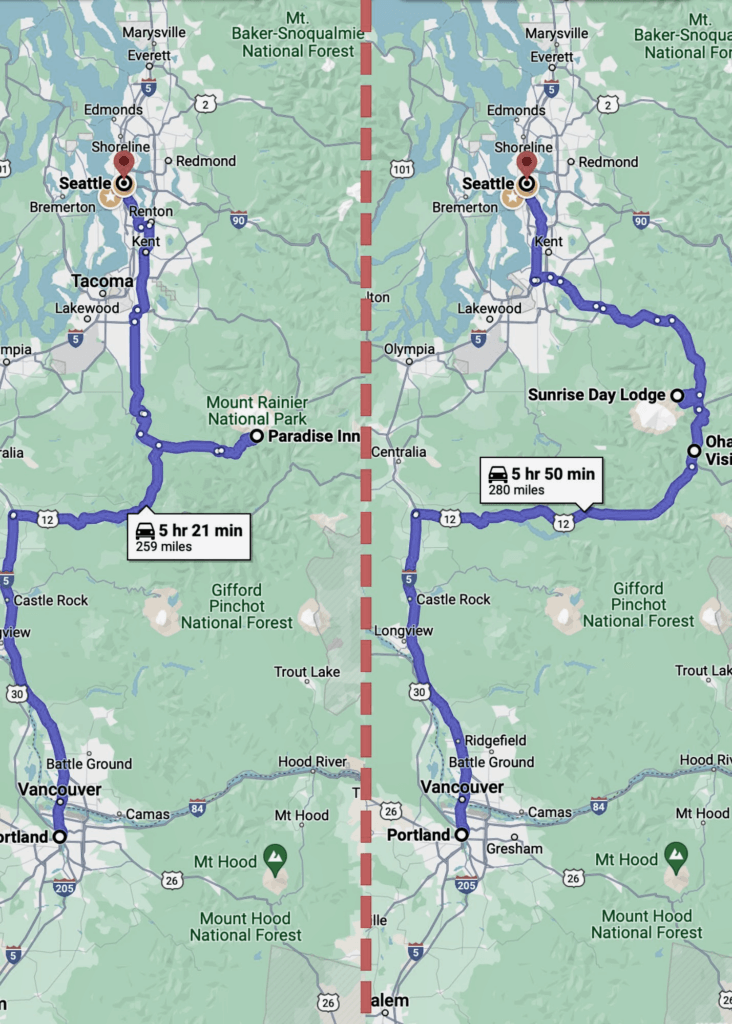
- Tips: Consider carpooling to save on costs and environmental impact. Explore scenic routes like a detour through the Columbia River Gorge (though this will add significant time to your journey) or a visit to Mount St. Helens National Volcanic Monument if you have extra time.
Bus Travel: Economical and Convenient
Bus services provide a cost-effective and relatively stress-free way to travel between the two cities.
- Providers: Companies like Greyhound and FlixBus offer multiple daily departures.
- Journey Time: Typically ranges from 3.5 to 4.5 hours, depending on the number of stops and traffic conditions.
- Pros: Generally the cheapest option, no need to worry about driving or parking, often has Wi-Fi and power outlets.
- Cons: Less flexibility than driving, can be less comfortable for some, limited luggage allowance.
Rail Adventures: Amtrak’s Cascades
For a more relaxed and scenic journey, Amtrak’s Cascades route is a popular choice. The train travels along a picturesque corridor, offering views of Puget Sound, forests, and charming towns.
- Journey Time: Train travel typically takes around 3.5 to 4 hours.
- Pros: Comfortable seating, dining car, stunning views, ability to walk around, no traffic worries, city-center station access (King Street Station in Seattle, Union Station in Portland).
- Cons: Can be more expensive than bus travel, less frequent departures than driving or bus, potential for delays.
- Lifestyle Insight: This mode of transport caters well to “Luxury Travel” due to the comfort and scenery, or “Budget Travel” if booked in advance.
Flying: The Quickest Option
While Seattle and Portland are relatively close, flying remains the quickest option for those prioritizing speed above all else, especially if connecting from further destinations.
- Airports: Seattle-Tacoma International Airport (SEA) serves Seattle, and Portland International Airport (PDX) serves Portland.
- Flight Time: The actual flight time is a mere 45-60 minutes.
- Total Travel Time: When factoring in travel to and from airports, security checks, and boarding, the total door-to-door travel time often rivals or exceeds the train or bus journey.
- Pros: Fastest direct travel, convenient if you’re already flying into one of the cities from afar.
- Cons: Generally the most expensive, significant time spent at airports, carbon footprint.
Exploring the Destinations: What Awaits in Seattle and Portland
Knowing how to get there is just the beginning; the real adventure lies in exploring the distinct personalities of Seattle and Portland. Both cities are rich in “Tourism” experiences, “Landmarks,” and unique “Lifestyle” offerings.
Discovering Seattle’s Iconic Attractions
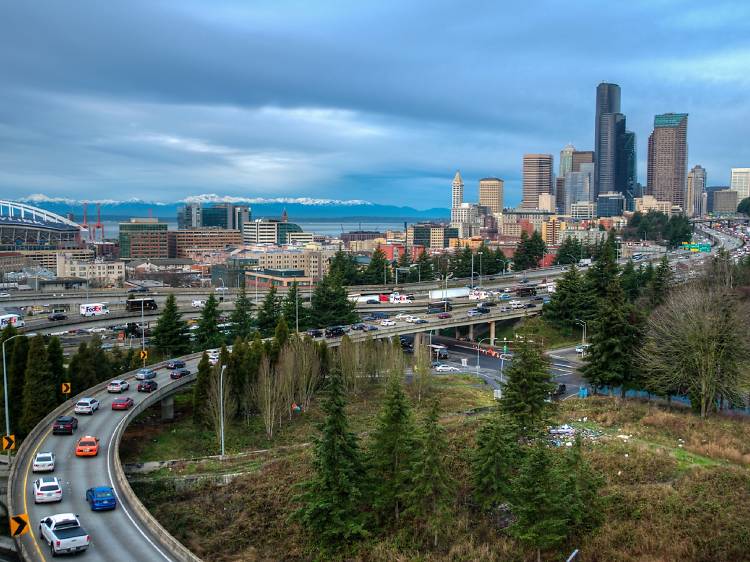
Seattle, the Emerald City, is a hub of innovation, coffee culture, and breathtaking natural beauty. Its diverse attractions appeal to all kinds of travelers.
- Landmarks & Attractions:
- Space Needle: An enduring symbol of Seattle with panoramic city and mountain views. Nearby, the Chihuly Garden and Glass offers a mesmerizing display of glass art.
- Pike Place Market: A historic public market famous for its fish throwing, artisan crafts, and diverse food stalls. A must-visit for “Local Culture” and “Food” experiences.
- Museum of Pop Culture (MoPOP): A vibrant museum celebrating music, science fiction, and pop culture.
- The Seattle Ferry System: Take a scenic ferry ride across Puget Sound to Bainbridge Island for stunning city skyline views.
- Outdoor Adventures: Seattle serves as a gateway to majestic national parks like Olympic National Park and Mount Rainier National Park.
- Accommodation: Seattle offers a wide array of “Hotels” and “Accommodation” options, from luxury high-rise “Suites” to cozy “Boutique Hotels.”
- For luxury, consider the Four Seasons Hotel Seattle with its incredible waterfront views, or the centrally located Hyatt Regency Seattle for business and leisure travelers seeking modern amenities. Numerous “Apartments” and vacation rentals are also available for “Long-term Stay” or “Family Trips.”
Unveiling Portland’s Unique Charm
Portland, often celebrated for its “Keep Portland Weird” ethos, blends quirky charm with a thriving arts scene, lush green spaces, and a legendary food and craft beer culture.
- Landmarks & Attractions:
- Pioneer Courthouse Square: Known as “Portland’s Living Room,” this downtown square is a hub of activity and events.
- Washington Park: Home to the serene International Rose Test Garden, the Oregon Zoo, and the Japanese Garden.
- Forest Park: One of the largest urban forests in the United States, offering miles of hiking and biking trails.
- Food Scene: Indulge in Portland’s diverse “Food” trucks, craft breweries, and famous donut shops like Voodoo Doughnut. This city is a paradise for “Food” enthusiasts and offers a fantastic “Local Culture” experience.
- Accommodation: Portland’s “Accommodation” landscape ranges from historic “Boutique Hotels” to contemporary “Hotels” with unique character.
- “Luxury Travel” options include The Nines, a Luxury Collection Hotel, known for its rooftop bar and chic design, or the art-filled Hotel Zags Portland for a modern, active vibe. Many “Apartments” and “Villas” are also available for those seeking a more local experience or a “Long-term Stay.”
Planning Your Perfect Pacific Northwest Getaway
Seamlessly integrating the journey with the destinations requires thoughtful planning, touching on aspects of “Travel Guides,” “Booking,” and “Tips.”
Accommodation Choices: From Boutique to Budget
Regardless of whether you choose Seattle or Portland as your base, or decide to split your stay, the variety of “Accommodation” options is vast.
- Hotels & Resorts: Both cities boast major hotel chains, independent “Boutique Hotels,” and “Luxury Resorts” offering full amenities like spas, pools, and fine dining. Use “Comparison” websites to find the best deals.
- Apartments & Vacation Rentals: For longer stays, “Family Trips,” or those seeking a more authentic experience, renting an “Apartment” or “Villa” can be an excellent choice, often equipped with kitchens and more living space.
- Budget-Friendly Options: Hostels, budget hotels, and guesthouses are readily available in both cities, catering to “Budget Travel” lifestyles without sacrificing comfort or access to attractions. Always check “Reviews” before booking.
Road Trip Essentials and Scenic Detours
If you opt for driving, consider making the journey itself part of the adventure.
- Scenic Drives: While I-5 is primarily functional, small detours can reveal natural wonders. The Columbia River Gorge east of Portland offers stunning waterfalls and hiking trails, while a detour inland towards Mount St. Helens National Volcanic Monument provides a dramatic landscape shaped by volcanic activity. These detours are perfect for “Nature” enthusiasts and those interested in geological “History.”
- Packing: Prepare for varying weather conditions – layers are key in the Pacific Northwest. Don’t forget comfortable walking shoes, especially if you plan to explore cities on foot.
Best Time to Visit and Local Tips
- Weather: The summer months (June to September) offer the most sunshine and mildest temperatures, ideal for outdoor activities and sightseeing. However, this is also peak tourist season, meaning higher prices and larger crowds. Spring and fall provide a balance of fewer crowds and pleasant (though often rainy) weather, while winter can be wet and cool but offers a cozy, festive atmosphere, especially around the holidays.
- Events: Check local event calendars for festivals, concerts, and sporting events that might coincide with your visit. This adds a rich layer to your “Local Culture” and “Experiences.”
- Public Transport: Both Seattle and Portland have excellent public transportation systems (buses, light rail, streetcars) that can help you navigate within the cities and avoid parking hassles. Consider purchasing a multi-day pass for convenience.
In conclusion, the journey between Seattle and Portland is not just a matter of covering 175 miles; it’s an integral part of a rich Pacific Northwest “Travel” experience. Whether you choose the efficiency of I-5 by car or bus, the scenic charm of Amtrak’s Cascades, or the speed of air travel, the path connecting these two dynamic cities is an adventure in itself. Each mode of transport offers a unique perspective on the region, setting the stage for unforgettable explorations of “Destinations,” “Attractions,” and distinct “Lifestyles” that define this corner of the United States. Plan your trip wisely, embrace the journey, and discover why Seattle and Portland remain two of the most captivating cities in North America.
LifeOutOfTheBox is a participant in the Amazon Services LLC Associates Program, an affiliate advertising program designed to provide a means for sites to earn advertising fees by advertising and linking to Amazon.com. Amazon, the Amazon logo, AmazonSupply, and the AmazonSupply logo are trademarks of Amazon.com, Inc. or its affiliates. As an Amazon Associate we earn affiliate commissions from qualifying purchases.