
Seattle, the Emerald City of the Pacific Northwest, is a city renowned for its breathtaking natural beauty, innovative tech scene, vibrant arts and culture, and, perhaps most notably, its progressive economic policies. As a bustling hub for both business and leisure travel, Seattle continuously draws visitors from across the globe, eager to explore its iconic landmarks, indulge in its world-class culinary scene, and immerse themselves in its unique lifestyle. However, beyond its scenic vistas and bustling attractions, Seattle also stands out for another significant aspect: its trailblazing approach to minimum wage.
Understanding the minimum wage in Seattle is not just a matter of economic curiosity; it’s a crucial piece of information for anyone planning a visit, considering a move, or simply interested in the dynamics of a major U.S. city. For travelers, it impacts the cost of services, from hotel stays to dining experiences. For those considering temporary work or extended stays, it offers insights into potential earnings and the cost of living. This article delves into the specifics of Seattle’s minimum wage, exploring its evolution, its current status, and its far-reaching implications for the city’s robust tourism, hospitality, and overall lifestyle landscape.
Understanding Seattle’s Progressive Minimum Wage Policy
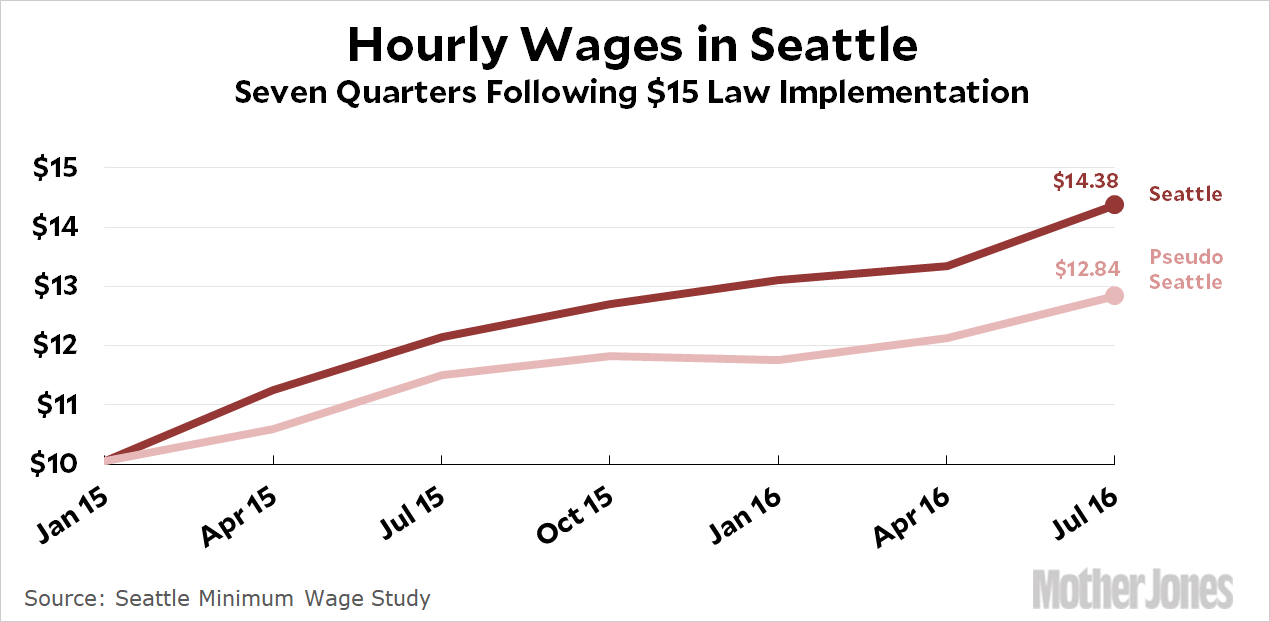
Seattle has long been at the forefront of the movement for higher minimum wages in the United States. Its journey began with a bold decision to phase in a $15 per hour minimum wage, a rate that, at the time of its implementation, was significantly higher than the federal standard and most other municipal wages. This progressive stance was rooted in the belief that a living wage is essential for workers to afford the city’s increasingly high cost of living and to reduce income inequality. The policy has since evolved, adjusting annually to inflation and maintaining its position as one of the highest minimum wages in the nation. This commitment to fair compensation has shaped not only the economic fabric of Seattle but also its social landscape, impacting everything from local businesses to the quality of life for its residents and the experiences of its visitors.
The Current Minimum Wage Landscape in 2024
As of January 1, 2024, Seattle’s minimum wage has seen another adjustment, reflecting the city’s commitment to keeping pace with economic realities. The specific rate an employer must pay depends on the size of the business, which is determined by the number of employees worldwide.
For Large Employers, defined as those with 501 or more employees worldwide, the minimum wage in Seattle is $19.97 per hour. This rate applies universally, regardless of whether the employer offers medical benefits or if the employee receives tips. This straightforward approach ensures a clear baseline for a significant portion of the city’s workforce.
For Small Employers, defined as those with 500 or fewer employees worldwide, there are two categories:
- Employers who pay at least $2.72/hour toward an employee’s medical benefits and/or where the employee earns at least $2.72/hour in tips: For these businesses, the minimum wage is $17.25 per hour. This allows smaller businesses some flexibility, recognizing that they may have different cost structures compared to larger corporations.
- Employers who do NOT pay at least $2.72/hour toward an employee’s medical benefits and/or where the employee does NOT earn at least $2.72/hour in tips: For these employers, the minimum wage is also $19.97 per hour. This ensures that if the smaller employer isn’t contributing significantly to benefits or if tips aren’t sufficient, the employee still receives the higher, larger-employer minimum wage.
These nuanced regulations reflect a careful balance between ensuring workers earn a living wage and acknowledging the varying capacities of different business sizes. The annual adjustments are typically tied to the Consumer Price Index (CPI) for urban wage earners and clerical workers (CPI-W) for the Seattle-Tacoma-Bremerton area, ensuring that the minimum wage retains its purchasing power amidst inflation. This makes Seattle a benchmark for other cities considering similar policies, showcasing a dynamic system designed to adapt to economic shifts.
A Historical Overview of Wage Evolution
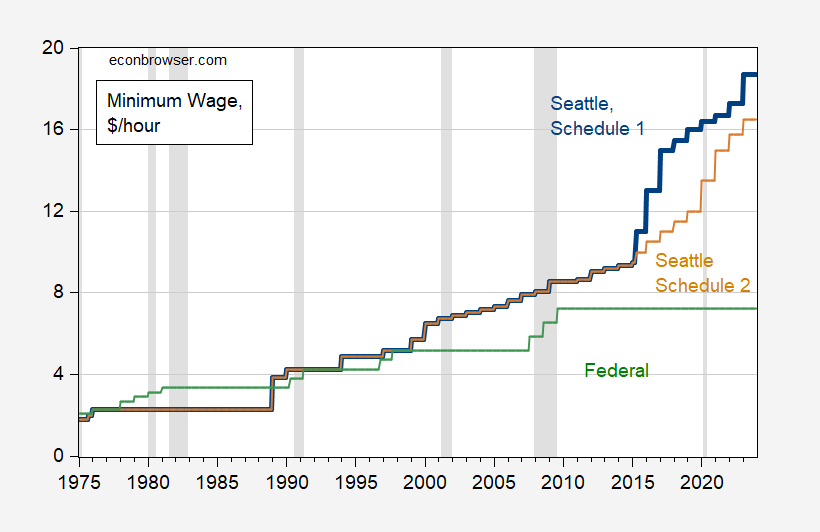
The journey to Seattle’s current minimum wage began in 2014 when the Seattle City Council passed an ordinance to gradually raise the minimum wage to $15 per hour. At the time, this was a groundbreaking move, as the federal minimum wage stood at $7.25 an hour, a figure that had remained unchanged since 2009. The city’s initial plan involved a multi-year phase-in, with different schedules for large and small employers, and considerations for benefits and tips, much like the system in place today.
The first significant increase took effect on April 1, 2015, when the minimum wage for large employers jumped to $11 per hour, and for small employers to $10 per hour. Subsequent increases followed annually, driven by a combination of predetermined increments and adjustments for inflation. By January 1, 2017, large employers reached the $15 mark, with small employers reaching it a few years later. This phased approach allowed businesses time to adjust to the increased labor costs, mitigating potential shocks to the local economy.
The rationale behind this aggressive increase was multifaceted. Advocates pointed to rising housing costs and the overall cost of living in Seattle, arguing that a sub-$15 wage was insufficient for workers to live with dignity in the city. The policy aimed to lift low-wage workers out of poverty, reduce their reliance on public assistance, and boost local spending power. While debates around its economic impact have continued, with some studies suggesting minor job losses in certain sectors and others highlighting increased worker satisfaction and reduced turnover, Seattle’s experiment has undeniably influenced policy discussions across the United States. Cities like New York City, San Francisco, and Washington D.C. have since implemented their own significant minimum wage increases, often referencing Seattle’s experience as a case study. This historical progression underscores Seattle’s role as a pioneer in urban economic policy, continuously striving for an equitable balance between business vitality and worker welfare.
The Impact on Seattle’s Tourism and Hospitality Sector
Seattle’s robust tourism and hospitality sector is undeniably influenced by its distinctive minimum wage policy. This industry, which includes everything from hotels and restaurants to tour operators and attractions, relies heavily on a workforce that directly benefits from higher wages. For travelers, this can translate into a slightly different pricing structure compared to cities with lower labor costs. For the workers themselves, it means improved quality of life, which often contributes to a more dedicated and skilled service industry. Understanding this interplay is key to appreciating the Seattle experience from both a visitor’s and a local’s perspective.
For Travelers: Budgeting Your Seattle Adventure
When planning a trip to Seattle, prospective travelers should be mindful that the city’s higher minimum wage can influence the cost of various services and amenities. While Seattle offers incredible value through its experiences and natural beauty, the price tag for certain aspects of your trip might be a bit steeper than in other destinations.
Dining out, for example, is a significant part of the travel experience. Seattle’s vibrant culinary scene, from fresh seafood at Pike Place Market to gourmet restaurants in Belltown, often reflects the cost of higher wages for kitchen staff, servers, and other restaurant employees. Expect menu prices to be adjusted accordingly. However, many establishments, particularly those that offer exceptional service, quality ingredients, and innovative dishes, justify these prices through the overall value provided. Visitors can still find fantastic deals by exploring diverse neighborhoods like Fremont or Capitol Hill for more casual eats, food trucks, and happy hour specials.

Accommodation is another area where the minimum wage can have an indirect effect. Hotels, whether luxury hotels downtown or boutique hotels in trendy areas, face increased operational costs due to higher wages for cleaning staff, front desk personnel, and other service providers. This can contribute to higher room rates. However, Seattle offers a wide spectrum of lodging options, from high-end resorts like the Four Seasons Hotel Seattle to more budget-friendly hostels and apartments available through platforms focusing on long-term stays or vacation rentals. Savvy travelers can save by booking in advance, visiting during the off-season, or opting for accommodations slightly outside the immediate city center but with good public transport links.
Entrance fees to attractions like the Space Needle, the Museum of Pop Culture (MoPOP), or taking a ferry ride to explore the Puget Sound may also factor in higher labor costs. To manage a travel budget effectively, consider purchasing a Seattle CityPASS for discounted entry to multiple popular sites, taking advantage of free attractions like Discovery Park or the Olympic Sculpture Park, and utilizing Seattle’s public transportation system rather than relying solely on ride-shares or taxis. Ultimately, while Seattle’s minimum wage can influence prices, thoughtful planning allows travelers to enjoy the city’s myriad offerings without overspending.
For Workers: Opportunities and Challenges in the Industry
For the thousands of individuals employed in Seattle’s tourism and hospitality sector, the city’s minimum wage policy presents a landscape of both significant opportunities and some inherent challenges. The primary benefit is, of course, the substantially higher earning potential compared to national averages. This means that positions such as a hotel concierge, a server in a popular restaurant, a barista in a coffee shop, or a tour guide leading excursions through Pike Place Market command wages that allow for a better quality of life in an otherwise expensive city.
For many, the higher minimum wage translates into improved financial stability, the ability to afford better housing, and reduced reliance on public assistance. This enhanced economic security can lead to increased job satisfaction and a more motivated workforce. From an employer’s perspective, while higher wages represent increased labor costs, they can also contribute to lower employee turnover rates. When employees feel valued and are adequately compensated, they are more likely to stay with a company, reducing recruitment and training expenses. This can lead to a more experienced and skilled workforce, ultimately benefiting the quality of service provided to tourists and locals alike. For example, a seasoned hotel staff member who understands the intricacies of the city can provide superior recommendations and assistance to guests.
However, the policy isn’t without its challenges. Businesses, especially smaller ones, have had to adapt to these increased labor costs. Some have done so by adjusting prices, while others have explored efficiencies in operations, such as investing in automation or streamlining staff schedules. There have been concerns raised by some business owners about the potential for job reductions or slower hiring growth as a direct response to the higher wage floor. For instance, a small boutique hotel might find it challenging to maintain the same staffing levels as a large chain. The goal, as envisioned by the city, is that the benefits of a robust local economy, fueled by increased consumer spending from better-paid workers, would offset these challenges. The ongoing debate continues to monitor the long-term effects, weighing the benefits of increased worker welfare against potential pressures on business viability in a highly competitive market like Seattle’s tourism and hospitality sector.
Navigating Accommodation and Lifestyle Costs in the Emerald City
Seattle’s unique economic environment, shaped by its progressive minimum wage, has a palpable influence on the cost of living and, consequently, on the options available for both residents and visitors when it comes to accommodation and embracing the local lifestyle. While the city offers an unparalleled experience, from its stunning natural surroundings to its thriving urban culture, it’s essential to understand how to navigate these costs to make the most of your time in the Emerald City. Thoughtful planning and an awareness of local nuances can ensure that your Seattle adventure is both memorable and manageable, regardless of your budget.
Accommodation Choices and Price Points
Finding suitable accommodation in Seattle is a key component of planning any trip, and the city offers a diverse range of choices, each with varying price points that are, to some extent, influenced by the broader economic factors, including the minimum wage. The cost of labor for maintenance, cleaning, front desk services, and overall property management contribute to the operational expenses of hotels and other lodging facilities, which in turn reflects in room rates.
For travelers seeking a luxurious experience, Downtown Seattle and the waterfront area boast an array of luxury hotels and high-end resorts, such as the Hyatt Regency Seattle or The Edgewater Hotel. These establishments offer premium amenities, exceptional service, and prime locations, often with breathtaking views of the Puget Sound or the city skyline. While these options come with a higher price tag, they often deliver an unparalleled experience that justifies the investment for those prioritizing comfort and convenience.
Mid-range options are plentiful in areas like South Lake Union or Capitol Hill, offering a balance of comfort, amenities, and accessibility. Many boutique hotels and well-known chains provide excellent value without the top-tier prices of luxury accommodations. These areas also offer good access to Seattle’s public transportation system, making it easy to explore the city without incurring additional transportation costs.
For budget-conscious travelers, Seattle still provides viable options. Hostels can be found in areas like Pioneer Square or International District, offering dormitory-style rooms or private accommodations at significantly lower rates. Additionally, exploring vacation rentals through online platforms can uncover apartments or villas in residential neighborhoods like Ballard or Fremont, which can be particularly cost-effective for longer stays or groups. These options often allow for self-catering, further reducing food expenses. When booking accommodation, it’s always wise to compare prices across different platforms and consider booking in advance, especially during peak travel seasons, to secure the best rates. The influence of the minimum wage might mean slightly higher baseline costs, but the variety of choices ensures that there’s something for every budget in Seattle.
Experiencing Seattle’s Lifestyle on Any Budget
Despite its reputation as an expensive city, Seattle offers countless ways to immerse yourself in its unique lifestyle without breaking the bank. The key is to blend popular tourist activities with authentic local experiences, often found in the city’s vibrant neighborhoods and abundant natural spaces.
One of the best ways to experience Seattle’s lifestyle on a budget is to take advantage of its numerous free attractions. Stroll through Pike Place Market to soak in the atmosphere, watch the famous fish throwing, and sample local produce. While purchases will add up, simply exploring the market is a quintessential Seattle experience. Discovery Park, the largest urban park in Seattle, offers miles of walking trails, stunning views of Puget Sound and the Olympic Mountains, and a historic lighthouse, all completely free. The Olympic Sculpture Park also provides free access to striking outdoor art installations with Elliott Bay as a backdrop.
Embracing Seattle’s renowned coffee culture doesn’t have to be expensive; grab a cup from a local cafe and find a scenic spot to enjoy it, perhaps along the waterfront or in a neighborhood park. For food, explore diverse cuisines at food trucks or visit the International District for affordable and authentic meals. Many local breweries and cideries offer tasting flights at reasonable prices, allowing you to sample Pacific Northwest craft beverages.
Public transportation is an excellent way to save money while exploring. Seattle’s King County Metro buses, light rail, and streetcars connect major attractions and neighborhoods. A day pass or an Orca Card can make getting around efficient and economical. Consider taking a scenic ferry ride to Bainbridge Island for spectacular views of the Seattle skyline and a charming small-town experience, often costing less than organized boat tours.
For entertainment, check local listings for free community events, outdoor concerts in the summer, or farmers markets that offer a taste of local life. Even visiting iconic landmarks like the Space Needle can be offset by choosing other free activities. The city’s commitment to parks and public spaces ensures that there are always accessible options for relaxation and recreation. By balancing paid attractions with free natural wonders and leveraging local transit, visitors can truly experience the vibrant and diverse lifestyle of the Emerald City without straining their budget travel plans.
In conclusion, Seattle’s minimum wage policy is a defining characteristic of this dynamic Pacific Northwest metropolis. While it undoubtedly contributes to a higher cost of living and, by extension, potentially higher prices for goods and services in the tourism and hospitality sectors, it also ensures a more equitable distribution of wealth for its workforce. For travelers, understanding these economic underpinnings allows for more informed budgeting and a deeper appreciation of the city’s values. For those interacting with the local economy, it highlights Seattle’s commitment to a standard of living that supports its residents. Ultimately, the Emerald City offers a rich and rewarding experience, where thoughtful planning can help anyone navigate its unique economic landscape and fully embrace its vibrant lifestyle, culture, and natural wonders.
LifeOutOfTheBox is a participant in the Amazon Services LLC Associates Program, an affiliate advertising program designed to provide a means for sites to earn advertising fees by advertising and linking to Amazon.com. Amazon, the Amazon logo, AmazonSupply, and the AmazonSupply logo are trademarks of Amazon.com, Inc. or its affiliates. As an Amazon Associate we earn affiliate commissions from qualifying purchases.