
Embarking on a journey to the enchanting Emerald City, Seattle, Washington, offers a tapestry of vibrant urban experiences, breathtaking natural beauty, and a distinctive local culture. From the iconic silhouette of the Space Needle piercing the sky to the bustling stalls of Pike Place Market, every moment in this Pacific Northwest gem is an opportunity for discovery. However, like any travel adventure, a truly seamless and enriching experience hinges on more than just selecting your destinations and booking your flights; it requires a keen understanding of “time.” What time is it in Seattle, not just numerically, but in terms of how it shapes your travel planning, daily activities, accommodation logistics, and overall immersion into the city’s unique rhythm?
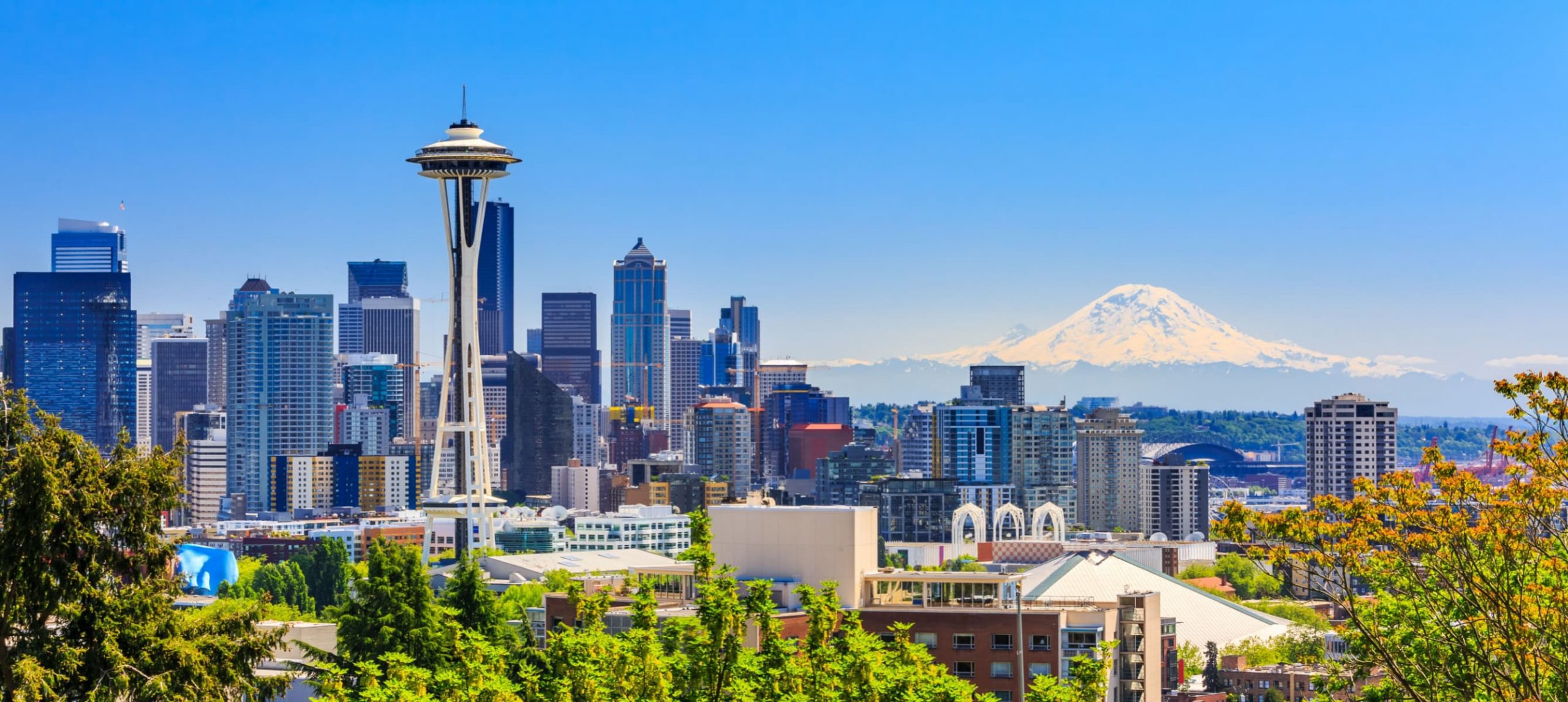
Understanding Seattle’s time zone is the foundational first step for any visitor. Located in the western United States, Seattle observes Pacific Standard Time (PST) during the winter months and Pacific Daylight Time (PDT) during the spring, summer, and fall. This means it is typically eight hours behind Coordinated Universal Time (UTC) as PST (UTC-8) and seven hours behind UTC as PDT (UTC-7). This seemingly simple fact has cascading implications for international travelers arriving from distant continents, domestic visitors crossing multiple time zones, and even locals planning their day. From managing jet lag and synchronizing with local business hours to optimizing your itinerary for peak experiences at various landmarks and attractions, being time-aware is paramount.
This comprehensive guide delves into all facets of “time in Seattle,” moving beyond a mere clock reading. We will explore how Seattle’s time zone influences everything from flight schedules and hotel check-ins to the best moments to explore its vibrant tourism scene, savor its culinary delights, and truly embrace its laid-back yet innovative lifestyle. Whether you’re a seasoned globetrotter or planning your first visit to the Pacific Northwest, mastering the clock in Seattle will unlock a more enjoyable, stress-free, and memorable journey.
Navigating Pacific Time: Your Gateway to Seattle
The cornerstone of any travel to Seattle is understanding its local time, a crucial element that impacts virtually every aspect of your trip. The distinction between Pacific Standard Time and Pacific Daylight Time is more than just an arbitrary change; it dictates everything from your body clock’s adjustment to the scheduling of major events and the availability of local services.
Understanding Pacific Standard Time (PST) and Pacific Daylight Time (PDT)
Seattle, like much of the western United States and parts of Canada and Mexico, observes the Pacific Time Zone. During the fall and winter months, specifically from the first Sunday in November to the second Sunday in March, the city operates on Pacific Standard Time (PST), which is UTC-8. This means it is eight hours behind Coordinated Universal Time. As spring approaches, typically on the second Sunday in March, Seattle springs forward one hour to Pacific Daylight Time (PDT), making it UTC-7. This shift provides an extra hour of daylight in the evenings, a much-cherished aspect of Pacific Northwest summers, allowing for longer outdoor activities and a brighter atmosphere well into the evening.
It’s essential for travelers to be aware of these transitions, especially if your trip spans a daylight saving time change. Modern smartphones and electronic devices typically adjust automatically, but it’s always wise to double-check, particularly for crucial appointments like flight departures, hotel check-ins, or pre-booked tours. Miscalculating this one-hour difference can lead to missed connections, late arrivals, or simply unnecessary stress at the start or end of your vacation.
The Immediate Impact on Your Arrival
The moment your plane touches down at Seattle-Tacoma International Airport, the time difference becomes your immediate reality. For those arriving from the East Coast of the United States or international destinations, jet lag can be a significant hurdle. A three-hour difference from the East Coast means your body clock might feel like it’s 3 PM when it’s only noon in Seattle, making the initial hours of your trip feel disorienting.
Managing jet lag effectively is crucial for a smooth transition. Hydration, avoiding caffeine and alcohol during your flight, and trying to adjust your sleep schedule to Seattle’s time zone a few days before departure can all help. Once you arrive, embrace the daylight, even if you feel tired, and try to stay awake until Seattle’s evening. Conversely, if arriving late, resist the urge to immediately explore; prioritize sleep to acclimate. Your first few hours in Seattle are critical for setting the pace for the rest of your trip, and understanding the time difference is the first step in making those initial moments as comfortable as possible.
Time-Sensitive Planning: Maximizing Your Seattle Experience
Beyond simply knowing the current hour, a strategic approach to time management is key to unlocking the full potential of your Seattle adventure. Every aspect of your itinerary, from visiting famous landmarks to securing the perfect accommodation and indulging in local cuisine, benefits from careful time-sensitive planning.
Orchestrating Your Itinerary: Attractions and Tours
Seattle’s most famous attractions, like the Space Needle, Pike Place Market, Museum of Pop Culture (MoPOP), and Chihuly Garden and Glass, each have optimal visiting times that can significantly enhance your experience. For instance, Pike Place Market comes alive in the mornings, with fishmongers tossing their wares and vendors setting up fresh produce, offering a truly authentic slice of Seattle life. Visiting too late in the afternoon might mean missing some of the lively action or finding the market overly crowded. Conversely, a visit to the Space Needle or Kerry Park around sunset offers breathtaking panoramic views of the city, Puget Sound, and Mount Rainier, but also means battling larger crowds vying for the best photo spots.
Many popular tours, such as boat cruises on Puget Sound or excursions to nearby natural wonders like Olympic National Park, operate on strict schedules. Booking these well in advance, and being punctual, is paramount. Even public transportation, like the Washington State Ferries, runs on timetables that can vary by season, weekend, and holiday. Integrating these schedules into your daily plan ensures you maximize your sightseeing without unnecessary waiting or missed opportunities. Consider purchasing timed-entry tickets online for major attractions to save valuable time queuing, allowing you more moments to explore.
Accommodation Logistics: Check-ins, Check-outs, and Comfort
Your choice of accommodation, whether it’s a luxurious suite, a family-friendly resort, a cozy apartment, or a lavish villa, is deeply intertwined with time management. Standard hotel check-in times are typically in the mid-afternoon (e.g., 3 PM or 4 PM PST/PDT), while check-out is usually around late morning (e.g., 11 AM or 12 PM PST/PDT). If your flight arrives early in the morning, you might face several hours before your room is ready. It’s worth contacting your chosen hotel, such as the Grand Hyatt Seattle or Four Seasons Hotel Seattle, in advance to inquire about early check-in options or luggage storage services. Many establishments are accommodating, especially for guests arriving from distant time zones, though early access isn’t always guaranteed without an extra fee.
Similarly, late departures can pose a challenge. If your flight is scheduled for the evening, an 11 AM check-out can leave you with hours to kill before heading to the airport. Inquire about late check-out availability, a day-use rate, or again, luggage storage. Hotels often provide amenities like fitness centers, business lounges, or dining options that remain accessible even after check-out, offering a comfortable space to relax before your departure. For travelers considering short-term apartment or villa rentals, understanding the host’s specific check-in and check-out policies is even more critical, as these can be less flexible than traditional hotels. Clear communication about your arrival and departure times is key to a smooth experience, ensuring your accommodation enhances, rather than complicates, your Seattle visit.
Culinary Adventures and Nightlife
Seattle’s culinary scene is as diverse as its landscape, offering everything from fresh seafood at the Waterfront to innovative farm-to-table restaurants in Belltown and vibrant eateries in Capitol Hill. To truly savor these experiences, timing is crucial. Popular restaurants, especially those known for their brunch, happy hour, or dinner service, can get incredibly busy. Making reservations well in advance, particularly for weekend evenings or establishments in prime locations like Downtown Seattle, is highly recommended. Many Seattle restaurants, like the Kimpton Palladian Hotel’s Pennyroyal, have specific hours for different menus, so check online before you go.
Happy hour, a beloved institution in Seattle, typically runs from mid-afternoon (e.g., 4 PM) to early evening (e.g., 6 PM). Arriving within this window can score you fantastic deals on appetizers and drinks, making it a budget-friendly way to sample local flavors. As evening progresses, Seattle’s nightlife unfolds with cozy dive bars, sophisticated cocktail lounges, and live music venues. These establishments also have varying opening and closing times. Plan your evenings, keeping in mind that weekdays might offer a more relaxed atmosphere, while weekends pulsate with energy until later hours. Being mindful of these timings ensures you can fully immerse yourself in Seattle’s gastronomic and entertainment offerings without disappointment.
Embracing Seattle’s Rhythm: Lifestyle and Local Culture
Understanding “the time” in Seattle extends beyond mere clock-watching; it involves recognizing and adapting to the city’s unique pace and how it intertwines with local culture and lifestyle. This holistic approach allows visitors to not just see Seattle, but to truly feel its pulse.
Adjusting to the Emerald City’s Pace
Seattle possesses a distinctive rhythm, often described as a blend of tech-driven efficiency and laid-back Pacific Northwest casualness. Mornings in the city often begin with a bustling coffee culture, with residents queuing at local cafes before heading to work. While traffic can be a factor during peak commute hours (typically 7-9 AM and 4-6 PM PST/PDT), the city’s extensive public transportation network and walkable neighborhoods offer alternatives. For travelers, understanding these peak times can help in planning journeys to attractions like the Museum of Pop Culture (MoPOP) or the University of Washington without getting stuck.
Afternoons often see a vibrant outdoor scene, with locals enjoying the numerous parks like Discovery Park or Gas Works Park, or exploring the shops and galleries. Evenings, especially during summer, are long and luminous, encouraging residents to linger outdoors, dine al fresco, or catch a late sunset over Puget Sound. Embracing this pace means allowing for flexibility in your schedule, perhaps enjoying an extended coffee break, taking a leisurely stroll, or simply soaking in the atmosphere rather than rushing from one attraction to the next. The Emerald City rewards those who take the time to appreciate its daily flow.
Seasonal Shifts and Time-Bound Events
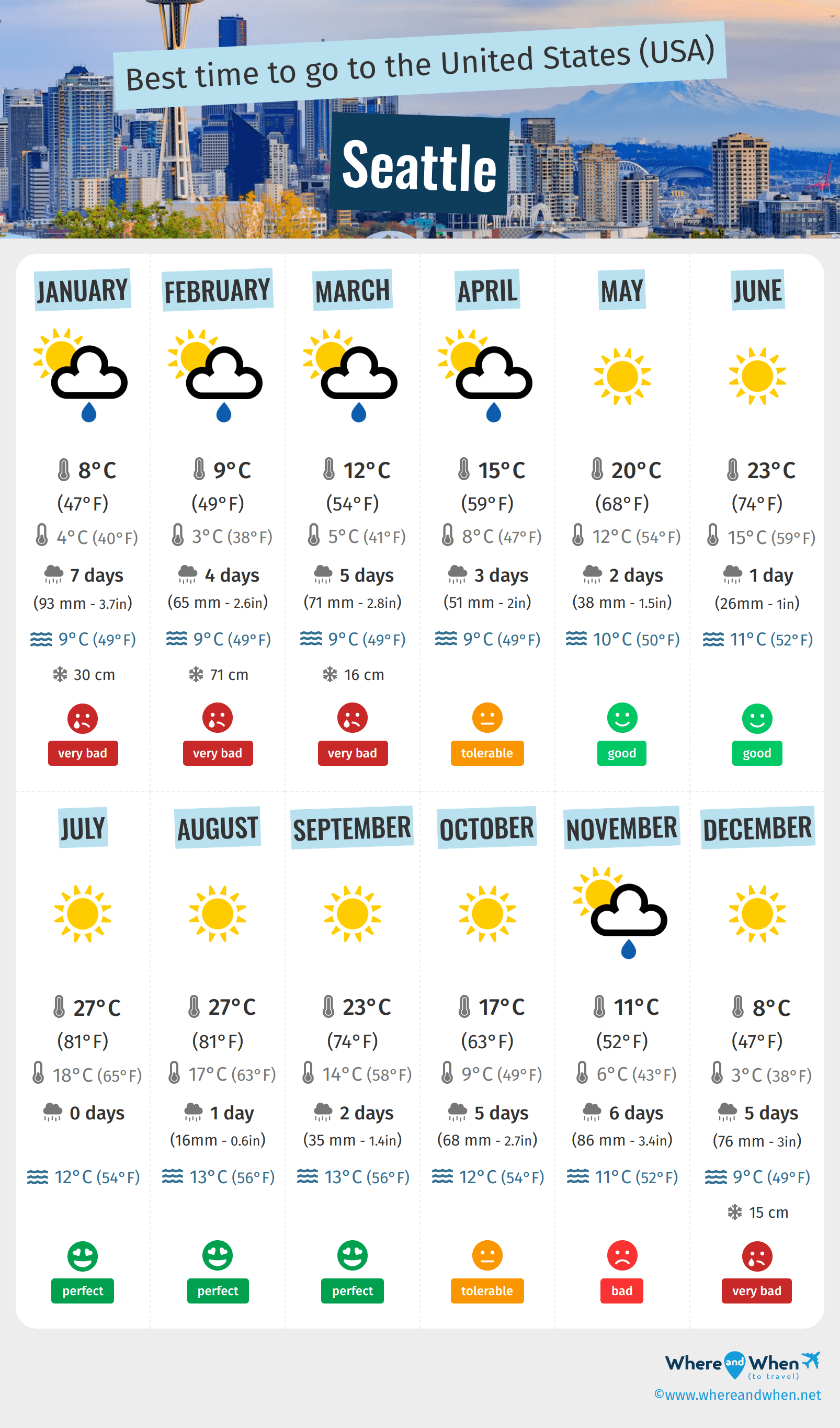
Seattle’s appeal shifts significantly with the seasons, each offering unique experiences tied to the time of year. Summer (June-September) brings long daylight hours, relatively warm temperatures, and a calendar packed with outdoor festivals, concerts, and farmers’ markets. This is often considered peak tourist season, meaning higher prices for accommodation and more crowded attractions. Many popular activities, like whale watching tours or trips to Mount Rainier, are best enjoyed during these months when the weather is most cooperative and daylight is abundant.
Autumn (October-November) offers a beautiful display of fall foliage and a slightly slower pace, with crisp air and fewer crowds. Winter (December-February) is characterized by shorter days, cooler temperatures, and the city’s renowned “rainy season,” though snow is less common in the city center. However, this time of year offers cozy indoor attractions like the Amazon Spheres, holiday markets, and fewer tourist lines. Spring (March-May) sees the city burst into bloom, with cherry blossoms at the University of Washington and increasingly longer, brighter days, signaling the return of outdoor life. Planning your visit according to the season allows you to align your expectations and activities with the city’s natural rhythms and specific time-bound events, whether it’s a summer music festival or a winter light display.
Beyond the Clock: Managing Jet Lag and Personal Well-being
While the numeric time is important, managing your personal “time” – your body’s internal clock – is paramount for a truly enjoyable travel experience, especially for those crossing multiple time zones. Jet lag can disrupt sleep, appetite, and energy levels, making it challenging to fully appreciate Seattle’s offerings. Beyond the initial adjustment tips, continuous attention to your well-being throughout your trip is beneficial.
Consider building in downtime, especially in the first couple of days. Don’t overschedule. Allow yourself leisurely mornings to enjoy your hotel’s amenities, perhaps a swim or a session at the gym. Take advantage of Seattle’s natural environment; a walk in Discovery Park or along the Waterfront can be surprisingly re-energizing. Focus on healthy eating and stay hydrated. For families traveling with children, maintaining some semblance of their regular sleep schedule, even with the time difference, can significantly ease the transition for everyone. Ultimately, integrating moments of relaxation and self-care into your itinerary ensures that you remain refreshed and open to all the wonderful experiences Seattle has to offer, rather than battling fatigue.
Essential Timekeeping Tips for a Seamless Seattle Visit
Ensuring your journey to Seattle is as smooth as possible involves not only an understanding of its time zone but also the practical application of smart timekeeping strategies. These tips can help mitigate common travel stresses and keep you perfectly synchronized with the Emerald City’s flow.
Practical Adjustments for Travelers
The simplest yet most crucial step is to adjust all your devices to Pacific Time immediately upon arrival. Most smartphones will do this automatically, but manually check your watch, tablet, and any other time-sensitive gadgets. This prevents confusion with appointment times and ensures you’re always operating on local time.
When planning activities, always factor in travel time between locations. Seattle’s traffic, while not as notorious as some larger cities, can still cause delays, especially during rush hour. Utilize mapping apps that provide real-time traffic updates to estimate travel durations accurately, whether you’re heading from Downtown Seattle to the Boeing Future of Flight or a restaurant in Capitol Hill.
For those needing to communicate with family or colleagues in different time zones, keep a world clock app handy. This helps you avoid calling loved ones in the middle of their night and ensures you schedule business calls at convenient times for all parties involved. Remember that a simple phone call home can suddenly become a late-night chat for your contacts if you forget the difference.
Lastly, be mindful of emergency services and local operating hours. While 911 operates 24/7, knowing when pharmacies, medical clinics, or specific government offices are open in Pacific Time can be important in unforeseen circumstances. Familiarize yourself with the general rhythm of the city’s services.
Leveraging Technology for Time Management
In today’s digital age, technology is your best friend for seamless time management while traveling. Here are a few ways to harness it:
- Smartphone Clock Settings: Beyond automatic time zone detection, many phones allow you to add multiple world clocks to your home screen or widget display. This lets you quickly glance at Seattle’s time alongside your home time, aiding in the transition and communication planning.
- Time Zone Converter Apps: For intricate planning or cross-timezone interactions, dedicated time zone converter apps can be invaluable. They help you quickly see the corresponding time in various locations, simplifying scheduling for virtual meetings or international calls.
- Online Booking Tools and Calendars: When booking hotels, tours, and restaurant reservations, confirm that the times displayed are indeed in Pacific Time. Utilize online calendars (like Google Calendar) and integrate your flight information, hotel reservations, and attraction bookings. Many platforms automatically adjust for time zones once you specify your location, but a manual check is always prudent. Set reminders for critical events, ensuring you receive alerts in Seattle’s local time.
- Travel Itinerary Apps: Apps like TripIt or WorldMate can consolidate all your travel details, including flight times, hotel check-in/check-out, and tour schedules, often displaying them in local time, which streamlines your daily planning.
By proactively managing time with these practical tips and technological aids, you can minimize potential stressors and dedicate your energy to enjoying the rich experiences that Seattle, Washington, has to offer. From navigating its vibrant attractions to savoring its unique lifestyle, a well-timed approach ensures your journey is nothing short of exceptional.
In conclusion, understanding “What is the time in Seattle, Washington?” extends far beyond a simple glance at a clock. It encompasses a comprehensive awareness of the Pacific Time Zone’s nuances, its direct impact on travel logistics, and how it shapes the rhythms of daily life and tourism in the Emerald City. By preparing for time zone changes, scheduling your activities strategically, and embracing Seattle’s unique pace, you can transform a good trip into an unforgettable one. From the moment you arrive and begin adjusting to the local clock, through every visit to an iconic landmark, every culinary delight, and every interaction with the local culture, being time-aware ensures that every moment of your Seattle adventure is optimized for discovery, relaxation, and pure enjoyment. So, set your watch, plan wisely, and prepare to immerse yourself fully in the timeless charm of Seattle.
LifeOutOfTheBox is a participant in the Amazon Services LLC Associates Program, an affiliate advertising program designed to provide a means for sites to earn advertising fees by advertising and linking to Amazon.com. Amazon, the Amazon logo, AmazonSupply, and the AmazonSupply logo are trademarks of Amazon.com, Inc. or its affiliates. As an Amazon Associate we earn affiliate commissions from qualifying purchases.