
Texas, the second-largest state in the United States by both area and population, is a colossal canvas offering an incredibly diverse range of travel experiences. From the cosmopolitan skylines of Dallas and Houston to the historic charm of San Antonio and the live music scene of Austin, the Lone Star State beckons millions of visitors each year. Travelers flock to its national parks like Big Bend National Park, explore iconic landmarks such as the Alamo or Space Center Houston, and unwind on the coastal beaches of Galveston and South Padre Island. For many, a trip to Texas embodies the spirit of freedom and wide-open spaces, a perception that often leads to questions about the state’s firearms laws, particularly regarding open carry.

For visitors planning their next Texas adventure, understanding the local regulations is paramount for a smooth and enjoyable trip. While gun ownership and carrying are deeply ingrained in the state’s culture and history, the laws governing these actions are specific and require careful consideration, especially for those who wish to open carry. This guide aims to clarify the nuances of open carry in Texas from a traveler’s perspective, helping you navigate accommodation choices, explore attractions, and immerse yourself in the local lifestyle responsibly and lawfully.
Understanding Texas’s Open Carry Laws for Travelers
Texas has undergone significant changes in its firearm laws in recent years, particularly with the implementation of Constitutional Carry. For any visitor considering bringing a firearm, knowing the foundational legal framework is the first crucial step.
Constitutional Carry vs. License to Carry (LTC)
As of September 1, 2021, Texas became a Constitutional Carry state. This means that most eligible citizens and legal residents aged 21 or older can carry a handgun in a public place, either openly or concealed, without needing a state-issued License to Carry (LTC). This legislative shift was a major development, aligning Texas with a growing number of states that recognize this right without a permit.
However, while Constitutional Carry simplifies the process for many, obtaining a Texas LTC still offers several advantages, especially for travelers. An LTC holder often has reciprocal carry privileges in other states that recognize the Texas license. Furthermore, an LTC provides legal protection and clarity, as it signifies that the holder has passed a background check and completed a firearm proficiency course. This can be beneficial in interactions with law enforcement and may offer additional legal defenses in certain situations. For non-residents, the ability to open carry under Constitutional Carry generally extends to individuals who are legally allowed to possess a firearm under federal law and the laws of their home state, provided they meet the age requirement and are not otherwise prohibited.
Who Can Open Carry in Texas?
The ability to open carry under Texas Constitutional Carry is not universal. Several criteria must be met:
- Age: The individual must be at least 21 years old. There are limited exceptions for certain active-duty military personnel.
- Legal Possession: The individual must be legally entitled to possess a firearm under both Texas and federal law. This means they cannot have prior felony convictions, certain misdemeanor convictions (like family violence), be subject to a protective order, or be a fugitive from justice.
- No Criminal History that Prohibits Possession: A history of certain violent misdemeanors or domestic assault can disqualify an individual from legally carrying a handgun, even without an LTC.
- Not Intoxicated: It is illegal to carry a handgun while intoxicated. This is a critical point for travelers who might be enjoying Texas’ vibrant nightlife or local wineries.
For travelers, particularly those from out-of-state, it is crucial to ensure they meet all these requirements. Ignorance of the law is not a defense, and misinterpretations can lead to serious legal consequences, potentially derailing an otherwise pleasant vacation. Always err on the side of caution and consult official legal resources if there’s any doubt about your eligibility.
Where Open Carry is Prohibited: Navigating Restricted Zones
While Texas embraces open carry, there are numerous locations where firearms are explicitly prohibited by law. These restrictions are critical for any traveler to understand, as violating them can lead to severe penalties, including fines, arrest, and even felony charges.
Common “No-Go” Zones for Firearms
Even with Constitutional Carry, the right to carry a firearm does not extend to all places. Here are some of the most common locations where open carry (and often concealed carry) is legally prohibited:
- Federal Buildings: This includes post offices, federal courthouses, TSA checkpoints at airports, and any other property owned or leased by the federal government. For example, if you’re visiting the Federal Building in Houston for a passport renewal, you cannot carry a firearm inside.
- Schools and Educational Institutions: Firearms are generally prohibited on the premises of schools (K-12) and institutions of higher education (colleges and universities), including school-sponsored events, unless specific exceptions apply (e.g., school marshals, campus police). This applies even if you’re simply dropping off or picking up children.
- Polling Places: It is illegal to carry a firearm at a polling place on election day or during early voting.
- Courthouses and Offices Used by a Court: This prohibition covers the building itself, including district attorney offices and clerk’s offices within a courthouse.
- Secure Areas of Airports: Beyond the TSA checkpoints, firearms are banned in the secured areas of airports, such as beyond security screening. While you can transport unloaded, cased firearms in checked luggage, carrying them openly in the terminal past security is strictly forbidden.
- Correctional Facilities: Jails, prisons, and other detention centers are absolute no-carry zones.
- Hospitals and Nursing Homes: Carrying a firearm is generally prohibited in hospitals and nursing homes, unless it’s a private psychiatric hospital that provides notice.
- Amusement Parks: Popular attractions like Six Flags Over Texas or Schlitterbahn typically prohibit firearms on their premises.
- Racetracks: Places where pari-mutuel wagering is conducted are also restricted.
- Sporting Events: Professional and collegiate sporting events, whether indoor or outdoor, typically prohibit firearms. This means you cannot open carry at a Dallas Cowboys game at AT&T Stadium or a Houston Rockets game at the Toyota Center.
- Bars (The “51% Rule”): This is a particularly important one for tourists enjoying Texas’ nightlife. It is illegal to carry a handgun in an establishment that derives 51% or more of its income from the sale of alcoholic beverages for on-premises consumption. These establishments are required to display a specific “51%” sign.
Travelers must be acutely aware of these restrictions. A quick check of venue policies online or a call ahead can save a lot of trouble.
Private Property Rights and Signage (30.06 & 30.07)
Beyond the state-mandated no-carry zones, private property owners in Texas have the right to prohibit firearms on their premises. This is enforced through specific signage, which is crucial for visitors to recognize.

- Texas Penal Code 30.06 Signage: This sign explicitly prohibits concealed carry of a handgun. The language and format are legally prescribed, often featuring white lettering on a contrasting background.
- Texas Penal Code 30.07 Signage: This sign explicitly prohibits open carry of a handgun. Like the 30.06 sign, its format is legally prescribed.
Many businesses will display both signs to prohibit all forms of handgun carry. It’s common to see these signs at restaurants, retail stores, hotels, and other private establishments. Even if a place isn’t on the state’s list of prohibited areas, a property owner’s valid 30.06 and/or 30.07 sign carries the force of law. Disregarding these signs constitutes a criminal trespass charge. As a responsible traveler, respecting private property rights and posted signage is non-negotiable. Always look for these signs, especially when entering commercial establishments or places of accommodation.
Practical Considerations for Visitors and Tourists
Integrating firearms into your travel plans in Texas requires more than just understanding the basic laws; it involves practical considerations for every aspect of your trip, from where you stay to what activities you pursue.
Open Carrying in Hotels, Resorts, and Rental Properties
When booking your accommodation in Texas, whether it’s a luxury resort, a budget hotel, or a private apartment through a rental platform, remember that these are often private properties.
While state law might permit open carry in public places, individual hotel chains or property owners can (and often do) have their own policies prohibiting firearms on their premises. Many hotels, especially larger chains, may post 30.06 and 30.07 signs at their entrances or have internal policies that restrict or forbid the presence of firearms, even if not explicitly posted. It’s always advisable to check with the hotel’s management or review their terms and conditions when making your reservation.
For those staying in short-term rentals like Airbnb or VRBO, the host’s rules are paramount. Some hosts may explicitly state their policies on firearms in their listing description, while others may not. If in doubt, contact the host directly before your arrival. Even if permitted, responsible storage of firearms is critical, especially if traveling with family or sharing common spaces. Secure gun safes, if available, or personal lock boxes, are highly recommended to prevent unauthorized access.
Exploring Texas’s Landmarks and Attractions
Texas is rich with historical sites, museums, state parks, and vibrant cultural districts. Each of these destinations may have its own set of rules regarding firearms.
For instance, while you can visit the exterior of the Texas State Capitol in Austin, carrying a firearm inside the building itself has specific restrictions. Similarly, major tourist draws like the San Antonio Riverwalk are public spaces, but many of the businesses, restaurants, and historical sites along it will be private property with their own policies. Museums, art galleries, concert venues, and theme parks almost invariably prohibit firearms, often with visible signage and security checks.
When planning your itinerary, research each specific attraction’s policy on firearms. Many venues provide this information on their websites. Failure to do so could lead to a wasted trip, as you might be turned away or asked to secure your firearm elsewhere, potentially delaying or even canceling your visit. The goal of any Texas trip is to enjoy the diverse experiences it offers, and proper planning ensures that your firearm doesn’t become an impediment.
Dining Out and Nightlife: The 51% Rule
Texas cuisine is legendary, from BBQ joints and Tex-Mex eateries to sophisticated fine dining. The state’s nightlife, especially in cities like Austin and Dallas, is equally renowned. However, a crucial legal distinction for firearm carriers is the “51% rule.”
As mentioned earlier, it is illegal to carry a handgun (openly or concealed) in any establishment that derives 51% or more of its income from the sale of alcoholic beverages for on-premises consumption. These places are typically bars, nightclubs, or pubs and are legally required to post a distinctive red sign with “51%” prominently displayed.
For travelers, this means exercising caution and observation when choosing where to eat or socialize. Many restaurants serve alcohol, but if their primary business is food, they are generally not subject to the 51% rule, though they might still post 30.06/30.07 signs as private property. Always be observant of signage, and if you are unsure about an establishment, it’s safer to secure your firearm elsewhere or choose a different venue. Combining alcohol consumption with firearm possession is strongly discouraged and can lead to immediate legal trouble.
Responsible Travel with Firearms in the Lone Star State
For visitors who choose to open carry in Texas, embracing the responsibility that comes with this right is paramount. It ensures not only your compliance with the law but also a respectful interaction with local communities and fellow travelers.
Tips for a Smooth and Lawful Trip
- Know Before You Go: Research Texas gun laws thoroughly, especially regarding open carry. Understand the difference between state law and private property rights.
- Check Venue Policies: Always verify the firearm policies of any specific attraction, restaurant, hotel, or event venue you plan to visit.
- Observe Signage: Pay close attention to 30.06, 30.07, and 51% signs. These are legally binding.
- Secure Storage: If you cannot carry your firearm into a particular location, ensure you have a secure and lawful method of storing it, such as in a locked container in your vehicle (not visible) or in a secure safe in your accommodation. Never leave a firearm unsecured, especially if traveling with children.
- Avoid Intoxication: It is illegal to carry a handgun while intoxicated. If you plan to consume alcohol, do so responsibly and ensure your firearm is secured and inaccessible.
- Maintain Awareness: When open carrying, be mindful of your surroundings and your firearm at all times. Accidental exposure or negligent handling can cause alarm and lead to unwanted attention or legal issues.
- Interactions with Law Enforcement: If approached by law enforcement while carrying, remain calm, keep your hands visible, and clearly state that you are carrying a firearm. Follow all instructions given by the officer. While Texas does not require you to inform an officer that you are carrying a handgun under Constitutional Carry, it is generally considered a good practice to do so during an official interaction. LTC holders are required to present their license and state they are carrying.
Embracing the Local Culture and Etiquette
Texas is renowned for its hospitality and a strong sense of community. While open carry is legal, it doesn’t mean it’s universally embraced or common in every setting. In many urban environments or family-friendly attractions, open carry might be less common and could potentially cause discomfort for others.
As a visitor, being aware of local sensitivities and exercising discretion is a sign of respect. The primary purpose of open carry laws in Texas is to protect the right of self-defense, not to make a political statement or create unease. Balancing your rights with common courtesy and an understanding of the diverse perspectives within Texas is key to a positive travel experience. This thoughtful approach contributes to a harmonious atmosphere for everyone enjoying the wonders of the Lone Star State, from its bustling cities to its serene natural landscapes.
Planning Your Texas Adventure
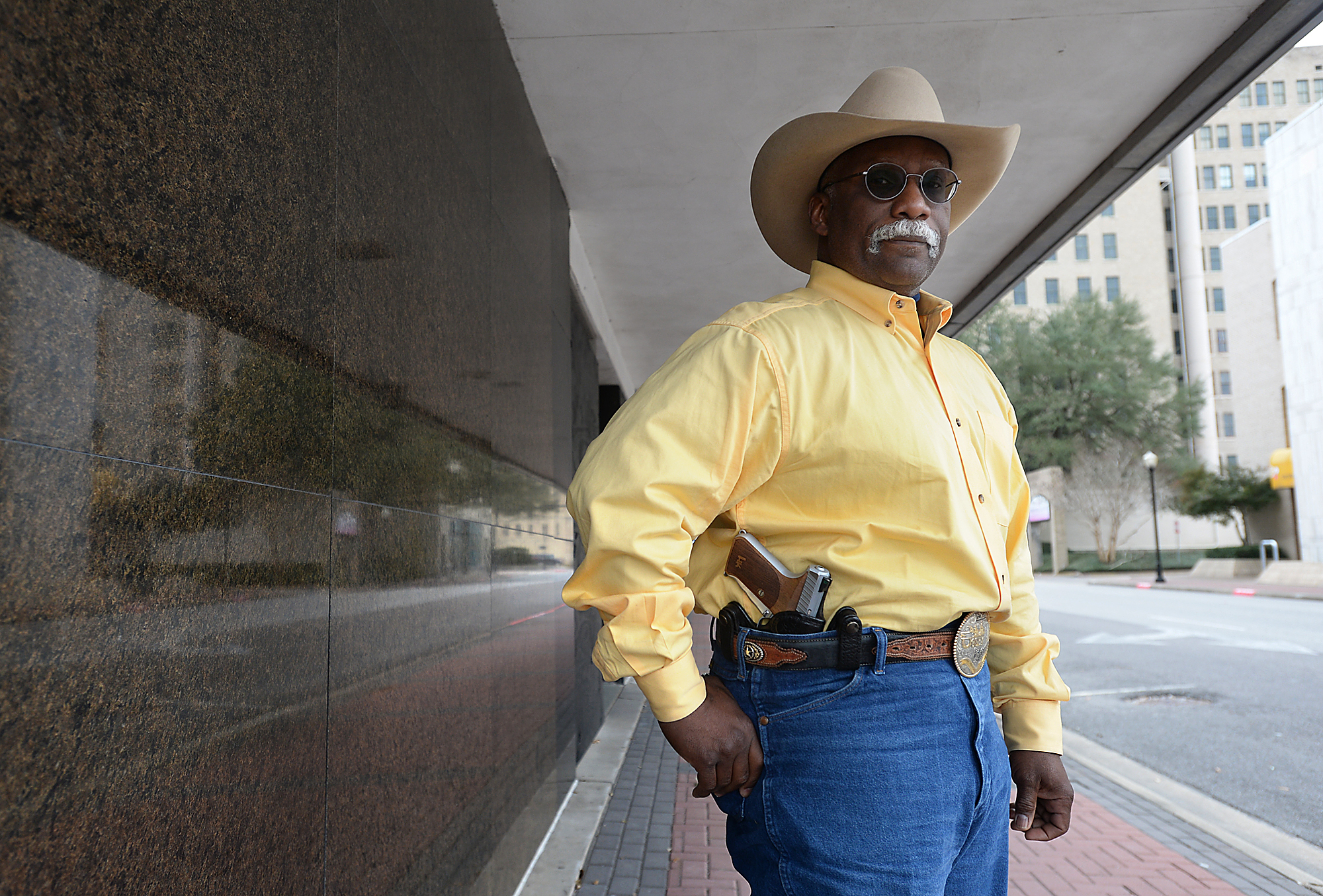
Navigating the laws surrounding open carry in Texas as a traveler is entirely manageable with adequate preparation and a commitment to responsibility. The state offers an unparalleled array of destinations and activities, from exploring the historic grounds of the Alamo to enjoying a Houston museum, or embarking on a scenic drive through the Hill Country. By understanding the legal landscape, respecting private property, and adhering to common-sense safety practices, you can ensure your Texas trip is both compliant with the law and filled with unforgettable experiences. Enjoy the freedom and unique charm of the Lone Star State responsibly!
LifeOutOfTheBox is a participant in the Amazon Services LLC Associates Program, an affiliate advertising program designed to provide a means for sites to earn advertising fees by advertising and linking to Amazon.com. Amazon, the Amazon logo, AmazonSupply, and the AmazonSupply logo are trademarks of Amazon.com, Inc. or its affiliates. As an Amazon Associate we earn affiliate commissions from qualifying purchases.