
Navigating the landscape of reproductive healthcare in Texas has become increasingly complex, compelling many residents to look beyond state lines for essential services. For those residing in the Lone Star State, understanding the current legal framework surrounding abortion and the logistical considerations for out-of-state travel is paramount. This comprehensive guide, framed through the lens of travel, accommodation, and lifestyle planning, aims to provide clarity and practical advice for individuals facing this challenging journey. We delve into potential destinations, transportation options, crucial accommodation choices, and resources designed to support those undertaking such a significant trip.

The Evolving Landscape of Reproductive Healthcare in Texas
The legal status of abortion in Texas has undergone significant changes, particularly since the overturning of Roe v. Wade. Currently, Texas maintains some of the most restrictive abortion laws in the United States. The state’s “trigger law” effectively bans most abortions from the moment of fertilization, with extremely narrow exceptions only to save the life of the pregnant individual. There are no exceptions for rape or incest. This stringent legal environment means that for the vast majority of Texas residents seeking abortion care, the only viable option is to travel to another state where such procedures are legally accessible.
This reality transforms a deeply personal healthcare decision into a logistical challenge, involving careful planning, financial considerations, and often, significant travel. Our focus here is not on the legal or ethical debate, but rather on empowering individuals with the practical information needed to navigate this specific form of medical tourism. Understanding these realities is the first step in planning a journey that prioritizes safety, privacy, and well-being.
The Immediate Implications for Texas Residents
For individuals in Texas requiring abortion services, the path forward almost invariably involves leaving the state. This necessitates:
- Identifying Out-of-State Clinics: Researching clinics in states with more permissive abortion laws, considering their specific requirements, waiting periods, and appointment availability.
- Logistical Planning: Arranging transportation, accommodation, and time off work or other responsibilities.
- Financial Preparation: Estimating costs for the procedure, travel, lodging, food, and potential lost wages.
- Support Systems: Coordinating with trusted companions or accessing support organizations that assist with travel and financial aid.
The decision to travel for healthcare is never taken lightly, and understanding the options available for destinations and the practicalities of the journey can alleviate some of the inherent stress.
Charting Your Course: Out-of-State Destinations and Travel Logistics
When contemplating travel for abortion care, selecting the right destination is crucial, balancing proximity, legal accessibility, and personal circumstances. States neighboring Texas that offer broader access often become primary targets, though some individuals may need to travel further depending on gestational age and specific clinic services.
Key Destination States for Texas Residents
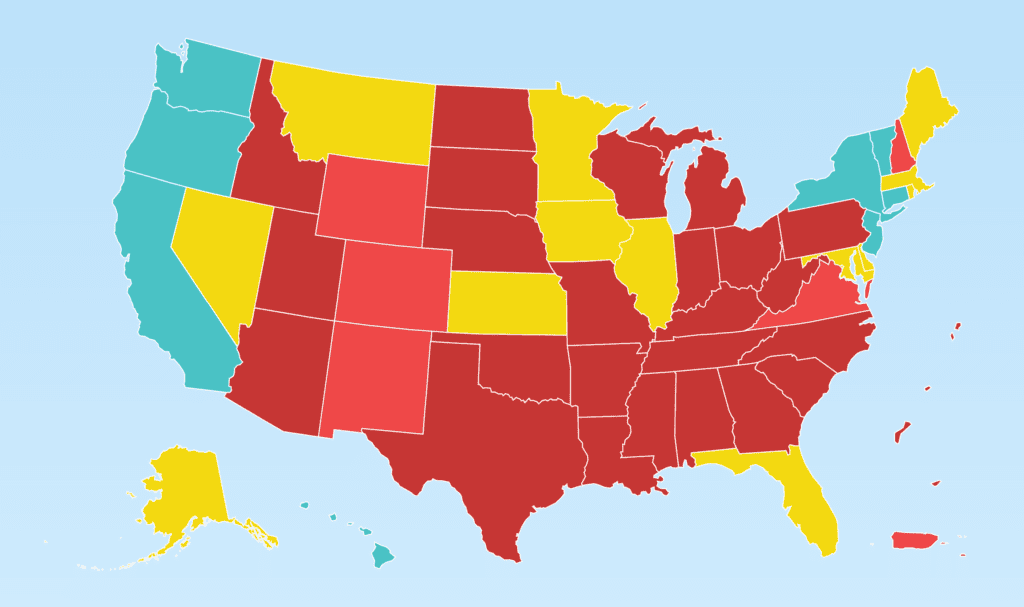
Several states have maintained more expansive abortion access post-Roe v. Wade, becoming common destinations for those traveling from Texas. These include:
- New Mexico: Often the closest option for residents in West Texas. Cities like Albuquerque and Santa Fe host clinics. New Mexico has some of the most protective abortion laws in the United States, with no significant state-level restrictions on access.
- Colorado: A popular choice, especially for those in North Texas, with Denver being a central hub for clinics. Colorado has proactively codified the right to abortion into state law, ensuring broad access.
- Kansas: While having some restrictions, Kansas has generally upheld abortion access through court decisions. The Kansas City metropolitan area, particularly clinics on the Kansas side, can be an option for those in northern and eastern Texas. However, it’s vital to check specific clinic rules and state laws closely, as they can be more nuanced than in New Mexico or Colorado.
- Illinois: Although further afield, Illinois has robust protections for abortion access. Chicago is a significant medical center, offering a wider range of services, especially for later gestational stages. This state might be considered for those needing more specialized care or who prioritize maximum legal security.
- California: As a state with some of the most comprehensive abortion protections, California is a sanctuary state for reproductive healthcare. While a considerable distance, cities like Los Angeles and San Francisco offer extensive resources and services, making it a destination for those who require late-term care or seek unparalleled legal certainty.
When selecting a destination, consider factors such as:
- Proximity: Driving distance versus flying time.
- Legality and Clinic Availability: Confirming current laws and clinic appointment wait times.
- Specific Services: Ensuring the chosen clinic offers the type of care needed (e.g., medication abortion versus procedural abortion, gestational limits).
- Travel Costs: Budgeting for gas, flights, and potential tolls.
Transportation Options: Getting There Comfortably and Safely
Choosing the right mode of transport is critical for a smooth and less stressful journey.
By Car: The Road Trip Aspect
For destinations like New Mexico, Colorado, or Kansas, driving is a common and often preferred option, offering greater privacy and control.
- Route Planning: Use GPS applications to plan the most efficient route. Consider potential traffic hotspots, especially around major cities like Dallas, Houston, or San Antonio.
- Car Maintenance: Ensure your vehicle is in good condition for a long drive. Check tires, oil, and fluid levels. If your vehicle isn’t reliable, consider renting a car from reputable companies like Enterprise or Hertz for peace of mind.
- Travel Companion: Driving with a trusted friend or family member can provide emotional support, share driving responsibilities, and assist with logistics.
- Breaks and Stops: Plan for regular breaks, especially if traveling a significant distance. Identify safe, discreet rest areas or small towns for fuel and meals.
- Overnight Stays: For longer drives, plan an overnight stop. This reduces fatigue and enhances safety. Look for hotels with good reviews and convenient access from major highways.
By Air: Expedited Travel
For destinations further away, such as Illinois or California, flying is often the most practical choice, significantly reducing travel time.
- Booking Flights: Book flights in advance through major airlines like Southwest Airlines, American Airlines, United Airlines, or Delta Air Lines. Compare prices on booking sites like Expedia or Google Flights to find the best deals. Direct flights are preferable to minimize stress.
- Airport Logistics: Arrive at the airport with ample time for security checks. Consider the cost and logistics of airport parking or rideshares to and from the airport.
- Packing Light: Pack only essentials in a carry-on to avoid checked baggage fees and potential delays.
- Privacy: Opt for discreet travel attire and avoid discussing your travel purpose openly.
Other Options: Bus and Train
While less common for long distances, bus services like Greyhound or train services like Amtrak can be more budget-friendly options, though they typically involve longer travel times and less privacy. These might be suitable for shorter distances or for individuals without access to a car or flights.
Accommodation and Comfort: Your Home Away From Home

Finding suitable accommodation is a cornerstone of a well-planned trip, particularly when seeking medical care away from home. The right lodging can provide comfort, privacy, and convenience during a potentially stressful time.
Choosing the Right Hotel or Stay
You will likely need to stay overnight, possibly for several nights, depending on clinic requirements (e.g., mandatory waiting periods, multiple appointments, or recovery time). Consider hotels that offer comfort, privacy, and convenient access to the clinic and essential amenities.
- Chain Hotels for Consistency: Brands like Holiday Inn Express, Comfort Inn, Hampton Inn by Hilton Worldwide, or Best Western offer reliable quality, amenities, and often include complimentary breakfast. These are generally a safe bet for a predictable and comfortable experience.
- Extended-Stay Hotels for Longer Visits: If your trip requires multiple appointments or an extended recovery period, consider hotels designed for longer stays. Brands such as Homewood Suites by Hilton, Residence Inn by Marriott (part of Marriott International), or Extended Stay America offer suites with kitchenettes, living areas, and laundry facilities, providing a more home-like environment. This can be beneficial for managing meals and personal care.
- Boutique Hotels for Added Comfort: In some cities, boutique hotels might offer a more private and luxurious experience, providing a serene environment for rest and recovery. However, these often come at a higher price point.
- Budget Accommodation: Motels or guesthouses can be more economical options. If choosing this route, thoroughly check recent reviews on platforms like Booking.com or Expedia to ensure cleanliness, safety, and discreet service.
- Vacation Rentals (Airbnb, VRBO): For maximum privacy, especially if traveling with a companion or seeking a less hotel-like atmosphere, short-term rentals through platforms like Airbnb or VRBO can be excellent. Look for entire homes or private rooms with dedicated entrances. However, be mindful of host cancellation policies and potential issues if a booking falls through.
Essential Amenities and Booking Tips
When booking accommodation, prioritize amenities that contribute to comfort and convenience during a potentially challenging time:
- Proximity to Clinic: The closer your hotel is to the clinic, the less travel stress you will experience on appointment days.
- Privacy and Discretion: Look for hotels that offer self-check-in options, or those located in quieter areas. Avoid properties that seem overly busy or public.
- In-Room Comforts: Free Wi-Fi, a comfortable bed, a quiet room (request a room away from elevators or street noise), and blackout curtains can significantly improve your stay.
- On-site Dining or Nearby Restaurants: Easy access to food and beverages, especially after a medical procedure, is vital. Many hotels offer room service, or you can use food delivery services.
- Pharmacy Access: Proximity to a pharmacy for any necessary medications or comfort items.
- Cancellation Policies: Opt for flexible booking options with free cancellation, as plans may need to change unexpectedly.
When booking online, consider using an alias or a payment method that does not directly link back to your personal identity if privacy is a significant concern. However, always ensure your booking details are accurate enough for seamless check-in. Reading recent reviews regarding cleanliness, quietness, and customer service is always recommended.
Beyond the Basics: Support, Costs, and Lifestyle Considerations
A trip for out-of-state abortion care extends beyond just travel and lodging; it involves significant financial planning, emotional resilience, and potentially, brief moments of respite through local exploration.
Financial Planning: Mitigating the Costs
The cumulative cost of an out-of-state abortion can be substantial, encompassing the procedure itself, transportation, accommodation, food, and potential lost wages.
- Procedure Costs: These vary significantly based on gestational age, clinic, and state. Inquire directly with the chosen clinic about their fees.
- Travel Expenses: Factor in gas, tolls, car rental, flight tickets, or bus fares.
- Accommodation: Budget for at least one to two nights, potentially more.
- Food and Incidentals: Account for meals, snacks, and any personal care items.
- Lost Wages: If taking time off work, consider the financial impact.
Financial Assistance and Support Organizations: Numerous organizations exist to help alleviate these burdens:
- National Abortion Federation Hotline (NAF): Provides a toll-free hotline for clinic referrals and financial assistance to cover the cost of abortion and related travel expenses.
- Local Abortion Funds: Many states and cities have independent abortion funds that offer direct financial aid, sometimes specifically for travel. Research funds associated with your destination state or funds that specifically help Texas residents travel. Organizations like the Lilith Fund, while based in Texas, often assist residents with out-of-state care.
- Planned Parenthood: A national provider of reproductive healthcare, Planned Parenthood clinics in destination states can offer care and sometimes guidance on financial aid.
Contacting these organizations early in your planning process is highly recommended, as funds and assistance can be limited.
Emotional Well-being and Support Systems
Traveling for medical care, especially under such sensitive circumstances, can be emotionally taxing. Prioritizing self-care and leveraging support systems is vital.
- Trusted Companions: Traveling with a supportive partner, friend, or family member can provide immense emotional and practical assistance. They can help with driving, navigating, advocating at the clinic, and offering comfort.
- Self-Care Strategies: Even small gestures can make a difference. Pack comfort items, listen to calming music, or engage in light reading. After your appointment, allow yourself time to rest and recover. Avoid strenuous activities.
- Mental Health Resources: If you anticipate or experience significant emotional distress, consider reaching out to a mental health professional or utilizing online support groups. Organizations like the All-Options Talkline provide judgment-free emotional support.
Moments of Respite: Integrating Local Tourism (Optional)
While the primary purpose of your trip is medical care, if time, energy, and emotional capacity permit, brief, low-key exploration of your destination can offer a welcome distraction or a moment of peace. This integrates the “tourism” and “lifestyle” aspects of travel, albeit in a subdued manner.
- Nature and Green Spaces: Seek out local parks, botanical gardens, or quiet natural areas. For instance, in Albuquerque, a quiet stroll near the Rio Grande Botanic Garden can be calming. In Denver, the serene beauty of the Denver Botanic Gardens offers a peaceful escape.
- Historic Districts: Gentle walks through historic districts can provide a sense of place without requiring extensive physical exertion. Old Town Albuquerque offers quaint shops and restaurants, while the 16th Street Mall in Denver provides an easy pedestrian environment. In Kansas City, the Country Club Plaza is known for its beautiful architecture and fountains.
- Comfort Food and Local Delights: Enjoying a comforting meal at a local restaurant or grabbing a take-out from a highly-rated eatery can be a small but meaningful way to engage with your surroundings. Research local cuisines or cozy cafes beforehand.
- Minimalist Exploration: Avoid high-energy tourist attractions like theme parks or crowded museums. Instead, consider landmarks that offer quiet contemplation, such as a scenic viewpoint like the Sandia Peak Tramway (if you feel up to it) or a less-frequented art gallery. Even finding a quiet coffee shop to sit and reflect can be beneficial.
These optional activities are about providing gentle comfort and a sense of normalcy, not about traditional sightseeing. The focus remains on your well-being.
Concluding Thoughts: Empowering Your Journey
While the legal landscape in Texas presents significant challenges for accessing abortion care, the possibility of obtaining necessary services out of state remains. This journey, while demanding, can be made more manageable with meticulous planning and access to reliable information and support. By understanding your options for destination states, streamlining your travel logistics, securing comfortable and private accommodation, and proactively addressing financial and emotional needs, you can navigate this process with greater confidence and care. Remember that seeking care is a valid and personal decision, and there are resources and communities dedicated to supporting you every step of the way. Prioritizing your health, safety, and well-being should be the guiding principle for every aspect of this challenging but ultimately empowering journey.
LifeOutOfTheBox is a participant in the Amazon Services LLC Associates Program, an affiliate advertising program designed to provide a means for sites to earn advertising fees by advertising and linking to Amazon.com. Amazon, the Amazon logo, AmazonSupply, and the AmazonSupply logo are trademarks of Amazon.com, Inc. or its affiliates. As an Amazon Associate we earn affiliate commissions from qualifying purchases.