
The allure of the wild is undeniable, often prompting curious minds to ponder the possibility of bringing a piece of nature into their homes. Among the charismatic creatures that capture human imagination, the raccoon stands out with its masked face, clever paws, and mischievous reputation. For residents and visitors alike contemplating a move to the Lone Star State, or simply fascinated by its diverse wildlife, the question often arises: “Can you own a raccoon in Texas?” While the idea of a pet raccoon might seem enchanting, the reality is far more complex, weaving together intricate legal frameworks, ethical considerations, and significant lifestyle adjustments.

Texas is a land of vast open spaces, vibrant cities, and incredible natural beauty, making it a popular destination for all forms of tourism, from exploring its iconic landmarks to indulging in its rich local culture. This environment naturally brings humans into frequent contact with a variety of wildlife, including the ubiquitous raccoon. Our exploration into raccoon ownership in Texas delves not only into the regulations but also the profound implications for an individual’s lifestyle, potential travel plans, and the overall well-being of both the animal and its human companion. It’s a journey that touches upon responsible pet ownership, ethical wildlife interactions, and the careful balance between human desires and the needs of the natural world, all while considering the practicalities of accommodation and the broader tourism landscape.
The Legal Landscape: Texas and Exotic Pet Ownership
Understanding the legalities surrounding exotic pet ownership in Texas is the first and most critical step for anyone considering a raccoon. Unlike domesticated animals such as dogs or cats, raccoons are classified as non-native or exotic animals, subject to a distinct set of regulations at both state and local levels. The framework is designed to protect public safety, prevent the spread of disease, and safeguard the welfare of the animals themselves. Navigating these rules requires careful attention to detail, as non-compliance can lead to hefty fines, confiscation of the animal, and even criminal charges. The implications extend beyond just the initial acquisition; they affect every aspect of ownership, from veterinary care to potential travel within the state.
Understanding State and Local Regulations
At the state level, the Texas Parks and Wildlife Department (TPWD) is the primary authority governing wildlife. While the TPWD doesn’t explicitly prohibit the ownership of raccoons statewide, it categorizes them as “Class C” animals under its exotic species regulations. This classification means that while private ownership is not universally banned, it often comes with significant stipulations. For Class C animals, a permit is generally required, and owners must adhere to specific caging, care, and handling standards designed to prevent escapes and ensure the animal’s welfare. These regulations are not arbitrary; they stem from a deep understanding of the potential risks associated with keeping wild animals in captivity, including their capacity for disease transmission and unpredictable behavior.
Beyond state mandates, individual counties and municipalities in Texas often impose their own, stricter ordinances regarding exotic pets. What might be permissible in a rural area could be outright forbidden in a bustling city like Houston, Dallas, Austin, or San Antonio. For instance, many urban areas have ordinances that prohibit the ownership of any wild animal deemed dangerous or a public nuisance. Before even considering acquiring a raccoon, prospective owners must diligently research the specific regulations in their county and city of residence. This involves contacting local animal control, city planning departments, and health departments. The patchwork of laws means that a permit issued by the state might not be sufficient if local regulations are more restrictive, creating a complex legal maze that can be daunting for the uninitiated. This layered regulatory environment directly impacts a lifestyle choice, dictating where one can live and potentially limiting mobility if an exotic pet is part of the household.
Permits, Prohibitions, and the Pet Raccoon Dilemma
The “pet raccoon dilemma” highlights the fundamental conflict between the animal’s wild nature and the human desire for companionship. Even when legal, owning a raccoon is rarely straightforward. To obtain a permit from the Texas Parks and Wildlife Department, applicants typically need to demonstrate adequate knowledge of the species, possess suitable enclosures, and often have a contingency plan for veterinary care. These requirements are extensive because raccoons are not easily domesticated; they retain their wild instincts, which can manifest as destructive behavior, aggression, or an urge to escape.
One of the most significant concerns for public health is rabies. Raccoons are a primary carrier of the rabies virus, and while a vaccine exists for raccoons, its efficacy and legal status for domesticated raccoons can vary. This health risk is a major reason why many local jurisdictions prohibit raccoon ownership. Furthermore, the practice of breeding raccoons in captivity can raise ethical questions, particularly regarding the welfare of animals kept in environments that cannot fully replicate their natural habitat. There’s also the risk of hybridization if captive raccoons escape and breed with wild populations, potentially altering genetic diversity. Therefore, the decision to own a raccoon is not just about personal preference; it carries a broader responsibility to public health, animal welfare, and the preservation of native wildlife populations. These considerations extend to any travel or tourism activities, as transporting such an animal across county lines could unwittingly introduce issues if local laws differ.
The Reality of Raccoon Ownership: More Than Just a Cute Face
Beyond the legal hurdles, the practicalities of owning a raccoon are incredibly demanding, far exceeding the commitment required for conventional pets. Many individuals are drawn to raccoons by their adorable appearance and clever antics seen in videos, but fail to grasp the profound challenges that come with housing a wild animal. This section delves into the daily realities, behavioral traits, and long-term implications for an owner’s lifestyle, including their ability to travel or explore the broader tourism offerings of Texas. It’s a commitment that demands not just financial resources, but immense patience, specialized knowledge, and a willingness to adapt one’s entire life to the needs of a creature that will never truly be “tame.”
The Challenges of Domestication
Raccoons, by their very nature, are wild animals. Despite being raised by humans from a young age, they retain strong instincts that are incompatible with a typical domestic setting. Their natural curiosity and dexterity, while charming, translate into destructive behavior indoors. They are known to open cabinets, dismantle household appliances, and explore every nook and cranny with their agile paws, often causing significant damage. Furthermore, raccoons are nocturnal, meaning their most active and potentially disruptive periods occur when humans typically sleep. This can lead to chronic sleep deprivation for owners and a constant battle to secure belongings.
Health risks are another critical concern. Raccoons require specialized veterinary care, and finding a veterinarian experienced in treating exotic animals can be challenging and expensive. They are susceptible to diseases common to wildlife, and their immune systems may not be equipped for a domestic environment. Furthermore, their powerful jaws and sharp claws, used for foraging and self-defense in the wild, can inflict serious injuries on humans, especially when startled or feeling threatened. Even a seemingly playful nip can escalate quickly, making them unsuitable pets for households with small children or other vulnerable individuals. This inherent wildness means that the “lifestyle” of a raccoon owner is one of constant vigilance and adaptation.
Lifestyle and Commitment: Is a Raccoon Right for Your Home?
Owning a raccoon fundamentally reshapes an individual’s lifestyle. It requires substantial space—far more than a typical backyard—often necessitating custom-built, secure outdoor enclosures that can withstand their ingenuity and strength. Their diet is omnivorous and complex, requiring a balanced mix of fruits, vegetables, proteins, and specialized supplements, which can be costly and time-consuming to prepare. The long-term commitment is also immense; raccoons can live for 10-15 years in captivity, representing a multi-decade responsibility.

From a travel and accommodation perspective, a pet raccoon presents insurmountable challenges. Most hotels, resorts, and vacation rentals, even those advertised as “pet-friendly,” strictly prohibit exotic animals for reasons of safety, hygiene, and liability. Traveling with a raccoon, whether for leisure or business, is therefore practically impossible. This means that if you own a raccoon, your travel plans will be severely limited, often requiring you to stay home or arrange for highly specialized and expensive pet-sitting services. The dream of exploring Texas’s famous landmarks or enjoying its diverse tourism offerings would be largely incompatible with the realities of raccoon ownership. The decision to bring a raccoon into your home is thus a decision to embrace a very particular, often isolating, lifestyle that foregoes many common amenities and experiences.
Alternative Wildlife Encounters: Respecting Texas’s Natural Heritage
Given the complexities and challenges of owning a raccoon, a more responsible and rewarding approach to appreciating these fascinating creatures—and wildlife in general—is through ethical observation and engagement with Texas’s rich natural heritage. The state offers an abundance of opportunities to encounter raccoons and other native species in their natural habitats, providing authentic experiences without the ethical dilemmas or practical difficulties of private ownership. This approach aligns perfectly with sustainable tourism practices and supports conservation efforts, contributing positively to the state’s vibrant tourism sector.
Exploring Texas’s Wildlife Destinations
Texas boasts an impressive network of state parks, national parks, and wildlife refuges where raccoons thrive. These protected areas serve as vital ecosystems where visitors can observe raccoons foraging, playing, and interacting within their natural environment, often unnoticed or from a respectful distance. For example, Big Bend National Park, with its vast desert landscapes and mountain ranges, is home to diverse wildlife, including raccoons adapted to its unique conditions. Similarly, Padre Island National Seashore offers coastal habitats where raccoons can be seen along the shoreline, particularly at dusk. Inland, parks like Brazos Bend State Park near Houston or Lost Maples State Natural Area provide lush environments where raccoons are common.
These destinations offer not just opportunities for wildlife viewing but also a chance to engage with Texas’s broader natural beauty and history. They are perfect for family trips, hiking adventures, or simply a tranquil escape into nature. Many parks offer educational programs, guided tours, and well-maintained accommodation options, from campsites to cabins, making them ideal for a range of travel styles. Additionally, visiting reputable wildlife centers and zoos, such as the Dallas World Aquarium or the Houston Zoo, provides controlled environments where one can learn about raccoons and other exotic species from experts, supporting conservation efforts through admission fees. These experiences fulfill the desire for connection with wildlife in a manner that is both responsible and enriching.
Ethical Wildlife Tourism and Observation
Engaging in ethical wildlife tourism means observing animals without disturbing them or their habitat. This involves maintaining a safe distance, refraining from feeding wild animals (which can alter their natural behaviors and health), and minimizing noise and disruption. Many parks and reserves provide specific guidelines for wildlife viewing to ensure both visitor safety and animal welfare. Responsible tourists understand that their presence in these natural spaces is a privilege, and they act as temporary guests.
Beyond direct observation, ethical wildlife tourism also encompasses supporting local conservation initiatives and businesses that promote sustainable practices. When planning trips to wildlife destinations in Texas, travelers can choose eco-friendly accommodations, participate in volunteer programs, or purchase goods and services from local communities committed to conservation. This approach allows visitors to immerse themselves in the local culture, explore unique landmarks like the San Antonio Riverwalk while being mindful of their environmental footprint, and contribute to the long-term health of Texas’s ecosystems. It embodies a lifestyle choice that values preservation over possession, offering deep and meaningful connections with the wild without compromising its integrity.
Traveling with Pets in Texas: A Broader Perspective
While the focus has been on raccoons, the broader topic of traveling with pets in Texas is pertinent to anyone considering an animal companion for their lifestyle. The state, recognizing the growing trend of pet ownership, has seen an increase in pet-friendly amenities, from hotels to attractions. However, the definition of “pet” in this context almost universally refers to domesticated animals like dogs and cats, drawing a clear line that exotic animals rarely, if ever, cross. Understanding these distinctions is crucial for seamless travel and enjoyable experiences for both owners and their companions.
Finding Pet-Friendly Stays
For those traveling with conventional pets, Texas offers a burgeoning market of pet-friendly accommodations. Many hotels, ranging from budget-friendly motels to luxury resorts, now welcome dogs and cats, often providing special amenities like pet beds, bowls, and even designated play areas. Websites and booking platforms specifically cater to finding these pet-friendly suites, apartments, and villas, making it easier than ever to plan family trips that include furry members. From exploring the vibrant cultural scene of Austin to hiking trails in the Hill Country, pet owners can find suitable lodging and activities.
However, it is essential to emphasize that these accommodations invariably have strict policies regarding the type and size of pets allowed. Exotic animals, especially those with perceived risks like raccoons, are almost always excluded due to insurance liabilities, potential damage to property, health concerns, and the comfort of other guests. This means that for exotic pet owners, the options for accommodation while traveling essentially vanish, reinforcing the idea that such a lifestyle inherently limits one’s ability to participate in typical tourism and travel experiences.
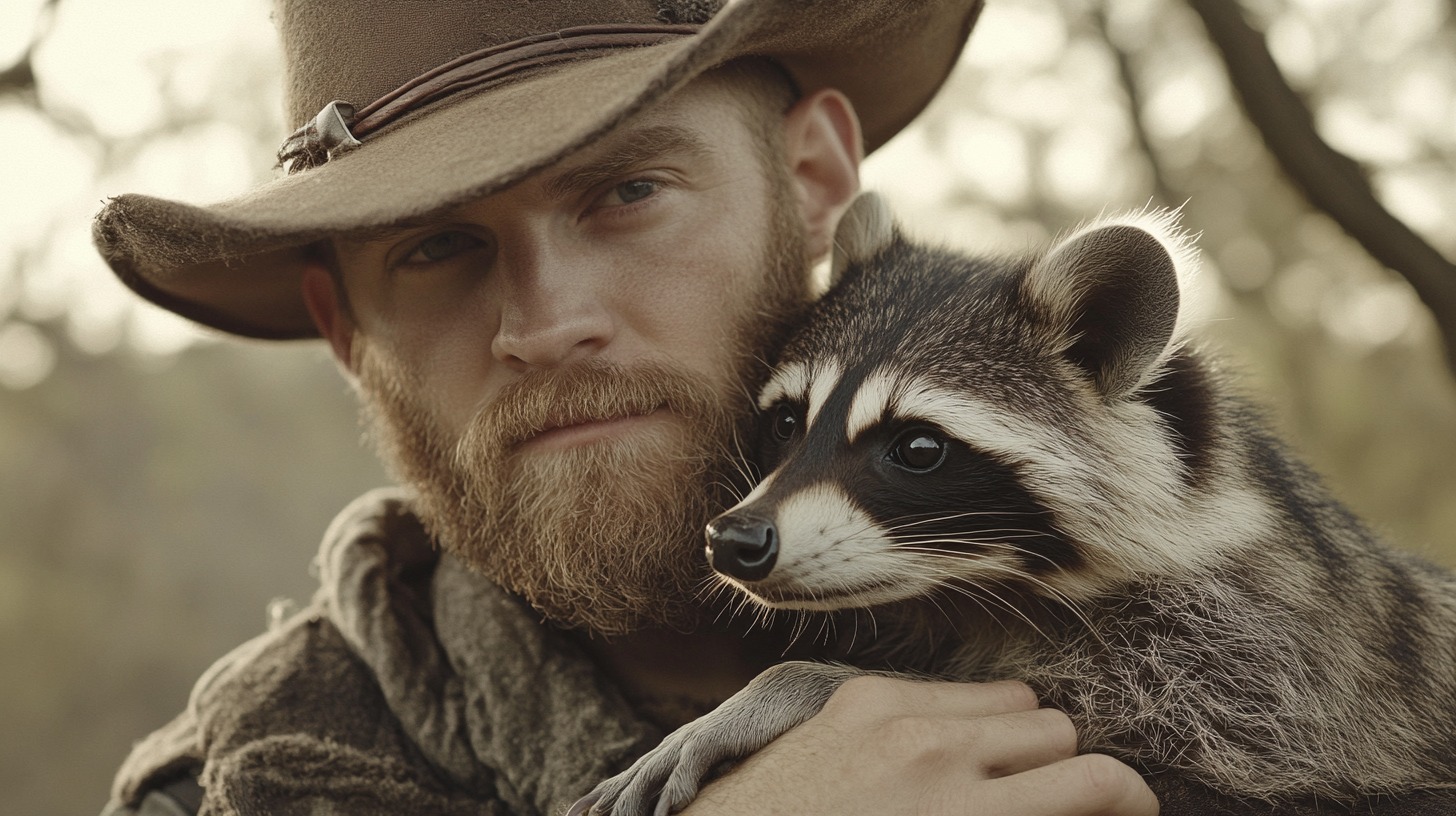
The Impact on Your Travel Lifestyle
The decision to own an exotic pet, therefore, carries significant implications for one’s travel lifestyle. For most people, travel is an integral part of their lifestyle, whether for relaxation, exploring new destinations, or connecting with local culture. Owning a raccoon or similar exotic animal means making a profound sacrifice in this area. Spontaneous weekend getaways, long-term stays in different cities, or even short trips to nearby attractions become logistical nightmares, if not entirely impossible.
The costs associated with specialized pet sitting or boarding for exotic animals are typically exorbitant, and finding facilities willing and able to care for a raccoon is a rare feat. This restricts owners to their homes, or to a very limited radius of travel where they can arrange for family or close friends with specialized knowledge to care for their pet. In essence, the exotic pet owner’s lifestyle becomes tethered to their residence, making it challenging to partake in the diverse travel, tourism, and accommodation experiences that Texas so richly offers. It forces a fundamental reconsideration of priorities, where the commitment to an exotic animal takes precedence over personal mobility and leisure travel.
In conclusion, while the idea of owning a raccoon in Texas might spark a sense of adventure, the reality is a labyrinth of legal complexities, profound ethical responsibilities, and significant lifestyle compromises. From navigating the nuanced regulations of the Texas Parks and Wildlife Department and local ordinances to confronting the challenges of domestication and the impact on personal travel, the journey of a raccoon owner is arduous and restrictive. Rather than attempting to tame the wild, a more fulfilling and responsible approach lies in appreciating Texas’s incredible natural heritage through ethical wildlife tourism. By exploring its state parks, national seashores, and reputable wildlife centers, we can connect with raccoons and other fascinating creatures in a way that respects their wild nature and supports their conservation, allowing us to maintain a lifestyle that embraces the boundless opportunities for travel and discovery that the Lone Star State has to offer. The question, then, isn’t just “Can you own a raccoon in Texas?”, but “Should you, and what are you willing to sacrifice?”
LifeOutOfTheBox is a participant in the Amazon Services LLC Associates Program, an affiliate advertising program designed to provide a means for sites to earn advertising fees by advertising and linking to Amazon.com. Amazon, the Amazon logo, AmazonSupply, and the AmazonSupply logo are trademarks of Amazon.com, Inc. or its affiliates. As an Amazon Associate we earn affiliate commissions from qualifying purchases.