
The very idea of encountering an alligator often conjures images of the dense swamps of the Florida Everglades or the bayous of Louisiana. Yet, travelers seeking unique wildlife experiences might be surprised to learn that the vast and diverse landscapes of Texas are also home to a significant population of these ancient reptiles. Indeed, the answer is a resounding yes: Texas proudly hosts American alligators, a fascinating and integral part of its natural ecosystem, particularly in the eastern and coastal regions of the state.
For anyone planning a trip to the Lone Star State, discovering the presence of alligators adds an exhilarating dimension to their travel itinerary. It transforms a typical sightseeing tour into a potential wildlife safari, offering a chance to witness these formidable creatures in their natural habitat. This guide delves into where to find them, how to interact with them safely, and how to weave an alligator-spotting adventure into a memorable Texas vacation, catering to those interested in travel, nature, and responsible tourism. From sprawling national preserves to serene state parks, Texas provides ample opportunities for responsible alligator observation, promising an unforgettable experience for nature enthusiasts and curious visitors alike.
The Alligator’s Domain: Where to Find Them in Texas
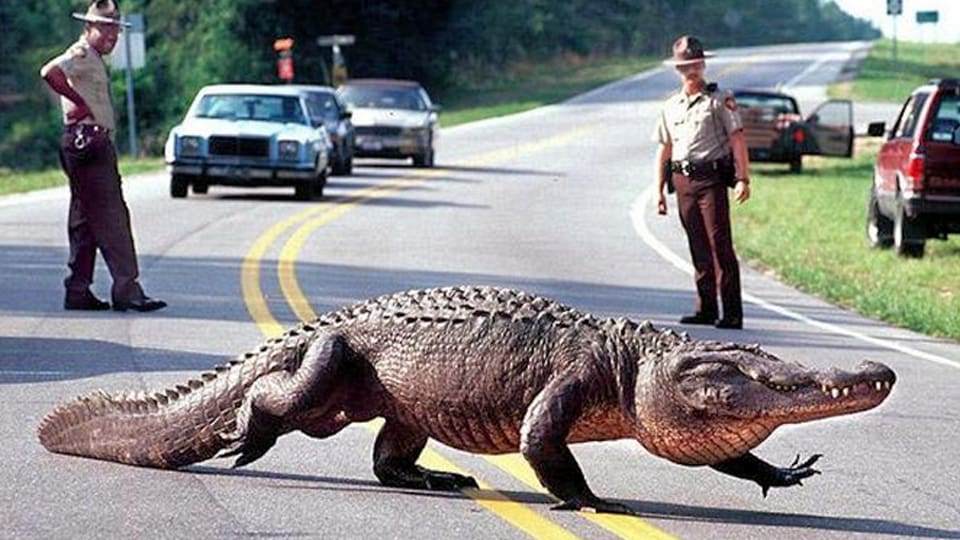
The distribution of American Alligators in Texas is not uniform; they predominantly inhabit the eastern third of the state, especially along the Gulf Coast and in the vast wetland systems of East Texas. These areas provide the perfect blend of freshwater marshes, swamps, rivers, lakes, and bayous that alligators require for survival and breeding. Understanding these prime locations is the first step in planning a successful alligator-watching expedition.
The Wetlands of East Texas
East Texas is a verdant, water-rich region that starkly contrasts with the arid landscapes often associated with the state. Here, the dense forests meet intricate waterways, creating ideal conditions for alligators.
- Big Thicket National Preserve: Often referred to as “America’s Biological Crossroads,” this unique preserve near Beaumont is a biodiversity hotspot where several ecosystems converge. Its sloughs, cypress-lined bayous, and slow-moving rivers are prime alligator territory. Visitors can explore various units of the preserve, such as the Neches River corridor, where guided canoe trips often yield alligator sightings. The preserve offers numerous hiking trails and boardwalks that meander through wetlands, providing safe vantage points for observing wildlife, including alligators basking on banks or silently gliding through the water.
- Caddo Lake State Park: Arguably one of the most picturesque and atmospheric locations in Texas, Caddo Lake is a natural wonder shared with Louisiana. Its sprawling bald cypress trees draped with Spanish moss, rising directly from the water, create an ethereal landscape. This ancient lake, with its labyrinthine channels and bayous, is teeming with wildlife, and alligators are a common sight. Visitors can rent canoes or kayaks, or take guided boat tours to explore the maze-like waterways. The park also offers rustic cabins and campsites for those wishing to immerse themselves fully in the unique environment, making it a fantastic destination for an overnight stay focused on nature and wildlife. Located near the charming towns of Jefferson and Marshall, it also provides opportunities to explore local culture and history.
The Gulf Coast and Beyond
The Texas Gulf Coast is another critical habitat for alligators, benefiting from vast marshlands, estuaries, and a subtropical climate.
- Brazos Bend State Park: Widely recognized as one of the best places in Texas to see alligators in the wild, Brazos Bend State Park is conveniently located just southwest of Houston. The park is famous for its numerous lakes and sloughs, which are home to a thriving alligator population. On any given day, visitors are likely to spot several alligators, from small juveniles to impressive adults, either sunning themselves on the banks or swimming leisurely. Trails like the Elm Lake Loop and the Pilant Slough Trail offer excellent viewing opportunities from safe distances, often featuring observation decks. The park also has a nature center, overnight camping, and cabins, making it an ideal destination for families and dedicated wildlife photographers.
- Anahuac National Wildlife Refuge: Situated on the upper Texas Gulf Coast near High Island, Anahuac National Wildlife Refuge is renowned for its incredible birdwatching opportunities, but it is also a significant habitat for alligators. The refuge’s extensive freshwater and saltwater marshes, ponds, and bayous provide a rich environment for these reptiles. Driving tours and walking trails offer a chance to spot alligators alongside a spectacular array of migratory birds, making it a double treat for nature lovers.
- Galveston Island: While Galveston Island is primarily known for its beaches and historic architecture, its less developed marshy areas and bayous on the bay side of the island can also harbor alligators. Sightings are less common than in dedicated preserves but not unheard of, particularly in protected wetlands.
These locations, amongst others, serve as vital strongholds for Texas’s alligator population. When planning a visit, checking the specific park or refuge websites for current conditions, safety guidelines, and any ranger-led programs is always advisable.
Encountering Alligators Responsibly: Safety First for Travelers
While the prospect of seeing an American Alligator in the wild is thrilling, it’s paramount for travelers to prioritize safety and responsible behavior. Alligators are powerful predators, and respecting their space and natural instincts is key to a safe and enjoyable experience for both humans and wildlife. Understanding alligator behavior and adhering to essential safety protocols will ensure your wildlife encounter is memorable for all the right reasons.
Understanding Alligator Behavior
Alligators are cold-blooded reptiles that regulate their body temperature by basking in the sun or seeking shade in water. They are most active during warmer months (spring through early fall) and tend to be more elusive in cooler weather.
- Activity Patterns: Alligators are often seen basking during the day, especially in the mornings, to warm up. They are primarily nocturnal or crepuscular, meaning they are most active during dawn and dusk when they hunt. This is often the best time for sightings but also when increased caution is warranted.
- Territorial Nature: During nesting season (late spring and summer), female alligators become highly protective of their nests and hatchlings. Approaching these areas can provoke a defensive reaction.
- Diet: Alligators are opportunistic predators, feeding on fish, turtles, snakes, small mammals, and birds. While attacks on humans are rare, they are possible, particularly if alligators associate humans with food.
Essential Safety Tips for Alligator Country
Following these guidelines will help ensure a safe encounter in alligator habitats:
- Never Feed Alligators: This is the golden rule. Feeding alligators (or any wild animal) teaches them to associate humans with food, making them lose their natural fear and become dangerously accustomed to people. This habituation is the leading cause of alligator-related incidents and often leads to the animal needing to be removed or euthanized.
- Maintain a Safe Distance: Always keep a significant distance, typically at least 30 feet (9 meters), from alligators. Use binoculars or a zoom lens for photography rather than attempting to get closer. If an alligator hisses or lunges, you are too close.
- Keep Pets on Leashes and Away from Water Edges: Alligators can perceive small pets as prey. Keep dogs, especially, on a leash and away from the banks of lakes, rivers, and ponds where alligators might be present.
- Supervise Children Closely: Young children are particularly vulnerable due to their size and inquisitive nature. Never let children wander unattended near water bodies in alligator territory.
- Swim Only in Designated Areas: Heed all warning signs and only swim in areas explicitly marked as safe. Many alligator habitats are not suitable for human swimming.
- Be Aware of Your Surroundings: Stay vigilant, especially near murky water or dense vegetation. Alligators are masters of camouflage.
- Do Not Approach Nests or Hatchlings: Mother alligators are very protective. If you encounter a nest or baby alligators, back away slowly and quietly.
- What to Do if an Alligator Approaches You: If an alligator approaches, back away slowly. Do not run, as this might trigger a chase response. If an alligator charges, run in a straight line away from it. Alligators are fast over short distances but tire quickly.
- Report Problem Alligators: If you observe an alligator acting aggressively, showing no fear of humans, or wandering into residential areas, report it to park staff or local wildlife authorities.
Conservation Efforts
These safety rules are not just for human protection; they are also crucial for alligator conservation. By behaving responsibly, travelers contribute to the harmonious coexistence of humans and wildlife, allowing future generations to appreciate these magnificent creatures in their natural Texas homes. The American Alligator has made a remarkable comeback from near extinction due to conservation efforts, and responsible tourism plays a vital role in maintaining this success.
Alligator Adventures: Best Viewing Experiences and Beyond
For travelers seeking an immersive encounter with Texas’s alligators, the state offers a variety of experiences that blend wildlife viewing with appreciation for natural beauty. Beyond just spotting these ancient reptiles, visitors can engage in a range of activities that highlight the rich biodiversity of the regions they inhabit. These adventures cater to different preferences, from guided excursions to self-guided exploration, all while emphasizing respectful observation.
Guided Tours and Wildlife Safaris

Opting for a guided tour is often the most insightful and safest way to explore alligator habitats, especially for first-time visitors. Local experts possess unparalleled knowledge of the terrain, alligator behavior, and optimal viewing spots.
- Airboat Tours: In locations like Caddo Lake, airboat tours offer an exhilarating way to navigate the shallow, winding waterways. Knowledgeable guides provide commentary on the ecosystem, point out alligators and other wildlife, and ensure a safe distance is maintained. These tours often delve deep into areas that might be inaccessible to individual kayaks, offering unique perspectives.
- Ranger-Led Programs: Many Texas State Parks and national preserves, such as Brazos Bend State Park and Big Thicket National Preserve, offer interpretive programs led by park rangers. These programs can include guided walks, talks about alligator biology and conservation, and even nighttime spotlighting events for an opportunity to see their distinctive eye shine. These educational experiences are excellent for families and provide invaluable insights into the local ecology.
- Photography Opportunities: For avid photographers, guided tours and ranger programs often lead to the best chances for capturing stunning images of alligators in their natural setting, often with advice on how to do so without disturbing the animals.
Nature Trails and Observation Decks
For those who prefer a more self-paced exploration, many parks and refuges provide well-maintained trails and elevated observation decks designed for safe wildlife viewing.
- Brazos Bend State Park Trails: As mentioned, trails like the Elm Lake Loop are famous for alligator sightings. These trails are typically wide, well-marked, and hug the edges of lakes and sloughs, providing clear views while maintaining a safe distance. Elevated boardwalks allow visitors to traverse wetland areas without disturbing the fragile ecosystem.
- Big Thicket National Preserve Boardwalks: Several units within Big Thicket feature boardwalks that lead through cypress swamps and other wetlands, offering elevated views of the water below where alligators might be lurking. These are perfect for leisurely strolls and quiet observation.
- Anahuac National Wildlife Refuge Driving Tours: The refuge offers auto tours that wind through its diverse habitats, allowing visitors to spot alligators from the safety and comfort of their vehicles, particularly along the waterways that parallel the roads.
Beyond the Alligators: Exploring Texas’s Natural Beauty
An alligator-focused trip to East Texas or the Gulf Coast naturally opens doors to experiencing other facets of the state’s incredible natural and cultural heritage.
- Birdwatching: Many alligator habitats are also major birding hotspots. Anahuac National Wildlife Refuge and Brazos Bend State Park are particularly renowned for their diverse bird populations, including migratory species, waterfowl, and raptors.
- Fishing and Boating: While exercising extreme caution and adhering to all safety guidelines regarding alligators, fishing and boating are popular activities in many of these regions. Several lakes and rivers offer excellent freshwater fishing, though always be mindful of where you cast your line.
- Hiking and Camping: Many of the parks, including Caddo Lake State Park and Big Thicket National Preserve, provide extensive trail networks for hiking and designated campgrounds for overnight stays. Camping under the stars in these unique ecosystems is an unforgettable experience, allowing for deeper immersion in nature.
- Historical and Cultural Exploration: Towns near alligator habitats, such as Jefferson (near Caddo Lake) or Galveston (with its rich Victorian architecture and history), offer fascinating cultural diversions to complement wildlife viewing.
Nearby Cities and Towns for Accommodation
When planning your alligator adventure, consider nearby cities and towns for comfortable accommodation.
- For visits to Brazos Bend State Park or Anahuac National Wildlife Refuge, the bustling metropolis of Houston offers a vast array of hotels, resorts, and apartments, from luxury options to budget-friendly stays.
- Exploring Big Thicket National Preserve is best supported by accommodations in Beaumont, which offers various lodging choices and dining options.
- For a rustic yet charming experience near Caddo Lake State Park, the historic towns of Jefferson or Marshall provide unique bed and breakfasts and local hotels, perfectly blending with the area’s rich history.
- Many state parks also offer on-site accommodation options, including cabins, screened shelters, and campgrounds, providing an authentic immersion experience often mere steps away from prime viewing areas.
By combining exciting alligator encounters with other attractions and comfortable stays, a trip to Texas can offer a truly comprehensive travel experience.
Planning Your Texas Wildlife Trip
Embarking on a wildlife adventure to see alligators in Texas requires a bit of planning to ensure a smooth, enjoyable, and safe experience. From choosing the right time of year to packing essentials and selecting accommodation, thoughtful preparation will significantly enhance your trip. Integrating these practical tips into your travel itinerary will allow you to focus on the thrill of discovery and the beauty of Texas’s natural landscapes.
Best Time to Visit
The season significantly impacts both alligator activity and visitor comfort.
- Spring (March to May): This is arguably one of the best times to visit. The weather is typically mild and pleasant, making outdoor activities comfortable. Alligators become more active after their winter dormancy, and the breeding season begins, increasing the chances of spotting them. The lush greenery also returns, making the landscapes particularly vibrant.
- Fall (September to November): Similar to spring, fall offers mild temperatures and beautiful scenery as foliage begins to change in some East Texas areas. Alligator activity remains high as they prepare for the cooler months. Fewer crowds might be present compared to summer, offering a more serene viewing experience.
- Summer (June to August): While alligators are at their most active during the peak of summer, engaging in nesting and raising their young, the heat and humidity can be intense. Early mornings and late evenings are the most comfortable times for outdoor activities. Be prepared for potential afternoon thunderstorms.
- Winter (December to February): Alligators become less active and may be harder to spot as they enter a state of brumation (similar to hibernation). While still possible to see them sunning on warmer days, winter is generally not the prime time for alligator viewing.
What to Pack
Being well-prepared with the right gear can make all the difference in your wildlife adventure.
- Binoculars and Camera: Essential for safe, long-distance viewing and capturing incredible shots without disturbing the animals. A telephoto lens for your camera is highly recommended.
- Insect Repellent: Especially important during warmer months and in wetland areas where mosquitoes and other biting insects are prevalent.
- Sun Protection: A wide-brimmed hat, sunglasses, and high-SPF sunscreen are crucial, regardless of the season, given Texas’s intense sun.
- Comfortable Walking Shoes: Many viewing opportunities involve walking on trails, so sturdy, comfortable footwear suitable for varied terrain is a must.
- Lightweight, Breathable Clothing: Opt for light colors to stay cool and blend into the natural environment. Long sleeves and pants can offer additional protection from sun and insects.
- Water and Snacks: Stay hydrated, especially during long walks or tours. Pack high-energy snacks to keep you going.
- Rain Gear: Weather in Texas can be unpredictable, so a lightweight rain jacket or poncho is always a good idea.
- Field Guides: Books on local wildlife, birds, and plants can enrich your understanding of the ecosystem.
Accommodation Choices
Texas offers a diverse range of accommodation options to suit every traveler’s budget and preference, from rustic camping to luxurious retreats.
- Hotels and Resorts: In nearby cities like Houston or Beaumont, you’ll find everything from global hotel chains offering standard amenities to boutique hotels providing unique local experiences. For a more upscale stay, consider resorts with extensive amenities, including pools, spas, and fine dining.
- Cabins and Vacation Rentals: Many state parks, including Brazos Bend State Park and Caddo Lake State Park, offer on-site cabins that provide a more immersive experience. Alternatively, vacation rental platforms offer private villas, apartments, or homes for travelers seeking more space or a home-away-from-home feel.
- Camping: For the truly adventurous or budget-conscious, camping within state parks and national preserves is an excellent option. From primitive tent sites to RV hookups, campgrounds often offer direct access to trails and viewing areas, allowing for early morning and late evening wildlife encounters. Booking in advance is highly recommended, especially during peak seasons.
Responsible Tourism
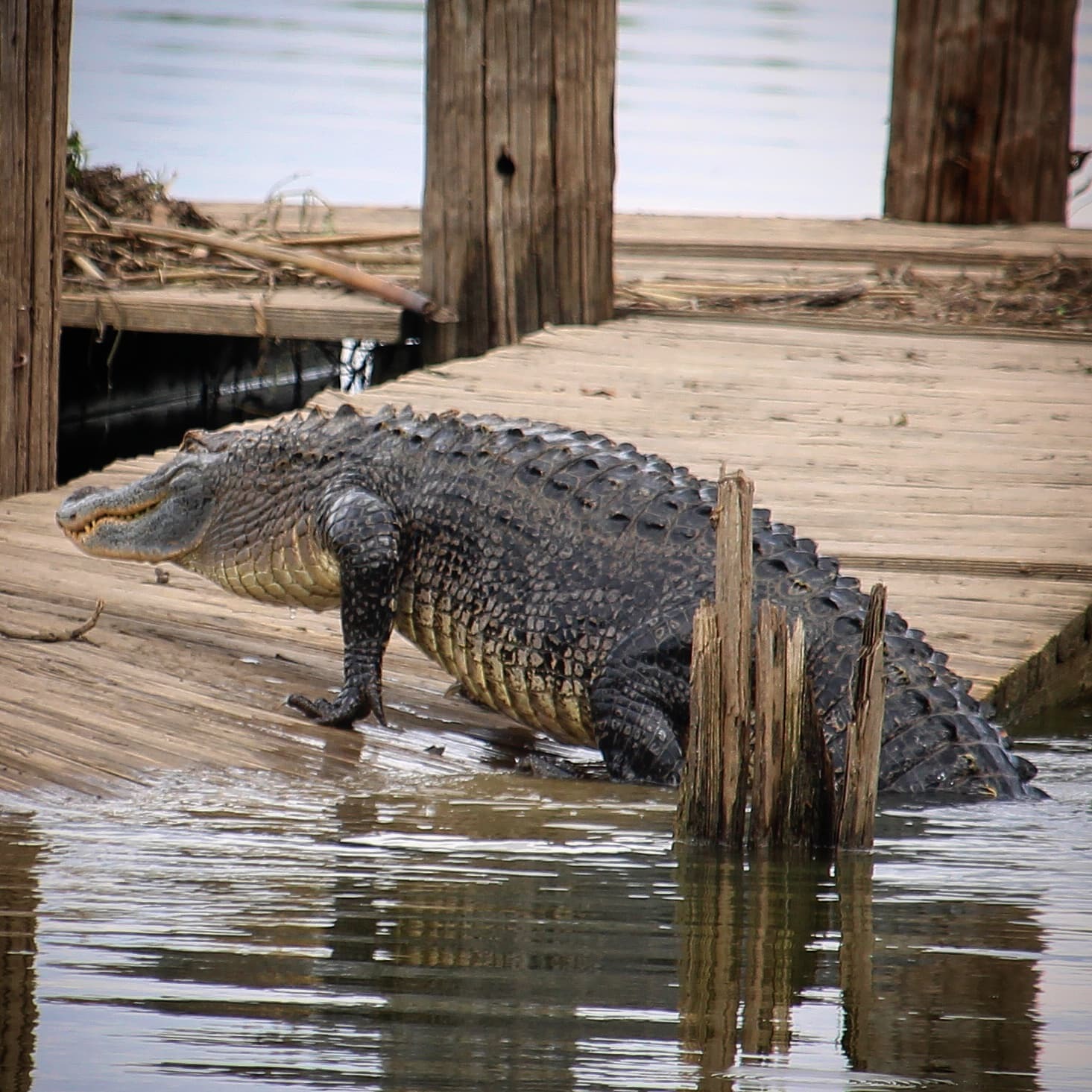
When visiting alligator habitats, remember that you are a guest in their home. Practice “Leave No Trace” principles by packing out everything you pack in, staying on marked trails, and respecting all park rules and wildlife guidelines. Supporting local businesses, such as tour operators, guides, and accommodations, also contributes to the conservation efforts and the sustainability of these precious natural areas.
In conclusion, the presence of alligators adds an unparalleled layer of excitement and natural wonder to a Texas travel itinerary. With careful planning, adherence to safety guidelines, and a spirit of responsible exploration, you can enjoy a truly unique wildlife adventure, fostering a deeper appreciation for the diverse ecosystems and incredible biodiversity that the Lone Star State has to offer. Whether you’re a seasoned wildlife photographer, a family looking for an educational outing, or simply a traveler seeking an unforgettable experience, Texas’s alligator country awaits your discovery.
LifeOutOfTheBox is a participant in the Amazon Services LLC Associates Program, an affiliate advertising program designed to provide a means for sites to earn advertising fees by advertising and linking to Amazon.com. Amazon, the Amazon logo, AmazonSupply, and the AmazonSupply logo are trademarks of Amazon.com, Inc. or its affiliates. As an Amazon Associate we earn affiliate commissions from qualifying purchases.