
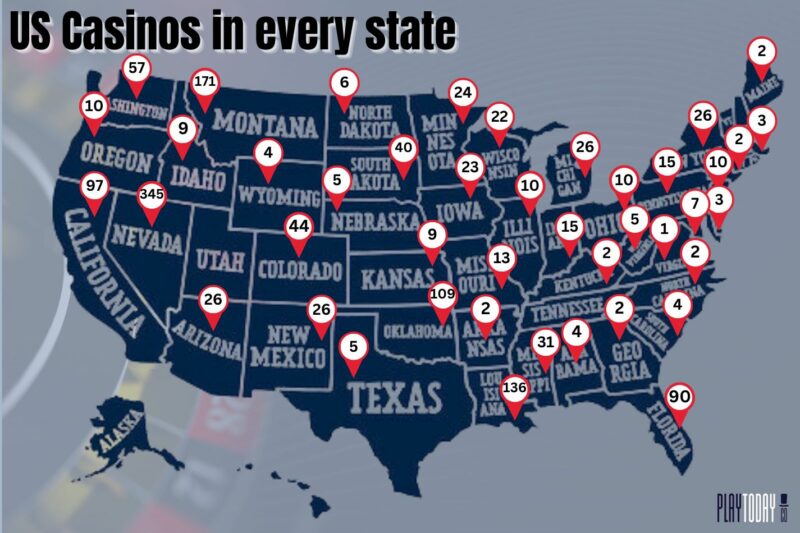
For many travelers and gaming enthusiasts, the question of whether Texas offers a vibrant casino scene is a common one. Known for its vast landscapes, rich history, and unique culture, the Lone Star State stands as one of the largest and most populous states in the United States. Yet, its approach to gambling differs significantly from neighboring states like Louisiana and Oklahoma. While the image of sprawling casinos synonymous with Las Vegas or Atlantic City isn’t typically associated with Texas, the reality is a nuanced landscape of limited gaming options, ongoing legislative debates, and a thriving tourism industry that continues to attract millions for reasons far beyond the betting tables.
This article delves into the intricacies of gaming in Texas, exploring the legal frameworks, the existing (albeit limited) venues, the allure of nearby gaming destinations, and the future prospects of the industry within the state. Whether you’re planning a family trip, a luxury getaway, or a business stay, understanding the gaming landscape can help you tailor your travel experiences and discover the myriad attractions that make Texas a truly unique destination.
The Current Landscape of Gaming in Texas: A Nuanced Reality
Unlike many other states where commercial casinos dot the highways, Texas maintains a conservative stance on most forms of gambling. The Texas Penal Code generally prohibits commercial casinos, slot machines, and table games. However, exceptions exist, primarily through federal legislation governing tribal lands and specific state-sanctioned activities. This creates a distinctive environment where genuine casino experiences are rare but not entirely absent.
Understanding the Legal Framework: Limited Tribal Gaming
The primary avenue for casino-style gaming in Texas comes from federally recognized Native American tribes operating under the Indian Gaming Regulatory Act (IGRA). This federal law, enacted in 1988, allows tribes to conduct gaming on their lands provided the state also permits some form of gambling. While Texas does not generally allow commercial casinos, the existence of a state lottery and pari-mutuel wagering has opened the door for tribes to offer Class II gaming (like bingo-style electronic games) and, in some cases, Class III gaming (traditional casino games) if a compact is reached with the state.
Currently, there are two operational tribal gaming venues that offer experiences closest to a traditional casino:
- Kickapoo Lucky Eagle Casino Hotel: Located in Eagle Pass, near the U.S.-Mexico border, this is the largest and most comprehensive gaming establishment in Texas. Owned and operated by the Kickapoo Traditional Tribe of Texas, it offers a vast array of electronic bingo-style machines, poker rooms, and live bingo. As a full-fledged resort, it features a modern hotel with comfortable suites, diverse dining options, and entertainment, making it a destination for those seeking a complete gaming and relaxation experience. For travelers interested in unique accommodations and a taste of the gaming lifestyle within Texas, the Kickapoo Lucky Eagle Casino Hotel provides an interesting option, albeit one situated in a relatively remote part of the state. Guests can enjoy amenities typical of larger resorts, from pools and fitness centers to live performances, all integrated into a tribal cultural context.
- Naskila Gaming: Situated near Livingston in East Texas, this venue is operated by the Alabama-Coushatta Tribe. Naskila Gaming focuses on Class II gaming, offering hundreds of electronic bingo machines in a vibrant atmosphere. While it doesn’t boast the extensive resort amenities of the Kickapoo property, it provides a popular local entertainment option for residents and visitors in the East Texas region. Its operation has faced legal challenges over the years regarding its status under the IGRA, but it continues to operate, drawing a steady stream of patrons.
A third tribe, the Ysleta del Sur Pueblo, near El Paso, has also historically operated a gaming facility, the Speaking Rock Entertainment Center. This facility has been a focal point of intense legal battles with the state for decades. Though it currently offers electronic games that resemble slot machines, the legality of these specific games under state interpretation of IGRA has been a continuous point of contention. The Ysleta del Sur Pueblo maintains that federal law permits its gaming operations, and recent federal court rulings have favored the tribe, potentially paving the way for expanded offerings. For visitors to El Paso, the Speaking Rock Entertainment Center provides a unique cultural and entertainment hub, even amidst the legal ambiguities. Nearby, travelers can explore the rich history of the Ysleta Mission and the Tigua Cultural Center, delving into the local heritage.
Pari-Mutuel Wagering: Horse and Dog Racing
Beyond tribal casinos, Texas permits pari-mutuel wagering on horse and dog racing. Regulated by the Texas Racing Commission, this allows for betting at several racetracks across the state. While not a casino experience in the traditional sense, it offers a form of legal gambling and a vibrant spectator sport, often enjoyed as a family outing or a social event. Key racing venues include:
- Sam Houston Race Park in Houston, offering thoroughbred and quarter horse racing.
- Lone Star Park in Grand Prairie, a prominent venue for live racing and simulcast betting.
These venues often host concerts, festivals, and other events, blending sports entertainment with broader lifestyle and tourism activities, making them attractive destinations for visitors looking for unique Texas experiences. Many travelers combine a day at the races with exploring the urban attractions of Houston or Dallas-Fort Worth, highlighting the diverse appeal of Texas destinations.
Neighboring States: A Magnet for Texas Gamblers
Given the limited options within the state, many Texans and visitors choose to cross state lines to enjoy a broader range of casino gaming. The accessibility of full-scale casinos in adjacent states has created significant tourism corridors, drawing substantial economic activity away from Texas.
Oklahoma: The Gaming Giant Next Door
Oklahoma is arguably the most popular destination for Texans seeking casino action. Home to over 130 tribal casinos, it boasts some of the largest gaming facilities in the world, particularly close to the Texas border.
- WinStar World Casino and Resort in Thackerville, just north of the Red River, is one of the world’s largest casinos. It features an expansive gaming floor with thousands of electronic games, table games, poker rooms, and a full resort experience including multiple hotel towers, a golf course, spa services, and a global events center. It’s a prime example of luxury travel within easy reach of Dallas and Fort Worth.
- Choctaw Casino & Resort Durant in Durant is another massive complex offering a similar range of gaming, accommodation, dining, and entertainment options. Its proximity to the Dallas-Fort Worth metroplex makes it a frequent weekend getaway for many Texans.
These resorts provide comprehensive accommodation options, from standard hotel rooms to luxury suites, alongside a plethora of amenities that cater to various lifestyles, including family-friendly attractions and business conference facilities. They represent a significant draw for the regional tourism economy.
Louisiana: Bayou Betting and Resort Experiences
To the east, Louisiana offers a different flavor of casino entertainment, with a strong emphasis on resort experiences, particularly in cities like Shreveport, Bossier City, and Lake Charles. These cities are easily accessible from East Texas and Houston.
- Shreveport-Bossier City on the Red River is home to several riverboat casinos and land-based resorts, including the Margaritaville Resort Casino and Horseshoe Bossier City. These resorts provide full casino gaming, luxury hotels, diverse dining, and live entertainment, often attracting those looking for a sophisticated travel experience.
- Lake Charles, further south, is renowned for its elegant casino resorts like the Golden Nugget Lake Charles and L’Auberge Casino Resort Lake Charles. These destinations frequently feature championship golf courses, sprawling pools, spas, and high-end dining, catering to a clientele seeking luxury travel and relaxation alongside their gaming pursuits.
- The Coushatta Casino Resort in Kinder, Louisiana, is another significant tribal casino option, known for its extensive gaming floor and family-friendly amenities, providing a comprehensive resort experience for all ages.
These Louisiana destinations exemplify how integrated resorts can enhance tourism, offering not just gambling but a complete package of entertainment, dining, and accommodation that appeals to a wide range of travelers, from those on a budget to those seeking an opulent escape.
New Mexico and Arkansas: Regional Alternatives
While less frequented by central and eastern Texans, New Mexico and Arkansas also offer casino options for those living closer to their borders. New Mexico has numerous tribal casinos, particularly around Albuquerque and Santa Fe, while Arkansas features a growing number of racinos (racetracks with electronic games) and full-fledged casinos. These provide additional choices for travelers from West Texas or North East Texas respectively, who might combine a gaming trip with exploring the unique cultural and natural landmarks of these states.

Beyond Traditional Casinos: Other Gaming and Entertainment Options in Texas
Even without a plethora of traditional casinos, Texas offers various other forms of entertainment and legal gambling, as well as a rich tapestry of attractions that cater to every type of traveler.
The Texas Lottery and Charitable Gaming
The Texas Lottery is a widely popular form of state-sanctioned gambling, offering a variety of scratch-off tickets and draw games with significant jackpots. Proceeds from the lottery contribute to public education and veterans’ assistance, providing a socially accepted and widespread form of participation in gaming.
Additionally, Texas allows charitable organizations to conduct bingo games and raffles, often serving as community fundraisers. While not commercial ventures, these activities offer local entertainment and a chance to win, fostering a sense of community and support for various causes.
Cruising for a Chance: Casino Cruises from the Texas Coast
For those craving a high-seas gaming experience, casino cruises depart from ports along the Texas Gulf Coast, primarily Galveston and Corpus Christi. These “cruises to nowhere” typically sail into international waters, where federal gambling laws permit traditional casino games like blackjack, roulette, and slot machines. Passengers can enjoy a few hours of gaming, dining, and entertainment before returning to port. These cruises offer a unique blend of a mini-vacation and a casino experience, appealing to those who enjoy ocean travel and casual gambling. For travelers exploring the coastal towns of Texas, this can be an interesting add-on to their itinerary.
Exploring Texas: Attractions Beyond the Betting Tables
For the vast majority of visitors, the appeal of Texas lies in its diverse destinations and experiences that extend far beyond any gaming options. The state is a treasure trove of cultural, historical, and natural landmarks, making it a prime destination for various types of tourism:
- Urban Adventures: Cities like Austin (the live music capital), San Antonio (home to the Alamo and Riverwalk), Houston (with its world-class museums and Space Center Houston), and Dallas (JFK assassination site and vibrant arts scene) offer endless attractions, luxury hotels, boutique accommodation, and renowned culinary experiences.
- Natural Wonders: From the beaches of South Padre Island to the rugged beauty of Big Bend National Park and the scenic Hill Country, Texas provides ample opportunities for outdoor adventure, nature tourism, and serene getaways.
- Historical and Cultural Immersion: Exploring mission trails, historic ranches, and vibrant cultural festivals allows visitors to delve deep into Texas’s rich heritage and unique lifestyle. Many smaller towns offer charming bed-and-breakfasts and local guides for an authentic experience.
These diverse offerings highlight why Texas continues to be a top travel destination, regardless of its limited casino scene. Travelers can easily find accommodation ranging from opulent resorts to cozy apartments, suiting budget travelers, luxury seekers, and families alike.
The Future of Gaming in the Lone Star State: Legislation and Economic Promise
The debate over expanding casino gaming in Texas is a perennial one, resurfacing in almost every legislative session. Powerful lobbying groups, including major casino corporations and professional sports teams, advocate for legalization, citing potential economic benefits and job creation.
The Ongoing Debate: Political Stances and Public Opinion
Advocates argue that legalizing destination casinos would generate billions in tax revenue, creating thousands of jobs and preventing Texans from spending their entertainment dollars in neighboring states. They envision integrated resorts similar to those in Las Vegas or Singapore, which could transform tourism in major metropolitan areas like Dallas, Houston, and San Antonio. Such developments would undoubtedly bring new luxury hotels, entertainment venues, and convention spaces, enhancing Texas’s appeal as a premier travel and business destination.
Opponents, primarily conservative groups and religious organizations, raise concerns about the social costs associated with expanded gambling, including addiction, crime, and potential negative impacts on local communities. They argue that the promised economic benefits are often exaggerated and that the societal harms outweigh any financial gains. The strong conservative political climate in Texas has historically made it challenging to pass pro-gambling legislation, requiring a supermajority in both legislative chambers to propose a constitutional amendment, which then must be approved by voters.
Potential Economic Impact and Tourism Benefits
Should Texas eventually open its doors to full-scale casinos, the economic impact would be monumental. The state’s sheer size and population, combined with its existing tourism infrastructure, suggest that new casinos could quickly become major attractions. This would not only create a new stream of tax revenue but also stimulate various sectors of the economy, from construction and hospitality to local businesses supplying the resorts.
Destination casinos, particularly those offering integrated resort experiences, would attract a new demographic of travelers to Texas. These establishments could offer everything from high-end accommodation and gourmet dining to world-class entertainment, spas, and conference facilities. Such developments would position Texas as a more competitive destination in the national and international tourism market, potentially drawing visitors who currently opt for Nevada, New Jersey, or even Mississippi for their gaming and resort vacations. It would undoubtedly reshape the lifestyle options available within the state, offering more choices for luxury travel and entertainment.
Planning Your Texas Escape: Combining Culture, Comfort, and Limited Gaming
For travelers planning a trip to Texas, the current reality is that widespread casino gaming is not a primary draw. However, understanding the available options allows for informed decisions and itinerary planning.
Accommodation Choices Across Texas
When visiting Texas, you’ll find an extensive range of accommodation options to suit every preference and budget. From luxurious five-star hotels and boutique properties in major cities to charming bed-and-breakfasts in the Hill Country, family-friendly resorts on the coast, and practical extended-stay apartments for business travelers, the state offers diverse choices. Many hotels offer amenities like pools, fitness centers, and fine dining, ensuring a comfortable and enjoyable stay. Online booking platforms and travel guides provide comprehensive reviews and comparison tools to help you find the perfect place to stay.
Embracing the Texas Lifestyle: Beyond the Cards
Ultimately, the true spirit of Texas lies in its unique blend of cowboy culture, modern urban sophistication, diverse culinary scene, and unparalleled natural beauty. While the question “Does Texas have casinos?” points to a limited answer, the state offers an abundance of experiences that make it a compelling travel destination.
Whether you’re exploring historic landmarks, savoring authentic Tex-Mex cuisine, enjoying live music, or simply taking in the expansive landscapes, Texas promises an unforgettable journey. For those who wish to combine their Texas adventure with a gaming experience, the tribal casinos within the state, or a short drive to Oklahoma or Louisiana, offer accessible options. However, the core of a Texas travel experience remains deeply rooted in its distinct culture, warm hospitality, and vast array of attractions that cater to every interest and lifestyle.
LifeOutOfTheBox is a participant in the Amazon Services LLC Associates Program, an affiliate advertising program designed to provide a means for sites to earn advertising fees by advertising and linking to Amazon.com. Amazon, the Amazon logo, AmazonSupply, and the AmazonSupply logo are trademarks of Amazon.com, Inc. or its affiliates. As an Amazon Associate we earn affiliate commissions from qualifying purchases.