
Texas, the second-largest state in the [United States], is a land of vast plains, rugged deserts, bustling cities, and a vibrant culture. From the historic [Alamo] in [San Antonio] to the glittering skyscrapers of [Dallas] and [Houston], the [Lone Star State] offers an incredible array of experiences for every type of traveler. However, like many regions across the globe, [Texas] is also known for certain natural phenomena, and one question that frequently arises for potential visitors and new residents alike is: “Does [Texas] have tornadoes?” The unequivocal answer is yes, [Texas] does experience tornadoes. But understanding the context, frequency, and most importantly, how to stay safe, is key to confidently exploring this magnificent state.
For those planning a memorable trip to [Texas], whether it’s for a luxurious resort stay, an adventurous road trip through [Big Bend National Park], or a deep dive into [Austin]’s live music scene, being informed about local weather patterns is a crucial part of preparation. This article will delve into the meteorological realities of tornadoes in [Texas], equipping you with the knowledge to travel wisely, stay safe, and enjoy all that this diverse destination has to offer without unnecessary apprehension.
Understanding Texas’s Tornado Landscape
[Texas]’s geographical position makes it particularly susceptible to tornadoes. Situated at the crossroads of different air masses, the state frequently experiences the atmospheric conditions conducive to the formation of these powerful rotating columns of air. This section will explore why [Texas] is a hotspot for tornadic activity and pinpoint when and where they are most likely to occur.The Heart of Tornado Alley
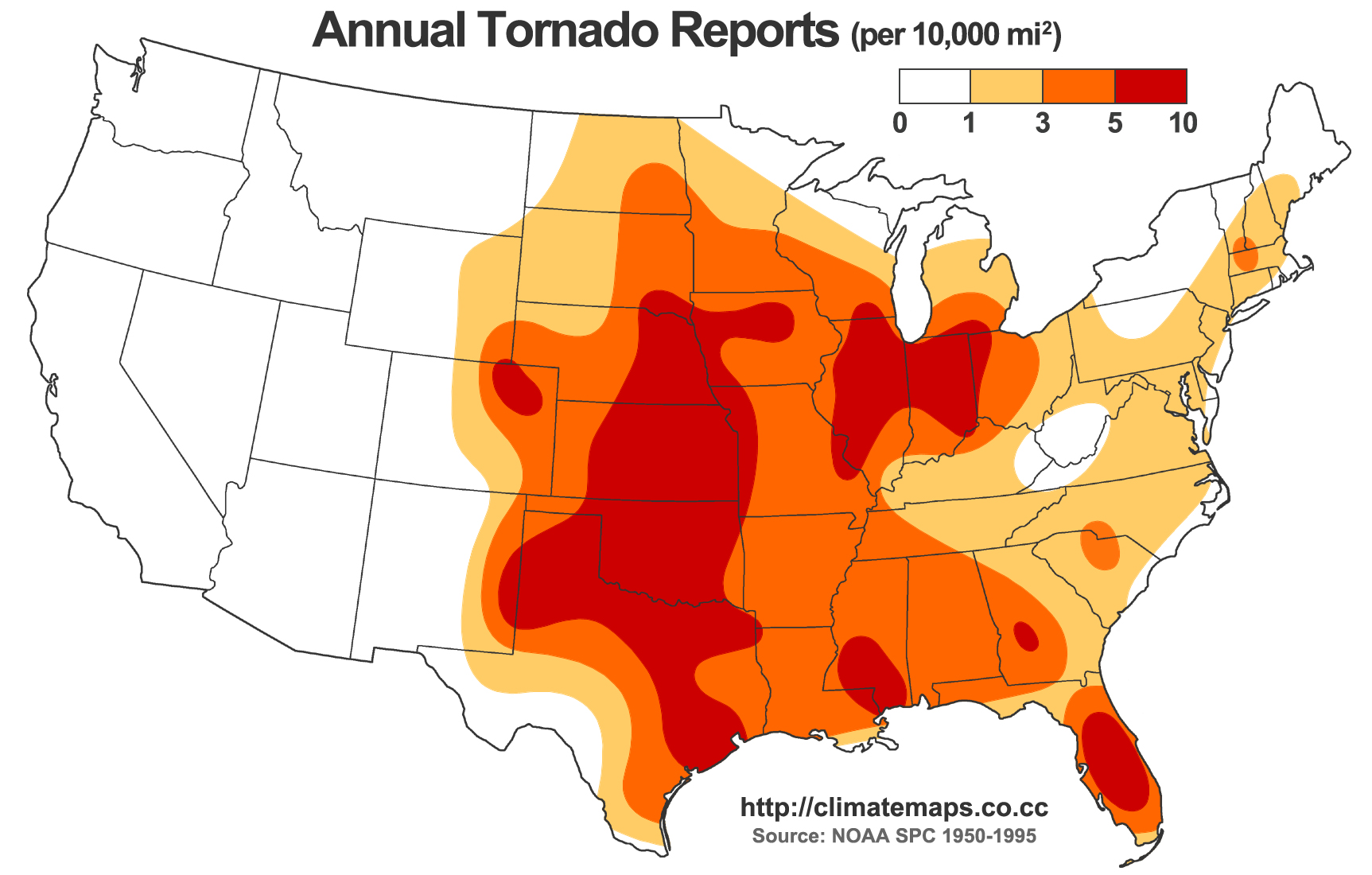
[Texas] lies squarely within “Tornado Alley,” a broad region of the central [United States] where atmospheric conditions are frequently ripe for tornado development. This geographical designation is not an official boundary but rather a recognition of the area’s high incidence of tornadoes. The unique confluence of weather patterns over [Texas] creates this propensity:- Warm, Moist Air from the [Gulf of Mexico]: The humid, unstable air from the [Gulf of Mexico] flows northward into [Texas], providing the necessary fuel for thunderstorms.
- Cool, Dry Air from the [Rocky Mountains]: Simultaneously, cooler, drier air masses from the west often move eastward over the [Great Plains].
- Dry Line: Where these contrasting air masses meet, a “dry line” forms, acting as a trigger for powerful thunderstorms.
- Jet Stream Dynamics: High-altitude winds, known as the jet stream, provide the necessary wind shear—changes in wind speed and direction with height—that helps initiate the rotation within thunderclouds, leading to supercells and eventually, tornadoes.
The interaction of these factors means that [Texas] experiences a significant number of tornadoes each year, often leading the nation in annual counts. While the raw number might seem intimidating, it’s essential to remember that most tornadoes are relatively weak and short-lived, and the state’s vast size means that any given location has a low probability of being directly hit. However, preparedness remains paramount for any traveler.
When and Where Tornadoes Strike in Texas
Understanding the seasonality and geographical distribution of tornadoes in [Texas] can further empower travelers with knowledge, helping them plan their itineraries with confidence.
Peak Season:
The primary tornado season in [Texas] typically runs from March through May, peaking in April and May. During this spring period, the clash of warm, moist [Gulf] air with cooler, drier continental air is most frequent and intense. There can also be a secondary, less pronounced peak in the fall, particularly in October and November, although these events are generally less common and less severe than those in spring. Summers tend to be too hot and stable for widespread tornadic activity, and winters, while not entirely free of tornadoes, see significantly fewer occurrences.
Most Affected Regions:
While tornadoes can technically occur anywhere in [Texas], certain regions are historically more active:
- [North Texas]: This region, encompassing major metropolitan areas like [Dallas], [Fort Worth], [Plano], and [Irving], sees a high concentration of tornadic activity. The flat terrain of the [Great Plains] extends into [North Texas], offering little to disrupt storm development.
- [Central Texas]: Cities like [Austin], [Waco], and [Killeen] are also frequently impacted. The [Texas Hill Country] can sometimes influence storm tracks, but the region remains vulnerable.
- [East Texas]: As storms track eastward, the piney woods of [East Texas] can also experience tornadoes, sometimes presenting additional hazards due to dense tree cover. Cities such as [Tyler] and [Longview] are within this risk zone.
- [Panhandle]: The [Texas Panhandle], including cities like [Amarillo] and [Lubbock], shares the same flat, open landscape as the rest of Tornado Alley and experiences significant tornado activity, especially during the spring.
- Coastal Bend and South [Texas]: While less frequent than the northern parts of the state, tornadoes can occur closer to the coast, often associated with landfalling hurricanes or tropical storms. [Corpus Christi] and [Houston] have experienced tornadoes.
It’s important to note that even within these active regions, tornadoes are highly localized events. A storm might devastate one neighborhood while an adjacent one remains untouched. This localized nature is why being aware of current weather conditions and having a plan is far more effective than avoiding an entire region.
Navigating Tornado Season as a Traveler
Traveling through [Texas] during tornado season requires a proactive approach to safety, but it shouldn’t deter you from experiencing the state’s incredible attractions. With proper preparation and awareness, you can confidently explore [Texas]’s diverse landscapes and vibrant cities. From ensuring your accommodation has robust safety protocols to utilizing modern weather tracking tools, informed travel is safe travel.
Prioritizing Safety: Before and During Your Trip
A well-prepared traveler is a confident traveler. Before embarking on your [Texas] adventure, and throughout your stay, certain steps can significantly enhance your safety.
Before You Go:
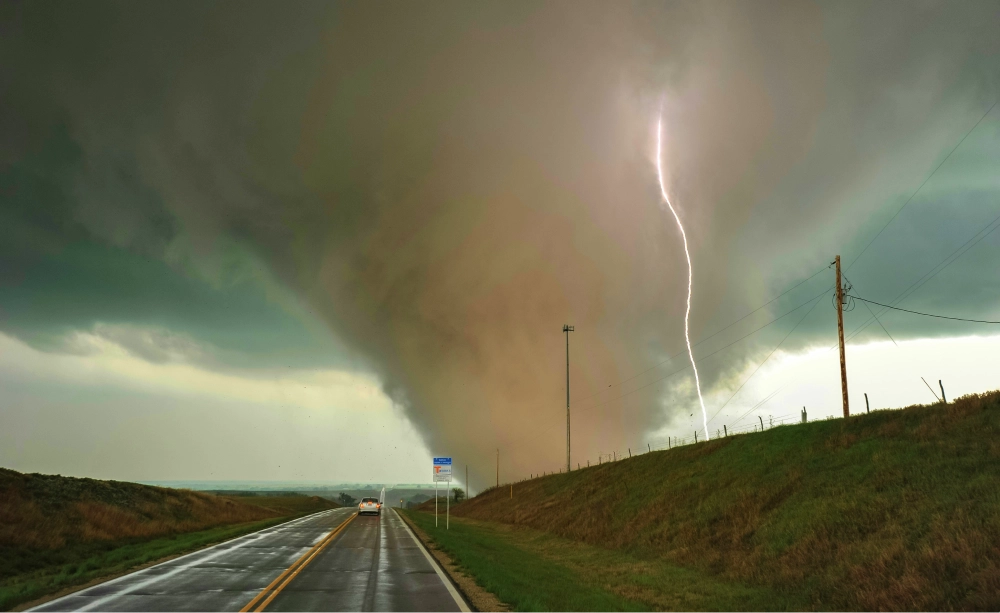
- Stay Informed About the Forecast: A few days before and during your trip, regularly check the weather forecast for your specific destinations. Utilize reliable sources like the National Weather Service or the [NOAA Weather Radio]. Many modern smartphones have built-in weather alerts that can be invaluable.
- Understand Weather Alerts: Familiarize yourself with the difference between a “tornado watch” and a “tornado warning.”
- Tornado Watch: Means conditions are favorable for tornadoes to develop in or near the watch area. This is a time to stay alert, monitor weather updates, and be prepared to take shelter.
- Tornado Warning: Means a tornado has been sighted or indicated by radar. This requires immediate action to seek shelter.
- Choose Accommodations Wisely: When booking [hotels], [resorts], [apartments], or [villas] in [Texas], especially during spring, inquire about their severe weather protocols.
- Ask about designated shelters: Do they have an interior room, basement, or storm cellar for guests?
- Emergency communication: How do they alert guests in case of a warning? Many [luxury hotels] and reputable chains like [Marriott], [Hilton], and [Hyatt] have well-established safety plans.
- Solid Construction: While no building is tornado-proof, modern structures, especially those with reinforced concrete and steel, offer better protection than older, flimsier constructions.
- Travel Insurance: Consider purchasing travel insurance that covers weather-related disruptions or evacuations, offering peace of mind and financial protection for unexpected changes to your itinerary.
During Your Trip:
- Monitor Local Weather: Even if you checked the forecast before leaving your [hotel] in the morning, conditions can change rapidly. Keep an eye on local news, weather apps, or the [NOAA Weather Radio] if you are in a vehicle.
- Heed Warnings Immediately: If a tornado watch is issued for your area, pay close attention. If a tornado warning is issued, seek sturdy shelter immediately.
- Know Your Shelter Options:
- In a Building: The safest place is usually an interior room on the lowest floor, away from windows. Basements, designated storm shelters, or sturdy bathrooms/closets are ideal.
- In a Vehicle: Do not try to outrun a tornado in a car. If shelter is not readily available, abandon the vehicle and lie in a ditch or other low-lying area, covering your head.
- Outdoors: Lie down in a ditch or low-lying area and cover your head with your arms.
- Stay Connected: Ensure your phone is charged. Inform family or friends of your travel plans and check in regularly.
By taking these proactive steps, you can significantly mitigate risks and enhance your safety while traveling through [Texas], allowing you to focus on the enjoyment of your trip.
Impact on Travel and Tourism in Texas
While the presence of tornadoes in [Texas] is a fact, their actual impact on day-to-day tourism and travel experiences is often exaggerated. It’s crucial for travelers to distinguish between the rare, localized events and the broader reality of safe, enjoyable travel in the state.
Realism vs. Hype:
News coverage often focuses on the most dramatic and destructive tornado events, which, while devastating for affected communities, represent a tiny fraction of the state’s landmass and population at any given time. The vast majority of [Texas] remains unaffected during a tornado outbreak. Major tourist destinations like the [San Antonio Riverwalk], [Space Center Houston], or [Dallas]’s [Klyde Warren Park] operate normally for most of the year, including during spring.
Resilience of Tourist Infrastructure:
[Texas]’s tourism industry is robust and accustomed to managing various weather conditions. [Hotels], [attractions], [landmarks], and [restaurants] are generally well-prepared.
- Attractions: Most indoor attractions, museums (like the [Sixth Floor Museum] in [Dallas] or the [Museum District] in [Houston]), and shopping centers have protocols in place for severe weather, guiding visitors to safe areas. Outdoor attractions, such as [Zilker Park] or [Barton Springs Pool] in [Austin], might temporarily close during a warning but quickly reopen once the threat passes.
- Hotels and Resorts: As mentioned, reputable accommodations prioritize guest safety. Their emergency plans are designed to minimize disruption and ensure swift action if a threat materializes. Many modern [resorts] in areas like the [Texas Hill Country] or [Galveston Island] are built with strong construction standards and have staff trained in emergency response.
- Transportation: Flights might be delayed or canceled at major airports like Dallas/Fort Worth International Airport or George Bush Intercontinental Airport during severe weather. Road travel can also be impacted by heavy rain or debris. However, these disruptions are usually temporary, and transportation networks are quick to recover.
Flexibility and Planning:
While a tornado might cause a temporary halt to your plans, it rarely necessitates canceling an entire trip. Being flexible with your itinerary and having backup plans for indoor activities can be beneficial. Consider visiting during late spring or early summer after the peak tornado season has passed, or focus on regions less prone to severe weather, though no area is entirely immune. Travelers can still enjoy [Fredericksburg]’s wine country, [Corpus Christi]’s beaches, or the vibrant arts scene of [Denton] with proper precautions.
Exploring Texas Safely: Beyond the Storms
Despite the meteorological reality of tornadoes, [Texas] remains an incredibly appealing and safe travel destination. The chance of a tornado directly impacting a traveler is exceedingly low, and the state’s commitment to public safety and its resilient infrastructure ensure that visitors can focus on experiencing its unique charm. Let’s look at why [Texas] continues to draw millions of visitors and how accommodation providers play a role in ensuring a worry-free stay.
Iconic Destinations and Experiences
[Texas] is a treasure trove of experiences, appealing to every kind of traveler. From its vast natural beauty to its rich historical tapestry and vibrant urban centers, there’s always something new to discover.- Natural Wonders: Explore the rugged grandeur of [Big Bend National Park], hike through [Big Bend Ranch State Park], or relax on the pristine beaches of [Padre Island National Seashore] and [Mustang Island State Park]. These natural [landmarks] offer unparalleled outdoor adventures.
- Historic Cities: Immerse yourself in history at [The Alamo] and the [San Antonio Riverwalk]. Discover the assassination of JFK at [Dallas]’s [Sixth Floor Museum] or step back in time at the [Fort Worth Stockyards National Historic District], watching cattle drives and enjoying authentic cowboy culture.
- Cultural Hubs: Experience the live music capital of the world in [Austin], explore the world-class museums in [Houston]’s [Museum District], or enjoy the vibrant arts scene in smaller towns.
- Family Fun: [Texas] boasts numerous family-friendly attractions like [Space Center Houston] (home to [NASA Johnson Space Center]), [Six Flags Over Texas], [Schlitterbahn Waterpark] in [New Braunfels], and [Moody Gardens] on [Galveston Island].
- Culinary Adventures: From authentic Tex-Mex and barbecue joints across the state to upscale dining in [Houston] and [Dallas], [Texas]’s food scene is an attraction in itself, reflecting its diverse cultural influences.
These attractions, whether they are [landmarks], [destinations], or cultural [experiences], are designed to offer enjoyment and are managed with visitor safety as a top priority, including during severe weather events.
Accommodation Choices and Preparedness
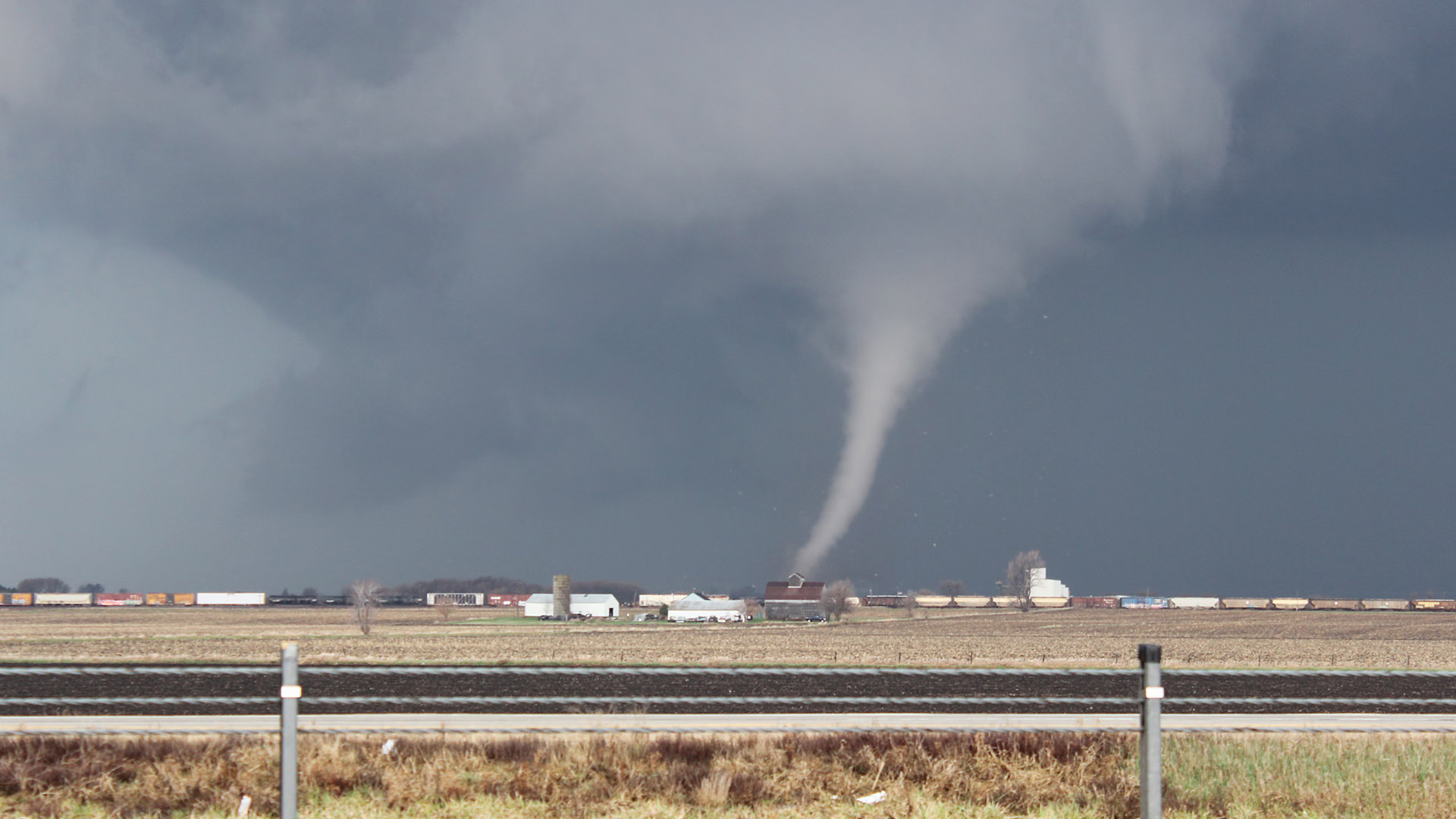
The breadth of accommodation options in [Texas] is as vast as the state itself, catering to every budget and lifestyle. From opulent [luxury hotels] in metropolitan areas to charming [boutique hotels] in wine country ([Fredericksburg]), rustic cabins near state parks, and modern [vacation rentals], travelers have endless choices. Regardless of the type of stay, reputable accommodation providers in [Texas] are acutely aware of the need for guest safety, particularly concerning severe weather.
- Robust Building Standards: Modern [hotels] and [resorts] in [Texas] are built to withstand a range of weather conditions, often incorporating reinforced construction materials and designs that exceed standard building codes.
- Emergency Plans and Staff Training: [Hotels] have detailed emergency plans for various scenarios, including tornadoes. Staff are regularly trained on these protocols, including how to alert guests, direct them to designated safe areas (such as interior hallways, basements, or storm shelters), and assist those with special needs.
- Guest Communication: Most properties utilize multiple communication channels to inform guests of severe weather, including in-room announcements, TV alerts, text messages, and direct staff communication.
- Amenities for Peace of Mind: Many larger [hotels] and [resorts] offer amenities that indirectly contribute to safety, such as reliable internet and power backup systems, ensuring guests can stay informed and connected even during temporary power outages. For example, a family staying at a [resort] near [Grapevine] might find comfort knowing the property has a dedicated storm shelter easily accessible from their [suite]. Similarly, someone on a [business stay] in [College Station] would appreciate a [hotel]’s clear emergency procedures.
The focus on guest safety is an integral part of the [lifestyle] and [tourism] experience in [Texas], ensuring that visitors can enjoy their chosen [accommodation] with confidence. Whether you’re booking a long-term stay or a quick weekend getaway, the industry’s commitment to safety allows you to focus on creating unforgettable memories.
In conclusion, while [Texas] does experience tornadoes, they are a manageable risk for informed and prepared travelers. By understanding the weather patterns, knowing how to interpret alerts, and choosing accommodations with safety protocols in place, you can confidently explore the rich cultural tapestry, stunning natural beauty, and exciting attractions that make [Texas] a truly exceptional destination. Don’t let the possibility of a storm overshadow the promise of an incredible [Texas] adventure.
LifeOutOfTheBox is a participant in the Amazon Services LLC Associates Program, an affiliate advertising program designed to provide a means for sites to earn advertising fees by advertising and linking to Amazon.com. Amazon, the Amazon logo, AmazonSupply, and the AmazonSupply logo are trademarks of Amazon.com, Inc. or its affiliates. As an Amazon Associate we earn affiliate commissions from qualifying purchases.