
Embarking on a career as a firefighter is more than just choosing a job; it’s committing to a lifestyle of service, courage, and continuous learning. For many, the idea of becoming a firefighter evokes images of heroism and community dedication. But when you consider making such a significant life change, especially one that might involve relocating, understanding the specific path is crucial. If you’ve ever dreamt of answering the call and dedicating yourself to protecting lives and property, and you’re wondering how to achieve this noble goal specifically in the expansive and diverse landscape of Texas, you’re in the right place.

Texas, a state known for its vast landscapes, bustling metropolises, and unique culture, offers a compelling environment for aspiring firefighters. From the historic streets of San Antonio to the futuristic skyline of Dallas, and the vibrant energy of Austin to the sprawling economic hub of Houston, each city presents its own set of opportunities and challenges. This guide will navigate you through the essential steps, requirements, and considerations for becoming a firefighter in the Lone Star State, weaving in practical advice for those considering this significant lifestyle and geographical shift. Whether you’re planning a full relocation or simply exploring new career destinations, preparing for this journey means understanding the training, the lifestyle, and the opportunities for accommodation and integration into Texas’ vibrant communities.
Charting Your Course: The Path to Becoming a Texas Firefighter
The journey to becoming a firefighter in Texas is structured, requiring dedication, physical prowess, and a commitment to rigorous training. It’s a path that often demands temporary relocation or at least significant travel for training, making it essential to plan your logistics, from hotels for short stays to long-term apartment rentals.
Foundational Requirements: Laying the Groundwork
Before you even consider enrolling in an academy, there are several fundamental requirements that all aspiring Texas firefighters must meet. These are not just bureaucratic hurdles; they are critical indicators of readiness for a physically and mentally demanding profession.
First and foremost, applicants typically need to be at least 18 years old. Some departments might prefer candidates who are 21, especially for roles that involve driving apparatus. Education-wise, a high school diploma or a GED equivalent is universally required. While not always mandatory, many fire departments are increasingly valuing some college education or an associate’s degree, particularly in fire science or related fields, which can give candidates a competitive edge. This higher education can often be pursued online, offering flexibility, but for those seeking an immersive experience, attending community colleges in cities like Fort Worth or El Paso might be part of your travel and accommodation plan.
A valid Texas driver’s license with a clean driving record is another non-negotiable requirement. Firefighters operate heavy vehicles under pressure, so a proven record of responsible driving is essential. Background checks are thorough, scrutinizing criminal history, credit reports, and personal references. Any history of felony convictions or serious misdemeanors will disqualify an applicant. This rigorous vetting process is in place to ensure the integrity and trustworthiness of individuals who will be entrusted with immense public responsibility.
Perhaps one of the most emphasized prerequisites is physical fitness. The job of a firefighter is incredibly demanding, requiring strength, endurance, agility, and stamina. Aspiring candidates should begin a comprehensive fitness regimen long before applying. This might involve exploring local gyms, fitness destinations, or even specialized training programs in various Texas cities. Many candidates focus on strength training, cardiovascular endurance, and flexibility. This dedication to physical readiness isn’t just about passing an exam; it’s about preparing for a lifetime of rigorous work and ensuring your safety and the safety of your crew. For those moving to Texas for this purpose, exploring the outdoor activities and recreational parks in areas like Corpus Christi or the Texas Hill Country can be a great way to maintain fitness while enjoying the local environment.
Education and Certification: The Core Training
Once you meet the foundational requirements, the next critical phase involves formal education and certification. In Texas, the primary regulatory body for firefighters is the Texas Commission on Fire Protection (TCFP). All professional firefighters in the state must meet TCFP standards and hold the appropriate certifications.
The core certification is typically the TCFP Basic Firefighter certification. This is obtained by completing an approved fire academy program. Texas boasts numerous fire academies, many of which are associated with community colleges or run directly by larger fire departments. Prominent academies can be found in major metropolitan areas such as Houston, Dallas, Austin, and San Antonio. These academies offer intensive training programs, typically lasting from 12 to 24 weeks, covering everything from fire suppression techniques and hazardous materials response to rescue operations and fire prevention.
During your time at a fire academy, you’ll experience a challenging curriculum that combines classroom instruction with hands-on practical training. This period is often compared to a military-style boot camp, designed to instill discipline, teamwork, and critical thinking under pressure. For out-of-state or out-of-city applicants, this period requires careful planning for accommodation. Many students opt for extended-stay hotels, furnished apartments, or even shared housing near their chosen academy. Exploring apartment villas or short-term rentals can provide a comfortable base during this intensive training phase. Budget travel options are often favored here, as aspiring firefighters are typically investing heavily in their education.
In addition to fire suppression training, most fire departments in Texas require their firefighters to be certified as Emergency Medical Technicians (EMTs). An EMT-Basic certification is usually the minimum, though many departments prefer or require Paramedic certification. This medical training is crucial, as a significant portion of a firefighter’s calls involves medical emergencies. Combining fire and EMS training often means attending an EMT or Paramedic program in conjunction with or immediately following fire academy. These medical programs can range from a few months for EMT-Basic to over a year for Paramedic certification, further extending the period of dedicated study and potential need for temporary accommodation or long-term residency.
The Journey Continues: Application and Beyond
Completing your fire academy and EMT/Paramedic certifications is a monumental achievement, but it marks the transition to the next hurdle: securing a position with a fire department. The application process is highly competitive and designed to select only the most qualified candidates.
The Rigorous Application Process
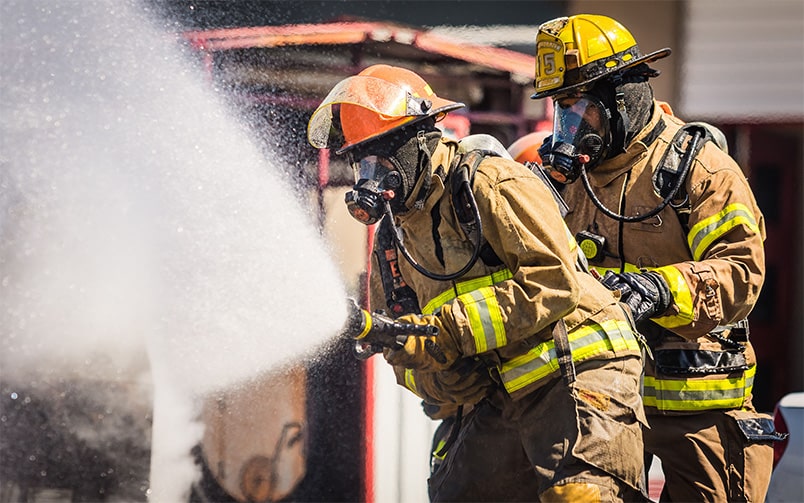
Once certified, you’ll begin applying to various fire departments across Texas. Each department will have its own specific hiring process, but common elements include:
- Physical Agility Test (PAT): This test evaluates your ability to perform the physical tasks required of a firefighter. It often simulates real-world scenarios, such as climbing ladders, dragging hoses, carrying heavy equipment, and forcing entry. These tests are rigorous and require continued physical conditioning even after academy graduation. Many departments publish their PAT requirements, allowing candidates to practice at local fitness centers or specialized training grounds.
- Written Examination: This exam typically assesses aptitude in areas like reading comprehension, math, mechanical reasoning, and sometimes situational judgment. It’s designed to gauge a candidate’s cognitive abilities and problem-solving skills, which are vital in high-stress environments.
- Interviews: Candidates who pass the written and physical tests will proceed to a series of interviews, which may include panel interviews with department officers and chief staff, and sometimes a psychological evaluation. This is where your communication skills, dedication, teamwork ethic, and understanding of the profession are thoroughly scrutinized.
- Background Checks and Medical Evaluation: A final, comprehensive background check will delve into your personal history, employment record, and references. A thorough medical examination, including drug screening, ensures you are physically and mentally fit for duty and can handle the significant stresses of the job.
This multi-stage process can be lengthy, often taking several months from initial application to final offer. During this time, candidates might find themselves traveling between different cities for various tests and interviews, necessitating careful planning for travel, short-term accommodation (hotels or boutique resorts), and managing the logistics of being on the road.
Embracing the Firefighter Lifestyle in Texas
Becoming a firefighter in Texas is more than just a job; it’s an immersive lifestyle. The work schedule, often a “24/48” (24 hours on, 48 hours off), means long shifts at the station, where you live and work with your crew, forming strong bonds akin to family. This unique schedule also allows for significant time off, which many firefighters use for personal development, family time, or pursuing hobbies and travel.
Texas offers a diverse range of environments for firefighters to live and work. In major cities like Houston and Dallas, you’ll be part of large, metropolitan departments responding to a wide variety of emergencies, from high-rise fires to complex technical rescues. These cities also offer a vibrant local culture, world-class food scenes, and numerous attractions for families. For instance, new residents in Houston can explore the NASA Johnson Space Center or the Museum District, while Dallas offers the Arts District and Klyde Warren Park.
Smaller cities and rural fire departments often provide a different kind of experience, where firefighters are deeply integrated into tighter-knit communities and may perform a broader range of duties. The pace might be different, but the sense of service and community connection is just as strong. For those seeking a blend of urban amenities and outdoor activities, Austin offers a thriving music scene alongside access to the Hill Country’s natural beauty, ideal for weekend experiences.
Living in Texas as a firefighter means becoming part of its vibrant tapestry. The cost of living varies significantly across the state; while Austin has seen rising housing costs, cities like San Antonio or Fort Worth often provide more affordable options for families, making long-term accommodation planning crucial. The state’s natural beauty, from the Gulf Coast beaches to the rugged Big Bend region, provides ample opportunity for leisure and travel during off-duty days, catering to both luxury travel and budget travel preferences.
Planning Your Move: Travel, Accommodation, and Local Insights
Relocating to Texas for a firefighting career is a significant life step that intertwines career aspirations with personal lifestyle choices. Thoughtful planning regarding where to live, how to settle in, and what to expect from the local culture is paramount.
Exploring Texas Cities for Your Career
Choosing where to apply and ultimately where to live in Texas requires careful consideration. Each major city offers a distinct flavor and a different set of opportunities.
- Houston: As the largest city in Texas and the fourth largest in the United States, Houston offers one of the largest fire departments, providing extensive opportunities for career growth and specialization. The city is a hub for energy, aerospace, and healthcare, with a diverse population and a rich local culture evident in its renowned food scene and numerous landmarks. For those exploring, hotels range from budget-friendly options to upscale resorts with excellent amenities, making scouting trips comfortable.
- Dallas/Fort Worth: The Dallas-Fort Worth Metroplex offers two major fire departments, each with its unique character. Dallas is known for its sophisticated urban environment, while Fort Worth embraces its Western heritage. This twin-city dynamic offers varied lifestyle options, from vibrant downtown apartments to suburban homes. Prospective residents can compare the distinct local culture and community vibe by staying in hotels or booking apartments in both cities.
- Austin: The state capital is famous for its “Keep Austin Weird” ethos, live music scene, and booming tech industry. It’s a highly desirable place to live, but often comes with a higher cost of living. Firefighters in Austin enjoy a vibrant lifestyle and access to abundant outdoor activities along the Colorado River and in the surrounding Hill Country. When visiting, explore various neighborhoods using short-term apartment accommodation to get a feel for the different pockets of this dynamic city.
- San Antonio: Steeped in history, San Antonio offers a rich blend of Texas heritage and modern amenities. The San Antonio Fire Department serves a community proud of its landmarks like the Alamo and the famous River Walk. It’s often considered a more affordable major city than Austin or Dallas, making it an attractive option for those looking to settle down.
Before making a final decision, it’s highly recommended to take scouting trips. These travel experiences can involve staying in different hotels or short-term apartments in potential cities, exploring neighborhoods, assessing commuting times, and sampling the local culture and food. Websites offering reviews and comparison tools for accommodation can be invaluable during this research phase.
Navigating Relocation and Settling In
Once you’ve secured a position, the focus shifts to relocation and integrating into your new Texas community. Whether you’re moving across state lines or just across the state, planning is key.
- Finding Housing: After identifying your target city, research long-term accommodation options. This could range from renting an apartment to purchasing a home. Consider factors like proximity to your fire station, schools if you have a family, and local amenities. Many online guides and real estate platforms can assist with your search, offering insights into various neighborhoods and their respective rental or purchase prices.
- Integrating into the Community: Becoming a firefighter often means quickly becoming a respected member of your new community. Get involved with local events, explore attractions, and engage with your neighbors. Texas is known for its hospitality, and most communities are welcoming to newcomers. Tourism activities, from visiting historical landmarks to participating in local festivals, are excellent ways to discover the unique charm of your new home.
- Budgeting and Lifestyle: Consider the overall lifestyle you want to achieve. While firefighting offers a stable career, financial planning for relocation, initial living expenses, and long-term goals is important. Texas has a no-state-income-tax policy, which can be a financial advantage, but property taxes can be higher. Whether you lean towards luxury travel during your time off or prefer budget travel, the state offers diverse opportunities to enjoy life.
In conclusion, becoming a firefighter in Texas is a demanding yet profoundly rewarding career choice that promises a life of purpose and camaraderie. It’s a journey that requires significant preparation, from physical training and rigorous academic pursuits to navigating complex application processes. For those considering this path, particularly from out of state, it also represents a major lifestyle decision and potentially a grand travel adventure. By understanding the requirements, strategically planning your training and accommodation, and embracing the vibrant local culture of Texas, you can successfully embark on this noble profession and carve out a fulfilling new chapter in the Lone Star State.
LifeOutOfTheBox is a participant in the Amazon Services LLC Associates Program, an affiliate advertising program designed to provide a means for sites to earn advertising fees by advertising and linking to Amazon.com. Amazon, the Amazon logo, AmazonSupply, and the AmazonSupply logo are trademarks of Amazon.com, Inc. or its affiliates. As an Amazon Associate we earn affiliate commissions from qualifying purchases.