
For anyone living in or frequently visiting the vast and diverse landscapes of Texas, keeping your vehicle registration current is not just a legal obligation but a crucial aspect of seamless travel and an unburdened lifestyle. Whether you’re planning a historic journey through San Antonio, an urban exploration of Dallas or Houston, or an adventurous road trip to Big Bend National Park, ensuring your car is properly registered is a fundamental step. It’s part of the comprehensive guide to responsible living and travel that we champion at Life Out Of The Box.
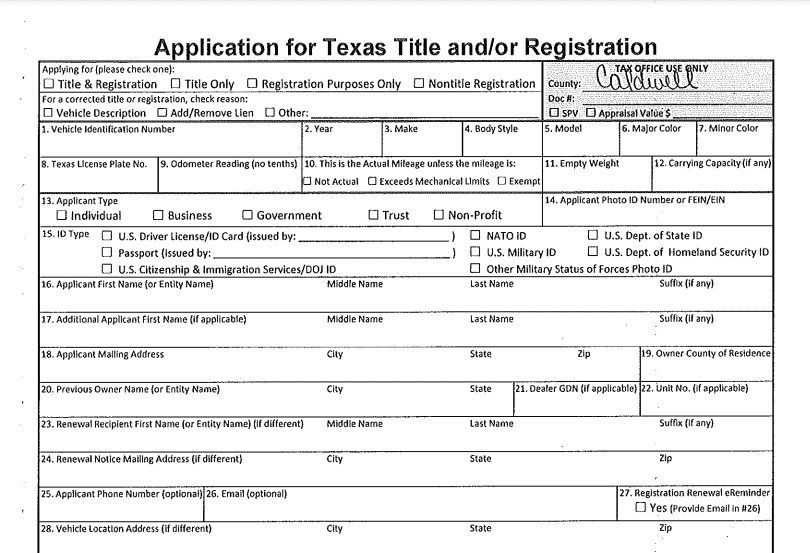
The process of renewing your car registration in Texas is designed to be straightforward, yet navigating the specifics can sometimes feel daunting. From understanding the necessary documentation to choosing the most convenient renewal method, having a clear roadmap can save you time and potential frustration. This comprehensive guide will walk you through every step, ensuring your vehicle is ready for all your Texas adventures, making your accommodation bookings, dining experiences, and landmark visits hassle-free.
Understanding Your Texas Vehicle Registration
Before diving into the “how-to,” it’s essential to grasp the “why” and “what” of vehicle registration in the Lone Star State. Your car’s registration is proof that it’s legally permitted to operate on public roads, and it contributes to funding for state infrastructure and services. For the discerning traveler or the local resident embracing the Texas lifestyle, this administrative task underpins the freedom and flexibility of personal transportation, whether you’re commuting to work in Austin or embarking on a spontaneous weekend getaway.
Why Renewal Matters for Your Texas Adventures
Imagine planning a dream trip to explore the captivating Texas Hill Country, having booked a charming suite at a boutique hotel, only to discover your registration has expired. This could lead to citations, fines, and even vehicle impoundment, certainly not the kind of experience you want when focusing on local culture, food, and attractions. A current registration ensures compliance with state law, but beyond that, it signifies that your vehicle meets specific safety and environmental standards. It provides peace of mind, allowing you to focus on the journey itself—the scenic drives, the vibrant cities, and the unforgettable experiences Texas has to offer. For those who frequently cross state lines, especially residents living near the Oklahoma or Louisiana borders, an up-to-date registration prevents potential legal issues that could disrupt your travel plans.
Key Eligibility Requirements
To renew your car registration in Texas, there are a few fundamental requirements you must meet. These are designed to ensure road safety and compliance with state regulations.
- Vehicle Inspection: Your vehicle must pass an annual safety inspection. For most vehicles, this also includes an emissions test, especially if you reside in certain urban areas like Houston, Dallas-Fort Worth, or Austin. The inspection must be completed within 90 days of your registration expiration date. You’ll receive an electronic copy of your passing inspection report, which will be accessible to the Texas Department of Motor Vehicles (TxDMV) system. This electronic record means you typically won’t need a physical copy to renew.
- Proof of Insurance: You must have current liability insurance that meets Texas’s minimum coverage requirements. While you typically don’t need to present proof of insurance for online or mail renewal, the state’s systems will verify this electronically. However, it’s always wise to carry your proof of insurance in your vehicle, especially when traveling.
- No Outstanding Violations: Any outstanding parking tickets, toll road violations, or other state fees associated with your vehicle must be resolved before you can renew your registration. The TxDMV system will flag these, preventing renewal until they are paid. This is a crucial point for urban explorers or those navigating busy toll roads around major Texas cities.
Navigating the Renewal Process: Your Options
Texas offers several convenient ways to renew your car registration, catering to different preferences and situations. Understanding these options allows you to choose the method that best fits your lifestyle and travel schedule, ensuring minimal disruption to your plans.
Online Renewal: Convenience at Your Fingertips
For many Texas residents, renewing online is the quickest and most convenient option. It’s ideal for busy individuals, frequent travelers, or those who prefer to handle administrative tasks from the comfort of their home or a hotel room while on a business trip.
- Eligibility: You can renew online if your vehicle passed inspection, you have current insurance, and you have no outstanding violations. You’ll also need your vehicle’s license plate number and the last four digits of your Vehicle Identification Number (VIN).
- Process: Visit the official Texas Department of Motor Vehicles (TxDMV) website or a verified partner site. Enter the required information, pay the fees with a credit card, and your new registration sticker and license plate decal will be mailed to you within a few weeks. The convenience of online renewal allows you to manage your vehicle’s legal status even if you’re exploring Texas landmarks or enjoying the amenities of a resort far from home.
- Tips for Travelers: If you’re on an extended trip, make sure your mailing address is current, or arrange to have mail forwarded to ensure you receive your new sticker promptly. Consider renewing a few weeks before your expiration date to account for mailing time.
Mail-In Renewal: The Traditional Approach
While online renewal is increasingly popular, the mail-in option remains a reliable choice, especially for those who prefer traditional methods or live in areas with limited internet access.
- Process: You should receive a registration renewal notice in the mail from your County Tax Assessor-Collector approximately six weeks before your registration expires. This notice will contain all the necessary information, including your renewal fees. Simply sign the notice (certifying your insurance), include a check or money order for the correct amount, and mail it back in the provided envelope.
- What to Expect: Your new sticker and decal will be mailed to the address on file. This method requires a bit more foresight to ensure it’s sent and received before your expiration date, making it a less ideal option for last-minute renewals, especially if you are traveling extensively.
In-Person Renewal: For Immediate Needs
For those who need to renew immediately, have specific questions, or prefer face-to-face interaction, renewing in person at your local County Tax Assessor-Collector’s office or one of its authorized sub-stations is a viable option.

- Locations: These offices are typically found in major county seats like El Paso, Fort Worth, and other regional centers. Many counties also have substations, often located in grocery stores or other retail outlets, offering added convenience.
- What to Bring: When renewing in person, you must bring your current registration renewal notice (if you received one), proof of current liability insurance, and a valid form of payment (cash, check, or credit card – though card acceptance can vary by location). While the system will electronically verify your inspection, having a printed copy of your passing vehicle inspection report (VIR) can be helpful in case of any system discrepancies.
- Benefits: This method is excellent for those who are close to their expiration date and need the new sticker immediately. It also allows you to speak directly with staff if you have complex issues or need clarification on specific aspects of your registration. For new residents or those with unique circumstances, this personal interaction can be invaluable.
Essential Documents and Fees
Regardless of the renewal method you choose, being prepared with the correct documentation and understanding the associated costs will streamline the process.
Gathering Your Paperwork
While much of the verification process in Texas is now electronic, it’s always prudent to have certain documents readily available.
- Registration Renewal Notice: This is your primary guide, containing your vehicle details, renewal date, and fees. Even if you renew online or in person, this notice simplifies the process by providing the necessary identifying numbers.
- Proof of Current Texas Liability Insurance: While not always explicitly requested for online or mail renewals, it’s essential to have valid insurance. For in-person renewals, be prepared to present your insurance card or policy document.
- Vehicle Inspection Report (VIR): As mentioned, the passing inspection is electronically recorded. However, if you’ve recently had an inspection, retaining the printed VIR for your records is a good practice, especially if you opt for an in-person renewal and there’s a delay in the electronic update.
- Identification: For in-person renewals, a valid driver’s license or other government-issued ID is typically required.
- Payment Method: Be ready with a credit card for online renewals, a check or money order for mail, or cash/check/credit card for in-person transactions.
Understanding the Costs
The fees for renewing your car registration in Texas consist of several components:
- Base Registration Fee: The primary fee for passenger vehicles is standardized across the state.
- Local Wheel Tax: Some counties or cities may impose an additional wheel tax. This varies by location, so your total fee might differ slightly depending on where your vehicle is registered.
- Processing and Service Fees: Online renewals often include a small processing fee. Similarly, a small fee might be added for credit card payments at in-person locations.
- State Portion of Inspection Fee: A portion of your annual inspection fee is collected by the state and is usually paid directly at the inspection station.
- Optional Donations: You might be given the option to donate to various state programs, such as for veteran services or organ donor awareness. These are entirely voluntary.
Always refer to your renewal notice for the exact amount due, as this will reflect any county-specific charges or special fees applicable to your vehicle.
Common Questions and Troubleshooting for Texas Drivers
Even with a clear guide, questions and unforeseen circumstances can arise. Being prepared for these scenarios ensures that your Texas car registration process remains smooth, allowing you to get back to planning your next travel experience or enjoying your everyday lifestyle.
Renewing Out-of-State or as a New Resident
- Out-of-State Renewal: If your registration is expiring while you’re on an extended trip outside of Texas, you can still renew online or by mail, provided you meet the inspection and insurance requirements. If your inspection has expired and you cannot return to Texas for a new inspection, you might be eligible for a temporary exemption or an out-of-state affidavit. Contact your County Tax Assessor-Collector or the TxDMV for specific guidance. This is particularly relevant for those on long-term travel adventures, perhaps exploring national parks or working remotely from a different state.
- New Texas Resident: Welcome to the Lone Star State! If you’ve recently moved to Texas and brought a vehicle from another state, you’ll need to register it within 30 days of establishing residency. This process involves a Texas vehicle inspection, obtaining proof of Texas insurance, and then visiting your County Tax Assessor-Collector’s office for title and registration. This is a separate process from renewal but is your initial step to becoming a fully integrated Texas driver.
What If You Miss the Deadline?
Missing your registration deadline can lead to penalties and potential legal issues.
- Late Penalties: If you renew after your registration expires, you will incur late fees and penalties, which can be substantial.
- Enforcement: Driving with an expired registration is a misdemeanor in Texas and can result in a traffic ticket and fines. Law enforcement officers often check registration during routine stops.
- Grace Period: While there isn’t an official grace period, Texas law allows you to operate with an expired registration for up to five working days past the expiration date, provided you can show proof of renewal (e.g., a receipt from an online renewal or a mail-in form). However, it’s best not to rely on this.
- Lost Renewal Notice: If you haven’t received your renewal notice, don’t panic. You can still renew online or in person using your license plate number and VIN. It’s a good idea to ensure your mailing address is up to date with the TxDMV and the Texas Department of Public Safety (TxDPS).

Final Tips for a Seamless Texas Journey
Renewing your car registration in Texas doesn’t have to be a chore. By understanding the requirements, choosing the right method, and staying organized, you can ensure your vehicle is always ready for whatever adventures lie ahead.
- Mark Your Calendar: Set a reminder for your registration expiration date, preferably 2-3 months in advance, to give yourself ample time for inspection and renewal.
- Keep Records: Although much is electronic, always keep copies of your inspection report, insurance card, and registration receipts for your records.
- Check Mailing Address: Regularly verify that your mailing address with the TxDMV is current, especially if you move frequently or have multiple residences, which is common for those embracing a flexible lifestyle.
- Stay Informed: Government regulations can change. Periodically check the official TxDMV website for the most up-to-date information.
With your registration in order, you can confidently explore all the unique destinations Texas has to offer, from the historic battlegrounds near The Alamo to the bustling districts around Space Center Houston or the profound historical narrative presented at the Sixth Floor Museum at Dealey Plaza. Enjoy your travels and live life out of the box, knowing the essentials are covered.
LifeOutOfTheBox is a participant in the Amazon Services LLC Associates Program, an affiliate advertising program designed to provide a means for sites to earn advertising fees by advertising and linking to Amazon.com. Amazon, the Amazon logo, AmazonSupply, and the AmazonSupply logo are trademarks of Amazon.com, Inc. or its affiliates. As an Amazon Associate we earn affiliate commissions from qualifying purchases.