
Embarking on a journey through the vast and diverse landscapes of Texas promises an unforgettable experience, whether you’re exploring the vibrant city life of Dallas and Houston, soaking in the unique culture of Austin, or delving into the rich history of San Antonio. As the second-largest state in the U.S., covering an immense area, efficient travel is paramount. To navigate its bustling urban centers and connect quickly between major destinations, Texas has developed an extensive network of toll roads. For many travelers, particularly those unfamiliar with the state’s infrastructure, understanding how to pay these tolls is a crucial first step in planning a seamless and stress-free Texas adventure.
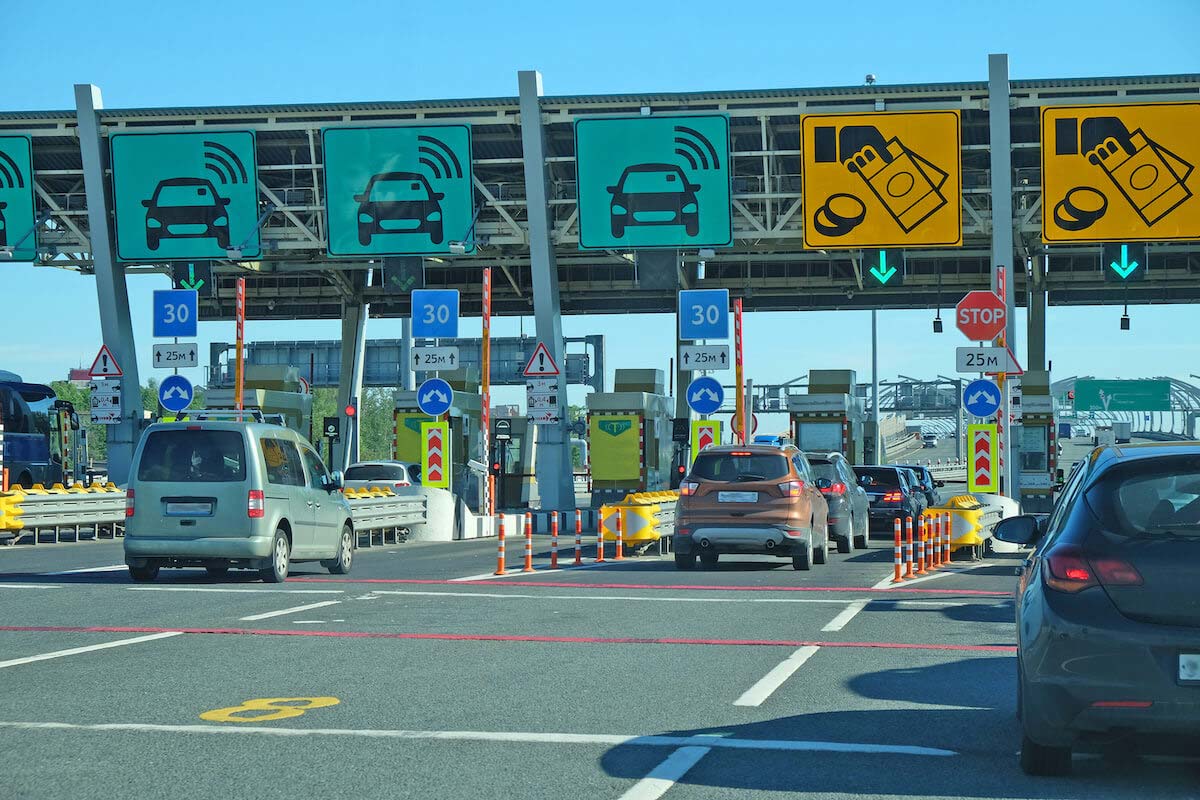
Unlike some states where cash toll booths are still prevalent, Texas has largely transitioned to an all-electronic toll collection system. This modern approach, while highly efficient, requires a bit of foresight from visitors to avoid unexpected fees and ensure smooth transit. This comprehensive guide will demystify the toll payment process in the Lone Star State, helping you prepare for your road trip, understand the various payment methods, and ultimately, make the most of your travel experiences in Texas. From understanding the different toll authorities to managing rental car tolls and leveraging electronic tags, we’ll cover everything you need to know to drive confidently on Texas’s toll roads.
Navigating the Lone Star State’s Toll Road System
Texas’s expansive geography and rapidly growing population necessitate a robust transportation network. Toll roads play a vital role in managing traffic congestion, especially in metropolitan areas, and funding the continuous development of the state’s infrastructure. These roads are designed to offer faster, more direct routes, often bypassing congested free highways, making them an attractive option for business travelers, families on vacation, and anyone looking to optimize their travel time.
Why Toll Roads are a Staple of Texas Travel
The primary reason for the proliferation of toll roads in Texas is twofold: congestion relief and infrastructure funding. As cities like Houston, Dallas, Austin, and San Antonio continue to expand, existing freeways often struggle to handle the sheer volume of daily commuters and travelers. Toll roads provide additional capacity, offering drivers a choice: pay for a faster, less congested route, or endure the free, but potentially slower, alternatives.
For visitors, this translates into a significant advantage. Imagine you’ve just arrived at Dallas/Fort Worth International Airport and are eager to reach your hotel in downtown Dallas or Fort Worth. Opting for a toll road can shave valuable time off your journey, allowing you to settle in quicker and begin exploring local attractions or attending business meetings without unnecessary delays. Similarly, if you’re on a family vacation heading to a theme park or a landmark like the Space Center Houston, bypassing traffic can make a world of difference in keeping spirits high. These roads often connect directly to major tourist destinations, hotel districts, and business hubs, making them incredibly convenient for all types of travelers.
Understanding Texas’ Diverse Toll Authorities
One unique aspect of the Texas toll road system is the decentralization of its management. While the Texas Department of Transportation (TxDOT) oversees a statewide network, several regional authorities operate their own distinct toll roads. This means that while the general payment methods are consistent, different entities manage specific stretches of highway. Key authorities include:
- North Texas Tollway Authority (NTTA): Primarily operates toll roads in the Dallas-Fort Worth metroplex, including popular routes like the Dallas North Tollway and the President George Bush Turnpike.
- Harris County Toll Road Authority (HCTRA): Manages most toll roads within Harris County, which encompasses Houston, such as the Sam Houston Tollway and the Hardy Toll Road.
- Central Texas Regional Mobility Authority (CTRMA): Operates toll roads in the Austin metropolitan area, including various segments of Loop 1 and US 183.
- TxDOT: The state agency also manages numerous toll projects across Texas, often interlinking with or extending beyond the reach of regional authorities.
Despite these separate entities, the beauty of the Texas system is its interoperability. A single electronic tag, like TxTag, is generally accepted across all these systems, simplifying the payment process for travelers. However, it’s good to be aware of the different authorities, especially if you need to look up a specific toll charge or dispute an invoice. Knowing which authority operates a particular road can streamline your inquiries.
The Easiest Ways to Pay: Electronic Toll Tags
For anyone planning to drive frequently on Texas toll roads, whether you’re a resident or a visitor, an electronic toll tag is by far the most convenient, cost-effective, and hassle-free payment method. These small devices affix to your vehicle’s windshield and are read by overhead sensors as you pass through toll gantries, deducting the toll amount automatically from a linked account.
TxTag: Your Universal Texas Toll Solution
The gold standard for toll payment in Texas is the TxTag. Issued by TxDOT, a TxTag is universally accepted on all toll roads throughout the state, regardless of which authority operates them. This means you only need one account and one tag to seamlessly travel from El Paso to Beaumont and everywhere in between where toll roads exist.
How to Get a TxTag:
- Online: The easiest way for most travelers is to apply for a TxTag online through the official TxTag website. You’ll need to create an account, link a payment method (credit card or bank account), and deposit an initial minimum balance (usually around $20-30). The tag itself is often free or comes with a small fee that is credited back to your account.
- Retail Locations: For those who prefer an in-person purchase, TxTags are also available at select retail locations, often at grocery stores or customer service centers in major cities.
- Mail: You can also apply for a TxTag via mail.
Once you receive your TxTag, simply follow the instructions to affix it to your windshield. It’s usually placed near the rearview mirror, ensuring it has a clear line of sight with the overhead readers. Keeping your account funded is crucial; most TxTag accounts are set up with automatic replenishment, topping up your balance whenever it falls below a certain threshold.
Other Compatible Electronic Tags (EZ TAG, K-TAG, PikePass)
While TxTag is the statewide solution, Texas toll roads also accept tags from several other regional and interstate toll programs due to reciprocal agreements. This is particularly beneficial for travelers coming from neighboring states or those who already possess an electronic tag from another system.
- EZ TAG: Issued by the Harris County Toll Road Authority (HCTRA), the EZ TAG works on all Texas toll roads, just like a TxTag. If you primarily travel in and around Houston, you might opt for an EZ TAG.
- K-TAG: This tag is issued by the Kansas Turnpike Authority and is compatible with Texas toll roads.
- PikePass: Originating from Oklahoma through the Oklahoma Turnpike Authority, PikePass is also accepted on all Texas toll facilities.
These reciprocal agreements ensure that drivers from neighboring states, whether on a business trip or a leisure tour, can enjoy the convenience of Texas’s toll roads without needing to acquire a new tag. Simply ensure your existing tag is properly mounted and your account is in good standing.
The Benefits of Going Electronic for Travelers
For visitors to Texas, using an electronic toll tag offers a multitude of benefits that enhance the overall travel experience:
- Cost Savings: Electronic tag users typically pay the lowest toll rates. Pay-By-Mail rates (discussed below) are significantly higher, often 25-50% more expensive, to cover the administrative costs of identifying the vehicle owner and mailing invoices.
- Time Efficiency: With an electronic tag, you drive straight through toll gantries without needing to slow down or stop. This saves precious time, especially during peak travel hours, allowing you to reach your destination faster. For those on a tight schedule or looking to maximize their sightseeing, this efficiency is invaluable.
- Seamless Travel: The all-electronic system means there are no cash booths anywhere on Texas toll roads. Without a tag, you risk incurring Pay-By-Mail fees. An electronic tag eliminates this concern entirely, ensuring uninterrupted travel.
- Convenience: No fumbling for cash or worrying about missing an exit because you can’t pay. The system is entirely automated, providing a stress-free driving experience. This is especially helpful when navigating unfamiliar roads or driving at night.
- Budget Management: By linking your tag to a credit card with automatic replenishment, you can easily track your toll expenditures and avoid unexpected large bills later.
For anyone planning an extended stay or multiple visits to Texas, investing in a TxTag is a wise decision that will pay dividends in convenience and cost savings.
What If You Don’t Have an Electronic Tag? Pay-By-Mail & Other Options
While electronic tags are highly recommended, not every traveler will have one, especially those on a spontaneous road trip or unfamiliar with the system. Fortunately, Texas toll authorities have a system in place for these instances, known as Pay-By-Mail. However, it comes with its own set of considerations, particularly regarding cost and potential complications.
The Pay-By-Mail System Explained
When a vehicle without an electronic toll tag passes through a Texas toll gantry, cameras capture an image of the vehicle’s license plate. The toll authority then uses this information to identify the registered owner of the vehicle. An invoice, often referred to as a “ZipCash” (NTTA) or “License Plate Toll” (TxDOT/HCTRA) bill, is then mailed to the address on file with the Department of Motor Vehicles.
Key things to know about Pay-By-Mail:
- Higher Rates: As mentioned, Pay-By-Mail tolls are significantly more expensive than electronic tag rates. This premium covers the administrative costs associated with processing license plate images, mailing invoices, and managing payments.
- Delay in Billing: It can take several weeks for a Pay-By-Mail invoice to arrive. For out-of-state visitors, this delay can be problematic if you’ve already returned home.
- Payment Options: Once you receive an invoice, you can typically pay it online, by phone, or by mail. Make sure to pay by the due date to avoid additional fees.
- Consolidation: If you use multiple toll roads within the same authority, your tolls might be consolidated into a single invoice. However, if you travel on roads managed by different authorities (e.g., NTTA and HCTRA), you may receive separate bills.
While Pay-By-Mail serves as a fallback, relying on it should be a last resort due to the increased cost and potential for billing confusion, especially for travelers with temporary addresses or those far from Texas.
Rental Cars and Tolls: What You Need to Know
This is perhaps the most common scenario for visitors to Texas and requires careful attention. Rental car companies have various programs for handling tolls, and understanding them before you drive off the lot can save you considerable money and headaches.
Most major rental car agencies, such as Hertz, Enterprise, Avis, Budget, and National, offer “toll programs.” These programs typically work in one of two ways:
- Automatic Enrollment: The rental car has a pre-installed transponder or uses its license plate for Pay-By-Mail. You are automatically enrolled in their toll program if you use a toll road. The rental company then charges your credit card for the tolls plus a daily administrative fee (which can range from $3 to $15 per day, often capped per rental period). These fees can quickly add up, easily exceeding the cost of the tolls themselves.
- Opt-in Transponder: Some companies may offer a transponder device that you can rent for a daily fee. This allows you to pay tolls at the electronic rate, but you still pay a daily fee for the transponder.
Important Advice for Rental Car Users:
- Ask at the Counter: Always inquire about the rental company’s toll policy when you pick up the car. Ask about fees, how tolls are processed, and if there are options to opt-out.
- Consider Your Own Tag: If you have your own TxTag (or compatible tag like EZ TAG or PikePass), you can often use it in a rental car. However, you must ensure the rental car’s own transponder (if it has one) is turned off or shielded, and that you have notified the rental company to not enroll you in their program. This can be tricky, as some rental systems are fully automated.
- Avoid Toll Roads (If Possible): If your itinerary allows and you are on a tight budget, you might choose to avoid toll roads altogether. Most navigation apps (like Google Maps or Waze) offer an “avoid tolls” option. Be aware that this might significantly increase your travel time, especially in metropolitan areas.
- Research Third-Party Options: Companies like PlatePass or TollPass are often used by rental agencies. Familiarize yourself with their fee structures before you travel.
The best strategy for rental cars is to plan ahead. If you anticipate heavy toll road usage, weigh the cost of a TxTag (even for a short trip, if the fees for the rental company’s program are high) versus the rental company’s program fees.
Avoiding Penalties and Late Fees
Ignoring toll invoices, whether they are Pay-By-Mail bills or rental car charges, can lead to significant penalties. Unpaid tolls can result in:
- ** escalating late fees,**
- administrative charges,
- vehicle registration holds (preventing you from renewing your vehicle’s registration in Texas or potentially your home state through reciprocal agreements),
- and even legal action in extreme cases.
For out-of-state drivers, especially those from international destinations, it’s crucial to ensure any outstanding tolls are resolved. If you used a rental car, the rental company will eventually track you down to collect, often with additional hefty administrative fees.
If you believe you received an invoice in error or never received one, contact the relevant toll authority immediately. Most authorities have online portals where you can search for tolls by license plate number. Proactive communication can prevent minor charges from becoming major financial burdens.
Tips for a Smooth Texas Road Trip
Navigating Texas by car is an incredible way to experience its diverse culture, stunning natural beauty, and vibrant cities. By understanding the toll system and planning ahead, you can ensure your road trip is as smooth and enjoyable as possible.
Planning Your Route: Apps and Resources
Effective route planning is key to a successful Texas road trip. Several resources can help you integrate toll information into your itinerary:
- Navigation Apps: Google Maps and Waze are invaluable. They offer real-time traffic updates and, critically, allow you to choose routes that avoid tolls if you wish. However, remember that “avoid tolls” might lead to longer travel times, especially around major cities. For example, using the toll-free routes to get from Houston George Bush Intercontinental Airport to downtown Houston can add 30-60 minutes to your drive during rush hour compared to the toll roads.
- Toll Authority Websites: The websites for TxDOT, NTTA, HCTRA, and CTRMA all provide maps of their toll roads, toll rate calculators, and information on how to pay. These are excellent resources for understanding the specific costs for different segments of your journey.
- TxTag website: Provides comprehensive information on the TxTag program, including where to get a tag and how it works across the state.
- Trip Planning Websites: Many travel blogs and forums, including resources focused on travel and lifestyle like Life Out of the Box, offer guides and tips for navigating Texas by car.
Consider mapping out your main routes, identifying where toll roads are likely to be encountered, and making a conscious decision about whether the time savings justify the cost.
Connecting to Texas’ Top Destinations and Attractions
Toll roads in Texas are strategically designed to connect travelers efficiently to major urban centers, business districts, and popular tourist attractions. For instance:
- In San Antonio, while the historic Riverwalk and Alamo are in the city center, toll roads on the city’s outskirts can help you bypass traffic to reach your accommodation or connect to major highways for onward journeys.
- In Houston, the Sam Houston Tollway and Hardy Toll Road provide swift access to attractions like Space Center Houston, the Museum District, and various hotel clusters.
- Dallas’s North Texas Tollway Authority routes can quickly bring you to the Dallas Arts District, Klyde Warren Park, or bustling entertainment areas.
- In Austin, the Central Texas Regional Mobility Authority roads help you navigate the city’s growth, getting you closer to Sixth Street, the State Capitol, or the city’s vibrant music scene.
Even for destinations further afield, like a road trip to Big Bend National Park in West Texas, using toll roads to efficiently exit the major metropolitan areas can save crucial hours at the beginning or end of your journey, allowing more time for natural wonders. These routes are invaluable for business travelers needing to get to conference centers or corporate offices efficiently, as well as for families looking to minimize “are we there yet?” moments.
Budgeting for Tolls: A Traveler’s Guide
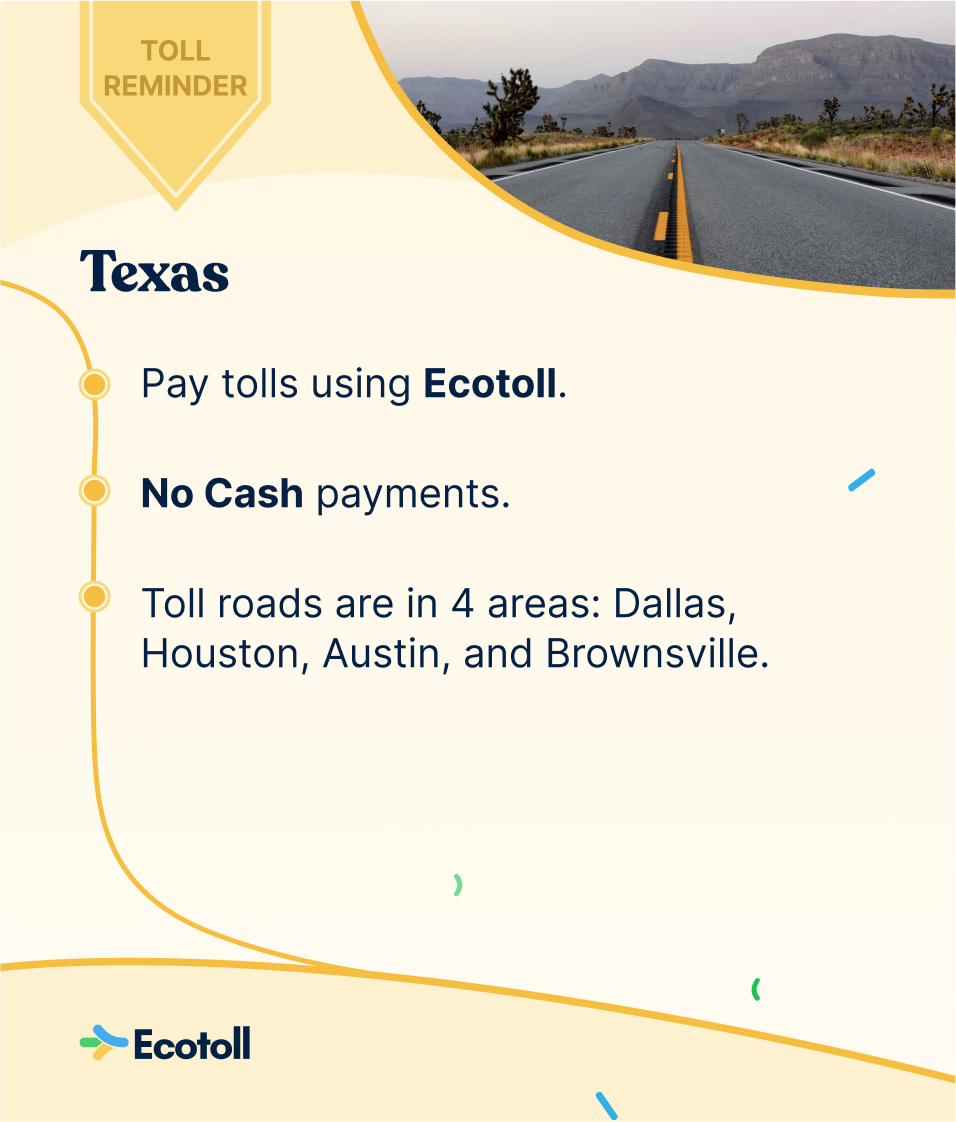
When planning your trip budget, it’s easy to overlook incidental costs like tolls. However, with Texas’s extensive toll system, these costs can add up, particularly if you’re frequently using them in major cities or covering long distances.
Here’s how to effectively budget for tolls:
- Estimate Costs: Use the toll calculators on the respective authority websites to get an estimate of your expected toll charges. Factor in the higher Pay-By-Mail rates if you don’t plan to get an electronic tag.
- Consider Time vs. Money: Decide if the time saved by using toll roads is worth the additional expense. For a leisure trip with no tight schedule, avoiding tolls might be a viable, budget-friendly option. For a business trip or a family vacation where efficiency is key, the tolls are often a worthwhile investment.
- Factor in Rental Car Fees: If renting a car, always include the rental company’s administrative fees in your budget calculations. These are often the most significant part of the toll expense for renters.
- Set Up a TxTag Account: If your trip involves significant driving in Texas and you’re not using a rental car (or found a way to opt out of their toll program), the initial investment in a TxTag account and its automatic replenishment feature can simplify budgeting. You’ll pay the lowest rates and have a clear record of expenses.
By integrating toll costs into your overall travel budget, you can avoid financial surprises and ensure a more relaxed and enjoyable experience as you traverse the magnificent state of Texas.
In conclusion, paying tolls in Texas doesn’t have to be a complicated affair. With a clear understanding of the electronic system, the benefits of using a TxTag, and how to navigate rental car policies, you’re well-equipped for smooth travels. Texas offers a vast playground for explorers, from the vibrant culture of its cities to its breathtaking natural wonders. By preparing for its modern toll road system, you unlock the freedom to explore all that the Lone Star State has to offer, making your journey as efficient and enjoyable as the destinations themselves. Drive safely, plan wisely, and immerse yourself in the unparalleled experiences that await you in Texas.
LifeOutOfTheBox is a participant in the Amazon Services LLC Associates Program, an affiliate advertising program designed to provide a means for sites to earn advertising fees by advertising and linking to Amazon.com. Amazon, the Amazon logo, AmazonSupply, and the AmazonSupply logo are trademarks of Amazon.com, Inc. or its affiliates. As an Amazon Associate we earn affiliate commissions from qualifying purchases.