
Embarking on a new adventure in Texas, whether you’re a seasoned traveler exploring its vast landscapes or a new resident settling into a vibrant community, often involves the freedom of personal transportation. From the bustling metropolises of Houston and Dallas to the live music capital of Austin and the historic charm of San Antonio, a car is more than just a convenience; it’s often a necessity for truly experiencing all that the Lone Star State has to offer. It enables spontaneous road trips through the picturesque Hill Country, expeditions to the rugged beauty of Big Bend National Park, or relaxing escapes to the Gulf Coast‘s South Padre Island. For those contemplating an extended stay, making Texas their home, or even just exploring its diverse attractions beyond the typical tourist routes, acquiring a vehicle is a significant step.
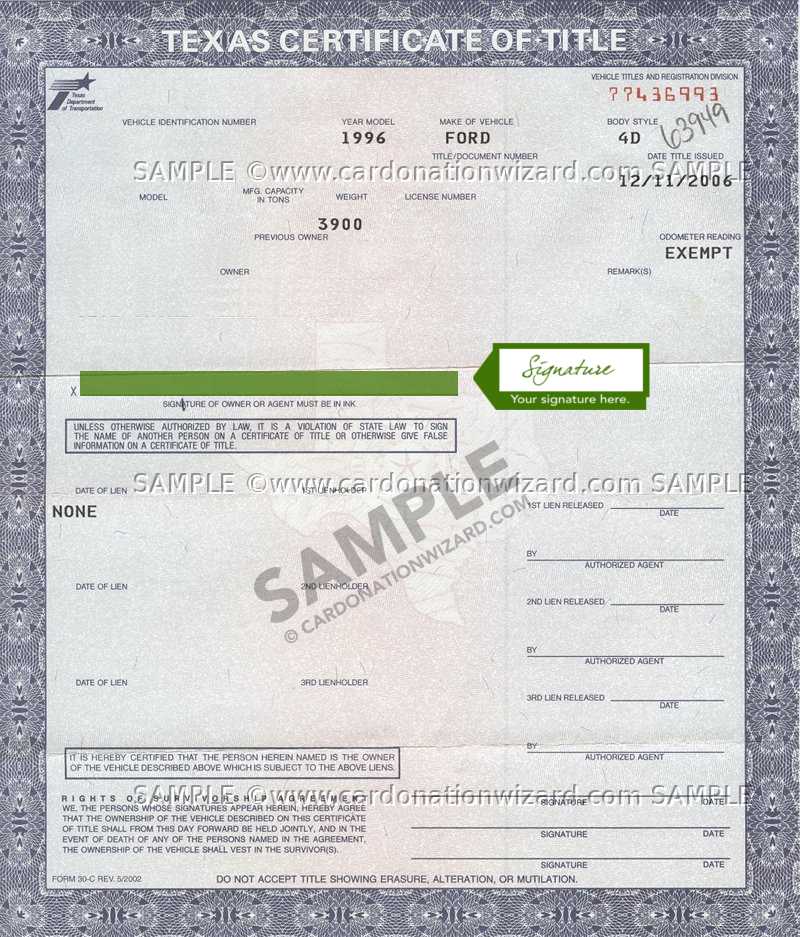
However, owning a vehicle comes with essential legal responsibilities, chief among them being the proper transfer of its title. A car title is the ultimate proof of ownership, a critical document that validates your legal right to the vehicle and enables you to register it, insure it, and eventually sell it. Navigating the process of transferring a car title in Texas can seem daunting at first glance, especially if you’re new to the state or unfamiliar with its specific regulations. This comprehensive guide will demystify the process, ensuring your journey to full vehicle ownership in Texas is as smooth and stress-free as your dream road trip. Understanding these steps is vital not only for compliance but also for protecting yourself as a buyer or seller, ensuring your Texas lifestyle, whether it involves luxury travel or budget travel, remains uninterrupted and legally sound.
The Foundation of Texas Ownership: Understanding Your Car Title
Before diving into the mechanics of title transfer, it’s crucial to grasp what a vehicle title is and why it holds such paramount importance. In essence, the title is a legal document issued by the state that establishes who owns a vehicle. It contains vital information about the car, such as its Vehicle Identification Number (VIN), make, model, year, and the name and address of the legal owner. Unlike registration, which is renewed annually to permit the vehicle to operate on public roads, the title is a one-time document that certifies ownership.
Why a Clear Title Matters for Your Texas Adventures
For anyone buying a vehicle in Texas, ensuring the title is clear and properly transferred is non-negotiable. Without a correctly transferred title, you don’t legally own the vehicle, even if you’ve paid for it. This can lead to a myriad of problems, including:
- Inability to register the vehicle: You won’t be able to get license plates or renew existing registration without a title in your name.
- Insurance complications: Insurers may refuse to cover a vehicle that isn’t legally owned by the policyholder.
- Difficulty selling the vehicle later: When it’s time for a new adventure, you won’t be able to pass on ownership without a valid title.
- Legal disputes: You could face legal challenges if the previous owner still has their name on the title, especially concerning accidents or liabilities.
- Fines and penalties: Texas imposes strict deadlines for title transfer, and failure to comply can result in significant fees.
A clear title protects you from potential fraud and ensures that the vehicle you’re investing in doesn’t have outstanding liens or hidden issues that could jeopardize your ownership. For those planning family trips across Texas’s vast expanse, or needing reliable transport for business stays, securing a properly titled vehicle provides peace of mind and hassle-free mobility.
The Step-by-Step Guide to Transferring a Car Title in Texas
The title transfer process in Texas involves distinct responsibilities for both the seller and the buyer. Understanding each party’s role is key to a seamless transaction. The ultimate destination for this process is your local County Tax Assessor-Collector’s office, which acts on behalf of the Texas Department of Motor Vehicles (TxDMV).
Seller’s Responsibilities: Paving the Way for a Smooth Sale
As the seller, your primary goal is to provide a clean title and accurately document the sale. This protects you from future liability related to the vehicle.
- Locate the Original Title: This is the most crucial document. Ensure it’s the original, not a copy. If lost, you’ll need to apply for a duplicate title from the TxDMV.
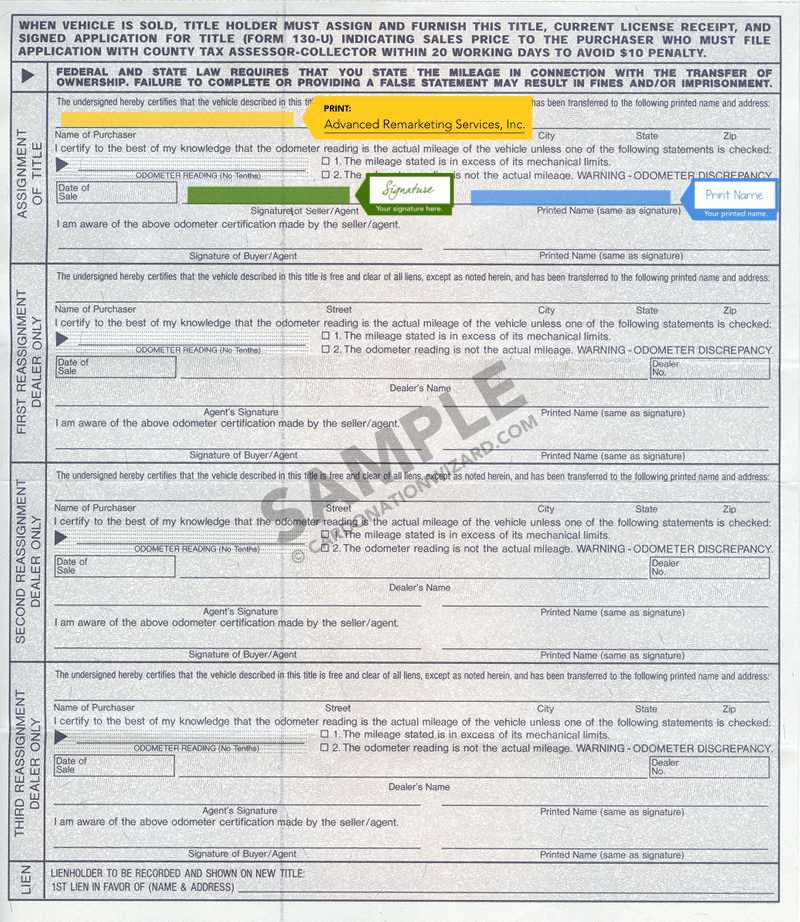
- Complete the Title Assignment: On the back of the Texas Title, there’s a section for assignment of title. You, as the seller, must accurately fill out:
- The purchase price of the vehicle.
- The exact date of sale.
- Your printed name and signature.
- The buyer’s printed name and address.
- The odometer reading at the time of sale. This is a federal requirement for vehicles under 10,000 lbs GVWR and less than 10 years old, to ensure accuracy in mileage.
- Provide a Release of Lien (If Applicable): If you had a loan on the vehicle, the lienholder (e.g., bank) would have held the title or their lien would be recorded on it. Before selling, ensure the lien has been released. You should receive a release of lien document from your lender, which the buyer will need.
- Remove License Plates: In Texas, license plates stay with the seller, not the vehicle. You must remove your plates before the buyer drives away and either transfer them to another vehicle you own or surrender them to your County Tax Assessor-Collector’s office.
- Complete a Vehicle Transfer Notification (VTR-346): This step is critical for your protection. Within 30 days of selling the vehicle, you should submit a Vehicle Transfer Notification online or by mail to the TxDMV. This formally notifies the state that you are no longer the owner, helping shield you from liability for tickets, tolls, or accidents incurred by the new owner.
Buyer’s Journey: Securing Your New Texas Ride
As the buyer, your responsibility is to ensure all documentation is correctly completed and submitted to the state within the mandated timeframe to legally claim ownership and register your vehicle. This is where your exciting Texas adventures truly begin!
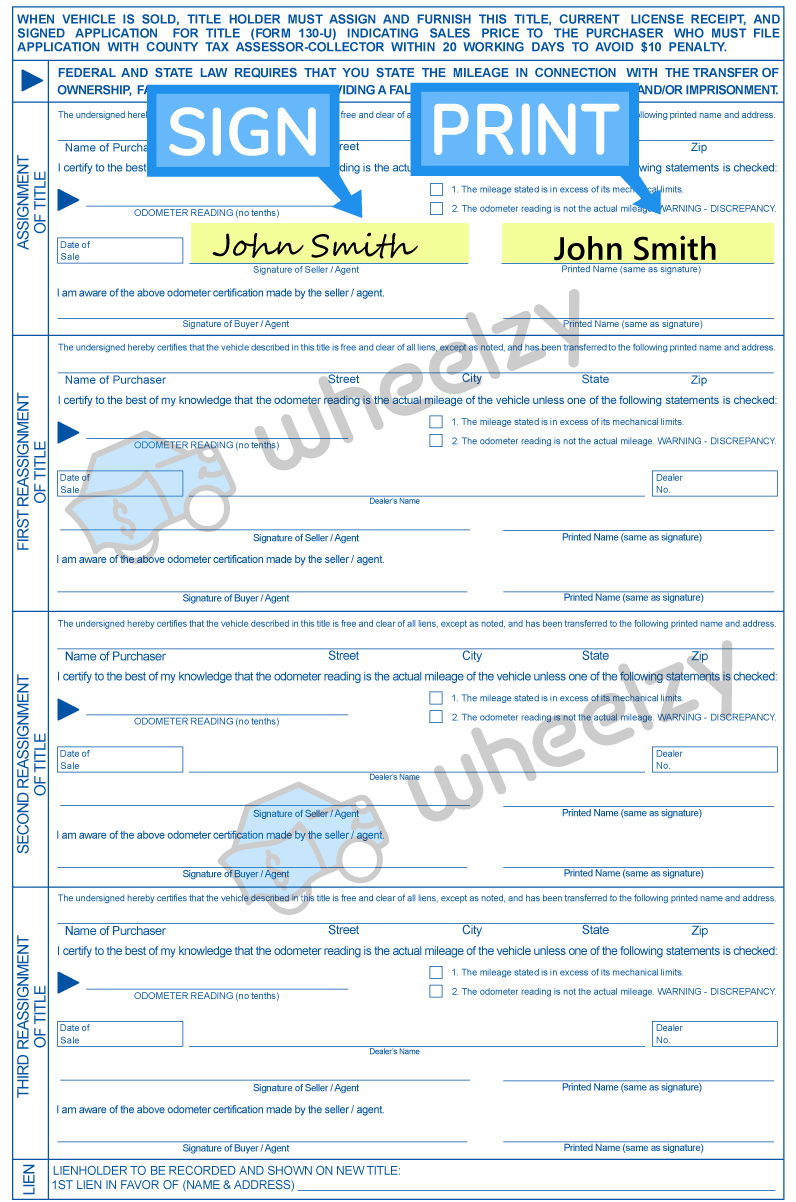
- Obtain the Original Title: Receive the original, properly signed-over title from the seller. Double-check that all seller information, including signature, sale date, and odometer reading, is complete and accurate.
- Secure Proof of Insurance: Before you can register the vehicle, you must have valid liability insurance coverage in Texas. This is a mandatory requirement for all vehicles operating on public roads.
- Pass Vehicle Inspection: Most vehicles in Texas are required to pass an annual safety inspection, and some counties also require an emissions inspection. You must get the vehicle inspected at an official Texas Vehicle Inspection Station before you can register it.
- Complete Form 130-U (Application for Texas Title and/or Registration): This is the key form for buyers. You’ll need to fill in your personal information, the vehicle details, the purchase price, and other pertinent data. Both the buyer and seller’s signatures may be required on this form, depending on the circumstances, so it’s often best to complete this with the seller present or obtain their signature beforehand.
- Visit the County Tax Assessor-Collector’s office: This is where you’ll submit all your documents and pay the necessary fees. Bring all required items:
- The original, properly assigned title.
- Completed Form 130-U.
- Proof of current Texas liability insurance.
- Vehicle Inspection Report (VIR).
- Valid photo identification.
- Payment for fees (sales tax, title transfer fee, registration fee).
Navigating the Texas Department of Motor Vehicles (DMV): Required Documents and Fees
While the TxDMV sets the policies, the actual processing of title transfers and registrations happens at the local County Tax Assessor-Collector’s office. It’s always a good idea to check their specific requirements or make an appointment, as local offices may have slightly varying procedures or wait times.
Key Documents to Bring:
- Original Texas Title: Signed by the seller, with all fields completed.
- Form 130-U: Application for Texas Title and/or Registration, completed and signed.
- Proof of Insurance: Current liability policy in the buyer’s name.
- Vehicle Inspection Report (VIR): From an authorized Texas inspection station.
- Valid Photo ID: Your driver’s license or state-issued ID.
- Proof of Sales Tax Exemption (if applicable): For gifts or certain other scenarios, a Form VTR-141 (Affidavit of Motor Vehicle Gift Transfer) might be needed.
- Form VTR-41 (Affidavit of Fact): May be required for specific situations, such as correcting errors on the title, or clarifying odometer discrepancies.
Associated Fees:
- Sales Tax: Generally 6.25% of the purchase price or the standard presumptive value (SPV) of the vehicle, whichever is greater. The SPV is a value determined by the state based on the vehicle’s make, model, and year, to prevent underreporting of sale prices.
- Title Transfer Fee: A nominal fee, typically around $33, though this can vary slightly by county.
- Registration Fee: The annual fee for license plates and registration stickers, typically around $50.75, plus any local county fees.
- Inspection Fee: Paid at the inspection station, separate from the County Tax Assessor-Collector’s office.
Essential Considerations and Common Pitfalls
Even with a clear understanding of the steps, certain details and special situations can complicate the title transfer process. Being aware of these can save you time, money, and potential legal headaches.
Deadlines, Fees, and Penalties: What You Need to Know
Texas enforces a strict deadline for buyers to transfer a vehicle title. You have 30 calendar days from the date of sale to apply for a title transfer at the County Tax Assessor-Collector’s office.
- Penalties for Late Transfer: If you fail to transfer the title within 30 days, you will incur a late transfer penalty fee. This can add significant costs to your transaction, on top of any accumulated sales tax and title transfer fee.
- Buyer Protection Rule: As a buyer, if the seller does not provide you with a properly assigned title within the legal timeframe, you have avenues for recourse, including potentially cancelling the sale. Always ensure you receive the correct documentation at the time of purchase.
- Seller Protection: The seller’s 30-day deadline for filing the Vehicle Transfer Notification is equally important to avoid liability. Neglecting this could result in you being responsible for actions of the new owner.
Special Scenarios: Gifts, Inheritance, and Out-of-State Transfers
The standard title transfer process covers most private sales, but some situations have unique requirements:
- Gifts: If a vehicle is gifted from one family member to another (e.g., parent to child, spouse to spouse), you might be exempt from paying sales tax on the transfer, although the title transfer fee still applies. To claim this exemption, you’ll typically need to complete a Form VTR-141 (Affidavit of Motor Vehicle Gift Transfer). Specific rules apply to who qualifies as a “family member” for this exemption.
- Inherited Vehicles: Transferring a title for an inherited vehicle depends on whether there’s a will and if the estate is going through probate. This can be a complex process, often requiring legal counsel and specific probate court documents. Generally, the executor or administrator of the estate will need to sign the title over to the heir.
- Out-of-State Vehicles: If you’re bringing a vehicle into Texas from another state, the process has a few extra steps. You’ll need your out-of-state title, proof of Texas insurance, and a Texas vehicle inspection. The County Tax Assessor-Collector’s office will verify the VIN and process the new Texas Title. You’ll pay Texas Sales Tax if you haven’t paid sales tax in another state or if the amount paid was less than what Texas would charge.
- Vehicles with Liens: If the seller still owes money on the vehicle, their lender holds the title. The seller must pay off the loan and obtain a lien release from the lender. This release, along with the original title (which the lender will send directly to the seller or the TxDMV), is essential for the buyer to complete the transfer. Never purchase a vehicle if the seller cannot provide a clear title or a valid lien release.
Enhancing Your Texas Experience: Beyond the Title Transfer
Once the title is safely in your name and your vehicle is registered, a world of Texas possibilities opens up. A properly titled vehicle isn’t just a legal formality; it’s your ticket to unparalleled freedom and countless experiences. Imagine cruising through the vast plains to Palo Duro Canyon State Park, exploring the remote wilderness of Big Bend Ranch State Park, or taking a leisurely drive along the Gulf Coast to discover charming seaside towns.
- Road Trip Planning: Now that you’re a legitimate vehicle owner, dive into planning your Texas adventures. Consider iconic routes, scenic drives, and hidden gems. Websites like
lifeoutofthebox.comoffer extensive guides on destinations, attractions, and experiences across North America, perfect for mapping out your next journey. - Vehicle Maintenance: To ensure your vehicle is always ready for the open road, establish a regular maintenance schedule. This not only keeps you safe but also extends the life of your investment.
- Accommodation Choices: With a car, your accommodation options expand exponentially. You’re no longer limited to hotels within walking distance of public transport. Explore charming boutique hotels, rustic cabins near national parks, or even apartments and villas for long-term stays that are off the beaten path. Our website provides extensive reviews and comparison tools for finding the perfect place to rest after a day of exploration.
- Local Culture and Tourism: Your vehicle allows you to delve deeper into Texas’s local culture, from savoring authentic BBQ joints in rural towns to visiting historic landmarks and vibrant art districts that might be inaccessible by other means.
In conclusion, transferring a car title in Texas is a fundamental administrative task that, while seemingly complex, is straightforward once you understand the necessary steps and required documents. By diligently following the guidelines for both sellers and buyers, and being mindful of deadlines and special circumstances, you can ensure your vehicle ownership is legally sound. This careful attention to detail not only protects your investment but also unlocks the full potential of exploration and personal freedom that a vehicle provides in the magnificent state of Texas. So, get that title transferred, hit the road, and let your Texas adventure begin!
LifeOutOfTheBox is a participant in the Amazon Services LLC Associates Program, an affiliate advertising program designed to provide a means for sites to earn advertising fees by advertising and linking to Amazon.com. Amazon, the Amazon logo, AmazonSupply, and the AmazonSupply logo are trademarks of Amazon.com, Inc. or its affiliates. As an Amazon Associate we earn affiliate commissions from qualifying purchases.