
Navigating the ebb and flow of life in the United States, and particularly within the vibrant expanse of Texas, can present unexpected challenges. Among these, periods of unemployment stand out, often prompting questions about financial stability and the ability to maintain one’s desired lifestyle. While the immediate concern is securing new employment, understanding the unemployment system in Texas is crucial. It’s not just about receiving a benefit; it’s about leveraging a temporary safety net to strategize your next career move, maintain your well-being, and even explore local opportunities that align with a travel and lifestyle-oriented perspective.
For many, the dream of exploring new destinations, experiencing diverse cultures, or simply enjoying the unique offerings of their home state is a core part of their lifestyle. When facing unemployment, it might seem these aspirations must be put on indefinite hold. However, with a clear understanding of how unemployment works in Texas, individuals can make informed decisions that allow for financial resilience, strategic job searching, and even a degree of continued enjoyment of Texas’s attractions, albeit often on a more modest budget. This comprehensive guide will delve into the intricacies of the Texas unemployment system, offering insights that empower you to manage this period effectively, turning potential setbacks into opportunities for growth, local exploration, and future planning.
Understanding Texas Unemployment Benefits: A Foundation for Financial Resilience
For residents of the Lone Star State, the Texas Workforce Commission (TWC) serves as the primary administrator of unemployment benefits. These benefits, officially known as Unemployment Insurance (UI), are designed to provide temporary financial assistance to eligible individuals who have lost their jobs through no fault of their own. Far from being a mere handout, UI acts as a vital bridge, allowing job seekers to cover essential expenses while diligently searching for new work. Understanding this system is the first step towards maintaining financial resilience and ensuring that a temporary career hiatus doesn’t completely derail your lifestyle goals.
Eligibility Requirements in the Lone Star State
To qualify for unemployment benefits in Texas, applicants must meet specific criteria established by the TWC. These requirements primarily revolve around your work history and the circumstances of your job separation.
Firstly, you must have earned enough wages in what is called the “base period” – typically the first four of the last five completed calendar quarters before you filed your claim. The exact minimum wage requirements can vary, but this ensures that benefits are tied to recent work history. Secondly, and critically, you must be unemployed through no fault of your own. This generally means you were laid off, your position was eliminated, or you were terminated for reasons other than misconduct. If you voluntarily quit your job, you may still be eligible, but only under specific circumstances, such as for good cause related to the work or employer, or if you left due to domestic violence or certain medical reasons. The TWC will investigate the reason for separation to make a determination.
Beyond these initial hurdles, you must also be physically able to work, available for work, and actively seeking new employment. This last point is particularly important for anyone considering travel during this period; while staycations and local excursions are encouraged for mental well-being, actively seeking and being available for work remain non-negotiable requirements for continued benefit eligibility. Understanding these stipulations from the outset sets a clear framework for managing your time and expectations during unemployment.
Calculating Your Benefits: What to Expect
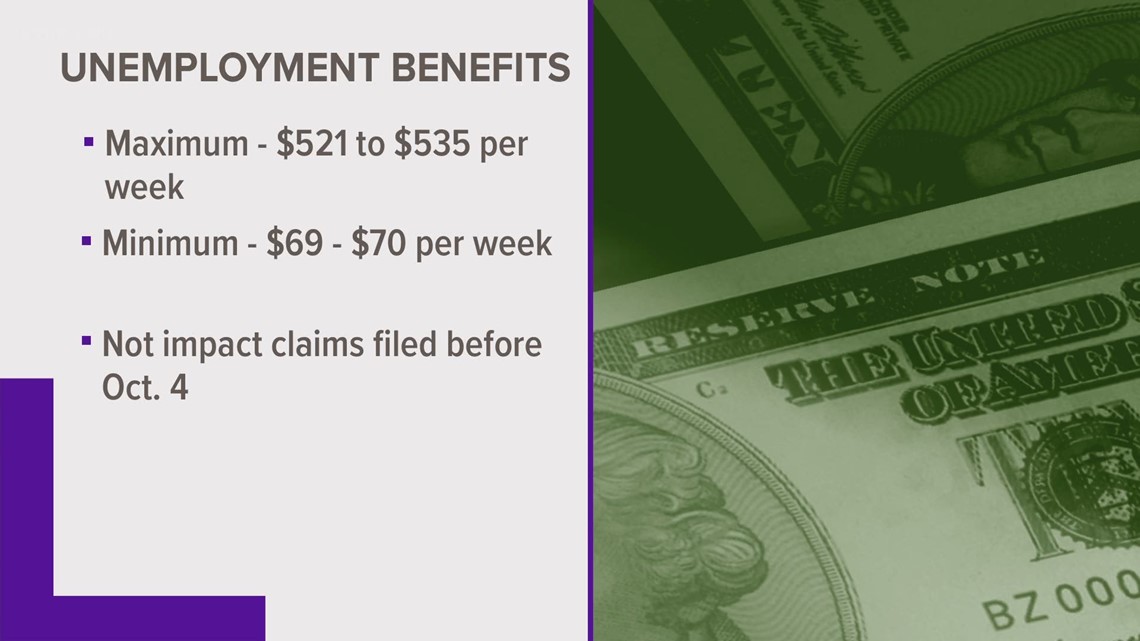
Once deemed eligible, the next natural question is: how much will you receive, and for how long? In Texas, your weekly benefit amount (WBA) is calculated based on your earnings during your base period. Specifically, it’s approximately 1/25th of the wages in the quarter where you earned the most, up to a maximum weekly benefit. As of my last update, the maximum weekly benefit in Texas is $597, though this figure can be adjusted periodically. This maximum applies regardless of how high your previous earnings were.
Additionally, the duration of benefits is typically 26 weeks, though this can be extended during periods of high unemployment through federal programs. It’s important to remember that this income is taxable, so it’s wise to factor this into your financial planning. Knowing your potential weekly benefit allows you to create a realistic budget, allocate funds for essential expenses, and perhaps even earmark a small portion for budget-friendly local activities that keep your spirits up, directly supporting the “Lifestyle” and “Tourism” aspects of our discussion. This financial clarity can significantly reduce stress, empowering you to focus on your job search and maintain a semblance of normalcy.
The Role of the Texas Workforce Commission (TWC)
The Texas Workforce Commission (TWC) is the central agency responsible for administering UI benefits, along with a host of other workforce development programs. Beyond processing claims and issuing payments, the TWC offers invaluable resources for job seekers. Their website and local career centers provide access to job postings, resume assistance, interview workshops, and career counseling.
For those interested in exploring Texas’s diverse regions for job opportunities, the TWC can be a crucial starting point. They have offices and resources available throughout the state, from bustling metropolises like Houston and Dallas to smaller towns. Engaging with the TWC isn’t just a requirement for benefits; it’s an opportunity to tap into a network designed to help you transition back into employment effectively. Furthermore, understanding their services helps you fulfill the active job search requirements, making the entire process smoother and more productive.
Navigating the Application Process: Practical Steps for Texans
Applying for unemployment benefits can seem daunting, but the Texas Workforce Commission has streamlined much of the process. Approaching it methodically can save time and reduce frustration, allowing you to quickly secure this financial bridge and turn your attention to new opportunities or well-deserved, budget-conscious local excursions.
The Online Application Journey
The most efficient way to apply for unemployment benefits in Texas is online through the TWC website. The application is typically available 24/7, making it accessible at your convenience. Before you begin, it’s advisable to gather all necessary information to complete the process in one sitting. The online portal guides you through a series of questions about your work history, the circumstances of your job separation, and your personal details.
It’s crucial to be accurate and thorough when filling out the application. Any discrepancies or missing information could delay your claim. After submitting your initial application, you will be given a certification schedule. This schedule dictates when you need to certify for benefits, usually every two weeks, confirming your continued eligibility by reporting any earnings, job refusals, or changes in your availability for work. Consistently meeting these deadlines is paramount to receiving uninterrupted benefits, allowing for more predictable financial planning during your job search.
Essential Documentation and Information
To ensure a smooth application process, have the following information readily available:
- Your Social Security number.
- Your driver’s license or state ID number.
- Your complete mailing address and phone number.
- The names and addresses of all your employers for the last 18 months, along with their phone numbers and dates of employment.
- Reasons for separation from each employer.
- Your wage information for the past 18 months (e.g., pay stubs, W-2s).
- If you are not a U.S. citizen, your Alien Registration Number and expiration date.
- If you are a veteran, your DD Form 214.
Having these details on hand will significantly speed up the online application. Accurate information is key for the TWC to verify your eligibility and calculate your benefits correctly. This proactive approach to documentation also aligns with a well-organized lifestyle, preparing you for any administrative requirements during this period.
The Importance of Continuing Eligibility Requirements

Receiving unemployment benefits isn’t a passive process; it comes with ongoing responsibilities. Primarily, you must be able to work, available for work, and actively searching for work. The TWC requires you to register on WorkInTexas.com, their online job board, and to log a certain number of job search activities each week (usually three, but check current requirements). These activities can include applying for jobs, attending job fairs, networking, or participating in career workshops.
Failing to meet these continuing eligibility requirements can result in delayed or denied benefits. It’s also vital to report any earnings from part-time work or temporary gigs, as these can affect your weekly benefit amount. Maintaining consistent communication with the TWC and honestly reporting your activities ensures compliance and helps you avoid potential overpayments that you would later have to repay. For individuals using this time to explore job markets in different Texas cities, such as considering a move to Austin for tech opportunities or San Antonio for its vibrant tourism sector, documenting these explorations as job search activities is essential.
Lifestyle Adjustments & Opportunities During Unemployment: Embracing Texas on a Budget
Unemployment, while financially restrictive, doesn’t have to mean a complete halt to enjoying life or exploring your surroundings. In fact, for those who appreciate travel and unique experiences, it can be an opportunity to discover the rich offerings of Texas on a budget. This period encourages a shift in perspective, moving from grand international tours to the equally rewarding, yet far more affordable, world of local tourism and staycations.
Mastering the Art of the Staycation
A staycation is a fantastic way to recharge and explore without the expense of travel. Texas offers an incredible array of possibilities for enriching, low-cost experiences right in your backyard. Consider dedicating a day to exploring your own city as if you were a tourist. In Houston, for example, you could visit Hermann Park, explore the free galleries in the Museum District, or enjoy a picnic along Buffalo Bayou. In Dallas, the Dallas Arts District offers numerous free attractions, and strolling through Klyde Warren Park provides a vibrant urban experience.
For those in Austin, enjoying Barton Springs Pool, hiking the Barton Creek Greenbelt, or catching the famous bat flight under the Congress Avenue Bridge are quintessential Austin experiences that cost little to nothing. In San Antonio, while the River Walk is famous, you can also explore the historic missions (including the Alamo) which are UNESCO World Heritage Sites and offer free admission. These local explorations feed the desire for “Travel” and “Tourism” while responsibly managing your “Lifestyle” during a tight financial period. They offer mental breaks crucial for sustained job searching.
Budget-Friendly Exploration: Unearthing Texas’s Hidden Gems
Beyond your immediate city, Texas boasts an immense landscape ripe for budget-friendly day trips and short excursions. The Texas Hill Country offers scenic drives, charming small towns like Fredericksburg and Wimberley (where window shopping and park visits are free), and numerous state parks with minimal entrance fees for hiking, swimming, and picnicking. For instance, Pedernales Falls State Park provides breathtaking natural beauty.
Further south, the Gulf Coast provides opportunities for free beach access in towns like Galveston or Port Aransas, where a day by the ocean can be incredibly therapeutic. Even a visit to the Space Center Houston can be made more affordable by checking for local discounts or free admission days. These excursions, carefully planned to minimize fuel costs and food expenses (pack your own lunches!), provide a vital sense of adventure and a break from the routine of job hunting. They underscore that valuable “Travel” experiences don’t always require expensive flights or luxury “Hotels.”
Short-Term Accommodation Solutions for Job Searches or Transitions
For some, unemployment might necessitate temporary relocation for job interviews or to explore new job markets. Texas’s vastness means that a promising job in El Paso might require a short stay if you currently reside in Houston. In these scenarios, budget-friendly “Accommodation” becomes key.
Look for extended-stay hotels like Motel 6 or Extended Stay America, which often offer weekly rates that are significantly cheaper than daily rates. Websites focused on “Accommodation” and “Hotels” comparisons can help you find the best deals. Consider guest houses or even short-term apartment rentals in areas with high job concentrations, like Plano or Fort Worth, to minimize costs during a focused job search trip. This strategic use of temporary housing supports your career transition while managing the “Lifestyle” aspects of relocation, ensuring you’re comfortable without overspending.
Beyond Unemployment: Rebuilding, Relocation, and Future Travel Aspirations
Unemployment is, by definition, a temporary state. The ultimate goal is re-employment, and understanding how to strategically approach this phase can not only accelerate your job search but also lay the groundwork for a more robust financial future, allowing you to reclaim and even elevate your desired travel and lifestyle aspirations.
Strategic Job Searching Across Texas’s Diverse Regions
Texas is a land of diverse economies, and a period of unemployment can be an ideal time to assess where your skills are most in demand. Austin is a tech hub, Houston thrives on energy and medicine, Dallas is strong in finance and corporate headquarters, and San Antonio boasts a robust tourism and military presence. Researching these distinct job markets and being open to relocation within the state can significantly broaden your opportunities.
The TWC website and various online job boards allow you to search by city and industry. Actively engaging with these platforms and networking with professionals across different regions can reveal paths you hadn’t considered. If a move is on the horizon, consider short trips to these cities to get a feel for the local culture, housing market, and amenities – all valuable insights for your “Lifestyle” and “Accommodation” planning, even if those initial visits are budget-conscious.
Planning for Future Adventures
Successfully navigating unemployment and securing a new job doesn’t just restore your income; it reignites your ability to plan for future adventures. The lessons learned in budgeting and financial resilience during unemployment can be carried forward, helping you save more effectively for dream trips. Whether it’s a long-awaited international destination, a luxurious stay at a resort in the Caribbean, or a road trip through Big Bend National Park, the experience of managing finances during a lean period can make future “Travel” goals feel more achievable.
Consider this time as a strategic pause to redefine your financial priorities. Once re-employed, you can set aside a dedicated travel fund, drawing on the disciplined budgeting you honed while receiving unemployment benefits. This approach transforms a challenging period into a foundation for realizing long-term “Lifestyle” and “Travel” dreams.

The Mental Well-being Aspect: Short Breaks and Local Recharge
The stress of unemployment and job searching can take a significant toll on mental well-being. This is where the brief, budget-friendly “Travel” and “Tourism” activities discussed earlier become not just optional perks but crucial elements of self-care. A morning spent at a local park, an afternoon exploring a free museum, or a day trip to a nearby natural landmark can provide the mental break needed to stay motivated and resilient.
These small acts of local exploration are vital for maintaining a positive outlook. They remind you of the beauty and experiences that still exist, even when your financial situation is constrained. Engaging with local culture, taking in historical sites like the Texas State Capitol in Austin, or simply enjoying a walk on a Galveston beach provides a sense of continuity and hope, which are invaluable during a career transition. These “Experiences” are an investment in your mental health, supporting your overall “Lifestyle” during a challenging time.
In conclusion, understanding “How Does Unemployment Work In Texas?” is more than just knowing how to file a claim; it’s about grasping a system that supports your financial resilience during a challenging period. By being proactive, informed, and resourceful, residents of Texas can navigate unemployment not just as a hurdle, but as an opportunity. It’s a chance to refine budgeting skills, explore the incredible local attractions of the Lone Star State on a budget, strategically plan your next career move, and ultimately, lay a stronger foundation for achieving your future “Travel,” “Accommodation,” and “Lifestyle” aspirations. Embrace this period as a time for personal and professional growth, making the most of every resource and every local adventure Texas has to offer.
LifeOutOfTheBox is a participant in the Amazon Services LLC Associates Program, an affiliate advertising program designed to provide a means for sites to earn advertising fees by advertising and linking to Amazon.com. Amazon, the Amazon logo, AmazonSupply, and the AmazonSupply logo are trademarks of Amazon.com, Inc. or its affiliates. As an Amazon Associate we earn affiliate commissions from qualifying purchases.