
The journey between Dallas and Houston is a quintessential Texas experience, connecting two of the state’s most vibrant and influential cities. Often described as friendly rivals, these metropolitan powerhouses represent different facets of Lone Star State culture, economy, and urban life. Whether you’re planning a weekend getaway, a business trip, or simply passing through, understanding the distance and various travel options is key to a smooth and enjoyable journey.
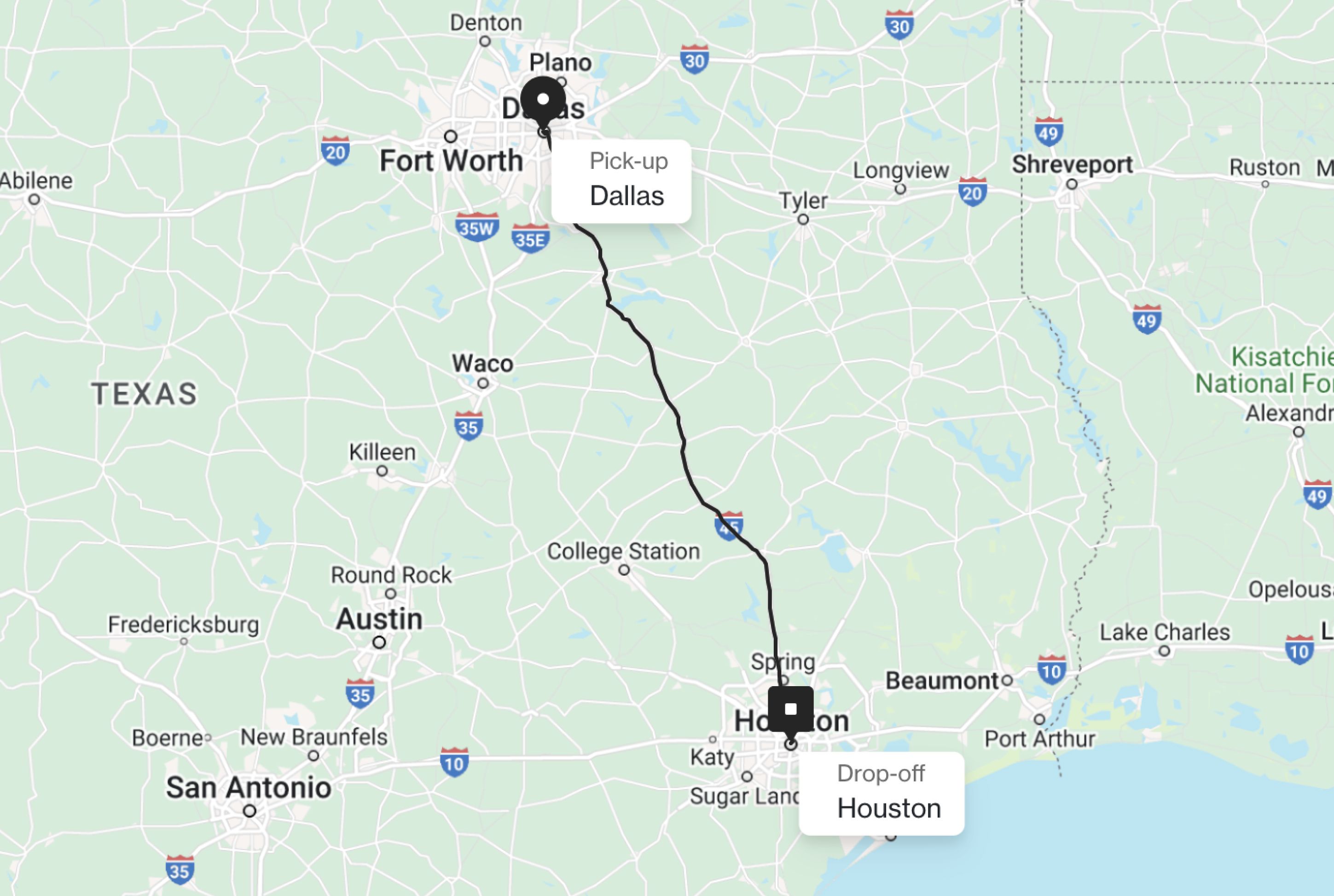
At its core, the distance between Dallas and Houston is approximately 240 miles (386 kilometers). This translates to an average driving time of 3.5 to 4 hours under normal conditions, primarily following Interstate 45 (I-45), the most direct route. However, as with any substantial road trip, several factors can influence the actual travel time, including traffic congestion, weather, construction, and, of course, how often you stop to explore the charming towns and unique roadside attractions that dot the Texas landscape. This article will delve into the various ways to make this journey, offer insights into what awaits you in both destination cities, and provide tips for planning an unforgettable Texas adventure.
Navigating the Lone Star State: Distance and Your Journey Options
The 240-mile stretch between Dallas and Houston offers a range of travel options, each with its own set of advantages regarding cost, convenience, and experience. Your choice will largely depend on your budget, time constraints, and desired level of flexibility.
Driving: The Quintessential Texas Road Trip
For many, especially those embarking on a family trip or seeking maximum independence, driving is the preferred method. The drive itself is straightforward, predominantly along I-45, a major interstate highway that bisects much of eastern Texas.
- Flexibility and Freedom: Driving provides unparalleled freedom to set your own schedule, make spontaneous stops, and carry as much luggage as you need. This is particularly appealing for travelers who wish to explore smaller towns or natural landmarks along the way, turning the commute into part of the adventure.
- Cost Considerations: The primary costs associated with driving include fuel, potential tolls (though I-45 itself is largely toll-free between the cities, some access roads or routes within the metro areas may have them), and car rental if you don’t own a vehicle. Fuel prices in Texas are generally reasonable, but they can fluctuate. For families or groups, sharing the cost of gas and tolls can make driving a very economical option.
- Challenges: The main challenges are traffic congestion, particularly during peak hours around Dallas and Houston, and potential driver fatigue. Planning your departure to avoid rush hour can significantly reduce travel time and stress.
Bus Services: An Economical and Convenient Choice
For budget-conscious travelers or those who prefer to sit back and relax without the hassle of driving, bus services offer a practical alternative. Several reputable bus companies operate frequent routes between the two cities.
- Providers: Major operators like Greyhound and Megabus provide daily services. They offer varying levels of comfort, often including amenities like Wi-Fi, power outlets, and reclining seats, making the journey pleasant.
- Cost-Effectiveness: Bus tickets are typically the most affordable option, especially if booked in advance. Prices can vary depending on the provider, time of day, and how far in advance you purchase your ticket.
- Travel Time: While generally longer than driving, usually ranging from 4 to 5 hours due to scheduled stops and traffic, bus travel allows you to avoid parking fees and the stress of navigating unfamiliar city streets. It’s an excellent choice for solo travelers or students.
Air Travel: Speed and Efficiency
For those prioritizing speed above all else, flying between Dallas and Houston is an option, though it often becomes viable only for very specific circumstances, such as connecting flights or urgent business travel.
- Flight Duration: The actual flight time is remarkably short, usually around 1 hour.
- Major Airports: Both cities are served by multiple airports:
- In Dallas: Dallas/Fort Worth International Airport (DFW) and Dallas Love Field (DAL).
- In Houston: George Bush Intercontinental Airport (IAH) and William P. Hobby Airport (HOU).
- Total Travel Time: While the flight is quick, the overall travel time can easily extend to 3-4 hours or more when factoring in travel to and from airports, security checks, boarding, and baggage claim. This often negates the advantage over driving for such a relatively short distance.
- Cost: Airfares can fluctuate wildly. While sometimes you can find competitive prices, they are often comparable to, or even higher than, driving or taking the bus, especially once you add in baggage fees and ground transportation to and from the airports.
Train Travel: A Scenic and Relaxing Alternative
Amtrak offers train service between Dallas and Houston via its Texas Eagle route. This option is less about speed and more about the experience.
- Experience: Train travel provides a unique, relaxed, and often scenic way to journey. Passengers can enjoy comfortable seating, dining cars, and the ability to move around, making it a stress-free alternative to driving or flying.
- Travel Time: The train journey is significantly longer than other options, typically taking around 7-8 hours. This is due to slower speeds and multiple stops along the route.
- Ideal For: This option is best for those who are not in a hurry, enjoy the charm of rail travel, and perhaps wish to work or relax uninterrupted during their commute.
Beyond the Miles: What to See and Do Along the Way
The drive between Dallas and Houston doesn’t have to be a race against the clock. It can be an opportunity to discover charming small towns, natural beauty, and quirky roadside attractions that embody the spirit of Texas. Turning your commute into a mini-adventure is a fantastic way to enrich your travel experience.

Stopover Ideas for a Memorable Drive
- Huntsville: Roughly halfway between the two cities, Huntsville is famously home to the towering 77-foot-tall Sam Houston Statue, dubbed “A Tribute to Courage.” It’s an iconic photo opportunity. The town also hosts Sam Houston State University and is adjacent to a portion of the vast Sam Houston National Forest, offering opportunities for a quick nature break or a short hike.
- Conroe: A bit closer to Houston, Conroe provides access to Lake Conroe, a popular spot for fishing, boating, and various water sports. If you’re looking for a refreshing break from the road, a quick stop by the lake can be revitalizing.
- Corsicana: For those with a sweet tooth, a detour to Corsicana is a must. This historic town is home to the famous Collin Street Bakery, renowned worldwide for its fruitcakes since 1896. Stop in for a sample, a fresh pastry, or to grab a souvenir. The town also boasts charming historic architecture.
- The Texas State Railroad (near Palestine): While a bit off the direct I-45 route, if you have extra time and a love for history, consider a slight detour east to Palestine. Here, you can experience a historic steam train ride through the East Texas pines. It’s a wonderful attraction, especially for families, connecting to the website’s “experiences” and “landmarks” themes.
These small towns and attractions offer a glimpse into local Texas culture, provide excellent spots for a meal, and help break up the journey, transforming a simple drive into a more engaging travel experience.
Exploring Dallas and Houston: A Tale of Two Texas Titans
Upon arriving, whether in Dallas or Houston, you’ll discover two distinct urban landscapes, each offering a rich tapestry of attractions, culinary delights, and unique vibes. Both cities are economic powerhouses, but they offer different reasons to visit, appealing to various lifestyle preferences and tourism interests.
Dallas: Big City Charm and Modern Flair
Dallas is often associated with its sophisticated urban core, booming business sector, and a vibrant arts and culture scene. It’s a city that blends Southern hospitality with a sleek, modern aesthetic.
- Arts and Culture: The Dallas Arts District is one of the largest in the nation, home to the world-renowned Dallas Museum of Art, the Nasher Sculpture Center, and the Winspear Opera House. Visitors can immerse themselves in world-class exhibitions and performances.
- History and Reflection: The Sixth Floor Museum at Dealey Plaza offers a poignant look into the assassination of President John F. Kennedy, serving as a significant historical landmark and a place of reflection.
- Entertainment and Lifestyle: Deep Ellum buzzes with live music venues, eclectic bars, and unique shops, making it a hub for nightlife and local culture. Klyde Warren Park, built over a freeway, is an urban oasis offering green space, food trucks, and free activities, perfect for families or a relaxing afternoon.
- Shopping and Dining: Dallas boasts premier shopping destinations like NorthPark Center and the Dallas Galleria. The culinary scene is incredibly diverse, ranging from upscale steakhouses to authentic Tex-Mex and innovative fusion cuisine, catering to all tastes and budgets.
- Accommodation in Dallas: For those seeking luxury travel, hotels like The Ritz-Carlton Dallas or the Omni Dallas Hotel offer exquisite amenities and prime locations. Boutique hotels in areas like Uptown or Deep Ellum provide unique experiences, while numerous well-known chains offer comfortable and convenient options for budget travel or business stays.
Houston: Space, Culture, and Culinary Delights
Houston is a sprawling metropolis known for its immense size, diverse population, and a distinct blend of aerospace innovation, world-class museums, and a thriving food scene.
- Space Exploration: No visit to Houston is complete without a trip to Space Center Houston, the official visitor center for NASA Johnson Space Center. It’s an educational and awe-inspiring experience for all ages, offering a close-up look at space artifacts, astronaut training facilities, and mission control.
- Museums and Green Spaces: The Houston Museum District is home to 19 museums, including the Museum of Fine Arts, Houston, and the Houston Museum of Natural Science, providing a rich cultural immersion. Buffalo Bayou Park offers stunning skyline views, walking and biking trails, and even kayaking opportunities, providing a natural escape within the urban jungle.
- Culinary Mecca: Houston’s food scene is incredibly diverse, reflecting its multicultural population. From acclaimed fine dining establishments to casual food trucks, you can find everything from authentic Vietnamese pho and Mexican tacos to world-class BBQ and seafood. It’s a true foodie paradise.
- Shopping: The Galleria, Texas’s largest shopping mall, offers an upscale shopping experience with hundreds of stores, restaurants, and even an ice rink.
- Accommodation in Houston: Houston caters to a wide array of accommodation needs. Downtown Houston features numerous business-oriented hotels like the Marriott Marquis Houston with its famous Texas-shaped lazy river, ideal for business stays or those attending conventions. The Galleria area offers high-end resorts and stylish boutique hotels. For family trips or longer stays, serviced apartments and budget-friendly options are plentiful throughout the city.
Planning Your Perfect Texas Getaway: Accommodation and Lifestyle
Regardless of whether Dallas or Houston is your primary destination, careful planning of your accommodation and considering your preferred lifestyle can significantly enhance your trip.
Finding Your Ideal Stay
The right hotel or accommodation can transform a good trip into a great one. Both Dallas and Houston offer a vast array of choices:
- Luxury Hotels and Resorts: For those seeking a lavish experience, both cities boast 5-star hotels with world-class amenities, spas, and gourmet dining. These often cater to luxury travel and provide an indulgent escape.
- Boutique Hotels: If you prefer unique charm and personalized service, numerous boutique hotels offer distinctive design and a more intimate atmosphere, often reflecting the local culture of their neighborhoods.
- Budget-Friendly Options: For budget travel, a wide selection of mid-range hotels, motels, and guesthouses can be found without sacrificing comfort. Utilizing booking platforms and comparing options is key to finding the best deals.
- Serviced Apartments and Extended Stays: For longer visits, family trips, or those preferring self-catering facilities, serviced apartments or apartment-style hotels offer space, privacy, and kitchenettes.
- Location, Location, Location: Consider your itinerary when choosing your stay. Do you want to be in the heart of the action (downtown, arts districts), close to specific attractions, or in a quieter, residential neighborhood? Proximity to public transport or major highways can also be a deciding factor. Always check reviews and comparison sites before making a final decision.
Tailoring Your Trip: Lifestyle Considerations
Your trip should reflect your personal lifestyle and preferences. Both Dallas and Houston offer diverse experiences catering to different needs.
- Family Trips: Focus on kid-friendly attractions like Space Center Houston, the Dallas World Aquarium, or interactive museums. Look for hotels with pools or family suites.
- Business Stays: Prioritize accommodation close to convention centers or corporate offices. Look for hotels with excellent Wi-Fi, business centers, and amenities like fitness facilities or executive lounges.
- Luxury Travel vs. Budget Travel: Define your budget early. Texas offers options at every price point, from opulent resorts and fine dining to affordable motels and delicious street food trucks.
- Exploring Local Culture: Seek out opportunities to experience the true spirit of each city. This could mean attending a rodeo, visiting a local brewery, enjoying live music in Deep Ellum, or taking a food tour to sample Texas BBQ and Tex-Mex.
- Outdoor Activities: Both cities offer extensive parks and green spaces. Enjoy kayaking on Buffalo Bayou Park in Houston or strolling through Klyde Warren Park in Dallas.
In conclusion, the journey from Dallas to Houston is more than just covering 240 miles; it’s an opportunity to delve into the heart of Texas. Whether you choose the open road, a comfortable bus, a quick flight, or a relaxing train ride, both the journey and the destinations promise unique experiences for every type of traveler. Plan well, keep an open mind, and get ready to discover the diverse charm of these two incredible Texas cities.
LifeOutOfTheBox is a participant in the Amazon Services LLC Associates Program, an affiliate advertising program designed to provide a means for sites to earn advertising fees by advertising and linking to Amazon.com. Amazon, the Amazon logo, AmazonSupply, and the AmazonSupply logo are trademarks of Amazon.com, Inc. or its affiliates. As an Amazon Associate we earn affiliate commissions from qualifying purchases.