
The story of Texas is as grand and sprawling as its landscape, filled with tales of independence, fierce determination, and a spirit that continues to captivate travelers from around the globe. While today the Lone Star State is a proud and integral part of the United States, there was a pivotal period when it stood alone as an independent nation. This era, known as the Republic of Texas, carved out a unique identity that still resonates through its culture, landmarks, and the hearts of its people. So, how long did this extraordinary chapter last? For a captivating nine years, nine months, and twenty-seven days, Texas forged its own destiny.
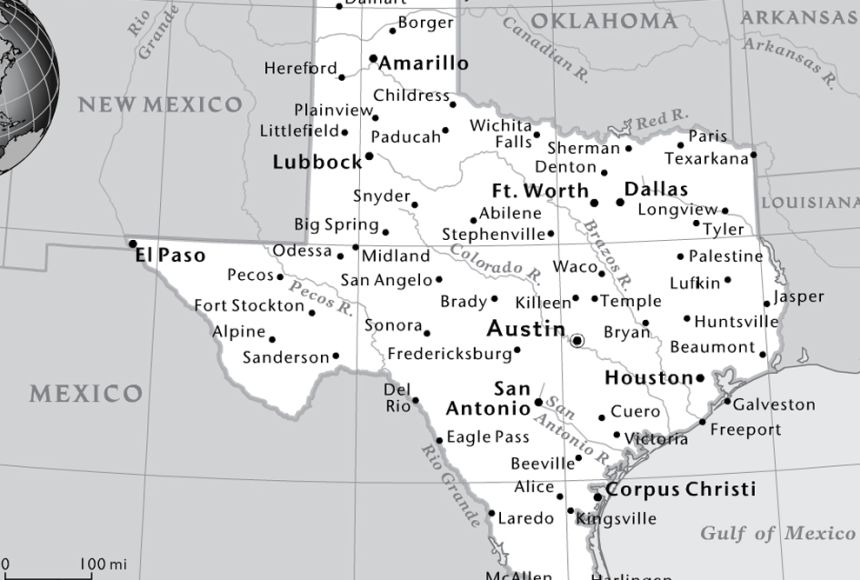
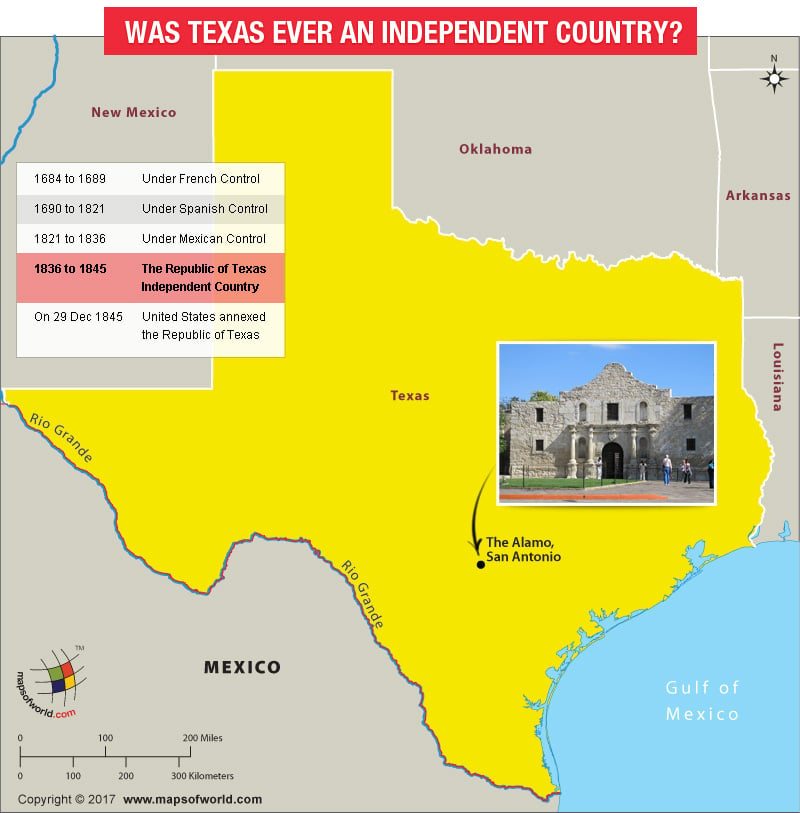
From March 2, 1836, when its Declaration of Independence was signed, until December 29, 1845, when it was formally annexed by the United States, Texas navigated a challenging path as a sovereign entity. This relatively brief but incredibly impactful period is a treasure trove for history buffs and an enthralling backdrop for anyone looking to explore the state’s vibrant past. For those planning a trip to this magnificent destination, understanding its time as a country offers a deeper appreciation for its distinct character, its world-famous hospitality, and the array of historical sites that dot its diverse terrain. Join us as we journey back to uncover the fascinating narrative of the Republic of Texas and discover how you can experience its legacy today.
The Birth of a Republic: A Brief But Tumultuous Era
The journey to independence for Texas was not a gentle stroll through its vast plains but a fierce struggle against overwhelming odds. This dramatic origin story laid the groundwork for the independent spirit that defines the state even today, making it a truly unique destination for history and cultural tourism.
From Mexican Territory to Independent Nation
Before its declaration of independence, Texas was a sparsely populated frontier territory of Mexico. Enticed by promises of land and a new life, American settlers, notably led by figures like Stephen F. Austin, began to arrive in the 1820s. These Anglo-American colonists, alongside Tejanos (Texans of Mexican descent), sought greater autonomy and clashed with the centralist policies of the Mexican government, particularly under General Antonio López de Santa Anna. The simmering tensions boiled over into what became known as the Texas Revolution.
The revolution began in earnest with skirmishes like the Battle of Gonzales in October 1835, where Texans famously flew a flag emblazoned with a cannon and the words “Come and Take It.” However, it was the legendary stand at the Alamo in March 1836, followed closely by the Goliad Massacre, that galvanized the Texan forces and etched their plight into the annals of history. While these battles were devastating defeats, they served as powerful rallying cries, inspiring an underdog spirit that would lead to victory.
On March 2, 1836, amidst the chaos of war, delegates meeting at Washington-on-the-Brazos courageously declared Texas an independent republic. The document, modeled after the American Declaration of Independence, asserted their right to self-governance. Just weeks later, on April 21, 1836, General Sam Houston led the Texan army to a decisive victory over Santa Anna’s forces at the Battle of San Jacinto. This triumph, famously lasting only 18 minutes, secured Texas’s independence and established it as a sovereign nation. For travelers visiting the Houston area, the San Jacinto Battleground State Historic Site offers an incredibly immersive experience, allowing visitors to walk the very ground where history was made and ascend the towering monument for panoramic views of the surrounding landscape.
Governing the Lone Star Nation
The birth of the Republic of Texas was a momentous achievement, but establishing a functioning government was a monumental challenge. The new nation faced immediate and daunting obstacles: a depleted treasury, ongoing border disputes with Mexico which refused to recognize its independence, and conflicts with various Native American tribes.
Sam Houston, the hero of San Jacinto, became the first President of the Republic, serving two non-consecutive terms. His leadership was critical in establishing a fledgling government, though internal political rivalries were rampant. Subsequent presidents included Mirabeau B. Lamar, whose policies often clashed with Houston’s, particularly regarding Native American relations and the pursuit of a vast, independent empire for Texas.
During its short existence, the capital of Texas moved several times, reflecting the instability and aspirations of the young republic. It began in temporary locations like Velasco and Columbia, before moving to the city that bore its president’s name, Houston, in 1837. Eventually, in 1839, the capital was established in a new, centrally located frontier settlement designed specifically for that purpose and named Austin, after the Father of Texas. Each of these cities, particularly Houston and Austin, now offer fantastic urban travel experiences, blending modern amenities with whispers of their historic past. Exploring these cities provides a dynamic way to connect with the republic’s administrative heartbeat.
The Call of Annexation: Joining the United States
Despite its hard-won independence, the dream of becoming a permanent, self-sustaining nation proved increasingly difficult for Texas. The allure of joining the United States became an ever-present force, driven by both pragmatic necessity and shared cultural ties.
Why the Republic Sought Union
The primary reasons for Texas’s eventual decision to seek annexation were multifaceted. Economically, the republic was perpetually on the brink of bankruptcy. Lacking a stable revenue source and burdened by debt from the revolution, its currency struggled, making it difficult to finance a military capable of defending its vast borders or to build essential infrastructure. Integrating with the more robust American economy offered a lifeline.
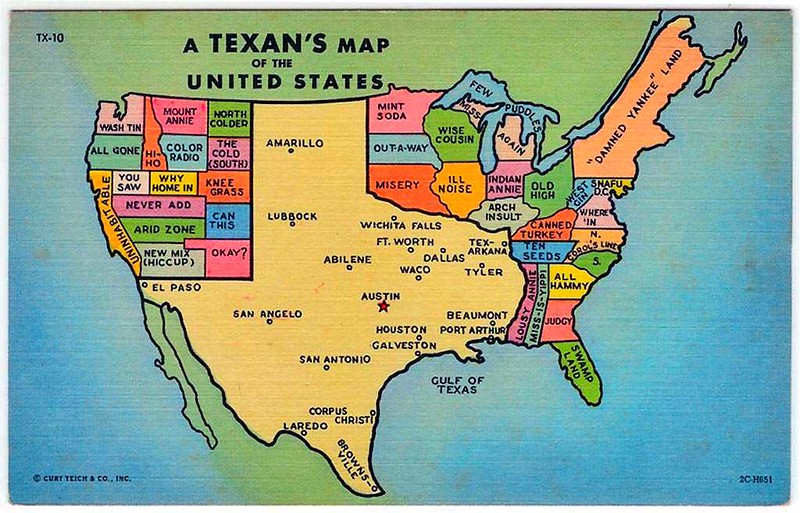
Security was another critical factor. Mexico continued to view Texas as a rebellious province and periodically launched raids, threatening the stability and safety of its citizens. The fledgling Texan army, though courageous, was no match for the full might of the Mexican military. Seeking the protection of the powerful American armed forces was a logical, if sometimes controversial, solution. Furthermore, the populations of both Texas and the United States shared strong cultural and linguistic connections, with many Texans having emigrated from the southern states.
On the American side, the idea of annexing Texas was championed by proponents of Manifest Destiny—the belief that the United States was destined to expand westward across the North American continent. Annexation offered vast new territories, potential resources, and strategic advantages. However, the issue was highly contentious within the United States itself, primarily due to the intense debate over slavery. Texas was a slaveholding territory, and its admission as a state would upset the delicate balance between free and slave states in Congress, delaying annexation for several years. Presidents like Andrew Jackson initially hesitated, fearing war with Mexico and exacerbating sectional divisions.
The Road to Statehood and Its Legacy
After years of diplomatic maneuvering, political wrangling, and a change in presidential administrations in the United States, the path to annexation finally cleared. On December 29, 1845, Texas officially became the 28th state of the United States, bringing its almost ten-year stint as an independent republic to an end. This act, while welcomed by most Texans, almost immediately triggered the Mexican-American War, as Mexico considered the annexation an act of aggression and disputed the southern border of Texas (claiming the Nueces River as the boundary, while Texas asserted the Rio Grande).
The legacy of the Republic of Texas is profound and enduring. It instilled in Texans a fierce pride and an independent streak that continues to shape the state’s identity. The concept of “Six Flags Over Texas”—referencing the flags of Spain, France, Mexico, the Republic of Texas, the United States, and the Confederate States of America that have flown over its soil—highlights this rich, multifaceted history. This unique past is a cornerstone of the Texan lifestyle, reflected in everything from its resilient spirit to its distinctive culinary traditions and music.
Discovering the Republic’s Footprint Today: A Traveler’s Guide
For those looking to immerse themselves in this incredible history, Texas offers an abundance of attractions and experiences. From historic landmarks to modern accommodations that embrace the state’s heritage, there’s a journey for every type of traveler.
Iconic Landmarks and Historical Sites
No visit to Texas is complete without a pilgrimage to the Alamo in San Antonio. This shrine to liberty, while a site of defeat, stands as a powerful symbol of courage and sacrifice. After exploring its hallowed grounds, guests can stroll along the vibrant San Antonio River Walk, where numerous hotels and restaurants offer a blend of history and modern comfort. For a truly immersive stay, consider a boutique hotel near the historic missions.
Near Houston, the San Jacinto Battleground State Historic Site and its monument provide another crucial insight into the revolution. Visitors can explore the battlefield, learn about the decisive victory, and gain perspective from the observation deck of the monument. In the heart of Texas, the Washington-on-the-Brazos State Historic Site is revered as the “Birthplace of Texas.” Here, you can walk through recreated buildings, including Independence Hall, where the Declaration was signed, and the Star of the Republic Museum, offering a deep dive into the lives and times of the republic’s founders.
The current capital city, Austin, boasts the magnificent Texas State Capitol building, a striking architectural landmark that stands taller than the U.S. Capitol. Its grand design and historical exhibits provide a window into the legislative life of both the republic and the state. And for those interested in coastal history, Galveston Island, a crucial port during the republic era, offers a wealth of Victorian architecture and historical tours.
Immersive Experiences and Accommodation
Beyond the individual sites, Texas encourages a broader exploration of its republican past. The Bullock Texas State History Museum in Austin provides a comprehensive overview of the state’s history through engaging exhibits and an IMAX theater, making it an excellent starting point for any historical tour.
For accommodation, consider hotels that embrace the local charm and history. In Austin, you might find a stay at a luxury property like The Republic Grand Hotel offering modern amenities with a nod to the past, or a charming bed and breakfast in the historic districts. In San Antonio, properties like The Alamo Heights Inn provide comfort close to the historic core, allowing easy access to landmarks. Along Galveston Island’s historic Strand, places like the Lyon Hotel Galveston offer a blend of period charm and contemporary convenience.
Embrace the Texan lifestyle by embarking on a road trip through the Texas Hill Country, where scenic drives lead to small towns with rich histories, local wineries, and authentic Texas barbecue joints. Experience cowboy culture at working ranches or visit the Fort Worth Stockyards National Historic District, not a republic-era site but a vivid link to the state’s iconic frontier identity. Even cities like Dallas, while largely developed after the republic, house institutions like the Old Red Museum of Dallas County History & Culture that delve into the state’s evolution. Venture further west to Big Bend National Park or the artistic enclave of Marfa to witness the untamed beauty that captivated early settlers and continues to draw adventurers.
The Enduring Spirit of the Lone Star State
The nine years, nine months, and twenty-seven days that Texas stood as an independent nation were a crucible that forged its unique identity. It was a period marked by both immense challenges and heroic triumphs, laying the foundation for the resilient, proud, and welcoming state it is today. This history is not merely a collection of dates and battles; it’s a living narrative that continues to influence the art, music, food, and people of Texas.
For any traveler seeking a destination rich in history, vibrant culture, and unparalleled natural beauty, Texas offers an unforgettable experience. From the solemn grounds of the Alamo to the bustling streets of Austin and Houston, the spirit of the republic is palpable. Come and explore its legendary past, indulge in its modern comforts, and discover why the Lone Star State holds such a special place in the story of the United States and in the hearts of those who visit. Your journey through the heart of the Republic of Texas awaits.
LifeOutOfTheBox is a participant in the Amazon Services LLC Associates Program, an affiliate advertising program designed to provide a means for sites to earn advertising fees by advertising and linking to Amazon.com. Amazon, the Amazon logo, AmazonSupply, and the AmazonSupply logo are trademarks of Amazon.com, Inc. or its affiliates. As an Amazon Associate we earn affiliate commissions from qualifying purchases.