
Texas, the second-largest state in the United States by both area and population, is a land of immense diversity, stretching from the arid deserts of West Texas to the lush Piney Woods and the sandy shores of its Gulf Coast. This vastness is reflected not only in its landscapes but also in its vibrant, ever-growing population. Understanding the demographic tapestry of Texas is crucial for anyone looking to explore its rich culture, plan an unforgettable trip, or even consider a temporary relocation. From bustling metropolises that serve as global economic hubs to tranquil rural retreats, the sheer number of people calling Texas home profoundly influences its [tourism](https://lifeoutofthebox.com/tourism offerings, accommodation landscape, and the distinct lifestyle experiences available to visitors.

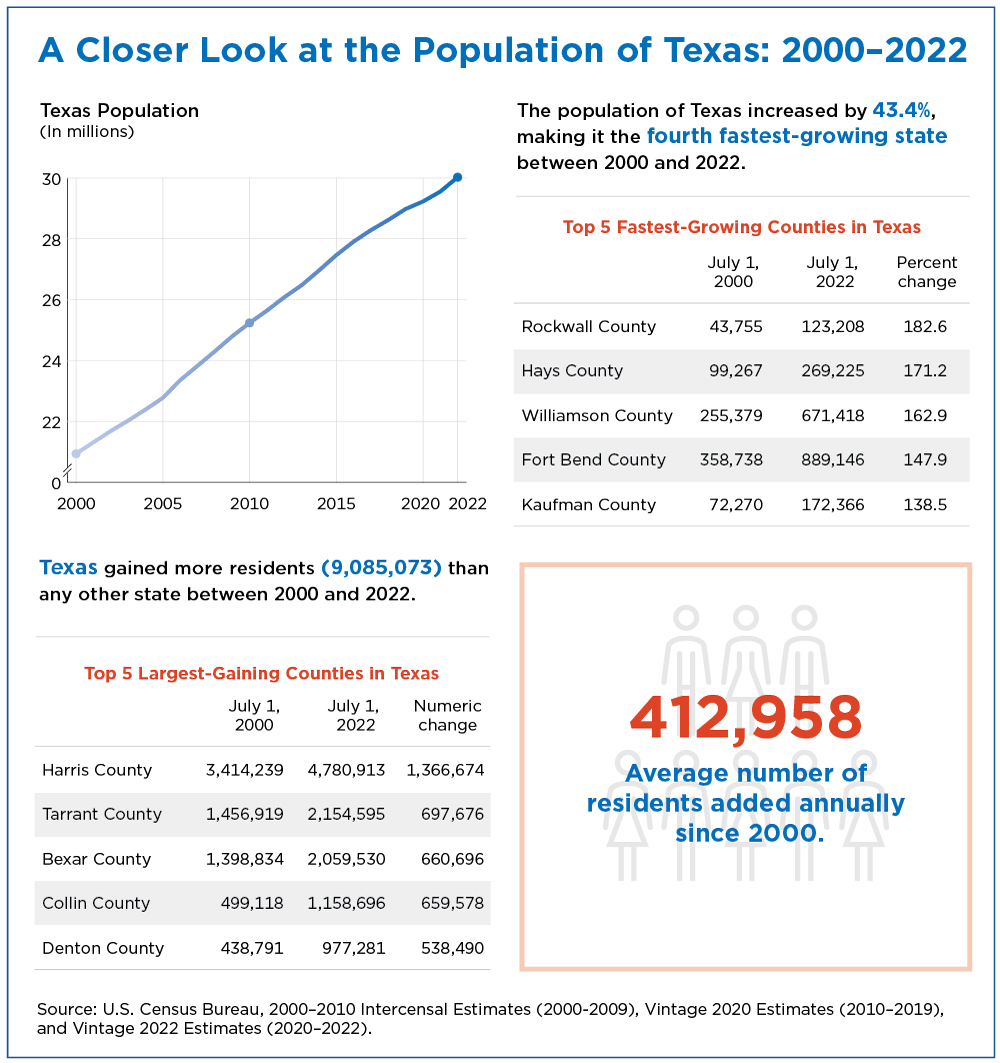
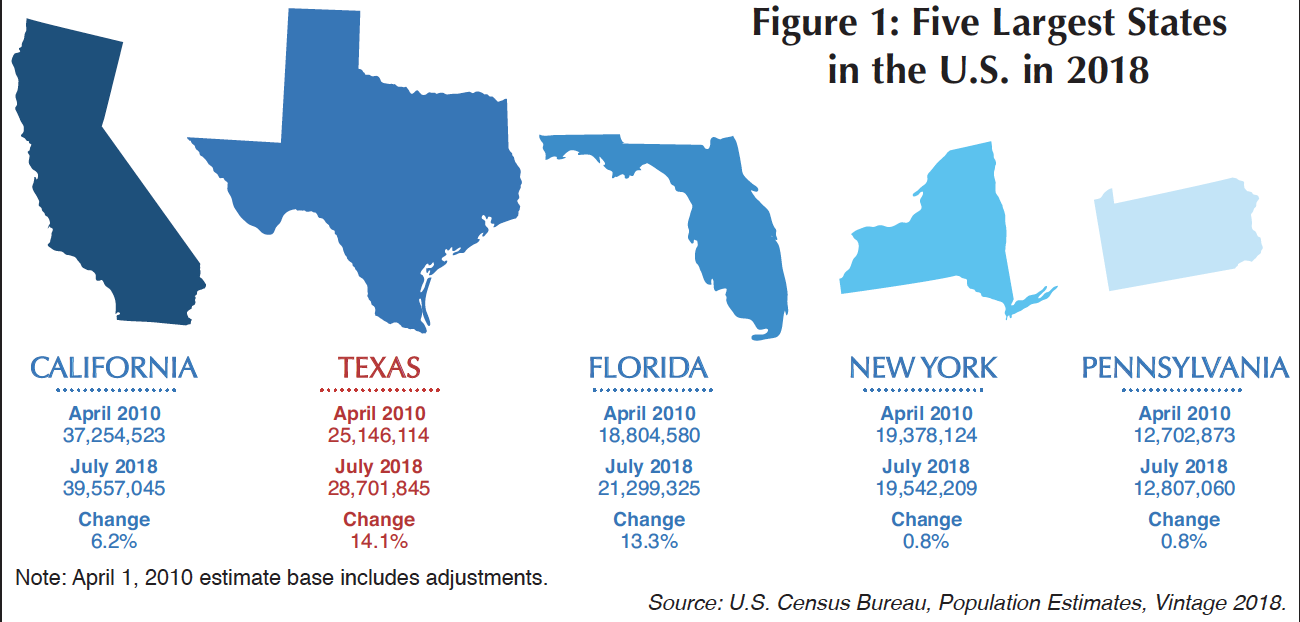
As of recent estimates, the population of Texas hovers around an impressive 30.5 million people. This makes it one of the fastest-growing states in the nation, experiencing a boom that continues to reshape its urban centers and rural communities alike. This demographic surge isn’t just a statistical anomaly; it’s a driving force behind the development of new attractions, the expansion of hotels and resorts, and the burgeoning culinary scenes that make Texas a truly dynamic travel destination. Whether you’re drawn to the vibrant arts scenes, the historic landmarks, or the vast natural beauty, the sheer number of people in Texas means a diverse array of experiences, tastes, and perspectives await every traveler.
The Dynamic Demographics of the Lone Star State
Texas’s population growth is not merely about numbers; it’s about the stories, cultures, and aspirations of millions of individuals converging in a state known for its welcoming spirit. This growth significantly impacts every facet of travel and tourism, from the types of accommodation available to the array of cultural experiences on offer.
Texas’s Rapid Growth and What It Means for Visitors
The rapid influx of people into Texas is driven by a robust economy, diverse job opportunities, and a relatively affordable cost of living compared to other major states. This population explosion brings with it a vibrant, multicultural atmosphere that enriches the local culture and expands the range of activities available to visitors. For instance, the demand generated by new residents often leads to the development of new restaurants, entertainment venues, and unique retail spaces, offering fresh experiences to explore.
However, this growth also means that popular destinations and major events can experience higher traffic and crowds, especially during peak seasons. Travelers planning their trips should consider booking accommodations and tours well in advance, particularly for iconic events like the South by Southwest (SXSW) festival in Austin or major sporting events in Dallas or Houston. The diversity of the new population also means a broader fusion of cuisines and cultural celebrations, making a Texas trip an exciting culinary and cultural adventure.
Key Population Centers: Major Texan Cities and Their Appeal
The vast majority of Texas’s population is concentrated in its sprawling metropolitan areas, each offering a distinct flavor of the Lone Star State. These urban centers are the primary magnets for tourism and business stays.
-
Houston: As the most populous city in Texas and the fourth largest in the United States, Houston is a global city known for its energy industry, Space Center Houston, and a vibrant arts and culture scene. The city’s diverse population has cultivated an incredible food scene, from authentic Tex-Mex to fine dining. Hotels range from luxurious high-rises like The Post Oak Hotel at Uptown Houston to comfortable suites ideal for family trips. The Houston Museum District offers a wealth of educational and cultural attractions.
-
Dallas-Fort Worth: This expansive metroplex, often referred to as DFW, is a powerhouse of commerce, fashion, and distinct Texan culture. Dallas boasts a sophisticated urban core with a thriving Dallas Arts District and upscale shopping, while Fort Worth retains its authentic Western charm with its historic stockyards. Accommodation options are plentiful, from boutique hotels like Hotel ZaZa Dallas to large convention hotels supporting numerous business stays. Visitors can explore the solemn history at The Sixth Floor Museum at Dealey Plaza or catch a game at AT&T Stadium.
-
Austin: The state capital and self-proclaimed “Live Music Capital of the World,” Austin is a dynamic blend of liberal politics, booming tech industry, and a laid-back, outdoorsy lifestyle. Its population skews younger, contributing to a vibrant nightlife and a strong emphasis on local businesses. Accommodation includes trendy boutique hotels, eco-friendly resorts like Omni Barton Creek Resort & Spa, and modern apartments suitable for longer stays. Must-visit landmarks include Barton Springs Pool and the Circuit of the Americas racetrack.
-
San Antonio: Rich in history and deeply rooted in its Spanish and Mexican heritage, San Antonio is a charming city that attracts millions of visitors annually. It’s home to The Alamo and the famous San Antonio Riverwalk, offering unique dining and entertainment experiences. The blend of cultures is reflected in its delicious cuisine and numerous festivals. Hotels like Hotel Emma or La Cantera Resort & Spa offer exquisite stays, catering to both luxury travel and family trips.
Other significant population centers include El Paso on the border with Mexico, known for its unique blend of cultures, and Corpus Christi on the Gulf Coast, a hub for coastal tourism.
Beyond the Metropolises: Regional Charms and Lifestyle Travel
While the large cities house the majority of Texans, the state’s vast geographical expanse also offers incredible opportunities for diverse lifestyle travel in less densely populated regions. These areas provide a refreshing contrast to urban hustle and cater to those seeking nature, tranquility, or unique cultural immersions.
The Texas Hill Country: Scenic Beauty and Rural Retreats
Nestled just west of Austin and San Antonio, the Texas Hill Country is a region of rolling hills, spring-fed rivers, and charming small towns. Its popularity has soared, making it a desirable location for weekend getaways and long-term stays. Despite its growing popularity, it maintains a serene, rural ambiance that contrasts sharply with the nearby cities. The region’s population, while smaller than the urban cores, is steadily growing, attracting those seeking a more relaxed lifestyle amidst natural beauty.
Here, visitors can indulge in wine tasting tours through picturesque vineyards, explore German heritage towns like Fredericksburg, or go tubing on the Comal or Guadalupe Rivers. Accommodation ranges from quaint bed-and-breakfasts and rustic cabins to elegant villas and luxurious resorts such as the Hyatt Regency Hill Country Resort and Spa. The relatively sparse population allows for unparalleled stargazing and a deep connection with nature, perfect for those prioritizing tranquility in their travel experiences.
Coastal Texas: Beaches, Bays, and Island Getaways
The Texas Gulf Coast, stretching from South Padre Island to Galveston, is home to a significant, yet seasonally fluctuating, population. Coastal communities swell during the summer months and holidays as Texans and out-of-state visitors flock to its beaches and bays. Popular spots like Galveston Island and Corpus Christi offer a mix of historic landmarks, family-friendly attractions, and opportunities for fishing, birdwatching, and watersports.
Accommodation options cater to every budget, from beachfront resorts and vacation rentals to more budget travel-friendly hotels and campsites. The Padre Island National Seashore, the longest undeveloped barrier island in the world, exemplifies the natural beauty available, attracting a more adventurous, nature-loving segment of the population and visitors alike.
West Texas and the Big Bend: Deserts, Mountains, and Stargazing
For those seeking solitude and dramatic landscapes, West Texas offers a profoundly different experience. This sparsely populated region is characterized by vast deserts, towering mountains, and incredible night skies. The population centers here are few and far between, lending a sense of timelessness and untouched wilderness. Destinations like Big Bend National Park and Guadalupe Mountains National Park attract adventurers, hikers, and stargazers from around the globe, seeking to escape the crowds entirely.
Accommodation in West Texas often leans towards rustic charm, including remote cabins, campgrounds, and unique boutique hotels in artistic communities like Marfa. The low population density here means minimal light pollution, offering some of the best stargazing opportunities in the United States. This region is perfect for a truly off-the-beaten-path travel experience, emphasizing nature and quiet contemplation.
Planning Your Texas Journey: What the Population Means for Your Trip
Understanding the population dynamics of Texas can significantly enhance your travel planning and overall experience. Whether you prefer the energy of a bustling city or the tranquility of a remote natural park, Texas has something to offer, but setting expectations based on population density is key.
Managing Crowds and Peak Seasons
With 30.5 million residents and millions more visitors each year, certain areas of Texas can get crowded. Peak travel seasons generally coincide with school holidays, major festivals (like SXSW in Austin or the Houston Livestock Show and Rodeo), and the pleasant spring and fall weather. If you prefer a quieter experience, consider visiting during off-peak times or exploring less-frequented destinations. For example, while the San Antonio Riverwalk is always charming, a midweek visit during the cooler months might offer a more relaxed ambiance.
Booking your accommodation and any popular tours or reservations well in advance is highly recommended, especially in major cities or during high-demand periods. Utilizing online booking platforms and checking reviews can help you find the perfect stay, whether it’s a luxury hotel or a cozy villa.
Finding Your Perfect Stay: From Urban High-Rises to Rustic Retreats
The diverse population of Texas naturally leads to a wide spectrum of accommodation options. In cities like Houston and Dallas, you’ll find an abundance of corporate hotels, luxury resorts, and serviced apartments catering to business travelers and those seeking urban amenities. These often come with full amenities, including pools, fitness centers, and gourmet dining.
Conversely, regions like the Texas Hill Country or West Texas offer more specialized stays: quaint bed-and-breakfasts, glamping sites, boutique inns, and vacation villas. These options often provide a more intimate and immersive local experience, aligning with a slower-paced lifestyle and direct access to nature. Utilizing comparison tools for accommodation can help identify the best fit for your desired ambiance and budget travel needs.
Embracing Local Culture and Cuisine in a Growing State
The sheer number of people residing in Texas, particularly its vibrant mix of cultures, guarantees an unparalleled culinary and cultural journey. From the quintessential Tex-Mex and barbecue to burgeoning international food scenes in Houston and Dallas, your taste buds are in for a treat. The diverse population brings with it a rich tapestry of festivals, music genres, and artistic expressions. Engaging with local guides or exploring local markets can provide deeper insights into the authentic Texan lifestyle shaped by its residents.
In conclusion, the question “How Many People Are In The State Of Texas?” is more than just a census statistic; it’s a fundamental insight into the state’s dynamic character and its ever-evolving travel and tourism landscape. The nearly 30.5 million residents contribute to a vibrant, diverse, and expansive state that promises a unique experience for every visitor, from the urban explorer to the serene nature enthusiast. Planning your trip with an awareness of Texas’s population and its distribution will ensure you make the most of your adventure in this magnificent state.
LifeOutOfTheBox is a participant in the Amazon Services LLC Associates Program, an affiliate advertising program designed to provide a means for sites to earn advertising fees by advertising and linking to Amazon.com. Amazon, the Amazon logo, AmazonSupply, and the AmazonSupply logo are trademarks of Amazon.com, Inc. or its affiliates. As an Amazon Associate we earn affiliate commissions from qualifying purchases.