
The vibrant metropolis of New York City, a global hub for culture, finance, and innovation, holds a unique and endearing nickname: the Big Apple. This moniker is so deeply ingrained in the city’s identity that it’s almost impossible to imagine New York without it. From its iconic landmarks like the Statue of Liberty and the Empire State Building to the bustling streets of Manhattan, the essence of the Big Apple permeates every corner. But how did this peculiar fruit-inspired epithet come to represent one of the world’s most dynamic urban landscapes? The journey of the Big Apple nickname is a fascinating tale that intertwines horse racing, jazz music, and a clever 1970s tourism campaign, illustrating the ever-evolving lifestyle and enduring appeal of New York City as a premier travel destination.

The Seeds of a Nickname: Horse Racing Roots
The earliest known origins of “the Big Apple” can be traced back to the exhilarating world of horse racing in the early 20th century. It wasn’t born in a boardroom or an advertising agency, but rather in the stables and racetracks where fortunes were made and lost. This initial usage set the stage for a term that would later capture the imagination of an entire city and eventually the world. For anyone interested in the history behind tourism and the unique aspects of a destination’s local culture, this origin story is particularly revealing.
John J. Fitz Gerald and “Around the Big Apple”
The pivotal figure in the popularization of the term was John J. Fitz Gerald, a sports writer for The Morning Telegraph. In 1921, Fitz Gerald overheard stable hands in New Orleans, referring to New York City racetracks as “the big apple.” He was captivated by the phrase and began incorporating it into his horse racing column, which he aptly titled “Around the Big Apple.” His first published use of the term in this context appeared on February 18, 1924.
Fitz Gerald’s column quickly became a staple for racing enthusiasts, covering the vibrant horse racing scene in and around New York. For these jockeys, trainers, and bettors, competing in New York was the ultimate goal, the pinnacle of their profession. New York’s racetracks were where the biggest purses were won, the most prestige was gained, and where true champions were crowned. The “apple” in this context wasn’t just any apple; it was the grand prize, the ultimate reward for their efforts and dreams. Understanding this context helps visitors appreciate the depth of New York’s historical allure, which extends beyond its modern attractions and into its sporting heritage.
Apples as a Metaphor for Winnings and Aspirations
The idiom “the big apple” in horse racing wasn’t just a catchy phrase; it held a deeper metaphorical significance. For the stable hands and aspiring jockeys, an “apple” was a common reward or treat for a horse. Thus, to aim for “the big apple” meant striving for the largest, most significant reward — the grandest prize in horse racing. New York City represented this top tier, the place where the best horses and riders converged to compete for the highest stakes.
This aspiration reflects a broader truth about New York itself: for generations, it has been a city of dreams, a place where people from all walks of life come to seek their fortunes, pursue their passions, and achieve greatness. Whether it’s in finance, art, entertainment, or travel, New York offers the “biggest apple” for those willing to reach for it. This historical context is vital for understanding the city’s enduring appeal as a vibrant hub for tourism and ambitious lifestyles, attracting millions who envision their own “big apple” moment in its bustling streets.
From Racetracks to Jazz Clubs: Popularization in the Roaring Twenties
While John J. Fitz Gerald’s column brought “the Big Apple” into the lexicon of horse racing, it was the burgeoning jazz scene of the Roaring Twenties that truly helped the nickname transcend its niche origins and seep into the broader cultural consciousness of New York City. This era of unprecedented cultural explosion, marked by economic prosperity and social change, provided the perfect fertile ground for a catchy, aspirational term to take root. For those seeking authentic experiences and deep dives into local culture, the jazz era in New York offers a rich tapestry of history.
Jazz Musicians Embrace the Term
During the 1920s and 30s, jazz music exploded in popularity, and Harlem, Manhattan, became the epicenter of this cultural revolution. Musicians from across the United States, particularly from the South, flocked to New York in pursuit of better opportunities, larger audiences, and the chance to play in legendary venues like the Cotton Club, Apollo Theater, and later, Birdland. For these artists, New York was more than just a city; it was the ultimate stage, the place where one could truly “make it.”
Much like the horse racing community, jazz musicians adopted “the Big Apple” to describe New York City as the ultimate prize. They often spoke of “playing the Big Apple” when referring to performing in its prestigious clubs and theaters. To them, there were many “apples” (gigs) to be found on the branches of the music tree across the country, but New York was “the Big Apple” – the largest, most significant, and most desirable gig of all. Legendary jazz musicians like Duke Ellington and Count Basie graced New York’s stages, further cementing the city’s reputation as the pinnacle of musical achievement. This connection to such a vibrant artistic movement makes New York an indispensable destination for tourism centered around music and performing arts.
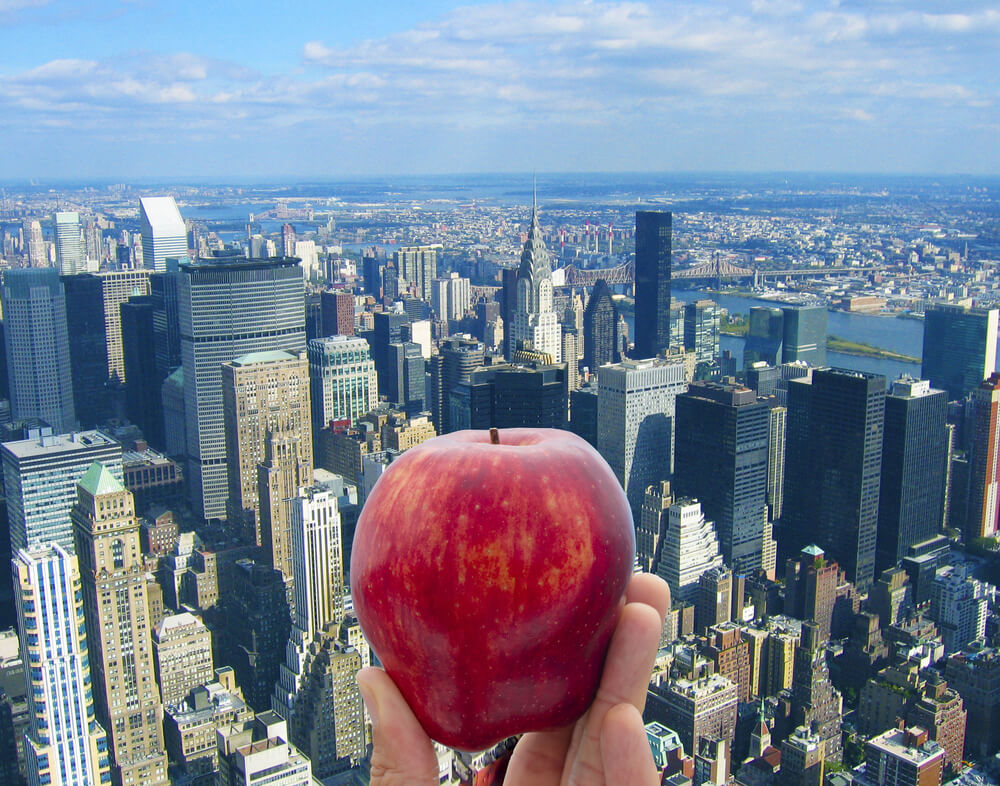
The Allure of the Ultimate Gig
The appropriation of “the Big Apple” by jazz artists was incredibly effective because it resonated with the dreams and aspirations of countless individuals. It wasn’t just about playing music; it was about achieving recognition, finding success, and participating in a vibrant cultural scene that was shaping the nation. This romanticized view of New York as the place where dreams came true continued to fuel migration to the city, making it a melting pot of talent and ambition.
The phrase encapsulated the city’s allure: its magnetic pull for those seeking excitement, opportunity, and a place where they could truly shine. Whether it was the bright lights of Broadway, the bustling energy of Times Square, or the promise of a better life, New York was undeniably “the Big Apple.” This perspective is crucial for understanding why so many people choose New York for everything from short-term travel to long-term accommodation, seeking to immerse themselves in its unique lifestyle.
A Decline and a Resurgence: The 1970s Tourism Campaign
Despite its spirited adoption by the jazz community, “the Big Apple” faded somewhat from popular usage after the 1930s. The Great Depression and World War II shifted national priorities, and while New York City remained a vital center, the nickname became less prevalent in everyday conversation. However, the 1970s presented an unexpected opportunity for its glorious return, catalyzed by a desperate need to rebrand a city facing significant challenges. For organizations focusing on tourism development and destination marketing, this period offers a masterclass in urban revival.
Rebranding a City in Crisis
By the 1970s, New York City was grappling with a severe financial crisis, rising crime rates, and a negative public image. The city was widely perceived as dangerous, dirty, and on the brink of collapse. Tourism suffered dramatically, impacting the local economy, hotels, and various accommodations that relied on visitor spending. There was an urgent need to revitalize its image and attract visitors back to its incredible landmarks and vibrant culture. The city needed a fresh narrative, a symbol of hope and renewed promise.
Enter the New York Convention and Visitors Bureau, a pioneering organization dedicated to promoting New York City as a premier destination. Recognizing the need for a powerful, positive marketing campaign, they looked for a symbol that could encapsulate the city’s enduring appeal despite its contemporary struggles. This strategic move highlights the importance of effective branding in the tourism industry.
Charles Gillett’s Vision for the Big Apple
In 1971, Charles Gillett, the president of the New York Convention and Visitors Bureau, launched a groundbreaking tourism campaign to transform the city’s tarnished image. Gillett had heard the nickname “the Big Apple” from old-time jazz musicians and recognized its potential. He saw it as a metaphor for New York’s vast opportunities and unique character, suggesting that for every visitor, there was an “apple” to be had—whether it was an experience, a memory, or an opportunity.
The campaign brilliantly leveraged the nickname, plastering “The Big Apple” on promotional materials, posters, and advertisements across the country. The slogan encouraged people to “come to the Big Apple” and “take a bite.” This simple yet powerful message resonated deeply. It evoked a sense of excitement, abundance, and the possibility of discovery, turning a once-obscure jazz term into a globally recognized symbol. The campaign was a resounding success, helping to revive tourism and restore pride among New Yorkers, proving that even in tough times, a city’s spirit and narrative can be revitalized. This initiative perfectly demonstrates how strategic marketing can transform public perception, making a destination attractive again for travel and investment.
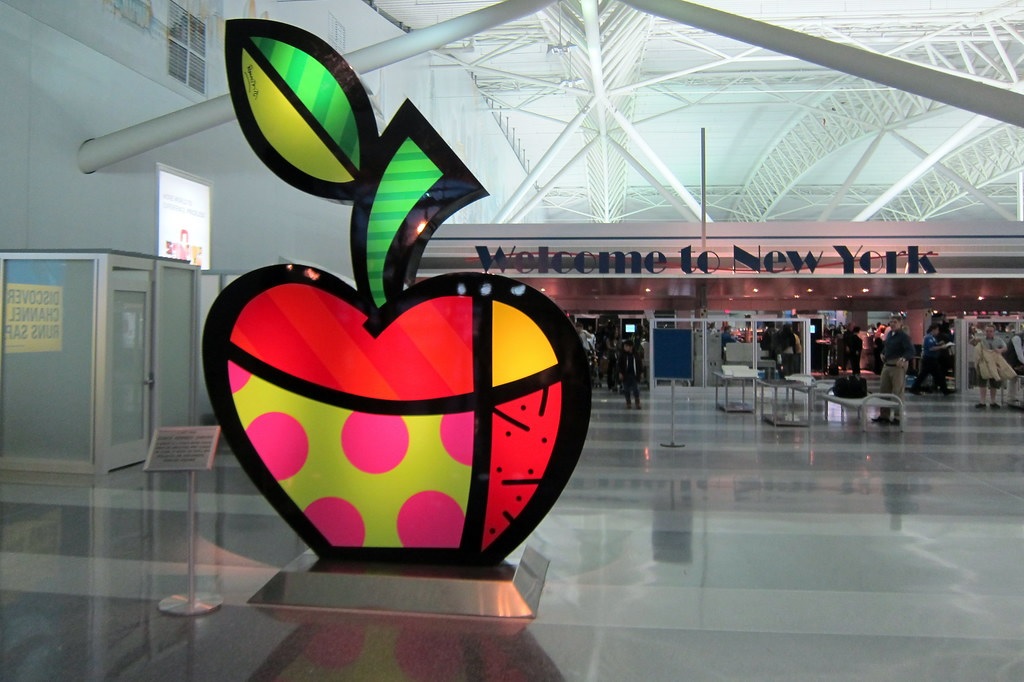
The Big Apple Today: A Global Icon and Enduring Charm
Today, “the Big Apple” is more than just a nickname; it is an inseparable part of New York City’s identity, celebrated worldwide. It evokes images of towering skyscrapers, diverse neighborhoods, unparalleled cultural experiences, and the relentless energy that defines this iconic metropolis. The nickname has come to symbolize everything that makes New York unique, reinforcing its status as a must-visit travel destination and a source of endless fascination for millions globally.
Cultural Legacy and Tourist Magnetism
The legacy of the Big Apple nickname is evident in how it’s integrated into popular culture. It appears in songs, movies, literature, and countless souvenirs. When people speak of visiting the Big Apple, they are not just referring to a geographical location but to an entire experience—a sensory overload of sights, sounds, and tastes that can only be found in New York City. From catching a Broadway show to exploring the vastness of Central Park, from savoring diverse cuisine to marveling at architectural wonders like the Chrysler Building, every aspect contributes to the quintessential Big Apple adventure.
The city continues to attract millions of tourists annually, drawn by its world-class museums like the Metropolitan Museum of Art and MoMA, its vibrant neighborhoods such as Greenwich Village and SoHo, and its endless opportunities for shopping on Fifth Avenue. The Big Apple has truly become synonymous with the excitement of urban exploration, offering everything from luxury hotels to budget accommodations, catering to every kind of traveler and lifestyle.
Beyond the Nickname: New York’s Irresistible Allure
While the nickname has a storied past, New York’s enduring charisma extends far beyond a clever epithet. It’s a city built on resilience, diversity, and innovation. Each borough—Manhattan, Brooklyn, Queens, The Bronx, and Staten Island—offers its own distinct flavor, contributing to the rich mosaic that is New York City. From the historical significance of Ellis Island to the modern marvel of One World Trade Center, the city’s landmarks tell a story of human achievement and perseverance.
For anyone planning travel to the United States, New York City remains an unparalleled choice, offering a comprehensive array of experiences. Whether you’re seeking cultural immersion, gastronomic delights, breathtaking architecture, or just the thrill of being in one of the world’s most dynamic environments, the Big Apple truly delivers. Its unique history, from horse racing to jazz to a modern tourism triumph, has forged a nickname that perfectly encapsulates its boundless opportunities and magnetic appeal, inviting everyone to come and take a bite of what it has to offer. The Big Apple continues to be the ultimate destination for those who dream big and seek to experience life to its fullest.
LifeOutOfTheBox is a participant in the Amazon Services LLC Associates Program, an affiliate advertising program designed to provide a means for sites to earn advertising fees by advertising and linking to Amazon.com. Amazon, the Amazon logo, AmazonSupply, and the AmazonSupply logo are trademarks of Amazon.com, Inc. or its affiliates. As an Amazon Associate we earn affiliate commissions from qualifying purchases.