
Texas is a land of vast distances and incredible diversity, beckoning travelers with everything from sun-drenched beaches and bustling metropolises to rugged mountains and historic landmarks. Whether you’re planning an epic Texas road trip from El Paso to Galveston, contemplating a move to vibrant cities like Austin or Houston, or simply a long-term visitor exploring the lifestyle, understanding vehicle requirements is paramount. For anyone owning or registering a car in the Lone Star State, an annual vehicle inspection is a non-negotiable part of responsible car ownership. This isn’t just a bureaucratic hurdle; it’s a critical step to ensure road safety, environmental compliance, and ultimately, peace of mind as you traverse the state’s extensive highways and byways.

Navigating the nuances of vehicle inspections, especially for newcomers or those unfamiliar with specific state regulations, can seem daunting. From understanding the costs involved to knowing what exactly is being checked, a clear guide is invaluable. This article delves deep into the question, “How much for car inspection in Texas?” while also illuminating the ‘why’ and ‘how,’ ensuring your vehicle is ready for any adventure Texas throws your way, contributing to a smoother travel experience and a hassle-free lifestyle in this dynamic state.
Understanding Texas Vehicle Inspections: The Mandate for Safety and Environment
In a state as large and populous as Texas, the sheer volume of vehicles on the road necessitates stringent safety and environmental regulations. The annual vehicle inspection serves a dual purpose: ensuring that every registered vehicle meets minimum safety standards and, in certain areas, complying with environmental emissions targets. This commitment to roadworthiness and air quality is critical for protecting drivers, passengers, and the environment across all of Texas’ diverse regions, from the urban sprawl of Dallas to the tranquil expanses around Big Bend National Park.
The Dual Mandate: Safety and Emissions
Every vehicle registered in Texas must undergo an annual safety inspection. This thorough check covers a range of essential components designed to prevent accidents and ensure the vehicle operates predictably. Inspectors meticulously examine everything from the functionality of your brakes and steering to the condition of your tires and the operation of your lights and signals. Other safety components scrutinized include the horn, windshield wipers, seat belts, mirrors, and windows. Even the exhaust system is checked for leaks and proper mounting. This comprehensive assessment is crucial for both urban commuting and long-distance travel, providing assurance that your vehicle is mechanically sound, whether you’re heading to the San Antonio Riverwalk or embarking on an extended journey through the state’s scenic routes.
Beyond safety, a significant portion of Texas also requires an emissions inspection. This mandate applies to vehicles primarily registered in certain counties, particularly those with higher population densities and greater concerns about air quality. Counties like Harris, Dallas, Tarrant, Travis, and Bexar, which encompass major metropolitan areas such as Houston, Dallas, Fort Worth, Austin, and San Antonio, are subject to emissions testing. The emissions test evaluates the vehicle’s exhaust output to ensure it falls within acceptable limits, thus contributing to cleaner air and a healthier environment. For visitors considering a long-term stay or residents planning to move to one of these areas, understanding the emissions requirement is vital, impacting not just compliance but also the overall quality of life.
Who Needs an Inspection and When?
The requirement for a vehicle inspection in Texas applies to virtually all registered vehicles, regardless of whether you’re a lifelong resident or have recently relocated to the state. If you own a car, truck, motorcycle, or even a trailer (with some exceptions) that you plan to register and operate in Texas, it needs an annual inspection. The inspection must be completed within 90 days of your registration renewal date. This timing ensures that your vehicle is consistently compliant and safe to operate throughout the year.
For new residents moving to Texas with an out-of-state vehicle, the process begins almost immediately. Before you can even register your vehicle with the Texas Department of Motor Vehicles (TxDMV), you must first obtain a valid Texas safety inspection. This step is a prerequisite for receiving your vehicle’s title and plates, marking a critical transition for those adopting the Texas lifestyle. Even if your vehicle recently passed an inspection in another state, the Texas inspection is mandatory for initial registration. This rule underscores the state’s commitment to its specific safety and environmental protocols, ensuring that all vehicles on its roads meet local standards, which is crucial for the safety of tourists exploring NASA Johnson Space Center or families enjoying a weekend getaway to South Padre Island.
The Cost of a Texas Car Inspection: What to Expect
When budgeting for vehicle ownership or planning a long-term stay in Texas, the cost of an annual car inspection is a factor that many consider. Fortunately, the fees for these inspections are standardized by the state, making them relatively predictable. However, the exact amount you pay will depend on your vehicle type and, crucially, the county in which your vehicle is registered, specifically whether that county requires an emissions test in addition to the safety inspection. Understanding these nuances helps in planning your finances, whether you’re indulging in luxury travel around Austin’s Sixth Street or enjoying a more budget-conscious exploration of the state’s natural beauty.
Standard Inspection Fees
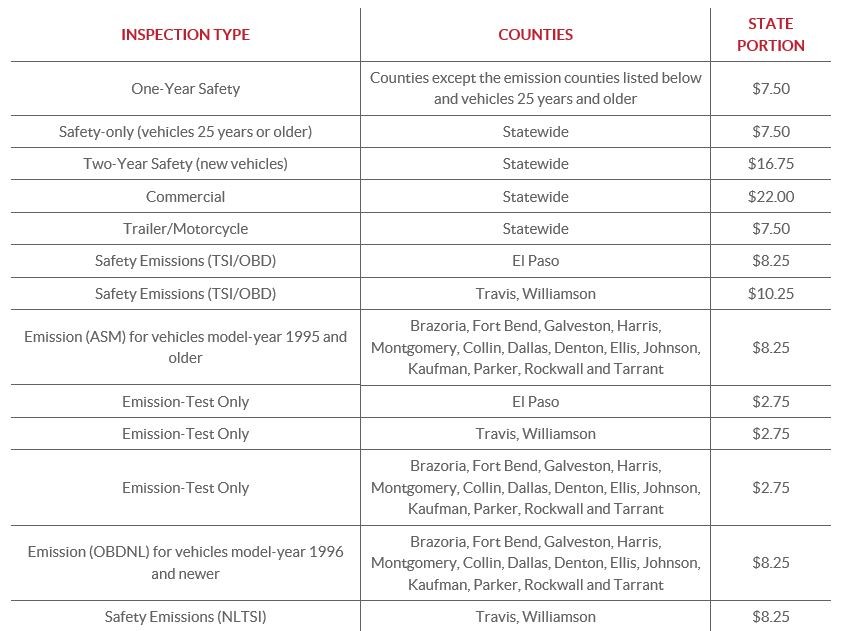
For the majority of passenger vehicles in Texas, the cost of a safety-only inspection is quite modest. This fee is typically around $7.00. This covers the comprehensive check of all safety components, ensuring your car is roadworthy. However, if your vehicle is registered in one of the 17 counties that require both a safety and an emissions inspection (as mentioned earlier, these are primarily metropolitan areas), you will incur an additional fee for the emissions test. The state-mandated fee for a combined safety and emissions inspection for light-duty gasoline-powered vehicles (most passenger cars and light trucks) is generally $25.50, which includes the $7.00 safety portion and an $18.50 emissions portion.
It’s important to note that these figures are the state’s mandated maximum fees. While most inspection stations will charge these standard rates, some may offer slight variations or promotions, though these are rare for the base inspection fee itself. For other vehicle types, such as motorcycles, the fee is typically around $7.00. Diesel-powered vehicles and vehicles over 24,000 lbs Gross Vehicle Weight Rating (GVWR) are exempt from emissions testing but still require a safety inspection, with fees varying based on weight class. Always confirm the exact fee with the inspection station before beginning the service, especially if you have a less common vehicle type or are unsure about your county’s specific requirements.
Factors Influencing the Cost and Potential Additional Expenses
The primary factor determining your inspection cost is your county of registration. If you live in a rural county, chances are you’ll only pay the $7.00 safety inspection fee. If you’re in a bustling hub like Houston (Harris County) or Dallas (Dallas County), expect the $25.50 combined fee. This geographical distinction is crucial for budget planning, particularly for those who frequently travel between different counties or are considering relocating within Texas.
Beyond the base inspection fee, potential additional expenses primarily arise if your vehicle fails the inspection. If any component – whether a safety item like a burnt-out headlight or an emissions system component – doesn’t meet the state’s standards, you will need to have it repaired. The cost of these repairs can vary widely depending on the issue. For example, replacing a simple headlight bulb might cost a few dollars, while complex emissions system repairs, such as a catalytic converter replacement, could run into hundreds or even thousands of dollars. Once repairs are completed, your vehicle will need to undergo a re-inspection. Many stations offer a free re-inspection within a specified timeframe (typically 15 days) if the vehicle failed only a single component and was repaired at the same facility. Otherwise, a standard re-inspection fee might apply, though it’s often less than the original full inspection fee. Being proactive with vehicle maintenance can help mitigate these unexpected costs, ensuring a smoother journey, whether for a family trip to the Fort Worth Stockyards National Historic District or a business trip across the state.
Navigating the Inspection Process: From Station to Sticker
The vehicle inspection process in Texas is designed to be straightforward, but knowing what to expect can significantly streamline your experience. Whether you’re a seasoned Texas driver or a newcomer trying to get your bearings, understanding each step ensures a hassle-free visit to an inspection station. This process is a foundational aspect of responsible vehicle ownership in the state, directly impacting your ability to register your vehicle and, consequently, your freedom to explore Texas’s myriad attractions, from the Alamo to the stunning landscapes of Guadalupe Mountains National Park.
Finding an Authorized Inspection Station
The first step is locating a licensed vehicle inspection station. These stations are plentiful across Texas and can range from independent garages to larger auto service centers and dealerships. They are easily identifiable by an official sign displaying the “Official Vehicle Inspection Station” logo. To find a station near you, the Texas Department of Public Safety (DPS) offers an online lookup tool, or a quick search on your preferred mapping application using terms like “Texas vehicle inspection” or “state inspection near me” will yield numerous results. It’s often convenient to choose a station close to your home or work, especially if you anticipate needing to return for a re-inspection. Many stations operate on a first-come, first-served basis, while others may offer appointments. Calling ahead can save you time, especially during peak hours or end-of-month rushes when many drivers are trying to complete their inspections before their registration expires.
Required Documentation and What’s Checked
When you arrive at the inspection station, you’ll need to present a few key pieces of documentation. While regulations can vary slightly, generally you will need:
- Proof of Insurance: Valid liability insurance coverage is mandatory in Texas.
- Driver’s License: Your current and valid driver’s license.
- Vehicle Registration (or proof of ownership for new vehicles): For renewals, the current registration. For new vehicles or those from out-of-state, proof of ownership like a title or bill of sale may suffice.
Once your documentation is verified, the inspector will proceed with evaluating your vehicle. The safety inspection covers the following critical areas:
- Brakes: Both service (foot) and parking brake systems.
- Lights: Headlights (high/low beam), tail lights, brake lights, turn signals, hazard lights, license plate light.
- Tires: Tread depth, condition, and proper inflation.
- Steering and Suspension: Proper function and absence of excessive wear.
- Horn: Functionality.
- Windshield Wipers: Operational and effective.
- Mirrors: Presence and condition of rearview and side mirrors.
- Seat Belts: All required belts must be functional and in good condition.
- Windows: Must be free of cracks or obstructions that impair visibility, and power windows must operate.
- Exhaust System: Free of leaks and properly mounted.
- Wheel Assembly: Condition of wheels and lug nuts.
- Gas Caps: On emissions-tested vehicles, the gas cap is checked for proper sealing.
For vehicles in emissions counties, an On-Board Diagnostic (OBD-II) system test will also be performed. This involves connecting to your vehicle’s computer to check for any stored trouble codes that indicate a malfunction in the emissions control system. A crucial tip for emissions testing: ensure your “Check Engine” light is off, as an illuminated light will result in an automatic failure.
Tips for a Smooth Inspection and Driving in Texas
To ensure your vehicle passes its inspection with ease and to make the process as smooth as possible, consider these tips:
- Perform a Pre-Check: Before heading to the station, do a quick self-inspection. Check all your lights, test your horn, ensure wipers work, and look at your tire pressure and tread. Address any obvious issues beforehand.
- Clear Your “Check Engine” Light: If your vehicle is subject to emissions testing and the “Check Engine” light is on, get it diagnosed and repaired before the inspection. Driving cycles may be needed after repairs to reset the system.
- Gather Documents: Have your proof of insurance, driver’s license, and registration readily accessible.
- Maintain Your Vehicle: Regular maintenance not only helps you pass inspection but also prolongs the life of your vehicle and ensures safety on the road. This is especially important for long Texas road trips to destinations like Big Bend National Park, where reliability is key.
Beyond the inspection, understanding the broader context of driving in Texas enhances your overall experience. The state’s vastness makes a reliable vehicle almost a necessity for fully appreciating its diverse offerings. From exploring the historic sites of San Antonio to navigating the cultural districts of Austin, a well-maintained and compliant vehicle provides the freedom and flexibility essential for immersive travel and an enjoyable lifestyle. Remember that once your inspection is passed, you’ll still need to renew your vehicle’s registration, a process that is now integrated with the inspection; you won’t receive a separate sticker for your windshield for the inspection, but rather a single registration sticker. This streamlined process makes it easier to keep your vehicle legally compliant as you cruise through the stunning landscapes and bustling cities of Texas.
Beyond the Inspection: Driving in Texas for Travel and Lifestyle
Once your vehicle proudly bears its updated registration, signifying a successful inspection, a whole world of Texas exploration opens up. The annual car inspection is more than just a regulatory hurdle; it’s a foundational element that underpins safe and enjoyable travel across the state, and contributes significantly to the overall lifestyle of its residents. From the vibrant arts scene of Austin to the historical depth of San Antonio, and the sprawling natural beauty of its national parks, Texas is a state best experienced by car. Ensuring your vehicle is in top shape means you can fully immerse yourself in these experiences without the worry of breakdowns or legal issues.
Vehicle Registration and Road Trips
The successful completion of your annual vehicle inspection is the prerequisite for renewing your vehicle’s registration in Texas. Since March 2015, the state implemented a “Two Steps, One Sticker” program, meaning your inspection and registration are linked. Once your vehicle passes inspection, the information is electronically transmitted to the state. You then proceed to renew your registration either online, by mail, or in person, and upon completion, you receive a single registration sticker for your windshield that also verifies your inspection status. This streamlined process simplifies compliance and ensures that every registered vehicle has met safety and, where applicable, emissions standards.
For passionate travelers and road-trip enthusiasts, this legal compliance offers unparalleled peace of mind. Texas boasts some of the most iconic road trip routes in the nation. Imagine cruising down Highway 290 through the picturesque Texas Hill Country, visiting charming wineries and quaint towns. Or embarking on a monumental drive west to explore the dramatic desert landscapes of Big Bend National Park and Guadalupe Mountains National Park. Having a reliable, inspected vehicle is not just about avoiding fines; it’s about safety on long stretches of highway where services might be sparse. It’s about ensuring your family trip to Moody Gardens in Galveston is smooth and stress-free, without unexpected mechanical issues derailing your plans. This investment in inspection and maintenance is an investment in your travel experiences and lifestyle freedom.
Exploring Texas by Car: Essential Tips
With your vehicle properly inspected and registered, the open roads of Texas are yours to command. Here are some essential tips for making the most of your automotive adventures and day-to-day driving in the Lone Star State:
- Plan Your Routes: Texas is vast. Use navigation apps to plan your routes, check for traffic conditions, and identify rest stops or fuel stations, especially on longer journeys. While urban areas like Houston and Dallas have robust infrastructure, rural areas can be more spread out.
- Stay Hydrated and Fuelled: Especially during the hot Texas summers, keep plenty of water in your car. Always ensure your fuel tank is adequately filled, particularly when traversing less populated regions.
- Emergency Kit: A basic emergency kit with jumper cables, a first-aid kit, a flashlight, and basic tools can be invaluable, offering extra assurance when exploring remote areas or engaging in adventurous tourism.
- Tire Care: The diverse terrain and temperatures in Texas can impact tires. Regularly check tire pressure and condition, as good tires are crucial for everything from city driving to off-road excursions in certain areas.
- Respect Speed Limits: Texas has some of the highest speed limits in the country, but always adhere to posted signs. Safety first, especially when navigating unfamiliar roads or passing through small towns on your way to a unique attraction.
- Embrace the Journey: Texas is rich with roadside attractions, charming small towns, and incredible natural beauty. Don’t be afraid to take detours or stop at local eateries to experience authentic Texas culture. From the historic missions of San Antonio to the live music venues of Austin, your car is your gateway to an unforgettable journey.
Ultimately, the small annual investment in a car inspection is a testament to your commitment to safety, environmental responsibility, and the freedom that comes with reliable transportation in a state as expansive and welcoming as Texas. It’s a step that ensures your vehicle is not just a mode of transport, but a dependable partner in your ongoing Texas adventure, facilitating everything from daily commutes to epic cross-state explorations.
The question of “How much for car inspection in Texas?” is more than just about a few dollars; it’s about ensuring your vehicle is a safe, compliant, and dependable tool for navigating the vast and beautiful landscapes of the Lone Star State. By understanding the costs, the process, and the underlying reasons for these annual checks, both residents and long-term visitors can embrace the Texas lifestyle and unlock incredible travel experiences with confidence and peace of mind. Remember, a well-inspected car is your ticket to seamless journeys and unforgettable memories in one of America’s most captivating states.
LifeOutOfTheBox is a participant in the Amazon Services LLC Associates Program, an affiliate advertising program designed to provide a means for sites to earn advertising fees by advertising and linking to Amazon.com. Amazon, the Amazon logo, AmazonSupply, and the AmazonSupply logo are trademarks of Amazon.com, Inc. or its affiliates. As an Amazon Associate we earn affiliate commissions from qualifying purchases.