
Embarking on a road trip through the vast and captivating landscapes of Texas promises an unforgettable adventure. From the vibrant cityscapes of Houston and Dallas to the historic charm of San Antonio and the artistic allure of Austin, the Lone Star State offers a diverse tapestry of experiences for every traveler. Whether you’re exploring the majestic Big Bend National Park, relaxing on the beaches of South Padre Island, or delving into history at the Alamo, driving is often an integral part of the journey. However, amidst the excitement of exploration, it’s crucial to adhere to local traffic laws, especially speed limits. A speeding ticket can quickly transform a dream vacation or a routine business trip into a costly and frustrating ordeal, impacting your travel budget, schedule, and overall lifestyle. So, how much does a speeding ticket actually cost in Texas, and what are the broader implications for residents and visitors alike? Understanding the nuances of Texas speeding laws is paramount for a smooth and enjoyable experience in the United States’ second-largest state.
Understanding Speeding Laws and Variances Across Texas
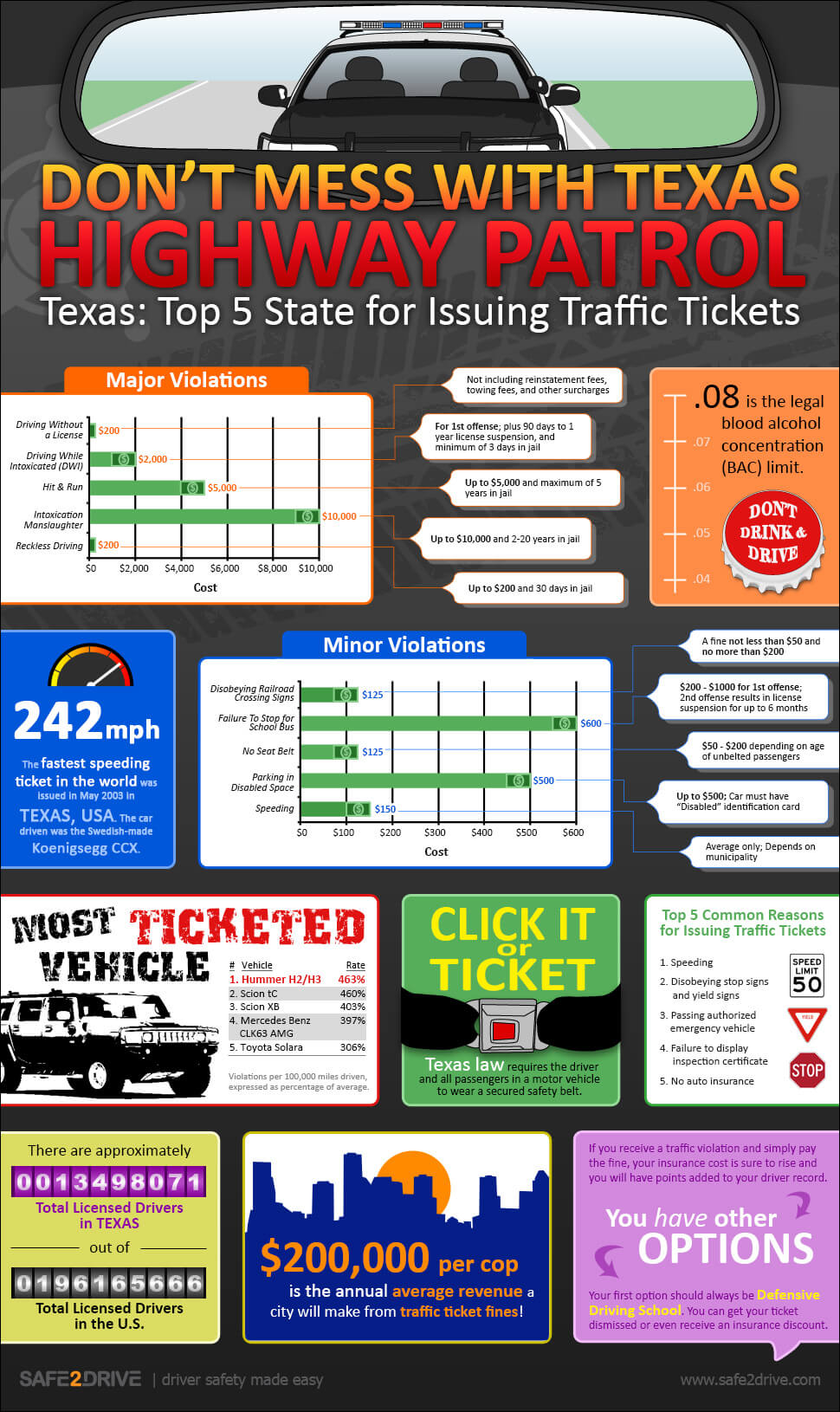
Speeding laws in Texas are designed to ensure road safety, but their enforcement and the resulting penalties can vary significantly depending on several factors. The state’s diverse geography, from sprawling urban centers to vast rural highways, means that speed limits are not uniform and often change abruptly. Being aware of these variations is the first step in avoiding a costly misstep.
The Base Line: General Speed Limits
In Texas, general speed limits are established by statute, but local authorities can modify them for specific roads. Typically, you’ll find:
- Residential Areas: Often 30 mph.
- Urban Highways (e.g., within cities like Dallas or Fort Worth): 55-65 mph, though some urban interstates may have higher limits.
- Rural Highways: Often 70 mph, with some state highways or farm-to-market roads potentially lower.
- Interstates: Up to 75 mph, and on some designated sections, 80 mph or even 85 mph (though these are rare and highly specific, primarily in West Texas).
- School Zones: Significantly reduced, typically 15-20 mph during active school hours. Fines are often doubled in these zones.
- Construction Zones: Reduced speed limits, often with doubled fines for violations when workers are present.
The key takeaway is to always pay close attention to posted speed limit signs. Do not assume the limit based on the type of road or your experience in other states. What might be an acceptable speed on a rural highway near El Paso could be a serious violation on a busy thoroughfare in Austin.
Factors Influencing Fines: Beyond Just Your Speed
While the raw speed over the limit is the primary determinant, several other elements can drastically influence the final cost of a speeding ticket.
- How Fast You Were Going: The greater your speed above the limit, the higher the base fine. Speeding 1-10 mph over the limit will naturally incur a lower fine than speeding 20+ mph over.
- Location of the Offense: As mentioned, tickets issued in school zones or active construction zones carry significantly steeper penalties. These are designed to protect vulnerable pedestrians and road workers. Violations in these zones demonstrate a higher degree of negligence in the eyes of the law.
- County or Municipality: Fines are often set by the specific county or municipal court with jurisdiction over where you received the ticket. This means a 15 mph over ticket in a small town along the Gulf Coast might cost less or more than the same offense in a major metropolitan area like San Antonio. Each court has its own fee schedule.
- Prior Driving Record: Repeat offenders or those with a history of traffic violations may face higher fines and more severe consequences, including surcharges from the state.
- Aggravating Circumstances: Things like reckless driving in addition to speeding, or causing an accident, will elevate the penalties significantly.
Deconstructing the Cost: The Financial Impact of a Texas Speeding Ticket
The question of “how much” is rarely a simple answer in Texas. A speeding ticket is not just the face value of the fine; it’s a multi-layered financial burden that can extend far beyond the initial payment. For travelers, this can mean a substantial unexpected hit to their vacation budget, potentially impacting their choice of hotels, planned activities, or even requiring an early end to their trip. For residents, it adds financial strain and can affect long-term expenses.
The Initial Fine: A Spectrum of Costs
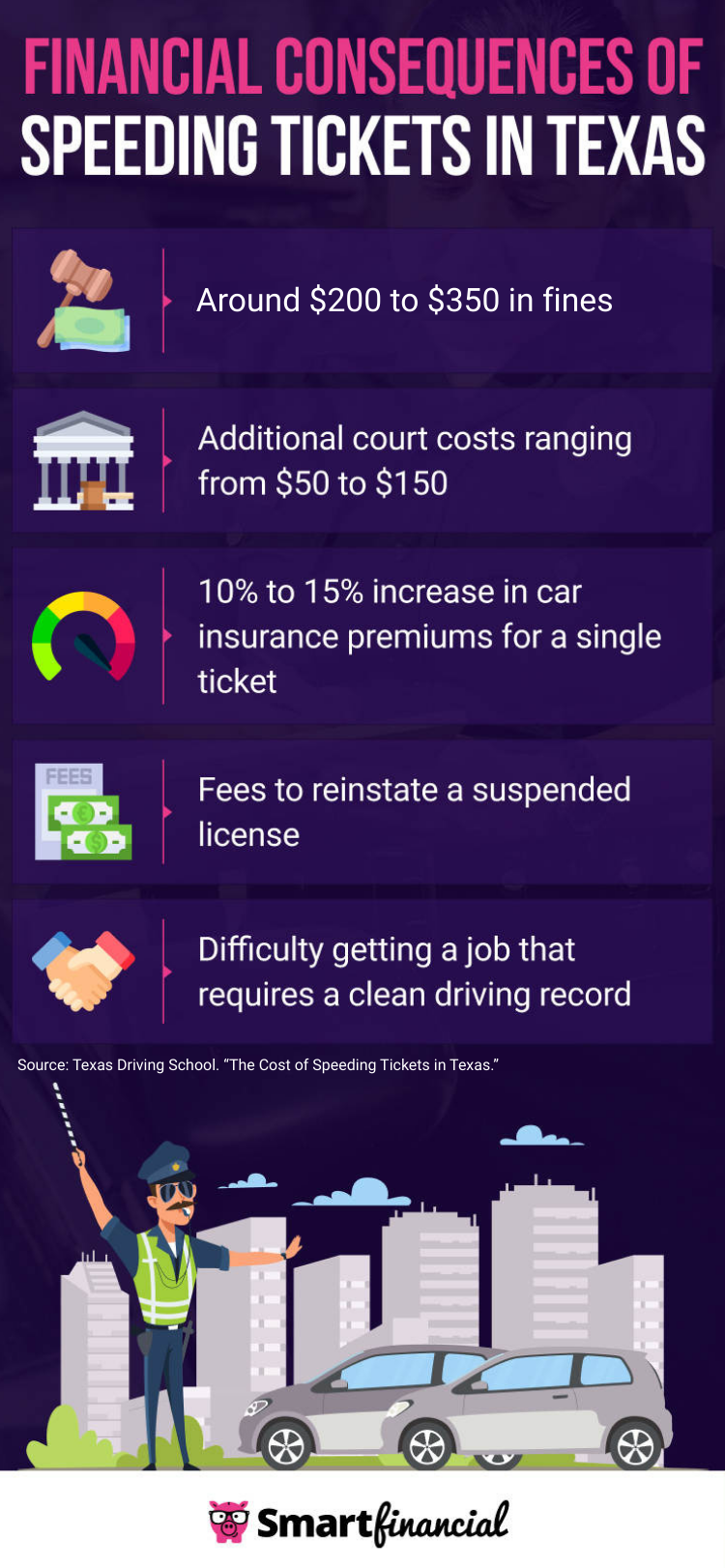
The base fine for speeding in Texas typically ranges from $150 to $350 or more, depending on how fast you were going and the jurisdiction.
- Minor Violations (e.g., 1-10 mph over): Expect fines in the lower end of this range, perhaps $150-$200.
- Moderate Violations (e.g., 11-20 mph over): Fines often fall in the $200-$300 range.
- Major Violations (e.g., 20+ mph over): These can easily exceed $300, particularly if you were going extremely fast, for example, 90 mph on Interstate 35 where the limit is 75 mph.
- School Zones/Construction Zones: Fines are usually doubled, meaning a $200 base fine could become $400 or more in these sensitive areas.
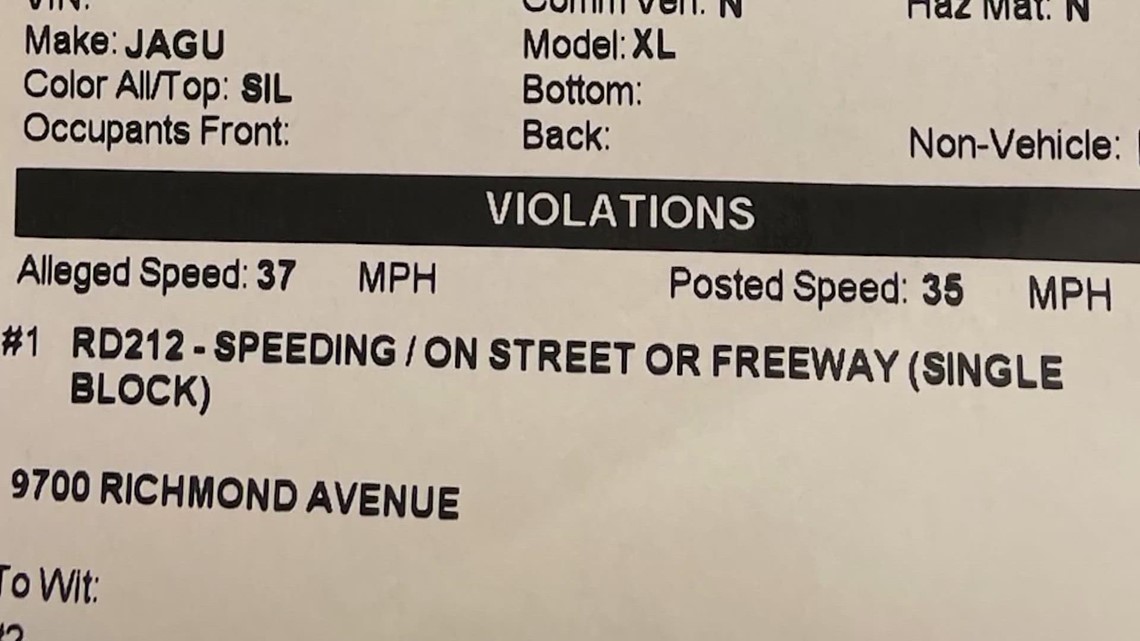
It’s crucial to understand that these figures are approximate. The exact amount will be stated on your citation.
Court Costs and Surcharges: The Hidden Add-ons
This is where the true cost often becomes apparent. Beyond the base fine, most jurisdictions in Texas levy additional fees and surcharges. These can include:
- Court Costs: Fees associated with processing your case, regardless of whether you appear in court. These can add another $50-$100 or more.
- State Fees: Various state-mandated administrative fees.
- Driver Responsibility Program Surcharges (Historically): While the original Driver Responsibility Program was largely repealed and replaced in 2019, certain serious traffic offenses (like driving without insurance or intoxicated driving) still carry state surcharges. For speeding, the primary focus is now on the fines and court costs, but it highlights the state’s efforts to penalize repeat or serious offenders.
- OmniBase Fees: If you fail to appear in court or pay your fine, an additional fee (often around $20-$30) can be assessed by the Omnibase program, which is a statewide system used to track outstanding citations. This can lead to your driver’s license renewal being blocked.
When you factor in these additional charges, a seemingly “small” speeding ticket can quickly balloon to $300 to $600 or even higher. This unexpected expenditure can significantly impact a meticulously planned travel budget, forcing travelers to reconsider their accommodation choices or cut short their exploration of Texas landmarks.
The Lingering Cost: Insurance Premium Hikes
Perhaps the most significant long-term financial consequence of a speeding ticket is the potential increase in your auto insurance premiums. Insurers view speeding tickets as an indicator of increased risk. Even a single ticket can lead to a premium hike that lasts for several years.
- Percentage Increase: The exact increase varies by insurance provider, your driving history, and the severity of the offense, but it’s not uncommon to see premiums jump by 10-25% or even more.
- Cumulative Cost: Over three to five years, these increased premiums can easily amount to hundreds or even thousands of dollars, far surpassing the initial fine and court costs. This can drastically affect your personal lifestyle budget and your ability to save for future travel experiences.
Navigating Your Options: What to Do After Getting a Ticket
Receiving a speeding ticket can be stressful, but understanding your options is crucial. In Texas, you generally have a few avenues to consider, each with its own pros and cons. The decision often hinges on the severity of the offense, your driving record, and your willingness to invest time and effort.
Paying the Ticket: When It’s the Simplest Route
For many, especially those traveling through Texas who live out of state, simply paying the ticket is the most convenient option. This closes the case quickly, allowing you to move on with your journey or daily life.
- Pros: Quick, easy, and requires minimal time investment. No need to appear in court.
- Cons: You admit guilt, and the violation will likely appear on your driving record. This almost invariably leads to increased insurance premiums. For visitors, this record may transfer to your home state.
- When to Consider: If the fine is low, your driving record is otherwise spotless, and you prioritize convenience over potential long-term insurance costs.
Contesting the Ticket: Fighting for Your Driving Record
If you believe you were unjustly cited or that there were errors in the citation, you have the right to contest the ticket in Texas Municipal Court or Justice Court.
- Pros: Opportunity to get the ticket dismissed, protecting your driving record and preventing insurance hikes.
- Cons: Requires time and effort to prepare a defense, possibly attend multiple court dates, and potentially hire a lawyer. There’s no guarantee of success.
- When to Consider: If you have strong evidence (e.g., dashcam footage, witness testimony, proof of faulty radar calibration), if the officer made procedural errors, or if the potential insurance increases are significant enough to warrant the effort.
Defensive Driving Courses: A Path to Dismissal
Many Texas courts offer the option to take a state-approved defensive driving course (also known as a Driver Safety Course) to dismiss a speeding ticket.
- Eligibility: Typically, you must not have taken a defensive driving course for ticket dismissal within the past 12 months, possess a valid Texas driver’s license (or be a military member/spouse), not be speeding excessively (usually not more than 25 mph over the limit), and the offense must not have occurred in a construction zone with workers present or be a commercial driver’s license holder.
- Pros: The ticket is dismissed, preventing it from appearing on your driving record and thus avoiding insurance premium increases.
- Cons: You must pay court costs, a fee for the course itself (typically $25-$50), and surrender that option for future tickets for a year. The course usually takes 6 hours to complete.
- When to Consider: This is often an excellent option for minor to moderate speeding offenses, especially for those who want to keep their record clean and avoid higher insurance rates.
Deferred Disposition: Another Chance for a Clean Record
Deferred disposition is a probation period offered by some courts. If you successfully complete the terms (e.g., avoid new citations for 60-180 days, pay administrative fees), the ticket will be dismissed.
- Eligibility: Similar to defensive driving, criteria vary by court but usually exclude severe speeding or repeat offenders.
- Pros: The ticket is dismissed, keeping your driving record clean.
- Cons: You must pay an administrative fee (often similar to the fine itself) and adhere to probation terms. If you violate probation, the ticket goes on your record, and you may face additional penalties.
- When to Consider: A good alternative if you’re not eligible for defensive driving, or if you prefer a period of probation over taking a course.
Beyond the Fine: Long-Term Consequences and Travel Implications
The monetary cost of a speeding ticket in Texas is just one aspect. The ripple effects can extend to your driving privileges, your ability to enjoy future travel, and your overall peace of mind.
Points on Your Driving Record and License Suspension Risks
Every moving violation in Texas, including speeding, typically results in points being added to your driving record by the Texas Department of Public Safety.
- Point System: Generally, 2 points are assessed for a moving violation, and 3 points if the violation results in an accident.
- License Suspension: Accumulating 6 or more points within a three-year period can lead to surcharges from the state. More severely, habitual traffic offenders or those accumulating too many points in a short period could face license suspension. This is a critical concern, especially for commercial drivers or those whose livelihood depends on driving.
- Out-of-State Drivers: For those visiting Texas, a speeding ticket often gets reported to their home state’s DMV, potentially leading to points and penalties on their out-of-state license as well, depending on inter-state agreements.
How a Ticket Can Derail Your Texas Travel Experience
For tourists, a speeding ticket is more than just a financial drain; it’s a significant disruption to their carefully planned tourism experience and lifestyle.
- Budgetary Strain: The unexpected cost of fines, court fees, and potential insurance increases can severely impact your travel budget, forcing you to cut back on attractions like visiting the Riverwalk in San Antonio or exploring the NASA Johnson Space Center in Houston. It might even mean opting for less desirable accommodation than initially planned.
- Time Consumption: Dealing with a ticket, especially if you choose to contest it or take a defensive driving course, consumes valuable vacation time. This could mean missing out on a planned visit to Gruene Hall or delaying your journey through the Hill Country.
- Stress and Frustration: The emotional toll of receiving a ticket, dealing with legal processes, and the uncertainty of the outcome can overshadow the joy of your trip, turning a relaxing getaway into a stressful ordeal.
- Future Travel Impact: For international visitors, serious traffic infractions could potentially complicate future visa applications or entry into the United States.
Driving Smart in the Lone Star State: Tips to Avoid a Ticket
Prevention is always the best strategy. By adopting smart driving habits, both residents and travelers can significantly reduce their risk of receiving a speeding ticket and ensure a smoother, more enjoyable experience in Texas.
Planning Ahead: Know Your Route and Speed Zones
Before embarking on your journey, take a few moments to familiarize yourself with your route and anticipated speed limits.
- Use GPS Navigation: Modern GPS systems often display current speed limits and can warn you if you exceed them. Utilize apps that include speed trap alerts, though always drive according to posted limits.
- Research Specific Areas: If you know you’ll be driving through specific cities like Galveston or Corpus Christi, or near popular landmarks, be extra vigilant about speed limit changes, especially around tourist areas where enforcement might be stricter.
- Beware of Transition Zones: Pay close attention when transitioning from rural highways (e.g., 75 mph on Interstate 10) into urban areas or smaller towns, as speed limits can drop dramatically and quickly.
Staying Present: Focus and Awareness on Texas Roads
Distracted driving is a major contributor to speeding and other traffic violations. Maintain focus on the road and your surroundings at all times.
- Monitor Your Speedometer Regularly: It’s easy for your speed to creep up without realizing it, especially on long, open stretches of Texas highway.
- Observe Posted Limits: Actively look for and obey all speed limit signs. Do not rely solely on the flow of traffic, as other drivers may be speeding.
- Be Mindful of Speed Traps: While it’s always best to obey the law, some areas are known for more frequent speed enforcement. These are often in transition zones, small towns, or specific stretches of highway.
- Allow Ample Travel Time: Rushing is a primary cause of speeding. Build extra time into your travel plans to avoid feeling pressured to speed, especially when trying to make it to your hotel booking or a scheduled tour. Enjoy the journey, embrace the Texas scenery, and drive safely.
In conclusion, the cost of a speeding ticket in Texas is far more than just the number on the citation. It encompasses immediate fines, court costs, potential state surcharges, and long-term increases in insurance premiums. For travelers, it can significantly detract from their experience, impacting their budget, schedule, and enjoyment of the state’s incredible destinations. By understanding the laws, knowing your options, and practicing safe, attentive driving, you can navigate the roads of the Lone Star State smoothly, protecting both your wallet and your peace of mind.
LifeOutOfTheBox is a participant in the Amazon Services LLC Associates Program, an affiliate advertising program designed to provide a means for sites to earn advertising fees by advertising and linking to Amazon.com. Amazon, the Amazon logo, AmazonSupply, and the AmazonSupply logo are trademarks of Amazon.com, Inc. or its affiliates. As an Amazon Associate we earn affiliate commissions from qualifying purchases.