
Navigating the intricacies of vehicle ownership can sometimes feel like a journey in itself, particularly when it involves understanding state-specific regulations. For residents and visitors alike, understanding the requirements and costs associated with a vehicle inspection in Texas is crucial. Whether you’re planning a scenic Texas road trip through the sprawling Lone Star State, relocating to a vibrant city like Austin or Houston, or simply ensuring your daily commute is compliant, knowing the financial and procedural aspects of vehicle inspections is paramount. These inspections are not just bureaucratic hurdles; they are fundamental to road safety and environmental protection, playing a vital role in the overall lifestyle of driving in Texas. This comprehensive guide will break down everything you need to know about vehicle inspections, from the costs involved to the process, and even significant upcoming changes, all while tying it into the broader context of travel, tourism, and lifestyle in this diverse state.

Understanding Texas Vehicle Inspections: An Essential Overview
For decades, the State of Texas has mandated annual vehicle inspections to ensure all vehicles operating on its roads meet minimum safety and, in certain areas, emissions standards. This regulatory framework is designed to protect drivers, passengers, and the environment. As a state renowned for its vast landscapes, from the sandy beaches of Corpus Christi to the bustling urban centers of Dallas and San Antonio, safe and environmentally responsible travel is a key component of the Texas experience.
The Purpose Behind the Annual Check
At its core, a vehicle inspection in Texas serves a dual purpose: enhancing road safety and reducing harmful air pollution. The safety inspection ensures that critical components of your vehicle are functioning correctly, minimizing the risk of accidents caused by mechanical failure. This directly contributes to safer travel for everyone sharing the roads, whether they’re on a family vacation visiting landmarks or simply commuting to work.
Beyond safety, the emissions inspection—required in specific, more populous counties—aims to reduce vehicle-generated air pollution. This is particularly important for air quality in major metropolitan areas such as Houston, Dallas, Fort Worth, Austin, and San Antonio, where population density and traffic volume are significant. By testing exhaust systems, the state helps ensure that vehicles are not emitting excessive pollutants, thereby protecting public health and preserving the natural beauty that attracts so many to Texas for tourism and outdoor activities. This commitment to environmental quality reflects a broader lifestyle choice for many Texans.
What Parts of Your Vehicle Are Inspected?
A standard Texas safety inspection is comprehensive, covering a wide array of your vehicle’s systems to ensure they meet state requirements. This includes checks on:
- Brakes: Both service brakes and parking brakes are tested for effectiveness and proper operation.
- Lights: All exterior lights, including headlamps, tail lamps, stop lamps, turn signals, and license plate lights, must be functional and correctly aligned.
- Tires: Inspectors check for proper tread depth, general condition, and ensure there are no visible defects or damage that could compromise safety.
- Steering and Suspension: The integrity of these systems is crucial for vehicle control and stability, especially when navigating Texas’s diverse terrain, from urban highways to rural roads.
- Horn: A working horn is essential for signaling and avoiding hazards.
- Mirrors: Rearview mirrors must be in good condition and provide an unobstructed view.
- Windshield Wipers: Essential for visibility during Texas’s unpredictable weather, from sudden downpours to dust storms.
- Windows and Window Tint: All windows must be operational, and any tinting must meet legal standards.
- Seatbelts: All seatbelts must be present and in proper working order, a fundamental safety feature for all occupants.
- Exhaust System: Checked for leaks and proper mounting.
- Wheel Assembly: Inspected for proper attachment and condition.
- Emissions System (if applicable): In designated counties, a separate test is performed to measure exhaust gas components against set limits. This typically involves connecting to the vehicle’s On-Board Diagnostics (OBD) system for vehicles manufactured after 1996.
This detailed examination ensures that vehicles on Texas roads are roadworthy, contributing to a safer environment for everything from daily commutes in Plano to adventurous cross-state travel.
The Cost of Compliance: Breaking Down Vehicle Inspection Fees in Texas
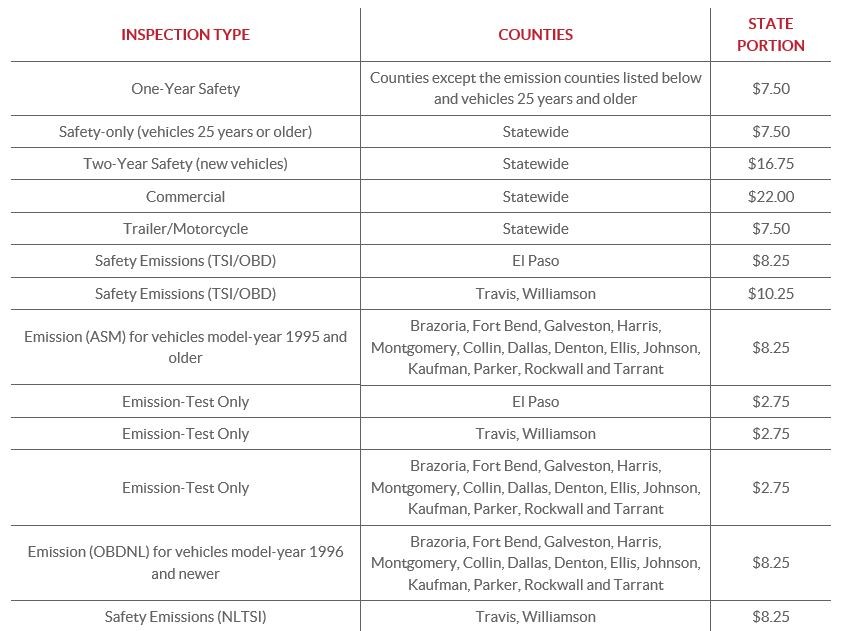
One of the most common questions drivers have revolves around the cost of these mandatory inspections. The fees for vehicle inspections in Texas are standardized by law, though the total amount can vary slightly depending on whether an emissions test is required for your vehicle and location. Understanding these costs is an important aspect of budgeting for vehicle ownership and travel expenses in the state.
Standard Safety Inspection Costs
For most vehicles, the safety inspection fee is a fixed amount set by the Texas Department of Public Safety (TxDPS) and collected by certified inspection stations. As of the time of writing, the typical cost for a standard safety inspection for light vehicles (cars, light trucks, vans) is around $7.00. This fee is specifically for the safety component of the inspection and is uniform across the state, regardless of your vehicle’s make or model, or where you get it inspected. It’s a relatively small annual outlay, especially when weighed against the peace of mind that comes with knowing your vehicle is safe for travel, whether you’re exploring the historic landmarks of San Antonio or heading to a business conference in Irving.
Emissions Testing: An Additional Layer in Certain Counties
While the safety inspection is statewide, emissions testing is only required in specific counties that have been designated as non-attainment or near non-attainment areas for federal air quality standards. These typically include the most populous metropolitan areas where vehicle emissions have a greater impact on air quality. Currently, these counties are part of major areas like Houston-Galveston–Brazoria, Dallas-Fort Worth, and Austin-Round Rock.
If your vehicle is registered in one of these counties and is eligible for an emissions test (generally, gasoline-powered vehicles 2-24 years old), an additional fee will be applied. The emissions testing fee typically adds around $11.50 to the total cost. Therefore, in an emissions-testing county, the combined cost for both safety and emissions inspection for a light vehicle would be approximately $18.50. This fee is regulated by the Texas Commission on Environmental Quality (TCEQ) and also collected by certified inspection stations. It’s an investment in sustainable living and responsible tourism, ensuring that your explorations across Texas contribute positively to the environment.
It’s important to note that certain vehicles are exempt from emissions testing, such as motorcycles, diesel-powered vehicles, electric vehicles, and vehicles newer than two years or older than 24 years (based on model year). Always confirm the specific requirements for your vehicle type and county of registration.
What to Expect if Your Vehicle Fails
If your vehicle fails either the safety or emissions inspection, you will not receive a passing inspection report. The inspection station will provide you with a Vehicle Inspection Report (VIR) detailing the reasons for failure. You then have a grace period—typically 15 days—to have the necessary repairs made and return for a re-inspection.
During this 15-day period, if you return to the same inspection station that performed the original failed inspection, the re-inspection is often performed at no additional charge, provided you only failed on items that can be visually verified (e.g., a broken light) or if the re-inspection is for emissions and you have proof of repairs (like a repair receipt). However, if you go to a different station for the re-inspection, or if more than 15 days have passed, you will likely have to pay the full inspection fee again. Repair costs, of course, are separate and depend entirely on the nature and extent of the repairs needed. This is an important financial consideration for vehicle owners and travelers, reminding them to maintain their vehicles proactively to avoid unexpected expenses that could impact a travel budget.
Navigating the Inspection Process: A Step-by-Step Guide
Undergoing a vehicle inspection in Texas is a straightforward process, designed to be as convenient as possible for drivers. Knowing the steps involved can help you prepare and ensure a smooth experience, whether you’re a long-time resident of Laredo or new to the vibrant culture of Austin.
Finding a Certified Inspection Station
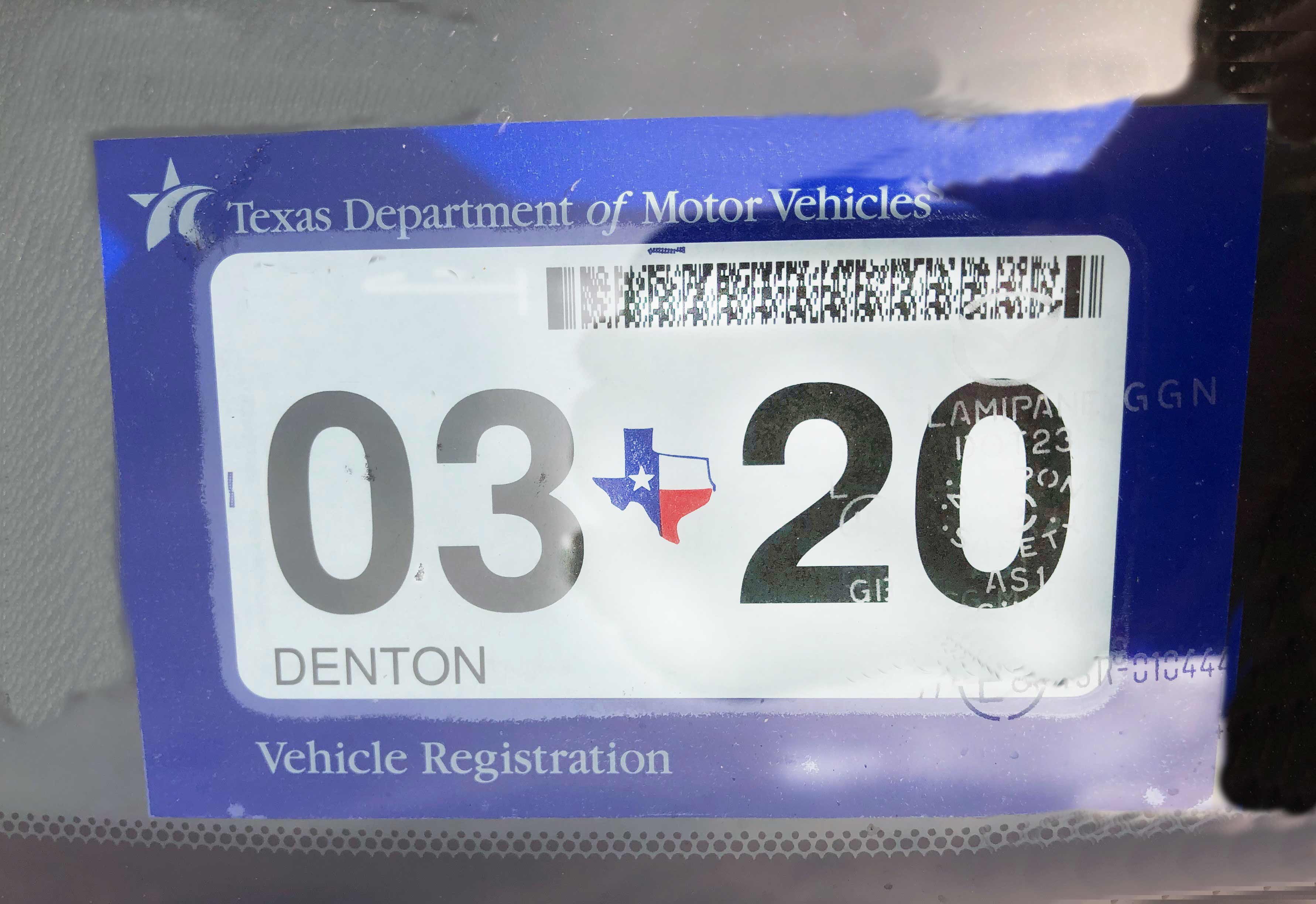
Vehicle inspections in Texas are conducted by privately owned, state-certified inspection stations. These are typically auto repair shops, dealerships, or dedicated inspection facilities. You can easily identify them by the official “Official Vehicle Inspection Station” sign displayed prominently. Many establishments also advertise their inspection services online or with signage. The Texas Department of Public Safety (TxDPS) website provides an online locator tool where you can search for certified stations by zip code, helping you find the most convenient option near your home, hotel, or travel destination. When planning a trip or settling into a new city like Lubbock, locating these essential services beforehand can save you time and hassle.
Required Documentation and What to Bring
When you visit an inspection station, you’ll need to present certain documents to the inspector before the process can begin. These typically include:
- Proof of Liability Insurance: This is mandatory in Texas and must be current. The policy must meet the minimum liability coverage requirements.
- Vehicle Registration (or Title/Proof of Ownership): While the inspection system can often pull up your vehicle’s registration electronically, it’s always a good idea to have your current registration receipt or title available, especially if you’re a new resident or just purchased the vehicle.
- Valid Photo ID: The vehicle owner or driver presenting the vehicle for inspection should have a valid form of identification.
Ensuring you have these documents readily available will streamline the check-in process and prevent any delays in getting your inspection completed.
Tips for a Smooth Inspection Experience
To help ensure your vehicle passes the inspection the first time and to make the process as efficient as possible, consider these tips:
- Perform a Pre-Check: Before heading to the inspection station, do a quick self-check of easily identifiable items. Test all your lights (headlights, taillights, brake lights, turn signals, license plate light), check your tire pressure and tread depth, ensure your horn works, and verify your wipers are functional.
- Resolve Dash Warning Lights: If your “Check Engine” light is illuminated, your vehicle will automatically fail the emissions test (if applicable). Address any illuminated warning lights before your inspection.
- Maintain Your Vehicle Regularly: Regular maintenance, such as oil changes and tire rotations, not only keeps your vehicle running smoothly but also helps prevent unexpected failures during an inspection. This is crucial for anyone relying on their vehicle for extensive travel or daily living.
- Arrive Early/Avoid Peak Times: Inspection stations can get busy, especially at the end of the month. Arriving early in the day or during off-peak hours can reduce your waiting time.
- Be Prepared for the Cost: Have the inspection fee ready, whether in cash or with a card, to facilitate a quick transaction.
By following these simple guidelines, you can make your annual vehicle inspection in Texas a hassle-free part of your vehicle maintenance routine, ensuring your travels are always safe and compliant.
Looking Ahead: Major Changes to Texas Vehicle Inspections in 2025
Perhaps the most significant development concerning vehicle inspections in Texas is the upcoming change slated for January 1, 2025. This change will dramatically alter the inspection landscape for millions of drivers across the state and is a crucial detail for anyone planning their future vehicle ownership or travel within Texas.
The End of Safety Inspections: What This Means for Drivers
Effective January 1, 2025, the mandatory annual safety inspection for most passenger vehicles, light trucks, and motorcycles will be eliminated. This means that drivers will no longer be required to take their vehicles to a certified station for checks on brakes, lights, tires, and other safety components that have been a cornerstone of Texas vehicle compliance for decades.
This legislative change aims to reduce the burden on vehicle owners and streamline the annual registration process. For drivers, it means one less annual appointment and a direct saving of the approximately $7.00 safety inspection fee. However, it’s critical to understand that while the mandate for state-conducted safety checks is disappearing, the responsibility for maintaining a safe vehicle remains entirely with the owner. Law enforcement can still cite drivers for unsafe vehicle conditions (e.g., broken headlights, bald tires) during traffic stops. Therefore, while the official inspection might cease, a proactive approach to vehicle maintenance will become even more vital for personal safety and avoiding potential fines. This shift represents a change in lifestyle, placing more emphasis on individual responsibility for vehicle upkeep.
Emissions Testing Will Continue
It is crucial to note that while safety inspections are being phased out, emissions testing will continue in the 17 counties where it is currently required. These counties, which include major metropolitan areas like Dallas, Houston, Austin, and Fort Worth, will still require eligible vehicles to undergo an annual emissions inspection.
This continuation of emissions testing underscores Texas’s commitment to air quality standards, particularly in its most densely populated areas. Therefore, residents of these counties will still need to take their vehicles to an inspection station and pay the emissions testing fee (approximately $11.50). This means that for drivers in these specific areas, a portion of the vehicle inspection process and associated costs will remain. When planning your travels or considering relocation to cities like Garland or Arlington, it’s important to remember that emissions requirements will still be a factor in your annual vehicle registration.
Texas Roads and Beyond: Connecting Inspections to Travel and Lifestyle
Vehicle inspections, while seemingly a minor administrative task, are deeply interwoven with the broader themes of travel, tourism, and lifestyle in a state as vast and diverse as Texas. Ensuring your vehicle is in top condition is not just about compliance; it’s about enabling memorable experiences and facilitating daily life.
The Role of Inspections in Road Trip Safety
Texas is a premier destination for road trips, offering everything from scenic drives through the Hill Country to coastal routes along the Gulf of Mexico and desert landscapes out towards El Paso. For travelers embarking on these adventures, the peace of mind that comes from a thoroughly inspected vehicle is invaluable. A vehicle that passes inspection is less likely to experience breakdowns, which can derail travel plans, incur unexpected repair costs, and even pose safety risks in remote areas. Even with the upcoming elimination of mandatory safety inspections, responsible drivers and savvy travelers will continue to prioritize their vehicle’s health. Regular maintenance checks, perhaps even more diligently performed by individual owners, will become the new standard for ensuring reliable and safe travel across the United States’s second-largest state. This commitment to vehicle integrity is a core component of a prepared and enjoyable travel lifestyle.
Vehicle Ownership and Registration in the Lone Star State
Beyond the inspection, vehicle ownership in Texas involves annual registration. Historically, a passing inspection report was a prerequisite for renewing your vehicle’s registration. From 2025 onwards, for most vehicles, this direct link will be severed for the safety component. Drivers will simply need to renew their registration through the Texas Department of Motor Vehicles (TxDMV), either online, by mail, or in person at their local county tax assessor-collector’s office. For those in emissions-testing counties, however, a valid emissions pass will still be required to complete registration.
Understanding these intertwined processes is vital for residents and for those considering making Texas their new home. It impacts personal budgets, travel planning, and the overall convenience of managing a vehicle. The evolution of vehicle inspection laws reflects a dynamic approach to public policy, balancing safety and environmental concerns with the aim of easing regulatory burdens on citizens. Regardless of the changes, maintaining a well-cared-for vehicle remains fundamental to enjoying the freedom and flexibility that driving in Texas offers, facilitating everything from quick trips to local attractions to extended vacations exploring the many destinations and experiences the state has to offer.
LifeOutOfTheBox is a participant in the Amazon Services LLC Associates Program, an affiliate advertising program designed to provide a means for sites to earn advertising fees by advertising and linking to Amazon.com. Amazon, the Amazon logo, AmazonSupply, and the AmazonSupply logo are trademarks of Amazon.com, Inc. or its affiliates. As an Amazon Associate we earn affiliate commissions from qualifying purchases.