
The vast, diverse landscapes of Texas beckon travelers and those seeking a new lifestyle alike. From the vibrant cityscapes of Houston and Dallas to the live music capital of Austin and the historic charm of San Antonio, the Lone Star State offers an unparalleled array of destinations, attractions, and experiences. Whether you’re embarking on an epic road trip through the desert and mountains, exploring the picturesque Texas Hill Country, or settling into a long-term stay to immerse yourself in local culture, having a reliable mode of transportation is often essential. And with a vehicle comes the critical necessity of car insurance.

For both seasoned travelers planning to rent a car and newcomers considering a move to this dynamic state, understanding the intricacies and costs of car insurance in Texas is not just a legal requirement but a fundamental aspect of responsible travel and lifestyle planning. Car insurance can significantly impact your travel budget, your comfort level during a vacation, and your peace of mind as a resident. It’s a topic often overlooked in the excitement of planning adventures or relocations, yet its importance cannot be overstated. This comprehensive guide aims to demystify car insurance in Texas, providing insights into average costs, influencing factors, and smart strategies to ensure your journeys across this magnificent state are as smooth and secure as possible.
Navigating the Lone Star State: Car Insurance Essentials for Travelers and New Residents
Texas is a state built for driving. Its expansive highways connect bustling metropolitan areas with serene natural wonders, historic landmarks, and charming small towns. For many, a car isn’t just a convenience; it’s a gateway to exploration and an integral part of daily life. This reliance on personal transportation underscores the importance of adequate car insurance, not only to comply with state laws but also to safeguard your finances and well-being while experiencing all that Texas has to offer.
The Call of the Open Road: Why Insurance is Non-Negotiable in Texas
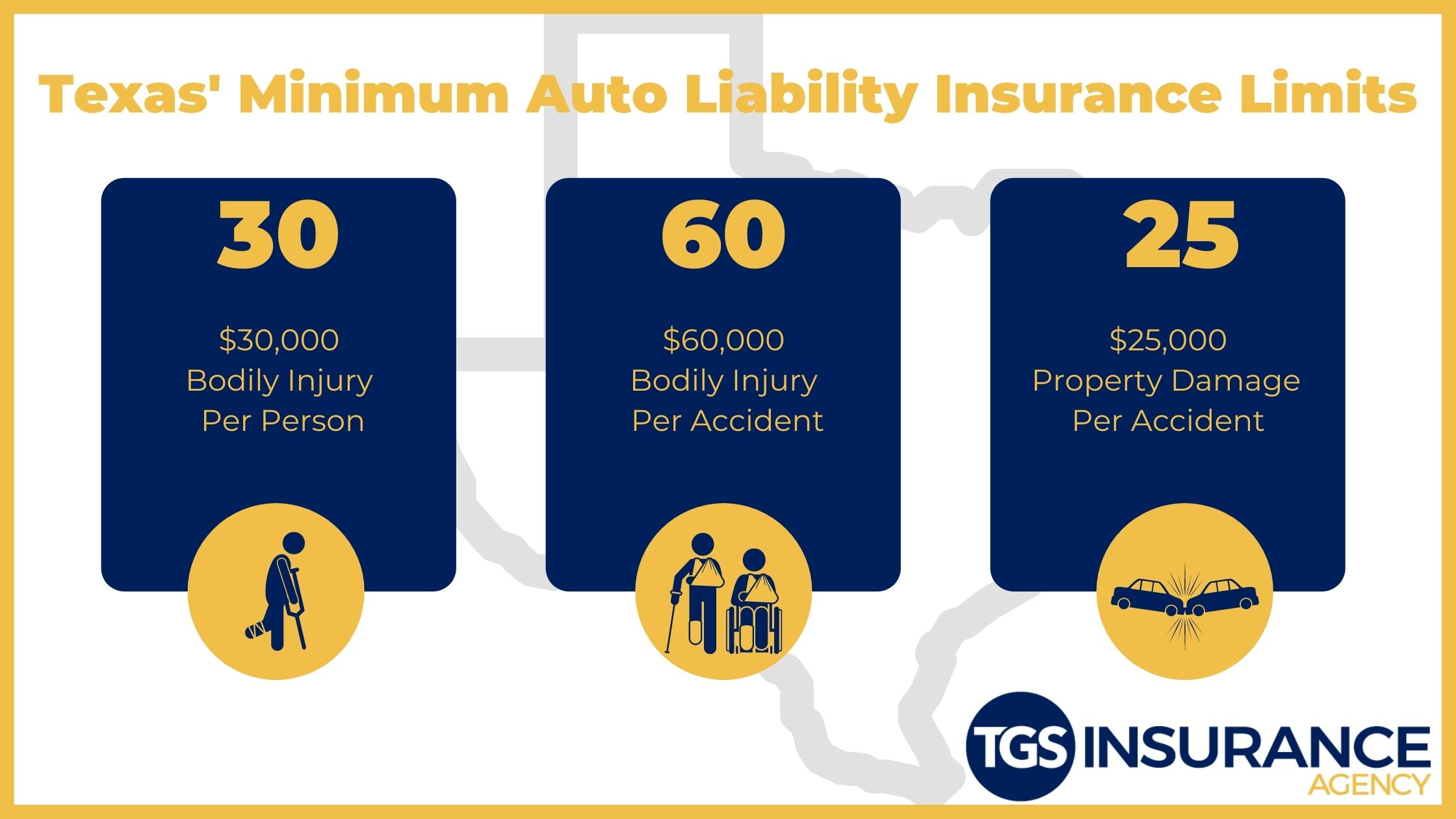
Before you even think about hitting the highway, it’s crucial to understand that car insurance is legally mandated in Texas. The state operates under an “at-fault” system, meaning the driver responsible for an accident is liable for the damages. To ensure that victims can be compensated, all drivers are required to carry a minimum amount of liability insurance. This is often referred to as “30/60/25” coverage, which translates to:
- $30,000 for bodily injury per person
- $60,000 for total bodily injury per accident
- $25,000 for property damage per accident
While these are the minimums, many experts and seasoned travelers recommend carrying higher limits for greater protection, especially given the potential costs of accidents. Considering the sheer size of Texas and the amount of driving you’re likely to do to explore its diverse attractions – from the Big Bend National Park in the west to the beaches of the Gulf Coast – being adequately insured is paramount for a worry-free experience. Driving without insurance in Texas can lead to hefty fines, vehicle impoundment, and even license suspension, making it a risk not worth taking for any traveler or resident.
Renting Wheels in Texas: Understanding Your Coverage Options
For visitors flying into Texas and planning to rent a car for their explorations, the question of car insurance takes on a different dimension. Rental car agencies typically offer various insurance products, but it’s essential to avoid paying for redundant coverage.
- Collision Damage Waiver (CDW) or Loss Damage Waiver (LDW): This often covers damage to the rental car itself. Before purchasing, check if your personal car insurance policy extends to rental vehicles. Many policies do, especially for domestic travel.
- Liability Insurance: Your personal auto insurance policy might provide liability coverage for rental cars. If not, the rental company will offer supplementary liability insurance (SLI). Some credit cards also offer secondary collision coverage if you use them to pay for the rental, but this usually kicks in after your primary insurance.
- Travel Insurance: Comprehensive travel insurance packages sometimes include rental car collision coverage. Review your policy carefully to understand its scope and limitations when driving in Texas.
Understanding these options is key to making an informed decision that balances cost and coverage, ensuring your travel budget isn’t unnecessarily inflated while still providing robust protection for your Texas adventures. Always verify your existing coverage with your insurer or credit card company before picking up a rental car.
Embracing the Texas Lifestyle: What Newcomers Need to Know About Auto Insurance
Moving to Texas for a new lifestyle, whether it’s for work, retirement, or simply a change of scenery, brings with it a host of logistical considerations, including car insurance. As a new resident, you’ll generally need to update your vehicle registration and driver’s license within a certain timeframe (usually 30-90 days), and this includes obtaining a Texas car insurance policy.
- Transferring Your Policy: While some national insurers operate across state lines, your existing policy might need to be converted to a Texas-specific policy, or you might need to find a new provider altogether. Be prepared for potential changes in rates, as insurance costs vary significantly by state.
- Establishing Residency: Your new Texas address will be a primary factor in determining your premium. Moving from a quiet suburban area in another state to a bustling Texas city like Houston or Dallas will almost certainly impact your rates.
- Continuous Coverage: It’s vital to maintain continuous car insurance coverage. Lapses in coverage can lead to higher premiums in the future, as insurers view it as a sign of higher risk. Plan your insurance transition carefully to avoid any gaps as you settle into your new Texas home.
For those planning a long-term stay, understanding the local insurance landscape is as crucial as finding the right accommodation or exploring local tourism opportunities. It’s an essential step in integrating into the Texas lifestyle.
Unpacking the Cost: Factors Shaping Texas Auto Insurance Premiums
The question “How much is car insurance in Texas?” doesn’t have a single, straightforward answer. Car insurance premiums are highly individualized, influenced by a complex interplay of factors that range from your personal driving history to where you reside within the state. Understanding these variables is key to anticipating costs and making informed decisions, whether you’re budgeting for a vacation or planning a permanent move.
Geographic Variations: City vs. Countryside Rates in Texas
Location is one of the most significant determinants of car insurance costs in Texas. Premiums can fluctuate dramatically depending on whether you live in a dense urban center, a bustling suburban community, or a tranquil rural area.
- Major Metropolitan Areas: Cities like Houston, Dallas, Austin, and San Antonio typically have higher insurance rates. This is due to several factors: increased traffic congestion leading to a higher likelihood of accidents, a greater incidence of vehicle theft and vandalism, and potentially higher costs for repairs and medical services within city limits. For instance, drivers in Houston, with its massive population and extensive road network, often face some of the highest premiums in the state.
- Suburban and Rural Areas: Moving outside the immediate city centers, to towns within the Texas Hill Country or less populated regions, generally results in lower premiums. Fewer cars on the road mean a reduced risk of accidents, and crime rates related to vehicles are often lower. However, even within rural areas, proximity to major highways or specific weather patterns (like hail in certain parts of Texas) can still play a role.
The zip code where your vehicle is primarily garaged is a critical piece of information for insurers, reflecting the local risks associated with your daily driving environment. For tourists, this factor primarily affects rental car rates if they pick up and return in different locations, or the cost of their personal policy if their residency is temporary.
Personal Profile & Vehicle Specifics: Beyond Location

While location sets a baseline, your individual characteristics and the car you drive further refine your insurance premium. These factors reflect your specific risk profile to insurers.
- Driver’s Age and Experience: Younger, less experienced drivers, especially teenagers, typically face much higher premiums due to statistical evidence of higher accident rates. As drivers age and gain more experience, premiums generally decrease, assuming a clean driving record.
- Driving History: This is perhaps the most influential personal factor. A clean driving record—free of accidents, speeding tickets, or other moving violations—is rewarded with lower rates. Conversely, a history of claims or infractions will significantly increase your premiums.
- Vehicle Type and Features: The make, model, year, and safety features of your car matter. More expensive vehicles, luxury cars, or high-performance sports cars typically cost more to insure because they are more expensive to repair or replace. Vehicles with advanced safety features (e.g., anti-lock brakes, airbags, anti-theft systems) may qualify for discounts, as they reduce the likelihood or severity of accidents.
- Annual Mileage: If you’re someone who loves embarking on extensive Texas road trips, your annual mileage might be higher than average. Driving more miles generally correlates with a higher risk of accidents, which can lead to slightly higher premiums. Conversely, low-mileage drivers might qualify for discounts.
- Credit Score: In Texas, as in many other states, insurers often use a credit-based insurance score as a factor in determining premiums. Studies have shown a correlation between lower credit scores and a higher likelihood of filing claims, although the specific impact can vary by insurer.
The Spectrum of Coverage: From Basic Liability to Full Protection for Your Texas Adventures
The type and amount of coverage you choose have a direct and substantial impact on your car insurance costs. While Texas mandates minimum liability, many drivers opt for more comprehensive protection, especially for peace of mind during travel or relocation.
- Liability Coverage (Mandatory): As discussed, this covers damages you cause to others in an at-fault accident. Opting for higher liability limits (e.g., 100/300/50 instead of 30/60/25) provides significantly more financial protection, but also increases your premium.
- Collision Coverage: This covers damage to your own vehicle resulting from a collision with another vehicle or object, regardless of who is at fault. It’s crucial for protecting your investment in your car, especially if you have a newer or more valuable vehicle.
- Comprehensive Coverage: This protects your vehicle from non-collision incidents, such as theft, vandalism, fire, natural disasters (like hail storms common in Texas), and animal collisions. For those exploring remote areas or parking in varied locations during their Texas travels, comprehensive coverage is invaluable.
- Uninsured/Underinsured Motorist (UM/UIM) Coverage: Highly recommended in Texas, this coverage protects you if you’re involved in an accident with a driver who has no insurance or insufficient insurance to cover your damages. Given the number of uninsured drivers on the road, UM/UIM can be a lifesaver.
- Personal Injury Protection (PIP) / Medical Payments (MedPay): These cover medical expenses for you and your passengers after an accident, regardless of fault. PIP can also cover lost wages and essential services.
- Deductibles: For collision and comprehensive coverage, you choose a deductible (the amount you pay out-of-pocket before your insurance kicks in). Higher deductibles generally lead to lower premiums, but mean higher upfront costs if you file a claim.
Choosing the right blend of coverage is a balance between managing costs and ensuring adequate protection for your travels and lifestyle in Texas.
Smart Strategies for Securing Affordable Car Insurance in Texas
Given the varied costs of car insurance across Texas, finding an affordable yet comprehensive policy requires a strategic approach. Whether you’re a budget traveler or a new resident looking to optimize your living expenses, these strategies can help you secure the best rates without compromising on essential protection.
The Power of Comparison: Finding Your Best Rate in the Lone Star State
The single most effective way to find affordable car insurance in Texas is to shop around. The insurance market is highly competitive, and rates for the same coverage can vary significantly from one provider to another.
- Gather Multiple Quotes: Don’t settle for the first quote you receive. Contact several insurance companies, including major national providers and smaller regional carriers that may have competitive rates in Texas.
- Utilize Online Comparison Tools: Numerous websites allow you to enter your information once and receive multiple quotes simultaneously, streamlining the comparison process.
- Consult Independent Agents: An independent insurance agent can be a valuable resource. They work with multiple insurers and can help you compare policies and find the best fit for your needs and budget, offering personalized advice for your Texas travel or residency.
When comparing quotes, ensure you’re comparing apples to apples – the same coverage limits, deductibles, and types of coverage across all providers.
Unlocking Discounts: Saving Money on Your Texas Car Insurance
Insurance companies offer a wide array of discounts that can significantly reduce your premiums. Actively inquire about these opportunities, as they can add up to substantial savings.
- Bundling Policies: If you’re a resident, consider bundling your auto insurance with other policies like home insurance, renters insurance, or even life insurance. Many insurers offer a discount for customers who combine multiple policies with them. This is particularly useful for new residents setting up their accommodation.
- Safe Driver Discounts: Maintain a clean driving record free of accidents and violations. Many insurers reward safe drivers with lower rates. Completing a defensive driving course can also sometimes qualify you for a discount.
- Good Student Discounts: If you have a student driver on your policy who maintains a good GPA, they might be eligible for a discount.
- Vehicle Safety Features: Cars equipped with anti-lock brakes, airbags, anti-theft devices, and other safety features often qualify for discounts.
- Low Mileage Discounts: If you don’t drive frequently, perhaps opting for public transport in cities like Austin or only using your car for weekend excursions, you might qualify for a low-mileage discount.
- Telematics Programs: Many insurers offer programs where you install a device in your car or use a mobile app that monitors your driving habits. Safe driving can lead to personalized discounts. This can be particularly appealing for budget travelers who demonstrate responsible driving.
Exploring these discount opportunities is a smart way to align your insurance costs with your lifestyle choices in Texas.
Continuous Coverage & Policy Review: Essential Tips for Texas Drivers
Maintaining consistent coverage and regularly reviewing your policy are vital for both financial savings and peace of mind.
- Avoid Lapses in Coverage: As mentioned, lapses in insurance coverage can lead to higher premiums in the future and legal penalties in Texas. Ensure your coverage is continuous, especially during transitions like moving to a new state or changing vehicles.
- Regular Policy Review: Your life changes, and so should your insurance policy. Review your coverage at least annually, or whenever significant life events occur (e.g., marriage, new car, change of address, adding a new driver). You might find opportunities to adjust your coverage, update discounts, or find a better rate.
- Understand Your Policy: Take the time to read and understand the details of your policy. Know your coverage limits, deductibles, and what is excluded. This knowledge is invaluable if you ever need to file a claim, especially when traveling or exploring unfamiliar territories in Texas.
Beyond the Policy: Exploring Texas Safely and Confidently
Securing the right car insurance is a foundational step, but a truly worry-free travel and lifestyle experience in Texas extends beyond the policy document. It encompasses responsible driving practices and preparedness for the unexpected.
Road Trip Ready: Safety Tips for Your Texas Journeys
Embarking on a Texas road trip is an iconic experience, whether you’re heading to the historic Alamo in San Antonio, hiking through Big Bend National Park, or exploring the beautiful Texas Hill Country. Maximize your safety and enjoyment with these tips:
- Vehicle Maintenance: Before any long journey, ensure your vehicle is in top condition. Check tires, oil, brakes, and fluids. A breakdown can quickly derail travel plans and potentially incur unexpected costs.
- Plan Your Route: Texas is vast. Plan your routes, especially through remote areas, and be aware of fuel stops. Cell service can be spotty in some regions.
- Stay Hydrated and Rested: Long drives can be tiring. Take frequent breaks, stay hydrated, and never drive drowsy.
- Be Aware of Weather: Texas weather can be unpredictable, ranging from intense heat to sudden thunderstorms, and even ice in winter. Monitor forecasts and adjust your plans accordingly.
- Secure Valuables: When visiting attractions or staying at hotels, ensure your vehicle is locked, and valuables are out of sight or secured.
In Case of the Unexpected: What to Do After an Accident in Texas
Even with the best preparation and coverage, accidents can happen. Knowing what steps to take can minimize stress and ensure your insurance claim proceeds smoothly.
- Ensure Safety: First, check for injuries. Move your vehicle to a safe location if possible.
- Contact Authorities: Report the accident to local law enforcement, especially if there are injuries or significant damage.
- Exchange Information: Get contact and insurance information from all parties involved.
- Document Everything: Take photos of the scene, vehicle damage, and any relevant details.
- Notify Your Insurer: Contact your insurance company as soon as possible to report the accident and begin the claims process. Having your insurance information readily available (physical card or on your phone) is crucial.
Understanding these practical steps, coupled with a robust insurance policy, provides a comprehensive safety net for all your adventures in Texas.
In conclusion, navigating the question of “How much is car insurance in Texas?” is a multifaceted endeavor. While average costs provide a general idea, your specific premium will be shaped by a range of personal and situational factors. For travelers exploring the diverse attractions of the Lone Star State, or for those embracing a new lifestyle within its borders, understanding these nuances is not just a matter of legal compliance but a strategic step towards a secure and enjoyable experience. By comparing quotes, leveraging discounts, and maintaining continuous, appropriate coverage, you can confidently embark on all your Texas adventures, knowing you’re well-protected on the open road.
LifeOutOfTheBox is a participant in the Amazon Services LLC Associates Program, an affiliate advertising program designed to provide a means for sites to earn advertising fees by advertising and linking to Amazon.com. Amazon, the Amazon logo, AmazonSupply, and the AmazonSupply logo are trademarks of Amazon.com, Inc. or its affiliates. As an Amazon Associate we earn affiliate commissions from qualifying purchases.