
Becoming a foster parent is a profound and deeply rewarding journey, offering a chance to provide a safe, stable, and loving environment for children in need. In the vast and diverse state of Texas, the need for dedicated foster families is significant. This guide aims to illuminate the path for prospective foster parents, offering insight into the requirements, the process, and the ongoing support available to those who choose to open their homes and hearts.
The decision to foster is not one taken lightly. It requires a commitment to understanding and meeting the unique needs of children who have experienced trauma or instability. Yet, for many, the experience of making a tangible difference in a child’s life, fostering their growth, and providing a sense of belonging is an unparalleled fulfillment. Texas has a robust system in place to support foster families and ensure the well-being of the children in their care, but navigating this system requires knowledge and preparation.
Understanding the Foster Care System in Texas
The foster care system in Texas is overseen by The Department of Family and Protective Services (DFPS), which works through various agencies and providers to connect children with loving foster homes. The primary goal is always to ensure the safety and well-being of the child, aiming for reunification with their biological family whenever possible. When reunification is not feasible, foster families play a crucial role in providing a nurturing environment until a more permanent solution, such as adoption, can be found.
The Role of DFPS and Partner Agencies
Texas relies on a network of public and private child-placing agencies to recruit, train, and support foster families. While DFPS sets the standards and policies, these partner agencies often handle the direct interaction with prospective foster parents, including home studies and ongoing support services. Understanding this dual structure is key to navigating the process effectively. Each agency may have slightly different approaches, but the core requirements remain consistent across the state.
Types of Foster Care Needs
The needs within the foster care system are varied. Children enter foster care for a multitude of reasons, including neglect, abuse, or parental substance abuse. They come from all backgrounds and situations, and their stays in foster care can range from a few weeks to several years. Some children may be part of sibling groups that need to be kept together, while others might have specific medical or behavioral needs requiring specialized care. Prospective foster parents should consider what types of needs they feel best equipped to meet, though agencies will work with families to find a good match.
Eligibility Requirements for Foster Parents in Texas
To become a foster parent in Texas, individuals and couples must meet specific criteria designed to ensure the safety and stability of the children placed in their care. These requirements are comprehensive and aim to create a supportive and nurturing home environment.
Personal and Background Checks
Applicants must undergo thorough background checks, including criminal history, child abuse and neglect registry checks, and fingerprinting for all adults residing in the home. This is a critical step to protect the children. Additionally, applicants should have a stable personal history and be at least 21 years old. While marital status is not a barrier (single individuals can foster), a stable and supportive relationship is often considered.
Financial Stability and Housing
Prospective foster parents must demonstrate financial stability, meaning they can provide for their own family’s needs without relying on foster care stipends. The stipend provided to foster parents is intended to cover the child’s expenses, not to be a primary source of income for the household. Adequate living space is also a requirement; there must be enough room for a foster child to have their own safe and comfortable sleeping space. This ensures privacy and a sense of personal territory for the child.
Health and Well-being
Applicants must be in good physical and mental health to be able to care for a child. A medical examination may be required to confirm this. It’s important for foster parents to have the energy, resilience, and emotional capacity to manage the unique challenges that can arise when caring for a child who has experienced trauma.
The Foster Parent Application and Training Process
Embarking on the journey to become a foster parent involves a structured application and training process. This process is designed to equip prospective parents with the knowledge and skills necessary to provide excellent care and to ensure a good match between the child and the family.
Initial Application and Inquiry

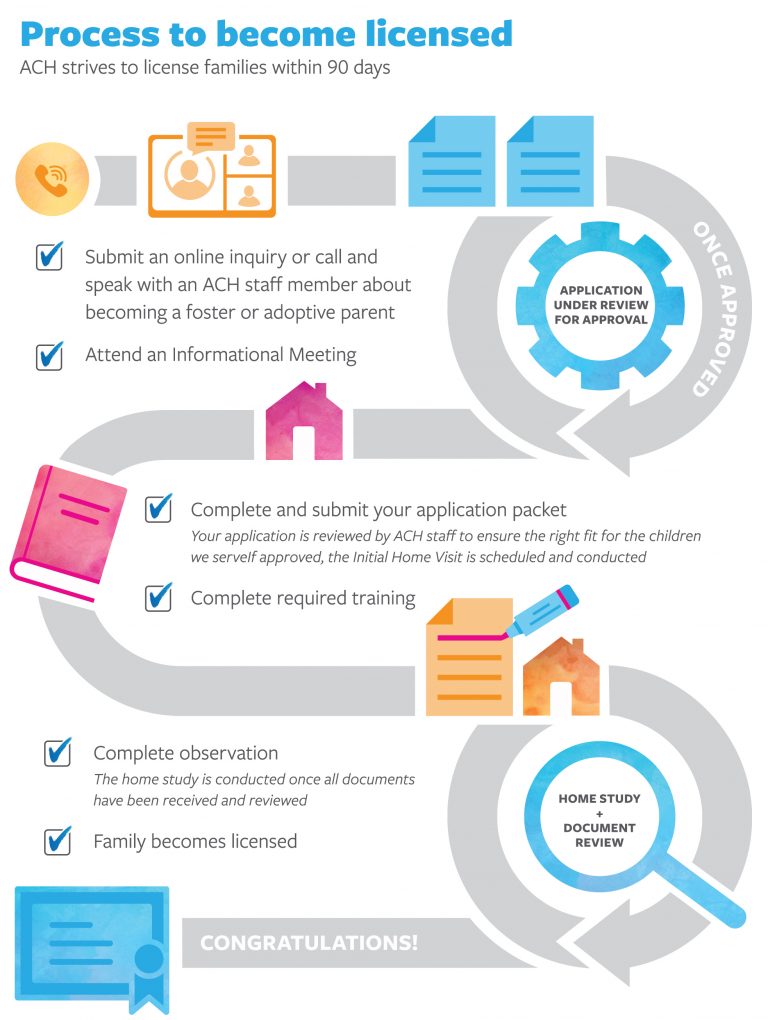
The first step is typically to attend an informational meeting or contact a licensed child-placing agency in Texas. This initial inquiry allows you to learn more about fostering, ask questions, and understand the commitment involved. Agencies will provide you with an application packet to begin the process.
The Home Study: Assessment and Evaluation
The home study is a crucial component of the foster parent licensing process. It is an in-depth assessment conducted by a social worker to evaluate your home environment, your readiness to foster, and your understanding of the challenges and rewards. This involves multiple interviews with all adults in the household, home visits to assess safety, and a review of your background information. The social worker will look for a safe, stable, and nurturing environment, as well as your ability to provide consistent care.
Pre-Service Training and Ongoing Education
All prospective foster parents must complete a mandatory training program, often referred to as “pre-service training.” This training covers essential topics such as child development, trauma-informed care, discipline strategies, understanding the legal aspects of foster care, and working with biological families. In Texas, specific training hours are required. Beyond the initial training, ongoing education is often required to maintain licensure and to stay updated on best practices in child welfare.
The Foster Placement and Support System
Once approved, the placement process begins, and a vital support system is available to guide foster families throughout their journey. This support is essential for both the foster parents and the children in their care.
Matching a Child with a Foster Family
Agencies work to match children with families based on the child’s needs, age, background, and the family’s strengths and preferences. The goal is to create a stable and supportive placement. This matching process is a collaborative effort, involving social workers, birth families (when appropriate), and the foster family to ensure the best possible outcome for the child.
The Foster Care Stipend and Reimbursement
Foster parents receive a monthly stipend to help cover the costs associated with caring for a foster child, including food, clothing, and personal care items. The amount of the stipend varies based on the child’s age and specific needs. Medical, dental, and vision care for the child are typically covered by the state. This financial support is a crucial aspect of the foster care system, helping to alleviate some of the economic burden.
Ongoing Support Services
Foster parents are not alone once a child is placed in their home. Agencies provide ongoing support, including case management services, access to mental health professionals, and guidance from experienced social workers. Support groups for foster parents are also invaluable, offering a space to share experiences, seek advice, and find emotional support from others who understand the journey. This network of support is designed to empower foster parents and ensure the well-being of the children in their care.
Making a Difference: The Impact of Foster Parenting
The decision to become a foster parent in Texas is a profound commitment that can have a transformative impact on the lives of children and the entire community. While the process requires dedication and preparation, the rewards are immeasurable.
Providing a Safe Haven and Stability
For children who have experienced trauma, abuse, or neglect, a foster home offers a vital sanctuary. It provides the stability, security, and consistent care that are essential for healing and growth. A loving foster home can be the foundation upon which a child rebuilds their trust, develops healthy attachments, and begins to believe in a brighter future.
Fostering Resilience and Hope
Foster parents play a critical role in nurturing a child’s resilience, helping them to overcome adversity and develop coping mechanisms. By offering unwavering support, patience, and understanding, foster parents empower children to believe in themselves and their ability to succeed. This nurturing environment fosters hope and equips children with the tools they need to thrive, regardless of their past experiences.

Contributing to a Stronger Community
By opening their homes and hearts, foster parents contribute significantly to the well-being of Texas. They help to break cycles of abuse and neglect, providing children with the opportunity to grow into healthy, productive adults. The commitment of foster families strengthens the fabric of our communities, offering a tangible demonstration of compassion and care for our most vulnerable youth. The journey of foster parenting is a testament to the power of human connection and the profound difference one can make in the life of a child.
LifeOutOfTheBox is a participant in the Amazon Services LLC Associates Program, an affiliate advertising program designed to provide a means for sites to earn advertising fees by advertising and linking to Amazon.com. Amazon, the Amazon logo, AmazonSupply, and the AmazonSupply logo are trademarks of Amazon.com, Inc. or its affiliates. As an Amazon Associate we earn affiliate commissions from qualifying purchases.