
The allure of a career in law enforcement in Texas is multifaceted, drawing individuals seeking a profession rich in purpose, community impact, and a dynamic lifestyle. For many, becoming a police officer in the Lone Star State represents more than just a job; it’s a commitment to protecting the diverse communities, vibrant local cultures, and iconic landmarks that define this expansive region. From the bustling metropolitan hubs of Houston and Dallas to the scenic Hill Country around Austin and the historic charm of San Antonio, serving as a police officer offers a unique vantage point on Texas’s tapestry, contributing directly to the safety and enjoyment of residents and countless tourists alike.
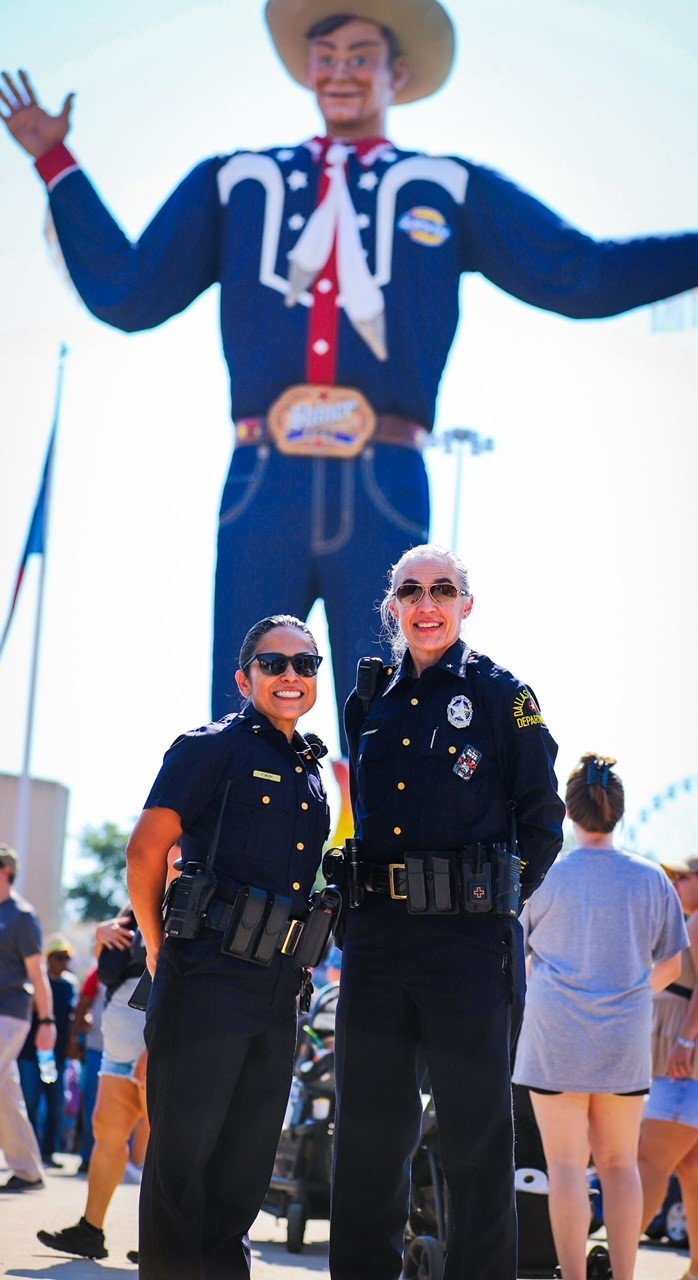
This guide is crafted not only to demystify the path to wearing the badge in Texas but also to contextualize this challenging yet rewarding journey within the broader themes of lifestyle, travel, and community engagement. Whether you’re considering a shift in your professional journey or embarking on your very first career, understanding the rigorous requirements, extensive training, and profound impact of becoming a police officer in Texas is the first step toward a deeply meaningful vocation. It’s a career choice that, while demanding, promises stability, continuous learning, and the unique satisfaction of safeguarding the public and preserving the integrity of some of the nation’s most cherished destinations.
The Call to Serve: Embracing a Purpose-Driven Lifestyle in Texas
A career in law enforcement in Texas offers a distinct lifestyle, characterized by dedication, vigilance, and an unparalleled sense of purpose. This isn’t merely a job; it’s a commitment to a life of service that intertwines with the very fabric of Texas’s communities, from safeguarding daily routines to ensuring the smooth flow of major tourism events. Understanding the unique rhythm of this profession is crucial for anyone contemplating donning the uniform.
A Life of Impact and Community Connection
Police officers are at the heart of their communities, often acting as the first responders in emergencies, mediators in disputes, and mentors to the youth. This deep level of engagement means that an officer’s “workplace” is truly the entire city or county they serve. From interacting with local businesses in Fort Worth to patrolling the historic streets of El Paso, the role offers a constant connection to the local culture and the people who shape it. This isn’t a desk job; it’s an active, dynamic role that demands presence, quick thinking, and strong interpersonal skills.
Stability and Growth: A Secure Lifestyle Choice
In a world of shifting employment landscapes, a career in law enforcement offers remarkable stability and a clear path for professional growth. Police departments across Texas, whether municipal forces in cities like Corpus Christi or county sheriff’s offices, typically offer competitive salaries, comprehensive benefits packages (including health insurance, retirement plans, and paid time off), and opportunities for advancement. This financial security and benefit structure can significantly enhance an officer’s personal lifestyle, providing a solid foundation for family planning, investment in accommodation, and even enabling more comfortable travel experiences during their time off. The structured career ladder, from patrol officer to detective, sergeant, or specialized units like K-9 or SWAT, ensures continuous learning and new challenges, preventing stagnation and fostering long-term engagement.
Beyond the Uniform: Personal Development and Resilience
The demands of police work naturally foster incredible personal growth. Officers develop heightened observational skills, critical decision-making abilities under pressure, and profound empathy. They learn to navigate complex social situations, manage stress, and build resilience. This personal development extends beyond the job, enriching an officer’s life and interactions in all spheres. The challenges faced daily build character and a unique perspective on life, often leading to a deep appreciation for safety, order, and the fundamental good within people. This robust personal toolkit is an invaluable asset, whether at work or enjoying a well-deserved vacation.
Choosing to become a police officer in Texas is thus a decision to embrace a lifestyle that is anything but ordinary. It’s a commitment to a profession that offers a profound sense of purpose, a stable and rewarding career path, and continuous opportunities for personal and professional development, all within the vibrant and diverse backdrop of the Lone Star State.
Laying the Foundation: Essential Requirements for Texas Law Enforcement
Embarking on the journey to become a police officer in Texas begins with meeting a set of fundamental requirements. These prerequisites are designed to ensure that all candidates possess the basic qualifications necessary for such a demanding and responsible role, protecting both the officers themselves and the communities they serve. Adherence to these standards is strictly enforced by individual departments and the Texas Commission on Law Enforcement (TCOLE), the state regulatory agency for peace officers.
Basic Eligibility Criteria
Before even considering an application, prospective candidates must satisfy several core requirements:
- Age: Applicants must typically be at least 21 years of age to be licensed as a peace officer in Texas. However, some departments may allow individuals to apply and begin the academy at 20.5 years old, provided they reach 21 by the time they are sworn in. There is generally no upper age limit, but candidates must be able to perform the physical duties of the job.
- Citizenship: You must be a United States citizen to be eligible for a peace officer license in Texas.
- Education: A high school diploma or GED is the minimum educational requirement. While not always mandatory, many departments prefer or require some college coursework (e.g., 30-60 college credit hours) or a bachelor’s degree, especially for advancement opportunities. Military service can often be substituted for college credits.
- Driver’s License: A valid Texas driver’s license with a good driving record is essential. Any history of serious traffic offenses or convictions for driving under the influence (DUI/DWI) can disqualify an applicant.
- Criminal History: A clean criminal record is paramount. Applicants cannot have been convicted of a felony or any Class A or B misdemeanor within a certain timeframe (usually 10 years for misdemeanors). Additionally, a conviction for any family violence offense is an automatic disqualifier. The background check for law enforcement is exceptionally thorough, delving into juvenile records, arrest history (even if charges were dismissed), and any history of illegal drug use.
- Physical and Mental Fitness: The role of a police officer demands significant physical stamina and mental fortitude. Candidates must pass a comprehensive physical fitness assessment, which often includes tests of agility, strength, and endurance. This might involve running, push-ups, sit-ups, and an obstacle course. Simultaneously, a psychological evaluation is required to assess mental stability, judgment, and suitability for the pressures of police work.
The Rigorous Application and Background Process
Once these basic criteria are met, the application process itself is exhaustive and designed to identify the most suitable candidates. It typically involves several stages:
- Initial Application: Filling out a detailed application form, often online, which requests personal information, employment history, educational background, and references.
- Written Examination: A standardized test assessing reading comprehension, writing skills, basic math, and critical thinking. This is a crucial filter, as strong communication and analytical abilities are fundamental to police work.
- Physical Agility Test (PAT): As mentioned, this tests physical readiness for the demands of the job. Failing this test usually results in immediate disqualification.
- Oral Board Interview: A panel interview with senior officers or human resources personnel, designed to evaluate communication skills, judgment, motivation, and temperament.
- Background Investigation: This is perhaps the most extensive part of the process. Investigators delve deep into an applicant’s past, contacting references, former employers, neighbors, and family members. They review credit history, social media presence, and any official records. Absolute honesty is critical during this stage, as any discrepancies or attempts to conceal information will lead to disqualification.
- Medical and Psychological Examination: A thorough medical check-up to ensure the candidate is physically capable of performing the job, followed by a detailed psychological assessment conducted by a licensed professional.
- Polygraph Examination: Some departments may administer a polygraph test to verify information provided during the background investigation.
Navigating this intricate application process requires patience, meticulous attention to detail, and unwavering honesty. It’s a testament to the high standards expected of those who commit to a career protecting the public and serving communities across Texas, ensuring only the most capable and trustworthy individuals earn the privilege of wearing the badge.
The Journey Through Training: Police Academies and Certification Across the Lone Star State
Once an applicant successfully navigates the stringent eligibility and background checks, the next pivotal phase is the police academy. This intensive training period is where recruits transform into competent peace officers, equipped with the knowledge, skills, and discipline required to uphold the law in Texas. The journey through a police academy is a profound experience, blending rigorous physical training with comprehensive classroom instruction, preparing cadets for the diverse challenges they will face on the streets.
Immersion in the Police Academy Experience
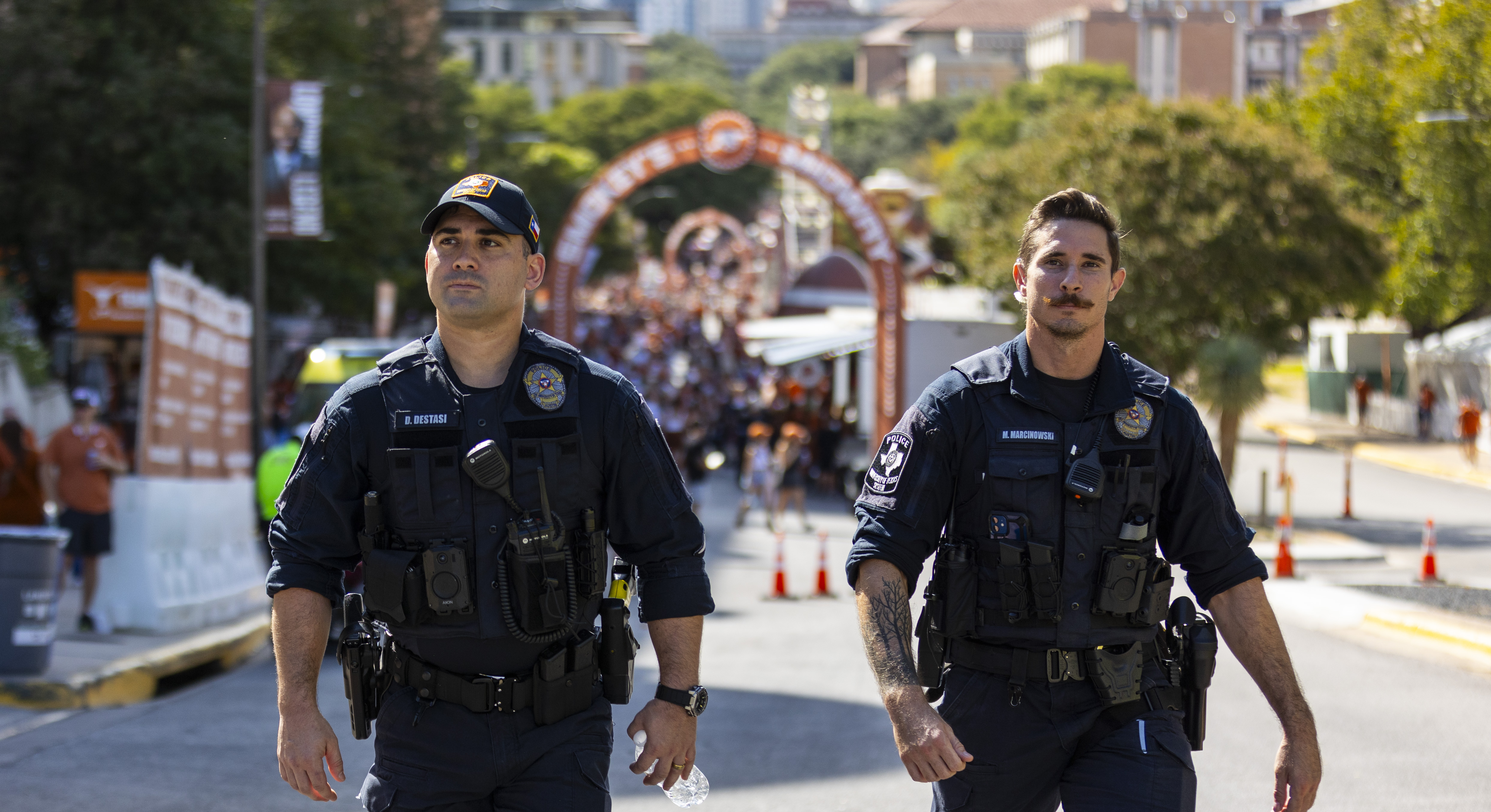
Texas boasts numerous police academies, both agency-run (such as the Houston Police Department Academy or the Dallas Police Department Academy) and regional academies often affiliated with community colleges. These academies adhere to curriculum standards set by TCOLE. The duration of an academy program typically ranges from 4 to 7 months, often structured as a residential program or requiring a significant daily commute, which itself can be a “travel” experience for recruits relocating for training. For those considering a career change or a move to a new Texas city, understanding the location and accommodation options around various academies is a practical consideration.
The curriculum is exhaustive, covering a wide array of subjects essential for effective law enforcement:
- Legal Foundations: In-depth study of the Texas Penal Code, Code of Criminal Procedure, traffic laws, constitutional law, and civil rights. This ensures officers operate within the bounds of the law and respect individual liberties.
- Patrol Procedures and Tactics: Training in vehicle operations, traffic stops, crime scene management, incident response, and understanding diverse patrol environments, from urban centers to rural expanses.
- Firearms and Defensive Tactics: Intensive training in the safe and proficient use of firearms, de-escalation techniques, control tactics, and defensive maneuvers. This component is physically demanding and critical for officer and public safety.
- Investigations and Forensics: Learning the fundamentals of interviewing, evidence collection, report writing, and preparing cases for court.
- Community Relations and Ethics: Emphasizing the importance of community policing, cultural sensitivity, effective communication, and ethical decision-making. This fosters trust between law enforcement and the communities they serve, crucial for the success of any local tourism initiative or daily life.
- Emergency Medical Care: Basic first aid and CPR certification, equipping officers to provide immediate assistance in critical situations.
Cadets are expected to maintain high academic standards, demonstrate physical prowess, and adhere to a strict code of conduct. The environment is disciplined, designed to build teamwork, resilience, and a strong sense of responsibility. It’s an immersive experience that shapes not just a professional, but an entire lifestyle.
TCOLE Licensing and Post-Academy Certification
Upon successful completion of the police academy program, cadets must pass the Texas Commission on Law Enforcement (TCOLE) Peace Officer Licensing Examination. This comprehensive exam tests a candidate’s mastery of the academy curriculum. Passing this exam is the final step to becoming a TCOLE-licensed peace officer in Texas.
Once licensed, a new officer is typically sworn in by their employing agency and enters a Field Training Officer (FTO) program. This post-academy phase involves several months of on-the-job training, where the new officer patrols with an experienced FTO. During this period, the theoretical knowledge gained in the academy is applied to real-world situations under the direct supervision and mentorship of a seasoned professional. It’s a vital transition that bridges the gap between structured training and the dynamic reality of police work, preparing them to confidently serve the vibrant destinations and communities across the state. This comprehensive journey ensures that every badge-wearing officer in Texas is not only well-trained but also ready to contribute meaningfully to public safety and community well-being.
Beyond the Badge: A Career of Community, Culture, and Contribution in Texas Cities
Becoming a police officer in Texas is the gateway to a career that extends far beyond daily patrols; it’s an opportunity to deeply engage with the state’s diverse communities, contribute to their unique cultures, and safeguard the landmarks and experiences that draw people from around the globe. This profession offers a unique lens through which to experience Texas, providing roles that are integral to local life and tourism.
Serving Diverse Destinations and Cultures
Texas’s vast landscape means a police officer can choose to serve in vastly different environments, each offering its own cultural nuances and lifestyle.
- Metropolitan Hubs: In cities like Houston, Dallas, and Fort Worth, officers are at the forefront of protecting vibrant urban centers. They ensure safety at major sporting events, art festivals, and business conferences that contribute significantly to the local economy and tourism. Here, the work might involve complex traffic management, engaging with a highly diverse population, and responding to a wide range of incidents common in bustling city life. The exposure to different cultural celebrations and international visitors is a constant, making the job dynamic and culturally rich.
- Capital City Charm: Serving in Austin means protecting the state’s capital, known for its live music scene, technology sector, and outdoor attractions like Zilker Park. Officers here play a crucial role in managing large public gatherings, from music festivals like SXSW to political demonstrations, ensuring public order while preserving the city’s laid-back, creative spirit.
- Historic Riches: In San Antonio, officers are guardians of historical treasures like the Alamo and the famous Riverwalk. Their work directly impacts the tourism experience, ensuring visitors can safely explore these iconic landmarks and immerse themselves in the rich Tejano heritage. Community policing here often involves interactions with visitors from around the world, enhancing the city’s reputation as a welcoming destination.
- Borderland Life: In cities such as El Paso, law enforcement is deeply intertwined with border security and international relations. Officers here experience a unique blend of cultures, working to maintain peace and order in a region with significant cross-border activity and a strong binational identity.
- Coastal Communities: Along the Gulf Coast, in places like Corpus Christi, officers protect coastal attractions, assist during hurricane seasons, and ensure the safety of beachgoers and maritime activities. Their role is vital for maintaining the appeal of these vacation destinations.
Each city presents a unique set of challenges and rewards, allowing officers to choose a lifestyle and work environment that resonates with their personal preferences, whether it’s the fast pace of a metropolis or the tight-knit feel of a smaller town.
Opportunities for Specialization and Career Advancement
Beyond general patrol, a career in Texas law enforcement offers numerous opportunities for specialization, allowing officers to pursue interests and develop expertise. These specialized units not only enhance an officer’s career but also provide critical support for various aspects of community life and public safety, directly benefiting tourism and resident quality of life.
- K-9 Units: Working with highly trained police dogs for detection and apprehension.
- SWAT Teams: Elite tactical units trained for high-risk situations.
- Detectives/Investigators: Specializing in criminal investigations, from homicides to financial crimes.
- Traffic Enforcement/Accident Reconstruction: Focus on road safety and complex accident analysis, crucial for maintaining safe travel routes.
- Community Policing Officers: Dedicated to building relationships with neighborhoods, schools, and local businesses, often working closely with tourism boards for event security.
- Narcotics, Gang Units, Cybercrime: Tackling specific types of criminal activity that impact urban safety and economic stability.
These diverse roles not only provide a pathway for career growth and increased earning potential but also offer a stimulating lifestyle where no two days are truly alike. Police officers in Texas are not just guardians of the law; they are active contributors to the cultural vitality, economic well-being, and overall safety that makes the Lone Star State a compelling place to live, work, and visit. Their unwavering dedication ensures that residents can thrive and that the millions who travel to Texas each year can safely enjoy its myriad attractions, from bustling cityscapes to tranquil natural wonders.
Conclusion
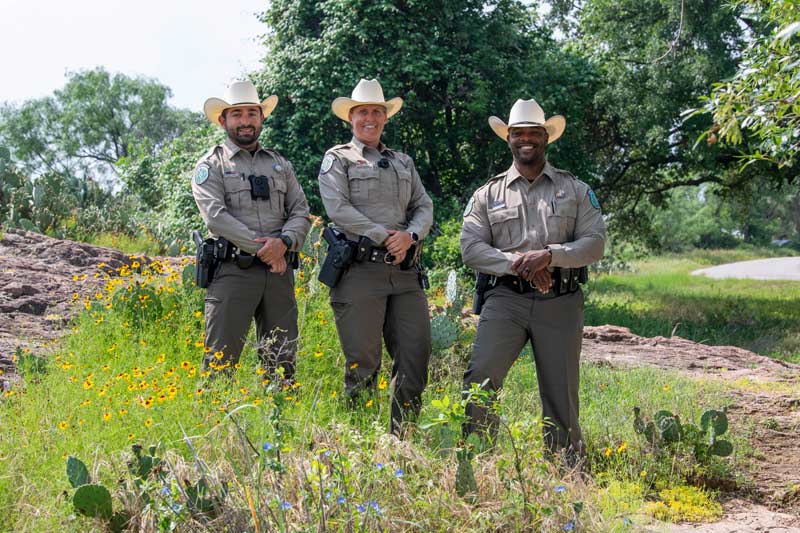
The journey to become a police officer in Texas is a demanding yet incredibly rewarding path, offering a unique blend of purpose, stability, and direct engagement with the state’s rich tapestry of communities and cultures. From meeting the rigorous initial requirements to enduring the comprehensive training at a police academy and ultimately serving on the streets, each step is designed to cultivate individuals capable of upholding the law with integrity and courage. This career choice offers not just a job, but a distinct lifestyle, characterized by continuous learning, personal growth, and an unwavering commitment to public safety.
For those drawn to a profession that impacts lives daily, ensures the safety of iconic landmarks, and contributes to the vibrancy of destinations like Houston, Dallas, Austin, and San Antonio, a career in Texas law enforcement promises a deeply fulfilling journey. It’s a chance to build a secure future, embrace a role that fosters community trust, and become an integral part of the dynamic story of the Lone Star State, standing as a guardian for its residents and a welcoming presence for all who travel within its borders.
LifeOutOfTheBox is a participant in the Amazon Services LLC Associates Program, an affiliate advertising program designed to provide a means for sites to earn advertising fees by advertising and linking to Amazon.com. Amazon, the Amazon logo, AmazonSupply, and the AmazonSupply logo are trademarks of Amazon.com, Inc. or its affiliates. As an Amazon Associate we earn affiliate commissions from qualifying purchases.