
The allure of Texas is undeniable, a vibrant tapestry woven with rich history, diverse landscapes, and a booming economy that beckons entrepreneurs from across the globe. From the cosmopolitan energy of Dallas and Houston to the live-music capital of Austin and the historic charm of San Antonio, the Lone Star State presents a unique ecosystem for business growth. For those in the travel, hospitality, and lifestyle sectors — envisioning boutique hotels in the Hill Country, launching bespoke tour experiences around Big Bend National Park, or managing luxury short-term accommodations in coastal Galveston — establishing a Limited Liability Company (LLC) in Texas offers a robust foundation for success.
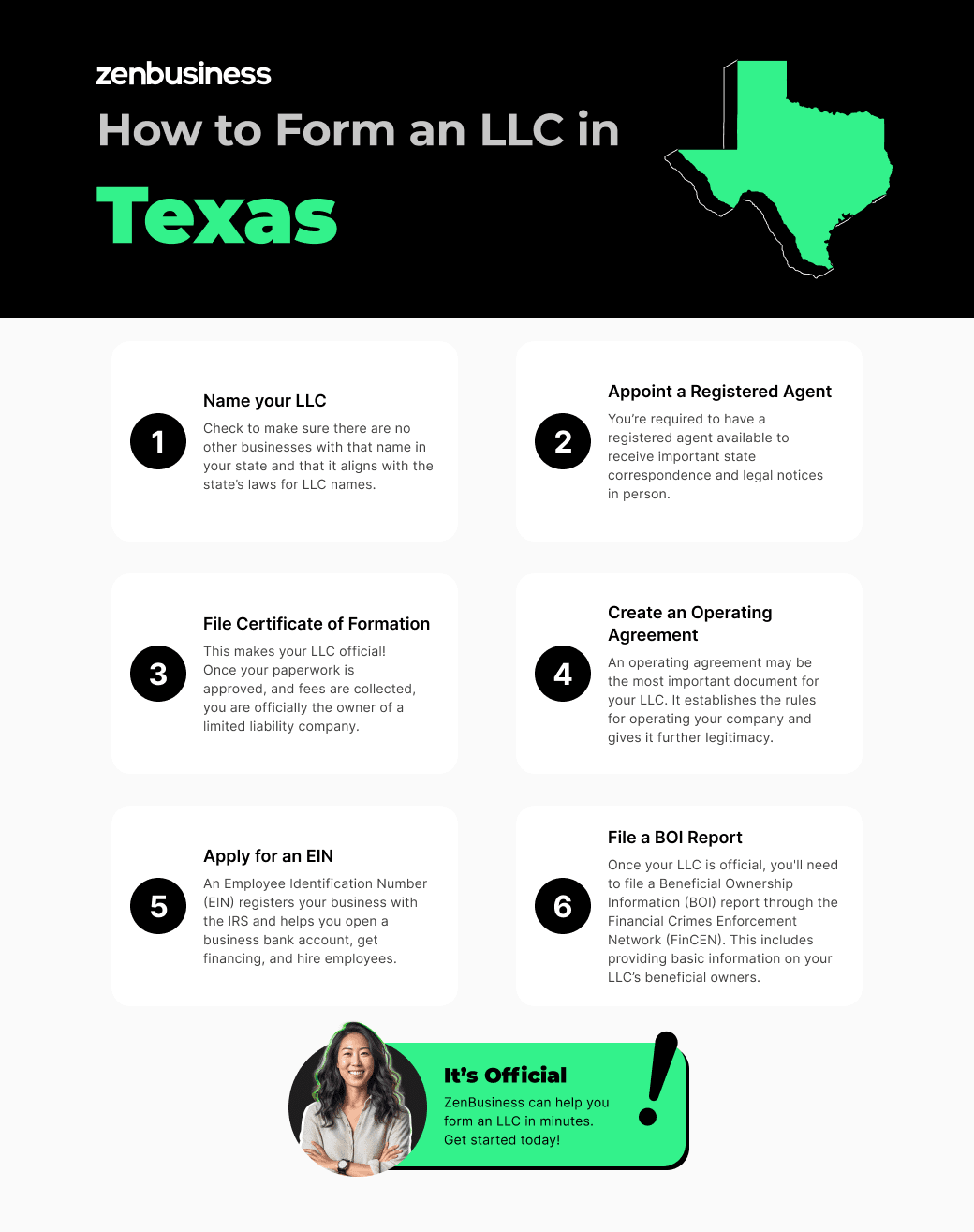
An LLC is a popular business structure that provides personal liability protection for its owners, separating their personal assets from business debts and legal issues. It also offers flexible taxation options and administrative simplicity compared to corporations. This guide will navigate you through the essential steps of filing an LLC in Texas, specifically tailored to highlight considerations for businesses thriving within the state’s dynamic travel and lifestyle economy.
The Strategic Advantage: Why Texas for Your Travel & Lifestyle LLC?
Texas is not merely a geographic location; it’s a strategic advantage for businesses, particularly those in the travel, tourism, and lifestyle industries. The state’s pro-business environment, coupled with its immense appeal as a destination, creates fertile ground for entrepreneurs.
Texas’ Thriving Travel & Tourism Sector
The Lone Star State boasts a tourism industry that consistently ranks among the largest in the U.S., attracting millions of visitors annually. This influx of tourists translates directly into opportunities for a wide array of businesses that cater to their needs and desires.
- Diverse Destinations: Imagine establishing an adventure tour company offering guided hikes through the stunning landscapes of Guadalupe Mountains National Park or kayaking excursions on Caddo Lake. Perhaps a luxury travel agency specializing in curated experiences through the vineyards and charming towns of the Hill Country. The variety is immense, from the historic grandeur of The Alamo and San Antonio’s River Walk to the sun-kissed beaches of South Padre Island and the bustling energy of Dallas’ Arts District or Houston’s Museum of Fine Arts, Houston. Each locale presents unique niches for travel-related businesses.
- Accommodation Boom: The demand for diverse accommodation options is ever-present. From innovative short-term rental management companies in Austin’s vibrant Sixth Street district to boutique hotels catering to discerning travelers in Fort Worth, or even eco-friendly glamping resorts near Natural Bridge Caverns, an LLC provides the legal framework to operate and scale these ventures. The legal separation an LLC offers is particularly crucial in the accommodation sector, where liability can be a significant concern.
- Lifestyle Experiences: Beyond traditional travel, Texas’ lifestyle sector thrives. Think wellness retreats, culinary tour companies exploring the state’s legendary BBQ scene, or event planning services for destination weddings at scenic ranches. An LLC empowers these businesses with credibility and protection, allowing owners to focus on crafting unforgettable experiences. Attractions like Schlitterbahn Waterpark and the NASA Johnson Space Center draw families and enthusiasts, creating ripple effects for surrounding businesses.
Favorable Business Climate
Texas is renowned for its business-friendly policies, which directly benefit LLCs:
- No State Income Tax: A significant advantage for business owners in Texas is the absence of a state income tax on individuals. While LLCs are subject to a state franchise tax if gross receipts exceed a certain threshold, this absence of personal income tax can lead to greater profitability for owners.
- Supportive Regulatory Environment: The state generally adopts a hands-off approach to business, fostering an environment where innovation and growth can flourish with fewer bureaucratic hurdles than in some other states.
- Strong Economy and Population Growth: Texas’ robust and diversified economy, coupled with continuous population growth, provides a constantly expanding customer base for all types of businesses, including those in the travel and lifestyle industries.
Establishing an LLC in Texas is not just about legal compliance; it’s about strategically positioning your venture to capitalize on the state’s economic strengths and its magnetic appeal as a destination for both business and leisure.
Essential Steps to Form Your Texas LLC
Forming an LLC in Texas involves a series of clear steps designed to ensure your business is legally recognized and compliant. While the process is straightforward, attention to detail is paramount.
Step 1: Naming Your Texas LLC and Appointing a Registered Agent
The first and often most creative step is choosing a name for your LLC. This name will be your business’s identity, so it should be memorable, descriptive, and, crucially, legally available.
- Name Availability: The chosen name must be distinguishable from other existing business entities filed with the Texas Secretary of State. You can check for name availability on the Secretary of State’s website. For a travel agency, names like “Lone Star Adventures LLC” or “Texas Grand Escapes LLC” would be ideal, but you must ensure they aren’t already taken. Remember, the name must include “Limited Liability Company,” “Limited Company,” or an abbreviation such as “LLC” or “LC.”
- Reserving Your Name: If you have a name in mind but aren’t ready to file immediately, you can reserve it for 120 days by filing an Application for Reservation of an Entity Name with the Texas Secretary of State. This is particularly useful if you need time to secure initial funding or finalize your business plan.
- Appointing a Registered Agent: Every Texas LLC is required to have a Registered Agent who has a physical street address (not a P.O. Box) in Texas. The Registered Agent is responsible for receiving official legal and tax documents on behalf of your LLC. This can be an individual (who resides in Texas and is available during business hours) or a registered agent service company. For owners who may travel frequently due to the nature of their business — such as operating a travel tour company or managing properties remotely — utilizing a professional registered agent service can provide peace of mind and ensure important documents are always received promptly.

Step 2: Filing Your Certificate of Formation
This is the pivotal step that officially creates your LLC. You file a Certificate of Formation with the Texas Secretary of State.
- Information Required: The Certificate of Formation typically requires:
- The name of your LLC.
- The name and address of your Registered Agent.
- The names and addresses of the organizers (the people signing the certificate, not necessarily the owners).
- The purpose of the LLC (a general statement like “any lawful purpose” is usually sufficient).
- The effective date of filing (can be immediate or a future date).
- Filing Methods: You can file online through the Texas Secretary of State’s SOSDirect system, by mail, or in person. Online filing is generally the fastest and most convenient method. The filing fee is standard, and once processed, your LLC is officially recognized by the state.
Step 3: Crafting Your Company Agreement (Operating Agreement)
While not legally required to file with the state, an Operating Agreement is arguably the most crucial internal document for your LLC. It defines the ownership, management, and operational procedures of your business.
- Key Provisions: An Operating Agreement should address:
- Member Contributions and Ownership Percentages: How much capital or property each member contributes and their share of ownership.
- Profit and Loss Distribution: How profits and losses will be allocated among members.
- Management Structure: Whether the LLC will be member-managed (owners run the day-to-day operations) or manager-managed (owners appoint a manager or managers). For a small boutique hotel or a family-run tour company, member-management might be suitable. Larger operations might opt for manager-management.
- Voting Rights: How decisions are made and voting power is distributed.
- Buy-Sell Provisions: What happens if a member wants to leave the LLC, retire, or passes away. This is vital for continuity, especially in service-oriented businesses where key personnel are central to the brand.
- Meeting Requirements: Procedures for holding meetings and record-keeping.
- Importance for Travel & Lifestyle Businesses: For a multi-partner venture developing a new resort near Padre Island National Seashore or a collective of travel bloggers creating a media company, a robust Operating Agreement prevents disputes and clarifies roles, ensuring smooth operations and protecting the interests of all members. It acts as a comprehensive roadmap for your business journey.
Post-Formation: Setting Up Your Business for Success in Texas
Once your LLC is officially formed, there are several crucial steps to ensure your business is fully operational and compliant, especially when operating in the travel and lifestyle spheres.
Step 4: Obtaining an EIN and Necessary Licenses
Beyond the state filing, federal and local requirements must be met to legally operate your business.
- Federal Employer Identification Number (EIN): If your LLC has more than one member or if you plan to hire employees (which is highly likely for any growing travel or hospitality business), you must obtain a Federal Employer Identification Number (EIN) from the Internal Revenue Service. This nine-digit number is like a social security number for your business, essential for opening bank accounts, filing taxes, and hiring staff. Even a single-member LLC may choose to get an EIN for banking purposes or if it will be taxed as a corporation.
- State and Local Licenses & Permits: This is where the specific nature of your travel or lifestyle business becomes critical. Texas does not have a general state business license, but many industries require specific licenses or permits.
- Hotels & Accommodation: If you’re operating a hotel, motel, bed & breakfast, or short-term rental property, you will likely need licenses related to occupancy taxes, health and safety, and possibly alcohol permits. These usually involve registering with the Comptroller of Public Accounts for state sales and hotel occupancy taxes, and local city/county permits for operation and health inspections.
- Food Service: Any business that prepares or serves food, such as a restaurant attached to a resort or a tour company offering catered experiences, will require permits from the local health department and potentially the Texas Department of State Health Services.
- Tour Operators & Guides: While a general state license for tour operators may not exist, certain specialized tours (e.g., hunting/fishing guides) might require specific certifications. Check with the Texas Department of Licensing and Regulation and local municipalities.
- Alcoholic Beverages: If your hotel, resort, or event company plans to serve alcohol, you’ll need licenses from the Texas Alcoholic Beverage Commission (TABC).
- Building & Zoning: Ensure your business location complies with local zoning laws and building codes. This is especially vital for new construction or significant renovations for hotels or event venues.
It’s crucial to research the specific licensing requirements for your particular business type and location within Texas. Resources like the U.S. Small Business Administration and local chambers of commerce can provide valuable guidance.
Step 5: Understanding Texas Franchise Tax and Ongoing Compliance
While Texas does not levy a state income tax, LLCs are subject to the Texas franchise tax.
- Franchise Tax: This is a privilege tax imposed on businesses for the privilege of doing business in Texas. It’s based on your business’s total revenue, with an exemption for businesses below a certain threshold (which changes periodically). Even if your LLC falls below the threshold, you typically still need to file an annual Public Information Report (PIR) and an Annual Franchise Tax Report with the Comptroller of Public Accounts. Neglecting these filings can lead to your LLC losing its good standing or even being forfeited.
- Maintaining Records: Keep meticulous records of all business transactions, financial statements, and meeting minutes. This is essential for tax purposes, demonstrating compliance, and protecting your personal liability.
- Separate Bank Accounts: Always maintain separate bank accounts for your LLC. Co-mingling personal and business funds can jeopardize the personal liability protection that an LLC offers.
- Annual Reporting: Beyond the franchise tax reports, ensure you stay updated on any other annual or periodic reporting requirements specific to your industry or local ordinances.

Conclusion
Filing an LLC in Texas is a strategic move for any entrepreneur, especially within the thriving travel, hospitality, and lifestyle sectors. It offers robust personal asset protection, tax flexibility, and a credible legal structure that positions your business for long-term success. From a bespoke travel tour company navigating the wonders of Big Bend National Park to a luxury accommodation provider near the Capitol Building in Austin, the steps outlined above provide a clear pathway to establishing your presence in the Lone Star State. By diligently following these guidelines, you can ensure your venture is not only legally sound but also primed to capitalize on the immense opportunities that Texas offers. With careful planning and attention to detail, your Texas LLC can become the cornerstone of your entrepreneurial journey in this dynamic and inviting state.
LifeOutOfTheBox is a participant in the Amazon Services LLC Associates Program, an affiliate advertising program designed to provide a means for sites to earn advertising fees by advertising and linking to Amazon.com. Amazon, the Amazon logo, AmazonSupply, and the AmazonSupply logo are trademarks of Amazon.com, Inc. or its affiliates. As an Amazon Associate we earn affiliate commissions from qualifying purchases.