
The question of how to obtain a “Doing Business As” (DBA) in Texas is a common one for entrepreneurs and business owners looking to operate under a name different from their legal one. While the process is relatively straightforward, understanding the nuances and requirements is crucial for seamless operation. A DBA, also known as a fictitious name or assumed name, essentially allows an individual or entity to use a trade name for their business without forming a separate legal entity like a corporation or LLC. This guide will walk you through the essential steps to secure a DBA in the Lone Star State, ensuring your business operates legally and efficiently.
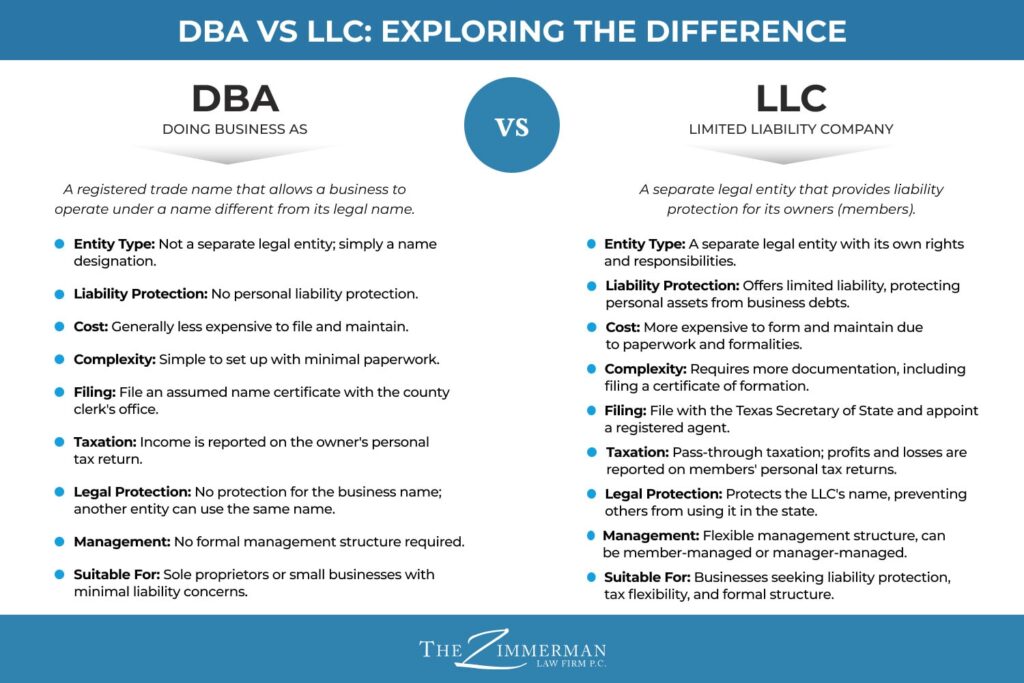
Understanding the DBA and Its Purpose in Texas
A DBA in Texas is a legal mechanism that permits an individual or a business entity to operate and present their business to the public under a name that is different from their legally registered name. For sole proprietors and general partnerships, the DBA is the name under which they conduct their business, which might be a more marketable or descriptive name than the owner’s personal name. For incorporated entities, such as LLCs or corporations, a DBA is used when they wish to operate a specific business line or brand under a name distinct from their official corporate or LLC name.
Why Obtain a DBA?
The primary reasons for obtaining a DBA are rooted in branding, marketing, and operational simplicity.
Branding and Marketing
A strong brand name can significantly impact customer perception and market presence. A DBA allows you to choose a name that is memorable, relevant to your products or services, and resonates with your target audience. For example, an individual accountant named John Smith might choose to operate as “Austin Tax Pros,” a DBA that immediately communicates their service area and expertise. This professionalizes their image and makes it easier for clients to find and remember them.
Operational Convenience
Having a distinct business name can simplify financial transactions. Banks often require a DBA to open a business checking account when the account holder is an individual or a partnership not operating under their legal names. This separation of personal and business finances is vital for accounting and tax purposes. Furthermore, it streamlines marketing efforts, advertising, and the creation of business materials like websites and business cards.
Legal Compliance
While a DBA doesn’t create a separate legal entity, it is a requirement for transparency. In Texas, filing a DBA with the county clerk ensures that the public is aware of who is operating the business under a fictitious name. This is important for legal accountability and consumer protection.
Who Needs a DBA?
- Sole Proprietors: If you are operating a business as an individual and want to use a business name other than your own legal name. For instance, a freelance graphic designer named Maria Garcia operating as “Creative Designs Studio.”
- General Partnerships: If two or more individuals are operating a business together and want to use a business name other than the surnames of the partners. For example, a partnership of David Chen and Emily White operating as “Houston Realty Group.”
- Limited Liability Companies (LLCs) and Corporations: If an existing LLC or corporation wants to operate a specific business or brand under a name that is different from its registered legal name. For example, “Tech Innovations Inc.” might operate a new product line under the DBA “SmartHome Solutions.”
The Filing Process for a DBA in Texas
Securing a DBA in Texas involves a county-level filing process. Unlike some other states, Texas does not have a statewide registry for DBAs. Instead, the filing is done with the County Clerk in the county where your principal place of business is located.
Step 1: Choosing Your Business Name
Before you file, careful consideration must be given to the name itself.
Name Availability Check
Crucially, your desired DBA name must not be too similar to any existing registered business names in Texas. While there isn’t a single statewide database for DBA names, it’s advisable to conduct searches through the Texas Secretary of State’s website for existing corporations and LLCs, and to perform online searches for existing businesses in your intended operating area. Your county clerk’s office may also have a system for checking name conflicts. The name cannot be misleading or imply governmental affiliation.
Name Restrictions
Certain words are typically prohibited or restricted in business names, such as “Bank,” “Insurance,” “Trust,” or words that suggest the business is a government agency. Ensure your chosen name is unique and doesn’t infringe on existing trademarks.
Step 2: Filing the Assumed Name Certificate
The core of the DBA process is filing the “Assumed Name Certificate.”
Completing the Certificate Form
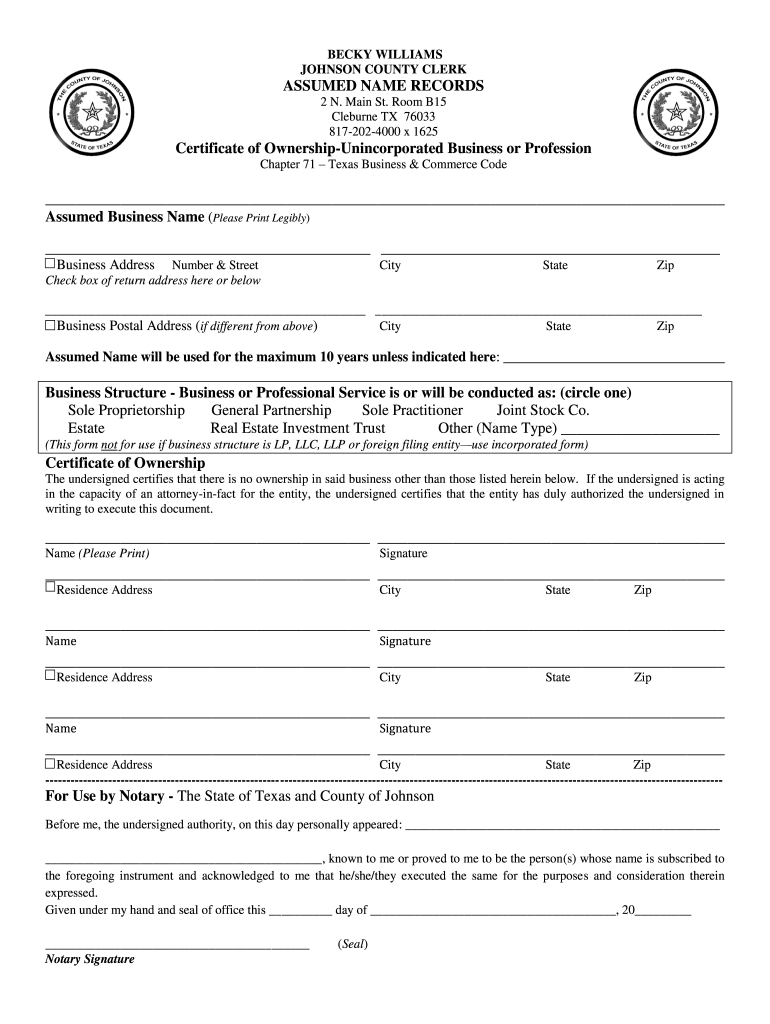
Each county clerk’s office in Texas will have its own specific form for the Assumed Name Certificate. This form typically requires information such as:
- The applicant’s legal name (individual owner or registered business entity name).
- The applicant’s mailing address.
- The assumed name (the DBA) the business will operate under.
- A brief description of the business activities.
- For sole proprietors and partnerships, the county and state of residence or principal office.
- For entities, the state of formation and the entity’s registered agent and address in Texas.
Filing with the County Clerk
Once the Assumed Name Certificate is completed, it needs to be filed with the County Clerk of the county where your primary business operations are located. If you operate in multiple counties, you may need to file in each one, though a single filing in the county of your principal place of business is generally sufficient. You will need to pay a filing fee, which varies by county but is typically a modest amount.
Publication Requirement (if applicable)
While not always mandatory, some counties or situations might require publication of your DBA filing. It’s essential to check with your specific county clerk’s office regarding any publication requirements. This is to ensure public notice of your business’s operating name.
Maintaining Your Texas DBA
Obtaining a DBA is not a one-time administrative task; it requires ongoing attention to remain compliant.
Renewal and Expiration
In Texas, an Assumed Name Certificate is generally effective for a period of five years. After this period, it must be renewed by filing a new Assumed Name Certificate. Failure to renew can result in the expiration of your DBA, meaning you will no longer be legally operating under that name. Keep track of your filing date to ensure timely renewal.
Amending or Canceling Your DBA
If you need to make changes to your DBA, such as updating your address or changing the assumed name itself, you will need to file an “Amended Assumed Name Certificate.” If you cease operating under a particular DBA or close your business, you should file a “Certificate of Termination of Assumed Name” with the county clerk’s office. This officially ends your use of the fictitious name and prevents future liability under that name.
Business Licenses and Permits
It’s important to remember that a DBA is separate from business licenses and permits. Depending on your industry and location, you may still need to obtain specific federal, state, or local licenses and permits to operate your business legally, regardless of whether you use a DBA. Ensure all necessary permits are acquired for your specific business activities.
Additional Considerations for Texas Business Operations
Beyond the DBA filing, several other aspects are critical for a thriving business in Texas.
Bank Accounts
As mentioned, most banks will require proof of a filed Assumed Name Certificate to open a business bank account under your DBA. This is crucial for maintaining clear financial records and separating personal and business funds, which is essential for tax preparation and financial management.
Legal and Tax Implications
A DBA does not provide any liability protection. If you are a sole proprietor or a general partnership operating under a DBA, your personal assets are still at risk for business debts and liabilities. For liability protection, consider forming a Limited Liability Company (LLC) or a corporation. Consult with a legal professional or accountant to understand the best structure for your business.
Tax Identification Numbers
If you are a sole proprietor or partnership operating under a DBA, you can generally use your Social Security Number (SSN) for tax purposes. However, if you operate as an LLC or corporation, or if you hire employees as a sole proprietor or partnership, you will likely need to obtain an Employer Identification Number (EIN) from the IRS.

Choosing the Right County Clerk
While the process is largely uniform, slight variations in forms and fees can exist between counties. If your business has operations in multiple locations within Texas, it is generally best to file in the county where your primary place of business is located. This ensures you comply with the core requirements. For instance, if your main office is in Dallas, you would file with the Dallas County Clerk. If your business is primarily online and based out of your home in Austin, you would file with the Travis County Clerk. Researching the specific county clerk’s website will provide the most accurate and up-to-date information on their filing procedures and associated costs.
By understanding these steps and considerations, entrepreneurs can confidently navigate the process of obtaining and maintaining a DBA in Texas, laying a solid foundation for their business’s legal and operational success.
LifeOutOfTheBox is a participant in the Amazon Services LLC Associates Program, an affiliate advertising program designed to provide a means for sites to earn advertising fees by advertising and linking to Amazon.com. Amazon, the Amazon logo, AmazonSupply, and the AmazonSupply logo are trademarks of Amazon.com, Inc. or its affiliates. As an Amazon Associate we earn affiliate commissions from qualifying purchases.