
Navigating a new state, whether for a short-term adventure or a permanent move, often comes with a checklist of essential tasks. Among the most crucial for anyone looking to fully immerse themselves in the local culture, streamline their travel experiences, or simply manage daily life, is securing proper identification. In the vast and vibrant landscape of Texas, obtaining a state-issued ID is not just a bureaucratic formality; it’s a key that unlocks a smoother journey through its diverse cities, stunning natural landmarks, and rich tapestry of lifestyle opportunities.
From checking into a cozy boutique hotel in Austin to renting a car for a road trip along the Gulf Coast, or even simply validating your age at a lively Dallas eatery, a Texas identification card or driver’s license serves as your official stamp of identity. For visitors planning extended stays, digital nomads considering Texas as a base, or new residents settling down, understanding the process of acquiring this vital document is paramount. This comprehensive guide aims to demystify the steps involved, offering insights that go beyond mere paperwork, connecting the dots between official requirements and the myriad of travel, tourism, accommodation, and lifestyle benefits that a valid Texas ID provides.

Understanding the Types of Texas IDs and Their Importance for Travelers and Residents
Before embarking on the application process, it’s essential to understand the different types of identification documents available in Texas and to determine which one best suits your needs. The choice between a standard identification card and a driver’s license largely depends on your intent to operate a vehicle, but both serve as crucial forms of official identity, invaluable for a range of activities from booking accommodation to exploring local attractions.
Driver’s Licenses vs. Identification Cards: What’s Your Texas Purpose?
The Texas Department of Public Safety (DPS) issues two primary forms of identification: driver’s licenses and personal identification cards. While both are official state-issued documents verifying your identity and residency, their primary functions differ significantly.
A Texas Driver’s License is required if you intend to legally operate a motor vehicle within the state. Beyond its driving privileges, it functions as a robust form of identification for all other purposes. For tourists planning to rent a car to explore the vast landscapes, from the vibrant urban centers of Houston to the rugged beauty of Big Bend National Park, a driver’s license is indispensable. Similarly, for new residents, having a local driver’s license not only facilitates daily commuting but also simplifies various transactions, from opening bank accounts to registering for utility services. Different classes of driver’s licenses exist, catering to various vehicle types, from standard passenger cars (Class C) to commercial vehicles (CDL). Most individuals will apply for a Class C license.
A Texas Identification Card, on the other hand, is a non-driving identification document. It serves as a valid proof of identity for individuals who do not drive or do not intend to drive in Texas. This card is particularly useful for those who rely on public transportation, ride-sharing services, or simply prefer to walk and explore cities like San Antonio on foot. It is equally accepted for age verification, accessing accommodation, boarding domestic flights (especially with REAL ID compliance), and a host of other situations where an official ID is required. For long-term visitors, retirees, or individuals new to the state who do not require driving privileges, the ID card offers all the identification benefits without the driving test requirements.
Both types of IDs are designed to comply with REAL ID Act standards, meaning they are accepted for federal purposes such as boarding domestic flights and accessing federal facilities. This compliance is a critical consideration for any traveler or resident, ensuring seamless journeys and access to various services across the country. Understanding whether you need a driving privilege or simply a robust form of identification is the first step in a successful application journey in Texas.
Eligibility for a Texas ID: Who Qualifies for a Lone Star State Credential?
Eligibility for a Texas ID or driver’s license hinges primarily on proving your identity, U.S. citizenship or lawful presence, and Texas residency. The process is designed to ensure that documents are issued to individuals who genuinely reside in or are legally present in the state, safeguarding against fraud and ensuring the integrity of the state’s identification system.
Identity and Lawful Presence: Applicants must provide proof of their identity and legal presence in the United States. For U.S. citizens, this typically involves presenting a valid U.S. passport, birth certificate, or U.S. Certificate of Citizenship. Non-U.S. citizens must provide documentation such as a valid foreign passport with an I-94, a Permanent Resident Card (Green Card), or an Employment Authorization Document (EAD). The Texas DPS website provides a comprehensive list of acceptable documents, categorized into primary, secondary, and supporting forms of identification. It’s crucial to bring original documents, as photocopies are generally not accepted.
Texas Residency: To obtain a Texas ID, you must demonstrate that you are a resident of the state. This requirement is particularly pertinent for new arrivals, including students, professionals relocating for work, or families moving to Texas. Acceptable proof of residency can include utility bills (electricity, water, gas) in your name, a current lease agreement or mortgage statement, a deed to property in Texas, or a valid voter registration card. For individuals living with others, a signed declaration of residency from the homeowner, along with their utility bill, might be accepted. The DPS requires two different documents showing your name and current Texas residential address. This step is vital as it connects you officially to the state, paving the way for accessing local services, enjoying resident rates at attractions, and even participating in local community life.
Social Security Number (SSN): Applicants must also provide proof of their Social Security Number (SSN), which can be demonstrated with a Social Security card, W-2 form, or a pay stub showing the SSN. While the SSN itself is not printed on the ID card, it is required for verification purposes. For those without an SSN, specific alternative procedures might apply, and it’s advisable to check with the DPS directly for guidance.
Understanding these eligibility criteria upfront helps streamline the application process, ensuring you arrive at the Texas Department of Public Safety office fully prepared and ready to secure your official Texas identification.
The Application Process: A Step-by-Step Guide to Your Texas ID
Acquiring a Texas ID or driver’s license is a structured process designed to be straightforward, provided you come prepared. The journey involves gathering the right documents, making an appointment, visiting a Texas Department of Public Safety (DPS) office, and completing a few key steps. For anyone planning to call Texas home or simply enjoy an extended stay, mastering this process is a gateway to seamless living and exploration.
Gathering Your Documents: The Foundation of Your Application
The cornerstone of a successful ID application is having all required documents in order. The Texas DPS meticulously categorizes documents, and bringing originals (or certified copies where applicable) is non-negotiable. This phase requires careful attention to detail, as missing a single document can lead to delays and multiple trips.
Proof of Identity: This is perhaps the most critical component. For U.S. citizens, a U.S. birth certificate or a valid U.S. passport is typically sufficient. Non-citizens will need their foreign passport along with valid immigration documents, such as an I-94 arrival/departure record, Permanent Resident Card (Green Card), or Employment Authorization Document (EAD). The DPS has a comprehensive online tool called “What Do I Bring?” which can help you create a personalized list of required documents based on your specific situation. This step is crucial for establishing your identity, which is fundamental for secure travel and accommodation bookings throughout Texas.
Proof of U.S. Citizenship or Lawful Presence: As mentioned, this is often covered by your identity document, but sometimes additional proof may be required depending on the primary document presented. Ensuring your lawful presence is established is vital for compliance with federal REAL ID standards, which directly impacts your ability to use the ID for domestic air travel and access to federal facilities.
Proof of Texas Residency: You’ll need two different documents showing your name and current physical street address in Texas. Acceptable examples include current utility bills (electricity, water, gas, cable, or landline phone), a current lease agreement or mortgage statement, a deed, a homestead exemption document, a valid Texas voter registration card, or a current homeowner’s or renter’s insurance policy. For new residents, establishing residency can take a bit of effort, but it’s a critical step that validates your connection to the state, enabling access to local services and benefits.
Proof of Social Security Number (SSN): Your Social Security card, a W-2 form, a 1099 form, or a pay stub with your SSN on it are all acceptable. While your SSN won’t be printed on the card, it is used for verification purposes.
Vehicle Registration and Insurance (for Driver’s License): If you are applying for a driver’s license and own a vehicle, you will need to present proof of current Texas vehicle registration and liability insurance. This ensures that you are compliant with state laws regarding vehicle operation.
Taking the time to compile and organize these documents beforehand will significantly reduce stress and ensure a smoother visit to the DPS office. It’s akin to preparing your travel documents meticulously before an international trip – essential for a hassle-free experience.
Scheduling Your Visit to the DPS: Planning for Efficiency
Gone are the days when showing up at the Texas Department of Public Safety office as a walk-in was the norm. While some locations might still accommodate walk-ins for certain services, scheduling an appointment has become the most efficient and recommended approach.
Online Appointment System: The Texas DPS offers an online appointment system that allows you to select a specific date, time, and location convenient for you. This system is a lifesaver, cutting down on potentially hours-long waits and streamlining your visit. It’s highly advisable to check for available slots well in advance, especially in larger cities like Houston, Dallas, or San Antonio, where demand can be high. Booking an appointment not only saves time but also allows you to plan your day, perhaps combining your DPS visit with an exploration of nearby landmarks or a meal at a local eatery, embodying the efficient lifestyle of a well-prepared traveler or resident.
Finding a DPS Office: The DPS website provides a locator tool to find the nearest driver license office. Consider choosing an office in a less populous area if you have the flexibility, as wait times can sometimes be shorter.
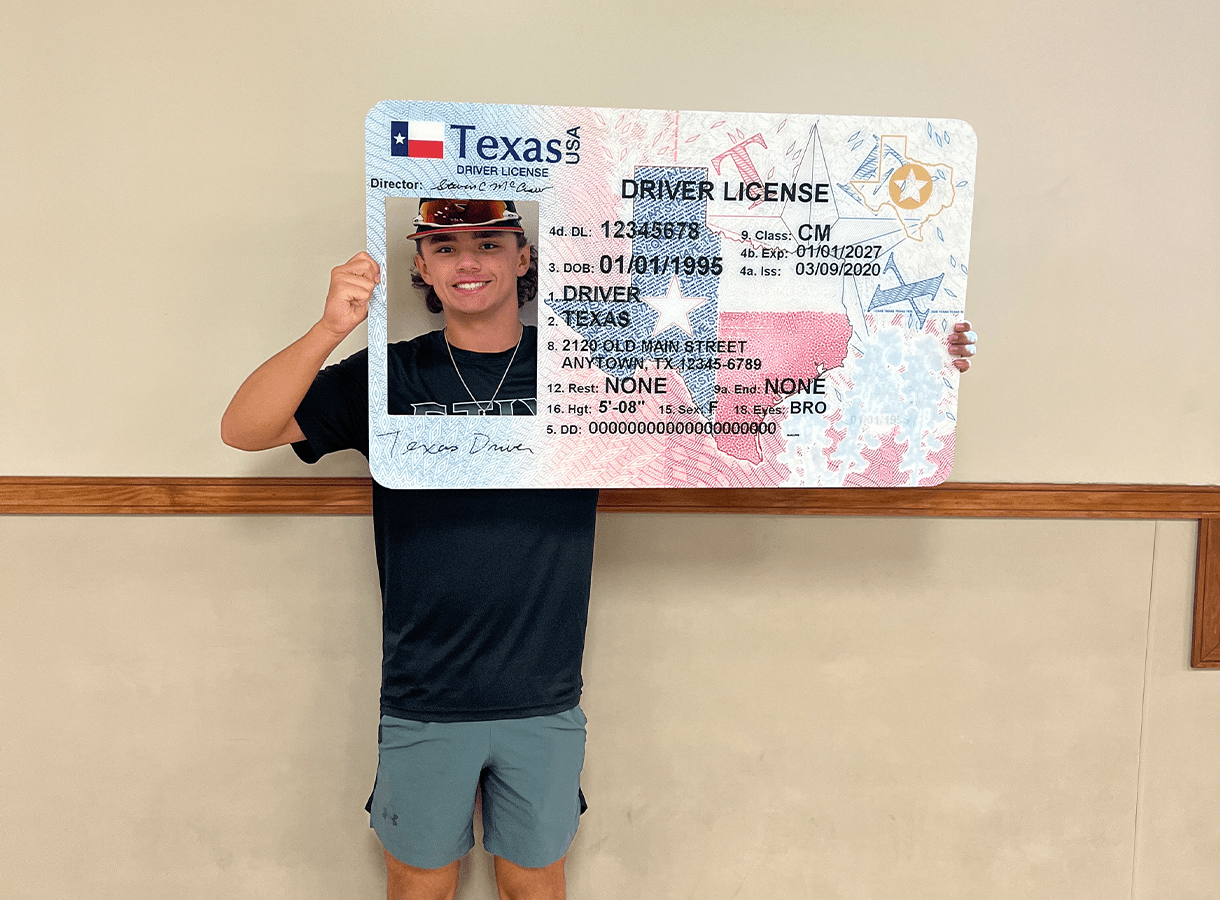
Preparation for Your Appointment: Once your appointment is set, confirm the exact address and operating hours. Reconfirm that you have all your required documents, perhaps even making copies for your records (though originals are needed at the DPS). Arriving a few minutes early is always a good practice.
What to Expect at the DPS Office: Navigating the Process
Your visit to the Texas Department of Public Safety office is the culmination of your preparation. While processes can vary slightly by location, a general flow of events can be anticipated.
Check-in and Initial Review: Upon arrival, you’ll typically check in, either at a kiosk or with a staff member, confirming your appointment. Your documents will undergo a preliminary review to ensure you have everything required. This initial check is crucial; if anything is missing, you may be asked to reschedule.
Application Form and Fees: You will fill out an application form (DL-14A for driver’s license, DL-14B for ID card, or a combined form). Be prepared to pay the application fee. Fees vary depending on the type of ID and its validity period, and typically, the DPS offices accept credit/debit cards, cash, money orders, or checks. Always check the current fee schedule on the DPS website.
Biometrics and Photo: You will have your fingerprints taken (for background checks and identification purposes) and a new photo captured. Your photo will be the one that appears on your official Texas ID, so dress appropriately and be ready for your close-up.
Vision Test (for Driver’s License Applicants): If applying for a driver’s license, you will undergo a vision test to ensure your eyesight meets the state’s requirements for safe driving. If you wear corrective lenses, bring them with you.
Written and Driving Tests (for First-Time Driver’s License Applicants): First-time driver’s license applicants (especially those new to driving or those from other countries whose licenses are not eligible for direct transfer) will also need to pass a written knowledge test and a driving skills test. It is highly recommended to study the Texas Driver Handbook available on the DPS website. The driving test requires you to provide a vehicle that is properly registered and insured.
The entire process, from check-in to completion, is designed to be thorough. Patience and preparedness are your best allies during this visit.
Receiving Your New ID: The Final Step
Once you’ve successfully completed all the steps at the Texas Department of Public Safety office, you won’t walk out with your permanent card immediately.
Temporary ID: You will typically be issued a temporary paper ID or driver’s license. This temporary document is valid for immediate use as proof of your driving privilege or identification, but it’s important to keep it safe as it’s your only proof until the permanent card arrives. For domestic travel, a temporary paper ID, along with another form of photo ID (like your passport), might be necessary at airport security.
Permanent Card Delivery: Your permanent Texas ID or driver’s license will be mailed to your physical address provided during the application process. This usually takes two to three weeks to arrive. It’s crucial to ensure your mailing address is accurate and secure. Once received, this plastic card is your official, federally compliant Texas identification, ready to facilitate all your travel, tourism, and lifestyle adventures across the state and beyond.
Beyond the ID: Experiencing Texas with Ease
A Texas ID or driver’s license is more than just a piece of plastic; it’s a vital tool that significantly enhances your ability to seamlessly navigate and enjoy all that the Lone Star State has to offer. For anyone exploring Texas for tourism, planning a long-term stay, or settling into a new lifestyle, this official document streamlines countless interactions and opens doors to deeper engagement with the local culture and economy.
Unlocking Texas Attractions and Services: Your Passport to the Lone Star State
Possessing a valid Texas ID fundamentally simplifies your interactions within the state’s vibrant travel and tourism sectors, as well as essential everyday services.
Seamless Hotel Check-ins and Accommodation Bookings: Whether you’re planning a luxurious stay at a Houston resort, a charming bed and breakfast in Fredericksburg, or a beachfront condo on South Padre Island, a valid state ID is a standard requirement for check-in. It verifies your identity and age, making the process quick and hassle-free. For those considering long-term accommodation, such as renting an apartment in Austin, your Texas ID will be crucial for lease agreements and utility hook-ups.
Effortless Car Rentals and Road Trips: For travelers eager to embark on a classic Texas road trip – perhaps exploring the Hill Country, venturing to Big Bend National Park, or cruising through the historic districts of Fort Worth – a Texas driver’s license makes renting a vehicle straightforward. Rental agencies require a valid driver’s license, and a local state ID often streamlines the verification process compared to out-of-state or international documents.
Access to Local Attractions and Experiences: From visiting iconic landmarks like The Alamo in San Antonio to exploring the wonders of the NASA Johnson Space Center in Houston, many attractions and tour operators rely on official IDs for ticket verification, age-restricted tours, or even resident discounts. An ID card ensures you can fully participate in the local tourism scene without hitches.
Enjoying Texas Lifestyle and Nightlife: Texas boasts a vibrant social scene, from the live music venues on Austin’s Sixth Street to the sophisticated bars in Dallas and the lively atmosphere of San Antonio’s River Walk. A Texas ID serves as definitive proof of age for purchasing alcohol, entering bars and clubs, or participating in adult-oriented activities. It allows you to immerse yourself fully in the local lifestyle and social dynamics.
Banking, Employment, and Civic Participation: For new residents, a Texas ID is often a primary document required for opening bank accounts, securing employment, enrolling children in school, and even registering to vote. It solidifies your presence in the community, enabling access to essential services and full civic participation.
In essence, your Texas ID transforms from a mere document into a tool that enhances your travel, eases your accommodation needs, and deepens your engagement with the rich tapestry of Texas tourism and lifestyle.

Important Considerations for Visitors and Newcomers: Navigational Tips
For those new to Texas or planning an extended visit, a few additional points can smooth the ID acquisition and utilization process.
International Visitors and Expats: If you are an international visitor or an expat moving to Texas, the process might involve a few extra steps, particularly regarding proof of lawful presence and residency. Ensure all your immigration documents are current and readily available. Familiarize yourself with the acceptable documents for non-U.S. citizens on the Texas Department of Public Safety website. Obtaining a Texas ID can significantly simplify your life in the state, from establishing credit to accessing services that might otherwise require a passport and multiple secondary forms of identification.
REAL ID Compliance: Remember that all Texas driver’s licenses and identification cards issued since October 2016 are REAL ID compliant. This is crucial for domestic air travel. While a passport can always be used for domestic flights, having a compliant state ID offers convenience. Ensure your ID has the gold star in the upper right corner, indicating its compliance.
Renewing Your ID: Texas IDs typically have a validity period of six to eight years. Keep track of your expiration date, as renewing your ID before it expires is generally simpler than applying for a new one. Renewals can often be done online, by mail, or in person at a DPS office, depending on your eligibility.
Keeping Your Information Current: If you move within Texas, it’s important to update your address with the DPS promptly. You can usually do this online. Maintaining accurate information ensures that official communications reach you and that your ID remains valid for all purposes.
By understanding these nuances, visitors and newcomers can navigate the process of obtaining and utilizing their Texas ID with confidence, ensuring a more enjoyable, less complicated experience in the Lone Star State.
In conclusion, securing a Texas ID or driver’s license is a fundamental step for anyone looking to embrace the full spectrum of experiences offered by this magnificent state. From the bustling streets of its metropolitan hubs to the serene beauty of its natural parks, a valid Texas identification is your key to unlocking seamless travel, comfortable accommodation, engaging tourism, and a truly integrated lifestyle. By carefully preparing and following the outlined steps, you’ll soon hold the essential document that connects you to the heart and soul of Texas, ready for every adventure that awaits.
LifeOutOfTheBox is a participant in the Amazon Services LLC Associates Program, an affiliate advertising program designed to provide a means for sites to earn advertising fees by advertising and linking to Amazon.com. Amazon, the Amazon logo, AmazonSupply, and the AmazonSupply logo are trademarks of Amazon.com, Inc. or its affiliates. As an Amazon Associate we earn affiliate commissions from qualifying purchases.