
The allure of the open road, the promise of spontaneous adventures, and the freedom to explore at your own pace are central to the spirit of travel. For many, especially those looking to immerse themselves in the vibrant culture and sprawling landscapes of the United States, obtaining a driver’s license or learner’s permit is a pivotal first step. In the vast and diverse state of Texas, this is particularly true. With its immense size, diverse destinations, and a lifestyle that often necessitates personal transportation, securing a learner’s permit here isn’t just a formality—it’s your passport to independence and an authentic Texas experience.

Whether you’re a young resident eager to take the wheel, a new family settling into a Texan community, or a long-term visitor planning to truly discover the Lone Star State beyond the usual tourist routes, understanding the process for obtaining a learner’s permit is essential. This guide will walk you through everything you need to know, framing the journey not just as a bureaucratic hurdle but as the exciting prelude to countless road trips, cultural explorations, and unforgettable Texas memories. From bustling cities like Houston and Dallas to the scenic Hill Country and the dramatic landscapes of Big Bend National Park, your learner’s permit is the key that unlocks these experiences.
Navigating the Lone Star State: Why a Texas Learner’s Permit is Your First Step to Freedom
The decision to get a learner’s permit in Texas is often driven by a fundamental desire for autonomy. For teenagers, it signifies a major milestone towards adulthood and the freedom to connect with friends and participate in school activities without relying on others. For adults new to the state, it’s a practical necessity for daily commuting, grocery runs, and fully embracing the local lifestyle. But beyond these practicalities, a learner’s permit is a gateway to the unparalleled travel and tourism opportunities that Texas offers. Imagine driving through the historic streets of San Antonio, stopping at roadside diners in quaint towns, or heading out for a weekend camping trip. All these adventures begin with that initial step: securing your permit. It represents an investment in your personal mobility, enabling you to explore Texas’s diverse attractions, from its vibrant arts scenes to its tranquil natural parks.
Eligibility and Prerequisites: Setting the Stage for Your Driving Journey
Before you can even think about hitting the books for your written exam, it’s crucial to understand the eligibility requirements set forth by the Texas Department of Public Safety (DPS). For most aspiring drivers, the journey begins with age.
- Minimum Age: To apply for a learner’s permit (officially called an Instruction Permit), you must be at least 15 years old. If you are 18 or older, the process is slightly streamlined as you are not subject to the same driver education requirements as minors, although certain courses are still highly recommended.
- Residency: You must be a legal resident of Texas. This typically means providing documentation proving your physical address in the state. For those on long-term stays or considering relocation, this is a key consideration.
- Driver Education (for minors): If you are between 15 and 17 years old, you must be enrolled in or have completed an approved driver education course. Texas offers several options, including parent-taught courses, approved online courses, or traditional driving schools. This educational component is vital, not only for fulfilling state requirements but for building a strong foundation in safe driving practices. Understanding traffic laws, defensive driving techniques, and road etiquette learned in these courses will significantly enhance your confidence and safety on Texas roads, paving the way for enjoyable road trips to landmarks like the Alamo or the State Capitol Building in Austin.
Required Documents: Your Essential Toolkit for the DPS
The Texas Department of Public Safety (DPS) takes documentation seriously, and arriving unprepared can lead to frustrating delays. Think of your visit to the DPS as an important step in your travel planning—just as you wouldn’t embark on an international trip without your passport and visa, you shouldn’t visit the DPS without your complete set of documents. Here’s a breakdown of what you’ll typically need:
- Proof of Identity:
- U.S. Citizens: Original or certified birth certificate, U.S. passport, or Consular Report of Birth Abroad.
- Non-U.S. Citizens: Valid foreign passport with appropriate visa, I-94, or other immigration documents proving lawful presence. This is particularly important for international students or long-term visitors who might be staying in Texas for an extended period, perhaps residing in apartments or villas as part of their accommodation.
- Proof of Social Security Number (SSN): Your original Social Security card or other acceptable documents like a W-2 form or an SSA-1099. If you do not have an SSN, you’ll need to sign a declaration.
- Proof of Texas Residency: Two different documents proving your current Texas residential address. Examples include a utility bill (electricity, water, gas), a current deed, mortgage, or lease agreement, a medical card, or a valid Texas voter registration card. For those who recently moved or are staying in temporary hotels or resorts, securing proper residency proof is a critical step.
- Proof of U.S. Citizenship or Lawful Presence: (Often covered by proof of identity, but specific documents may be requested).
- Proof of Enrollment/Completion of Driver Education (for minors aged 15-17): This includes a Certificate of Driver Education (DE-964) or a Texas Driver Education Certificate (ADE-1317) showing completion or current enrollment.
- Verification of Enrollment and Attendance (VOE): For minors, a VOE form from your high school or its equivalent, proving you are enrolled and attending school. This form is valid for 30 days during the school year and 90 days during the summer.
- Application for a Texas Driver License or ID Card (DL-14A): This form can be filled out in advance or at the DPS office.
- Application Fee: Be prepared to pay the required fee, which can typically be paid by cash, check, money order, or credit card.
Always double-check the most current requirements on the official Texas Department of Public Safety website, as regulations can change. Being meticulously prepared will ensure a smooth process and get you closer to your driving goals.
The Application Process: From Paperwork to Practice
Once you’ve gathered all your essential documents and ensured you meet the eligibility criteria, the next phase involves direct interaction with the Texas Department of Public Safety. This is where your preparations culminate in practical steps: visiting the DPS office, taking the necessary tests, and fulfilling your driver education commitments. It’s a process designed to ensure that every new driver on Texas roads is equipped with the foundational knowledge and visual acuity needed for safe operation, contributing to a better travel experience for everyone.
The DPS Visit: What to Expect at the Department of Public Safety
Visiting a Texas DPS office can sometimes be a lengthy endeavor, but strategic planning can significantly streamline your experience. Many DPS offices now offer online appointment scheduling, which is highly recommended to minimize wait times. Consider this akin to booking your flights or accommodation in advance – it just makes everything smoother.
Upon arrival, you will:
- Check-in: If you have an appointment, you’ll check in. If not, you’ll take a number and wait your turn.
- Present Documents: A DPS representative will review all your gathered documents to ensure they are complete and valid. Any missing or incorrect documentation will result in being turned away, requiring a return visit.
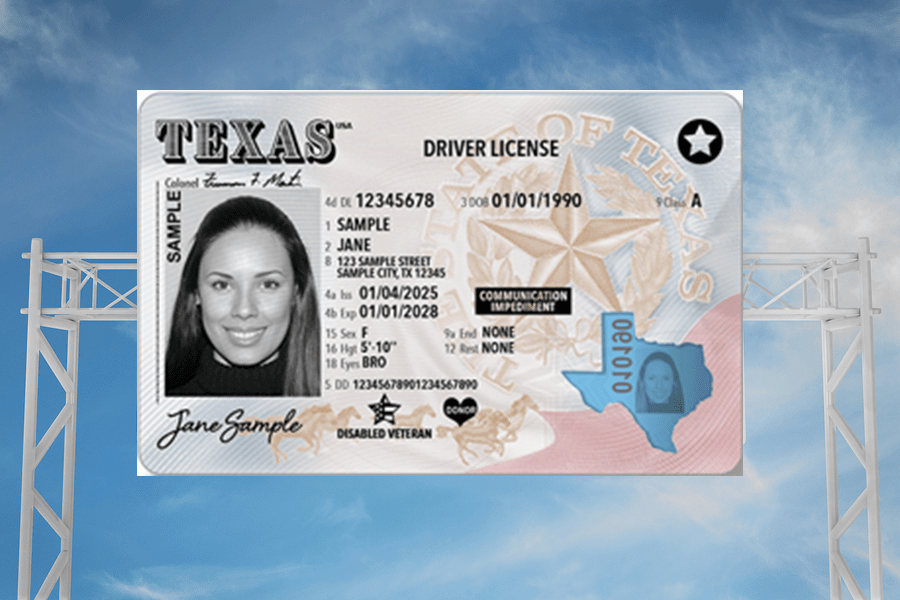
- Fingerprints and Photo: Your fingerprints will be taken for identification purposes, and a photograph will be captured for your learner’s permit.
- Application Fee: You will pay the required fee for your permit application.
- Vision Test: All applicants must pass a vision test to ensure they have adequate eyesight for driving. If you wear corrective lenses, be sure to wear them for the test.
- Written Knowledge Test: This is often the most nerve-wracking part for many applicants. The test assesses your knowledge of Texas traffic laws and road signs.
Once you pass these steps, and for minors, your driver education requirements are confirmed, you will typically receive a temporary learner’s permit on the spot, with the official card mailed to you later. This temporary permit is valid for immediate use under the supervision of a licensed driver, allowing you to begin your practical driving experience and prepare for future adventures to places like the NASA Johnson Space Center in Houston or exploring the Dallas Arts District.
Mastering the Tests: Written Exam and Vision Screening
Success on the written exam and vision screening is paramount for obtaining your learner’s permit. Both tests are designed to ensure you possess the fundamental capabilities required to safely operate a vehicle.
- The Vision Test: This is usually a straightforward assessment using an eye chart. You’ll be asked to read letters or numbers at a certain distance. If you pass, great! If not, you might be required to get an eye exam from an ophthalmologist or optometrist and return with a Vision Statement form (DL-63) completed by the specialist, indicating any necessary corrective lenses or restrictions. It’s a quick check to ensure your vision is up to par for recognizing road signs and hazards, crucial for navigating unfamiliar destinations.
- The Written Knowledge Test: This exam consists of multiple-choice questions covering traffic laws, road signs, and safe driving practices found in the official Texas Driver Handbook.
- Preparation is Key: Don’t underestimate this test. The Texas Driver Handbook is your primary study guide. Read it thoroughly, paying close attention to sections on right-of-way rules, speed limits, parking regulations, and common road signs.
- Practice Tests: Numerous online resources offer free practice tests that mimic the format and content of the actual DPS exam. Utilizing these can significantly boost your confidence and help you identify areas where you need further study.
- Focus on Understanding: Rather than just memorizing answers, strive to understand the underlying principles of safe driving. This knowledge will serve you well not only for the test but throughout your entire driving career, especially when navigating diverse environments from the busy highways of Fort Worth to the rural roads of the Panhandle.
Driver Education Requirements: Paving the Way for Safe Driving
For applicants aged 15-17, driver education isn’t just a recommendation; it’s a mandatory step. These courses are designed to provide comprehensive theoretical and practical training, ensuring young drivers are well-prepared for the responsibilities of the road.
- Classroom Instruction: This typically involves 32 hours of classroom (or online equivalent) instruction covering traffic laws, vehicle operation, accident prevention, and driver responsibilities.
- Behind-the-Wheel Training: Following classroom instruction, students must complete a minimum of 7 hours of in-car observation and 7 hours of actual behind-the-wheel driving instruction with a qualified instructor.
- Impact Texas Teen Drivers (ITTD) Program: Before taking the driving skills test, all teen applicants must complete the free, two-hour Impact Texas Teen Drivers (ITTD) video course. This program raises awareness about distracted driving and its tragic consequences. It must be completed within 90 days of taking the driving test.
- Impact Texas Adult Drivers (ITAD) Program: For adult applicants (18-24) who have not completed driver education, a similar 6-hour driver education course and the 1-hour Impact Texas Adult Drivers (ITAD) program are required.
These educational components are crucial. They instill a sense of responsibility and equip new drivers with the skills necessary to safely navigate everything from crowded city streets to scenic highways leading to South Padre Island or Guadalupe Mountains National Park.
Beyond the Permit: Exploring Texas with Your Newfound Independence
Congratulations, you have your learner’s permit! This isn’t just a piece of paper; it’s a symbol of burgeoning independence and a ticket to unlock the vast recreational and cultural opportunities Texas offers. While you’ll still need a licensed adult (21 years or older) in the front passenger seat, your permit allows you to begin gaining practical driving experience. This supervised practice is invaluable for building confidence and skill before taking your driving test and earning your provisional license. More importantly, it marks the beginning of a new chapter in how you can experience and engage with the Lone Star State.
Unlocking Texas Destinations: Road Trips and Local Discoveries
With your learner’s permit in hand, the concept of a “road trip” transforms from a dream into a tangible possibility. Texas is a state of incredible diversity, and having the ability to drive (with supervision) opens up myriad attractions and experiences.
- City Explorations: Practice your driving in different urban environments. Navigate the complex highway systems of Houston and Dallas, explore the historic charm of San Antonio (Riverwalk anyone?), or soak in the vibrant, eclectic atmosphere of Austin. Each city offers unique challenges and learning opportunities for a new driver, along with world-class hotels, resorts, and dining options.
- Natural Wonders: Take scenic drives to Texas’s breathtaking natural landmarks. Practice on the winding roads of the Hill Country, visit the tranquil beauty of Caddo Lake State Park, or plan an ambitious multi-day journey towards Big Bend National Park (with a licensed driver, of course!). These trips are perfect for bonding with family or friends while gaining essential long-distance driving experience. The diverse landscapes, from deserts to pine forests and the Gulf Coast, demand different driving skills and awareness.
- Cultural Immersion: Drive to small towns known for their unique festivals, local eateries, or historical sites. Discover local food scenes that are off the beaten path, explore antique shops in charming main streets, or visit a working ranch. These local discoveries are often the most rewarding aspects of travel and contribute significantly to understanding the rich tapestry of Texan culture.
Lifestyle Benefits: Family Adventures, Student Mobility, and Budget-Friendly Exploration
The benefits of a learner’s permit extend far beyond just learning to drive. It significantly enhances your lifestyle and your ability to engage with your surroundings, especially in a state like Texas.
- Family Trips: For families with teenagers learning to drive, the learner’s permit transforms family outings. Your teen can now share the driving responsibilities (under supervision), making long journeys to Corpus Christi or El Paso more collaborative and less taxing for the primary driver. It’s a fantastic way to bond and create shared memories while exploring Texas.
- Student Mobility: For students, having a permit means greater independence. While still needing supervision, it allows for practice driving to school, extracurricular activities, or part-time jobs, reducing reliance on parents or public transport. This is particularly valuable in areas with limited public transportation, often the case in many parts of Texas.
- Budget-Friendly Travel: Long-term, learning to drive and eventually getting your full license offers significant budget travel advantages. The ability to drive your own vehicle eliminates costly ride-share services or limited public transport options, especially for exploring regional attractions. It also opens up options for more affordable accommodation outside city centers, such as renting villas or staying in budget hotels on the outskirts.
- Career Opportunities: For adults, a driver’s permit is a crucial step towards a full license, which can open up new career opportunities requiring personal transportation or even jobs that involve driving.

Future Steps: Towards Your Provisional License and Unrestricted Travel
The learner’s permit is just the beginning. After holding your permit for at least six months (for minors), completing all driver education requirements, and accumulating sufficient supervised driving hours, you’ll be eligible to take the driving skills test. Passing this test will earn you a Provisional License (for minors) or a full, unrestricted license (for adults 18 and over).
With a full license, the entire Lone Star State and beyond truly become your oyster. Imagine planning a multi-state road trip, renting a car for a luxury travel experience, or simply having the freedom to drive whenever and wherever you please. The initial effort of obtaining your learner’s permit is a small price to pay for the vast array of travel, lifestyle, and personal growth opportunities it unlocks.
In conclusion, securing a learner’s permit in Texas is more than just navigating bureaucracy; it’s an investment in your independence, mobility, and capacity for exploration. It’s the first tangible step towards experiencing the boundless attractions, diverse cultures, and breathtaking landscapes that make the Lone Star State a premier destination for residents and visitors alike. So, gather your documents, study the handbook, and prepare to embark on your exciting journey to freedom on the open roads of Texas!
LifeOutOfTheBox is a participant in the Amazon Services LLC Associates Program, an affiliate advertising program designed to provide a means for sites to earn advertising fees by advertising and linking to Amazon.com. Amazon, the Amazon logo, AmazonSupply, and the AmazonSupply logo are trademarks of Amazon.com, Inc. or its affiliates. As an Amazon Associate we earn affiliate commissions from qualifying purchases.