
Embarking on the journey of marriage is a momentous occasion, and for many couples, the desire to tie the knot in the vast and vibrant state of Texas adds an extra layer of charm and adventure to their love story. Whether you envision a grand celebration in a bustling city, an intimate elopement amidst rolling Hill Country vineyards, or a serene ceremony by the coast, understanding the practical steps to obtain a marriage license is your first and most crucial milestone. Texas, a land of diverse landscapes and rich culture, offers an unparalleled backdrop for starting your new life together, merging the excitement of a new chapter with the allure of a unique travel experience. This comprehensive guide is designed to navigate you through the specifics of acquiring a marriage license in Texas, ensuring your focus remains on the joy and anticipation of your wedding day, rather than administrative hurdles. We’ll delve into everything from eligibility requirements and necessary documentation to the application process, waiting periods, and even tips for planning your perfect Texas wedding and honeymoon, integrating seamlessly with the travel and lifestyle ethos of our platform. From the bustling streets of Houston to the historic charm of San Antonio, and the live music capital of Austin, Texas presents a spectrum of experiences for couples. Let’s make your dream Texas wedding a reality, starting with the very first step: securing your official license to marry.

Why Choose Texas for Your Wedding Journey?
Texas is more than just a state; it’s a destination brimming with unique character, diverse attractions, and a welcoming spirit that makes it an exceptional choice for couples looking to begin their marital adventure. For those who love to travel and seek memorable experiences, Texas offers an array of backdrops that cater to every taste and wedding style. Imagine saying “I do” against the backdrop of a glittering Dallas skyline, beneath ancient oak trees in the picturesque Hill Country, or with the gentle lapping waves of the Gulf Coast in Galveston or South Padre Island. Each region offers distinct local culture, culinary delights, and activity options that can transform a simple wedding into an unforgettable journey for you and your guests.
Beyond the picturesque scenery, Texas’s vibrant cities, such as Austin, Houston, San Antonio, and Dallas, provide world-class amenities and accommodations, making them ideal hubs for a destination wedding. From luxury resorts offering comprehensive wedding packages to charming boutique hotels perfect for intimate gatherings, Texas caters to every preference and budget. Couples can easily combine their wedding ceremony with a delightful honeymoon, exploring the state’s iconic landmarks, indulging in its renowned BBQ and Tex-Mex cuisine, or enjoying outdoor adventures ranging from hiking in state parks to water sports on its many lakes and rivers. Choosing Texas for your wedding is choosing an experience that extends far beyond the ceremony itself, embracing the spirit of travel, discovery, and a lifestyle rich in unforgettable moments. It’s an opportunity to create not just a wedding day, but a wedding journey that reflects your adventurous spirit and love for unique experiences, perfectly aligning with the values of LifeOutoftheBox.com. The accessibility, varied attractions, and warm hospitality make Texas an increasingly popular choice for couples seeking to blend their wedding plans with an extraordinary travel experience.
Understanding the Essentials: Texas Marriage License Requirements
Before you can exchange vows, understanding the fundamental requirements for obtaining a marriage license in Texas is paramount. This section breaks down the crucial criteria, documents, and application process you’ll need to navigate.
Eligibility Criteria for Applicants
To secure a marriage license in Texas, both prospective spouses must meet certain conditions. The primary requirement is age: both applicants must be at least 18 years old. There are limited exceptions for minors; an individual aged 16 or 17 may obtain a marriage license if they have a court order removing the disabilities of minority for general purposes, or if they have parental consent and a court order authorizing the marriage. It is crucial to be aware that marriage for minors in Texas is subject to strict legal scrutiny to protect their welfare.
Furthermore, applicants must not be currently married to another person. If either party has been previously married, their divorce must be final for at least 30 days before they can apply for a new marriage license in Texas. However, if the previous spouse died, there is no waiting period after the death. Applicants must also not be related to each other by whole or half-blood, or by adoption, as marriage between close relatives is prohibited. Finally, both individuals must be of sound mind and capable of understanding the nature of the marriage contract. These straightforward eligibility criteria ensure that all marriages performed in Texas are legally sound and in accordance with state laws, setting a clear path for couples to move forward with their wedding plans.
Required Documentation and Information
When you head to the County Clerk‘s office to apply for your marriage license, being prepared with the correct documentation will ensure a smooth and efficient process. Both applicants must present valid, government-issued photo identification. Acceptable forms of ID typically include a state-issued driver’s license or identification card, a passport, a military ID, or a permanent resident card. The identification must clearly show your legal name and date of birth.
In addition to photo ID, you will both need to provide your Social Security number. While you don’t necessarily need to bring your physical Social Security card, you must know the number. For individuals who do not have a Social Security number, the County Clerk will typically have a specific procedure or form to complete. If either applicant has been divorced within the last 30 days, they may need to provide a certified copy of the divorce decree stating that the divorce has been finalized for more than 30 days, or a waiver from a judge allowing them to marry sooner. It’s always a good idea to call the specific County Clerk’s office in the county where you plan to apply, as requirements can sometimes vary slightly from one county to another within Texas. Bringing all necessary documents ensures that your application proceeds without delay, allowing you to focus on the exciting aspects of planning your Texas wedding experience, from selecting the perfect venue to booking your ideal accommodation.
Where and How to Apply
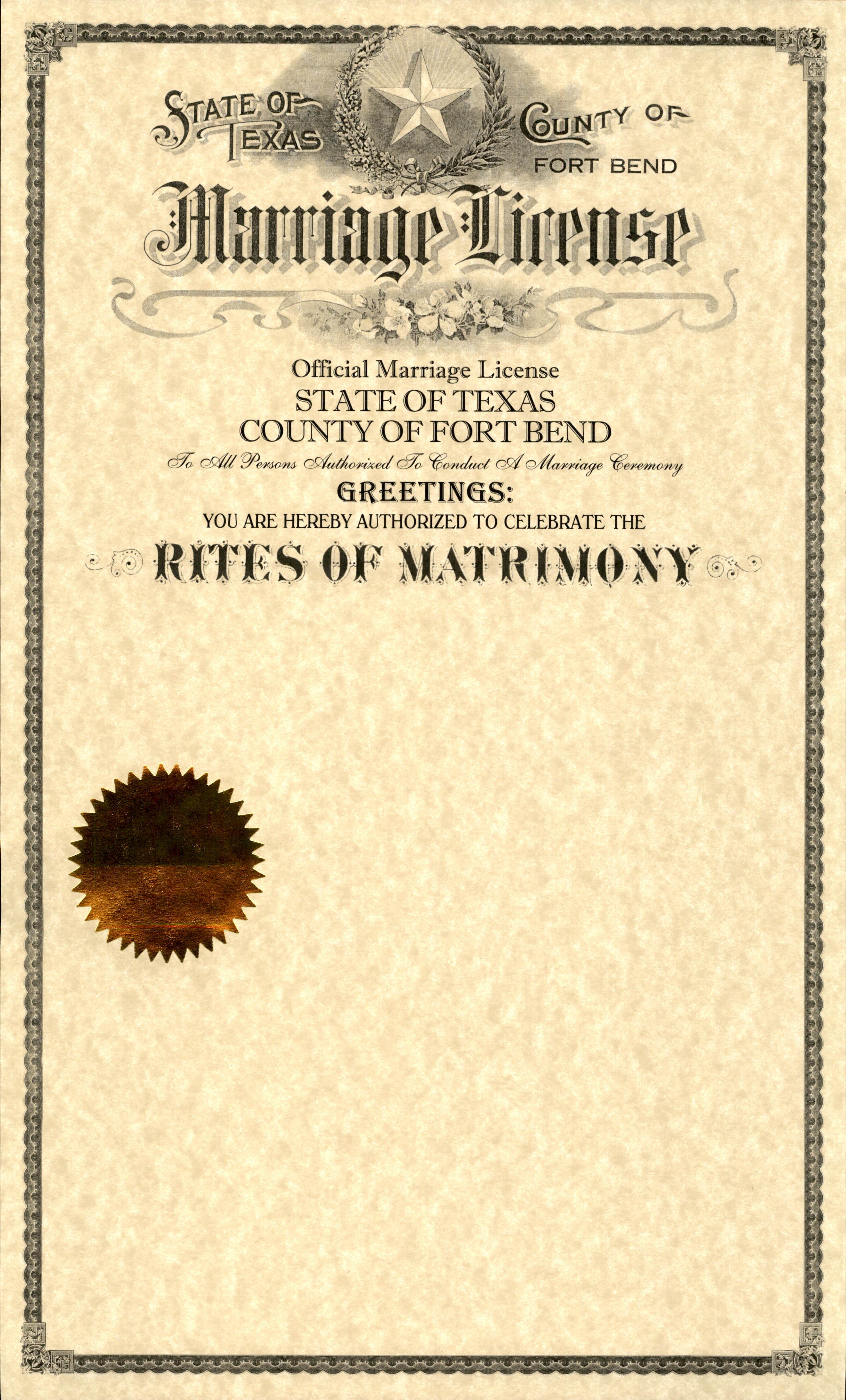
The application for a marriage license in Texas must be made at any County Clerk’s office within the state. The beauty of Texas law is that you are not restricted to applying in the county where you reside or where your ceremony will take place; you can obtain your license in Travis County (for Austin) and get married in Harris County (for Houston), for instance. Both applicants must appear in person at the County Clerk’s office to complete and sign the application. This personal appearance requirement underscores the state’s commitment to verifying the identities and intentions of the individuals seeking marriage.
There are limited exceptions to the in-person requirement. If one applicant is a member of the armed forces of the United States stationed in another country, or if one applicant is confined to jail or prison, they may be able to apply by submitting an affidavit. However, these are specific scenarios, and most couples will need to visit the County Clerk’s office together. The application process typically involves filling out a form with personal details, presenting the required identification and information, and paying the application fee. The fee for a marriage license in Texas varies slightly by county but generally falls between $81 and $85. Some counties may offer a reduced fee if you complete a state-approved premarital education course, such as the Twogether in Texas program, which we’ll discuss further. Many County Clerk offices now offer the convenience of filling out the application form online in advance, which can save time during your visit, but the signing and payment must still be done in person. This streamlined process allows couples, whether they’re local or visiting from out of state, to efficiently secure their license and move closer to their dream Texas wedding.
Navigating the Process: From Application to Ceremony
Once you’ve submitted your application and paid the fee, there are a few more critical steps and timelines to be aware of before your ceremony can take place and your marriage becomes legally recognized.
The 72-Hour Waiting Period and Its Waivers
A significant aspect of obtaining a marriage license in Texas is the mandatory 72-hour waiting period. After the marriage license is issued by the County Clerk, couples must wait at least 72 hours before the marriage ceremony can be performed. This period is designed to provide a brief cool-off period, ensuring that both parties are certain about their decision.
However, Texas law does provide for certain waivers to this waiting period. The most common waiver is for couples who complete a premarital education course certified by the Twogether in Texas program. This program, which focuses on relationship skills and healthy communication, not only waives the 72-hour waiting period but also often reduces the marriage license fee. Couples interested in this option can find approved courses online or through local organizations. Another exception applies to applicants who are active-duty military personnel, as well as those marrying active-duty military personnel, who can have the waiting period waived upon presentation of proper military identification. Finally, a judge can also waive the waiting period for good cause shown. For destination weddings, especially for couples traveling into Texas specifically for their ceremony, understanding and planning for this waiting period, or securing a waiver, is crucial for coordinating travel arrangements and ceremony timing, ensuring a seamless experience in your chosen Texas locale.
Validity Period and When to Marry

The marriage license you obtain from the County Clerk’s office is not valid indefinitely. In Texas, a marriage license is valid for a period of 90 days from the date it is issued. This means that your marriage ceremony must take place within this three-month window. If the 90 days elapse before you are married, the license expires, and you will need to reapply for a new one, including paying the associated fees again.
It’s equally important to note that you cannot get married before the 72-hour waiting period has passed (unless waived). So, you have a window of approximately 72 hours to 90 days to hold your ceremony. This timeframe offers considerable flexibility for planning, whether you opt for an immediate elopement after the waiting period or a more elaborate wedding celebration months down the line. For couples planning a destination wedding in Texas, this validity period is a key consideration for travel logistics. You’ll want to ensure your trip dates align with both obtaining the license and conducting the ceremony within the specified timeframe. Many couples choose to arrive a few days early to handle the license application, take advantage of the 72-hour waiting period to explore local attractions, and then proceed with their ceremony, perhaps in a charming venue in Fredericksburg or a scenic spot near Wimberley, maximizing their travel and tourism experience.
Understanding Informal Marriages (Common Law)
While most couples opt for a ceremonial marriage after obtaining a license, Texas is one of the few states that recognizes “informal marriages,” often referred to as common law marriage. This means that a couple can be legally married without obtaining a license or having a formal ceremony, provided they meet specific criteria.
For an informal marriage to be valid in Texas, three conditions must be met simultaneously:
- Agreement: The couple must agree that they are married. This doesn’t require a formal verbal declaration but an understanding between the two.
- Hold out as married: They must represent to others that they are married. This can involve using the same last name, introducing each other as “my spouse,” or referring to themselves as married in social or professional settings.
- Live together as husband and wife: They must cohabitate in Texas as a married couple.
It’s important to understand that an informal marriage is just as legally binding as a ceremonial marriage. Should the relationship end, a formal divorce process would be required. While this option offers flexibility, most couples prefer the certainty and celebration of a formal ceremony. For those considering an informal marriage, it’s often advisable to formally declare it through a Declaration of Informal Marriage form at the County Clerk’s office, which serves as official proof of the marriage and can simplify future legal matters. This unique aspect of Texas law highlights the diverse paths to marital commitment available within the state, catering to various lifestyles and preferences.
Beyond the License: Planning Your Texas Wedding Experience
Securing your marriage license is just the beginning. The expansive and vibrant state of Texas offers an incredible canvas for creating a wedding experience that is truly your own. From choosing the perfect setting to arranging accommodation and crafting a memorable honeymoon, Texas blends logistical ease with endless possibilities for travel and lifestyle enrichment.
Choosing Your Texas Wedding Location
The diversity of Texas landscapes means you’re spoilt for choice when it comes to selecting your wedding location. For couples dreaming of urban elegance and sophisticated cityscapes, Dallas and Houston offer luxurious venues, world-class catering, and an abundance of entertainment options. These metropolitan hubs are also excellent for guests flying in, with numerous hotels and transportation links. If a vibrant, artistic, and bohemian atmosphere is more your style, Austin provides a unique blend of live music venues, scenic parks, and eclectic eateries, perfect for a personalized, laid-back celebration.
For those drawn to history and romantic charm, San Antonio boasts iconic landmarks like the Alamo and its picturesque Riverwalk, offering a distinctly Texan cultural experience for your big day. The rolling hills and charming vineyards of the Hill Country, with towns like Fredericksburg and Wimberley, provide a rustic yet elegant setting, ideal for outdoor ceremonies and wine-country celebrations. If a coastal breeze and ocean views are what you crave, Galveston offers historic charm and beachside venues, while the resort town of South Padre Island promises stunning sunsets and a relaxed, tropical vibe. Beyond these popular choices, Texas also features countless beautiful ranches, historic estates, and charming small towns that can provide the perfect unique backdrop for your special day. Selecting your location is not just about the venue; it’s about choosing an entire experience, reflecting your personal style and inviting your guests into the rich tapestry of Texas tourism.
Accommodation for Your Special Day and Honeymoon
With your wedding location in mind, the next crucial step in planning your Texas experience is securing the ideal accommodation for yourselves and your guests. Texas’s extensive tourism infrastructure means there’s a lodging option for every preference and budget, enhancing the overall travel aspect of your wedding.
In major cities like Dallas, Houston, and Austin, you’ll find a vast array of luxury hotels and resorts that offer comprehensive wedding services, from grand ballrooms to intimate suites, often coupled with spa facilities and fine dining. These establishments often provide group rates for wedding blocks, making it convenient for guests. For those seeking a more boutique or unique stay, Texas is rich with charming bed and breakfasts, especially in areas like Fredericksburg or Wimberley in the Hill Country, perfect for an intimate honeymoon retreat. Coastal areas like Galveston and South Padre Island feature beachfront resorts and vacation rentals, offering stunning views and direct access to leisure activities.
Families traveling for your wedding might appreciate hotels with suites or serviced apartments, providing more space and amenities. Budget-conscious travelers will find numerous reputable hotel chains across the state offering comfortable and affordable options. Beyond the wedding night, consider your honeymoon accommodation. A luxurious stay at a San Antonio Riverwalk hotel, a romantic cabin in the Big Bend region, or a wellness retreat in the Hill Country can transform your post-wedding travel into an unforgettable adventure. Booking well in advance, especially during peak wedding seasons or local events, is highly recommended to ensure you secure your desired lodging and benefit from the best rates, making your Texas wedding a complete and comfortable travel experience.
Officiants and Ceremony Logistics
Once your license is in hand and your venue is chosen, the next critical step is selecting your officiant and finalizing the ceremony logistics. In Texas, a marriage ceremony can be performed by a variety of individuals, offering flexibility to suit different beliefs and preferences. Legally authorized officiants include licensed or ordained ministers or priests, Jewish rabbis, judges of the Supreme Court, Court of Criminal Appeals, Courts of Appeals, District Courts, County Courts, or Justice Courts of the State, municipal court judges, and retired judges. They also include active or retired federal judges or magistrates, or any retired judge of an appellate, district, constitutional county, or statutory county court. Certain religious society officials can also officiate according to their customs.
It is important to ensure your chosen officiant is legally qualified in Texas to avoid any issues with the validity of your marriage. After the ceremony, the officiant is responsible for completing the marriage license, including their signature, and returning it to the County Clerk’s office that issued it within 30 days of the ceremony. This step is crucial for your marriage to be officially recorded and recognized. Make sure to discuss these logistical details with your officiant well in advance. Following the return of the license, the County Clerk will process it and make it part of the public record. You can then request certified copies of your marriage certificate, which you’ll need for various administrative purposes such as changing your name on official documents. This final administrative step solidifies your union, allowing you to fully embrace married life and perhaps even embark on a well-deserved honeymoon tour of Texas’s many travel attractions.
Crafting Your Texas Honeymoon Itinerary
After the excitement of your wedding day, Texas continues to beckon as an incredible destination for your honeymoon. Its vastness and diversity mean you can craft an itinerary that perfectly suits your idea of romantic travel, adventure, or relaxation, seamlessly extending your wedding journey into a memorable post-nuptial escape.
For couples seeking vibrant city life, a honeymoon in Austin could involve exploring its famous live music scene, paddleboarding on Lady Bird Lake, and indulging in gourmet food trucks. San Antonio offers romantic strolls along the Riverwalk, historical tours of the Alamo, and exquisite Tex-Mex dining. If natural beauty and outdoor adventures are more your style, consider a road trip through the Hill Country, stopping at wineries in Fredericksburg, swimming in the natural springs of Wimberley, or hiking in state parks. For a truly unique experience, a trip to Big Bend National Park in West Texas offers breathtaking desert landscapes, stargazing opportunities, and rugged trails for the adventurous couple.
Coastal honeymoons on Galveston Island or South Padre Island provide opportunities for relaxing on the beach, enjoying fresh seafood, and trying watersports. Consider combining different regions for a comprehensive Texas experience, perhaps a few days in a bustling city followed by a tranquil retreat in the countryside or by the sea. Many hotels and resorts throughout Texas offer special honeymoon packages, often including romantic dinners, spa treatments, or unique local experiences. Planning your honeymoon as an extension of your Texas wedding ensures your journey begins with unforgettable memories, celebrating your new life together amidst the charm and adventure that only the Lone Star State can offer.
LifeOutOfTheBox is a participant in the Amazon Services LLC Associates Program, an affiliate advertising program designed to provide a means for sites to earn advertising fees by advertising and linking to Amazon.com. Amazon, the Amazon logo, AmazonSupply, and the AmazonSupply logo are trademarks of Amazon.com, Inc. or its affiliates. As an Amazon Associate we earn affiliate commissions from qualifying purchases.