
The question of abortion legality in Texas has become a focal point of discussion, not just for its residents but also for anyone considering visiting the Lone Star State. As a major travel destination known for its diverse landscapes, vibrant cities, and unique cultural experiences, Texas attracts millions of tourists annually. However, the legal environment surrounding reproductive rights can undeniably influence travel decisions, healthcare considerations, and even the overall perception of a destination. For those planning a trip, understanding the current legal status of abortion in Texas is crucial, as it impacts not only personal choices but also the availability of medical services within the state. This article aims to clarify the situation, providing insights relevant to travelers, from those seeking medical care to those simply exploring the state’s many attractions.
The Current Legal Landscape: A Post-Roe Reality in Texas
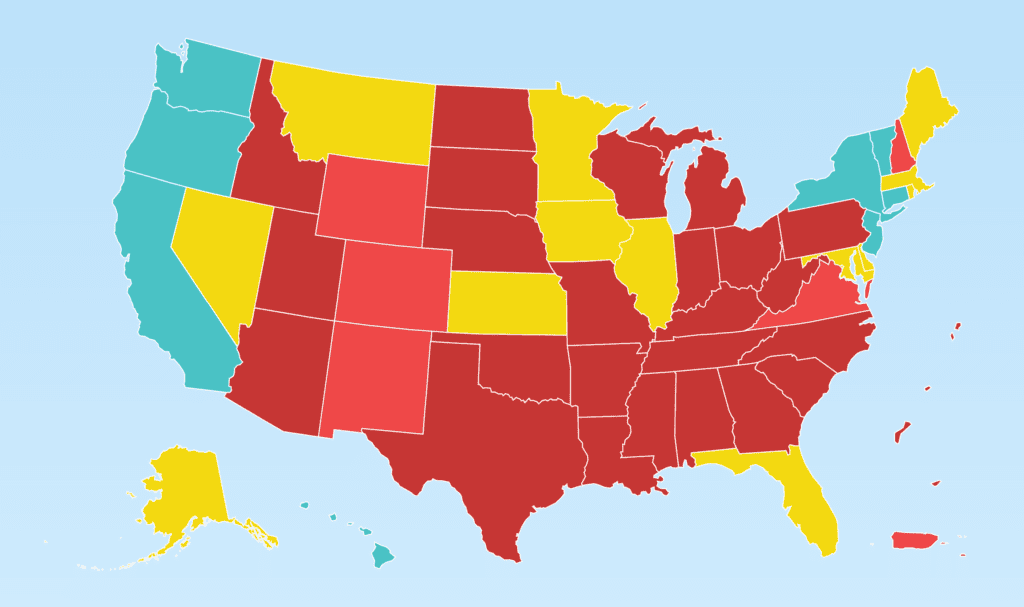
Following the overturning of Roe v. Wade by the United States Supreme Court in June 2022, the legal landscape for abortion access in many U.S. states, including Texas, underwent a dramatic shift. This landmark decision eliminated the constitutional right to abortion, returning the authority to regulate or ban the procedure to individual states. Texas, which had already implemented some of the nation’s most restrictive abortion laws, quickly moved to enforce a near-total ban.
Understanding the Trigger Ban and its Enforcement
Texas’s current abortion ban stems primarily from a “trigger law” that was designed to take effect automatically upon the overturning of Roe v. Wade. This law, officially known as the Human Life Protection Act of 2021, prohibits abortions from the moment of fertilization. This means that, with very limited exceptions, abortion is illegal at all stages of pregnancy in Texas.
The enforcement of this ban is stringent, carrying severe penalties for anyone who performs or induces an abortion. Providers face potential felony charges, substantial fines, and the loss of their medical licenses. The law also includes civil penalties. This has led to the closure of nearly all abortion clinics in Texas, fundamentally altering the availability of reproductive healthcare services within the state.
It’s important to note that the ban does not directly penalize individuals seeking or undergoing an abortion. The legal focus is on those who perform or facilitate the procedure. However, the practical effect is that individuals in Texas cannot legally access abortion services within the state’s borders.
Navigating Exceptions and Medical Emergencies
While the Texas trigger law is a near-total ban, it does include a narrow exception for medical emergencies. Specifically, an abortion is permitted only if “a physician believes a medical emergency prevents the death or a serious risk of substantial impairment of a major bodily function of the pregnant patient.” This exception is critically important but also highly scrutinized and interpreted. The definition of “medical emergency” has been a source of significant debate and confusion among healthcare providers, leading to concerns about delays in necessary care for patients experiencing complex or life-threatening pregnancies.
There are no exceptions in the Texas law for cases of rape or incest. This means that even in these traumatic circumstances, abortion remains illegal within the state. This strict stance distinguishes Texas from some other states with abortion bans that do include such exceptions.
For travelers, understanding the narrowness of this medical exception is paramount. If a medical emergency arises while visiting Texas that might necessitate an abortion, the interpretation and application of this exception by local medical professionals could be a complex and distressing situation. It highlights the critical need for anyone with health concerns to be fully aware of the state’s legal restrictions before travel.
Implications for Travelers and Residents Seeking Care
The comprehensive ban on abortion in Texas has significant implications, extending beyond its permanent residents to anyone who might find themselves in the state, whether for a short vacation, a business trip, or a longer stay. The lack of access to abortion services within the state compels individuals to consider alternative options, primarily involving travel to other jurisdictions.
Cross-State Travel for Abortion Services
For many individuals in Texas seeking abortion care, the only viable option is to travel out of state. Neighboring states like New Mexico, Colorado, and Kansas have different reproductive healthcare laws and continue to offer abortion services. However, this travel often entails considerable logistical and financial burdens.
Travelers must account for the cost of transportation, accommodation, and time off work, in addition to the medical procedure itself. For someone on a limited budget or with restrictive travel options, these barriers can be insurmountable. Organizations exist to help fund and coordinate such travel, but the process is far from simple.
For those visiting Texas for tourism or business, the need to travel out of state for medical care can disrupt plans entirely. Imagine a traveler discovering an unexpected pregnancy or facing a medical complication during their stay in Houston or Dallas. The immediate need to seek care elsewhere means canceling travel plans, booking new flights or drives, and finding clinics in unfamiliar territories, all while dealing with a highly personal and sensitive medical situation. This introduces a layer of complexity and stress that is rarely associated with leisure or business travel.
Considerations for Reproductive Health While Visiting Texas
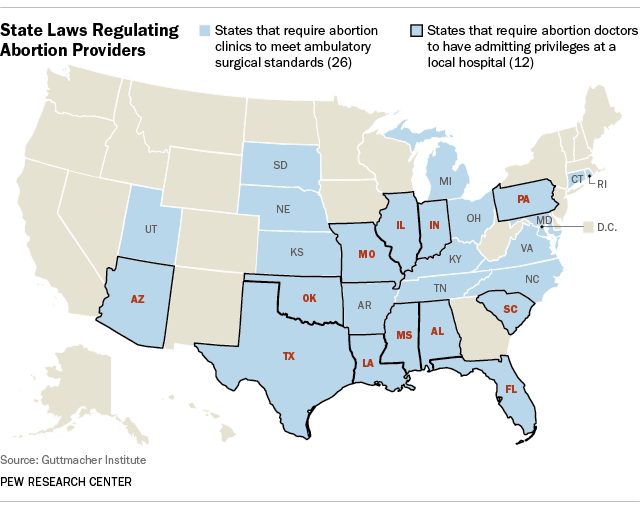
Given the restrictive environment, travelers to Texas should be particularly mindful of their reproductive health needs. It’s advisable for individuals who may require contraception, emergency contraception, or other reproductive health services to plan ahead.
- Contraception: Ensure you have an adequate supply of any necessary prescription contraception before your trip. While pharmacies in Texas will fill valid prescriptions, obtaining a new one or accessing certain types of contraception might be more challenging or require local medical consultations.
- Emergency Contraception (EC): Over-the-counter EC, often referred to as “the morning-after pill,” is available without a prescription in Texas, as it is federally regulated. However, it’s wise to know where to access it if needed, or even to carry it with you, especially if traveling to more remote areas.
- Medical Consultations: If you anticipate any reproductive health concerns or have ongoing conditions that might require medical attention, it’s prudent to consult with your primary healthcare provider before traveling. Discussing potential scenarios and understanding your options can help mitigate stress should issues arise during your trip.
- Understanding Local Resources: While abortion clinics are largely absent, other reproductive health services, such as prenatal care, STI testing, and general gynecological services, are available through hospitals and other medical providers. Knowing how to access these services in major cities like Austin, San Antonio, or El Paso can be beneficial.
For those who prioritize access to comprehensive reproductive healthcare when choosing travel destinations, Texas’s current legal framework might necessitate a careful re-evaluation of travel plans.
Broader Impacts on Travel, Tourism, and Lifestyle in the Lone Star State
The strict abortion ban in Texas isn’t just a private healthcare matter; it has broader implications that can ripple through the state’s tourism industry, economy, and even its appeal as a place to live, work, and visit. The intersection of policy and personal freedom can significantly influence how people perceive and interact with a destination.
Economic and Social Ripples for Texas Destinations
The tourism industry thrives on welcoming environments and positive perceptions. When a state enacts highly restrictive laws that are seen as impinging on personal freedoms, it can deter certain segments of travelers and businesses.
- Conferences and Events: Some organizations and professional associations have already expressed reluctance or outright refusal to host conferences, conventions, and major events in states with strict abortion bans. This can lead to a loss of significant revenue for hotels, restaurants, transportation services, and local attractions in cities like Houston, Dallas, and Austin, which are major hubs for such gatherings. The economic impact on the hospitality sector, from luxury hotels to budget accommodations, can be substantial.
- Leisure Travel: While many leisure travelers may not directly be affected by the abortion ban during their trip, the overall social and political climate of a state can influence destination choices. Travelers seeking destinations perceived as progressive or inclusive might opt for states with more liberal reproductive health policies. This could lead to a subtle but persistent decline in certain tourist demographics, affecting overall visitor numbers and revenue for attractions, tours, and local businesses.
- Talent Attraction: Beyond tourism, businesses considering relocation or expansion in Texas might face challenges in attracting and retaining top talent, especially women and families, if employees perceive the state’s laws as undermining their personal freedoms or healthcare access. This broader “lifestyle” impact can affect the long-term economic vitality of Texas cities.
The perception of Texas as a destination is now intertwined with its reproductive rights policies. For a state that prides itself on its welcoming spirit and economic prowess, this can present a complex challenge in its ongoing efforts to attract visitors and investment.
Making Informed Travel Decisions
For many, travel is about exploration, relaxation, and experiencing new cultures. However, for a growing number, it also involves considering the social and political landscape of a destination. When planning a trip to Texas, particularly for those who prioritize reproductive freedom or foresee potential healthcare needs, it’s vital to make informed decisions.
- Research Current Laws: Stay updated on the latest legal developments. While this article provides a current snapshot, laws can change, and legal challenges are ongoing. Reliable news sources and reproductive rights organizations can offer the most current information.
- Consider Personal Values: Reflect on whether a state’s laws align with your personal values and comfort level. For some, the mere existence of a strict ban might be a deterrent, regardless of direct personal impact.
- Healthcare Contingency Planning: For individuals who might become pregnant, or those traveling with someone who could, having a clear understanding of healthcare options and contingency plans for medical emergencies is prudent. This might involve identifying clinics in neighboring states beforehand or ensuring comprehensive travel insurance that covers emergency medical evacuation.
- Support Local Businesses Consciously: If you still choose to travel to Texas, you can choose to support businesses and organizations that align with your values, potentially those actively working to support reproductive rights or providing comprehensive healthcare services within the legal limits.
The decision to travel to any destination is ultimately personal. However, in an era where state laws increasingly affect fundamental rights, being well-informed about the legal and social environment of your chosen destination is a crucial part of responsible travel planning.

Planning Your Trip to Texas: Beyond the Legalities
While the legal status of abortion in Texas is a significant consideration, it’s also important to remember the vast array of experiences the state still offers. Texas remains a captivating destination with a rich history, diverse culture, and a multitude of attractions suitable for all types of travelers.
From the vibrant live music scene in Austin to the historic Alamo in San Antonio, the bustling urban centers of Houston and Dallas, and the natural beauty of Big Bend National Park, there’s an incredible amount to explore. Whether you’re interested in luxury resorts, boutique hotels, budget-friendly accommodations, or unique glamping experiences, Texas has options to suit every preference and budget.
When planning your trip, consider:
- Destinations: Explore specific cities or regions that align with your interests, whether it’s exploring museums and art galleries, enjoying outdoor adventures, or indulging in the famous Texas barbecue.
- Accommodation: Research hotels, suites, apartments, or villas that offer the amenities and experiences you desire, from family-friendly resorts to romantic getaways. Booking in advance, especially for popular seasons or events, is always recommended.
- Local Culture and Activities: Immerse yourself in the local culture, try diverse cuisines, and engage in unique activities. Texas’s local culture is a blend of Southern charm, Western heritage, and vibrant modern influences.
- Travel Guides and Tips: Utilize comprehensive travel guides and tips to navigate the state efficiently, discover hidden gems, and make the most of your travel experiences.
In conclusion, while abortion is effectively banned in Texas with very limited exceptions, the state continues to offer a wealth of travel opportunities. Understanding the legal landscape is an important part of responsible travel planning, especially for those considering reproductive health needs. By being informed, travelers can make decisions that align with their personal values and ensure a safe, enjoyable, and well-prepared journey to the Lone Star State.
LifeOutOfTheBox is a participant in the Amazon Services LLC Associates Program, an affiliate advertising program designed to provide a means for sites to earn advertising fees by advertising and linking to Amazon.com. Amazon, the Amazon logo, AmazonSupply, and the AmazonSupply logo are trademarks of Amazon.com, Inc. or its affiliates. As an Amazon Associate we earn affiliate commissions from qualifying purchases.