
The allure of a Texas road trip is undeniable. Wide-open spaces, vibrant cities like Austin, Dallas, and Houston, and a rich tapestry of culture and natural beauty call out to adventurers from across the United States and beyond. As you cruise down highways fringed with bluebonnets or navigate the bustling streets of a metropolitan hub, the feeling of freedom is paramount. For many, this sense of unbridled liberty extends to the idea of kicking off their shoes and feeling the pedals beneath their bare feet. It’s a common question that sparks curiosity and debate among travelers: is it actually against the law to drive barefoot in the Lone Star State?
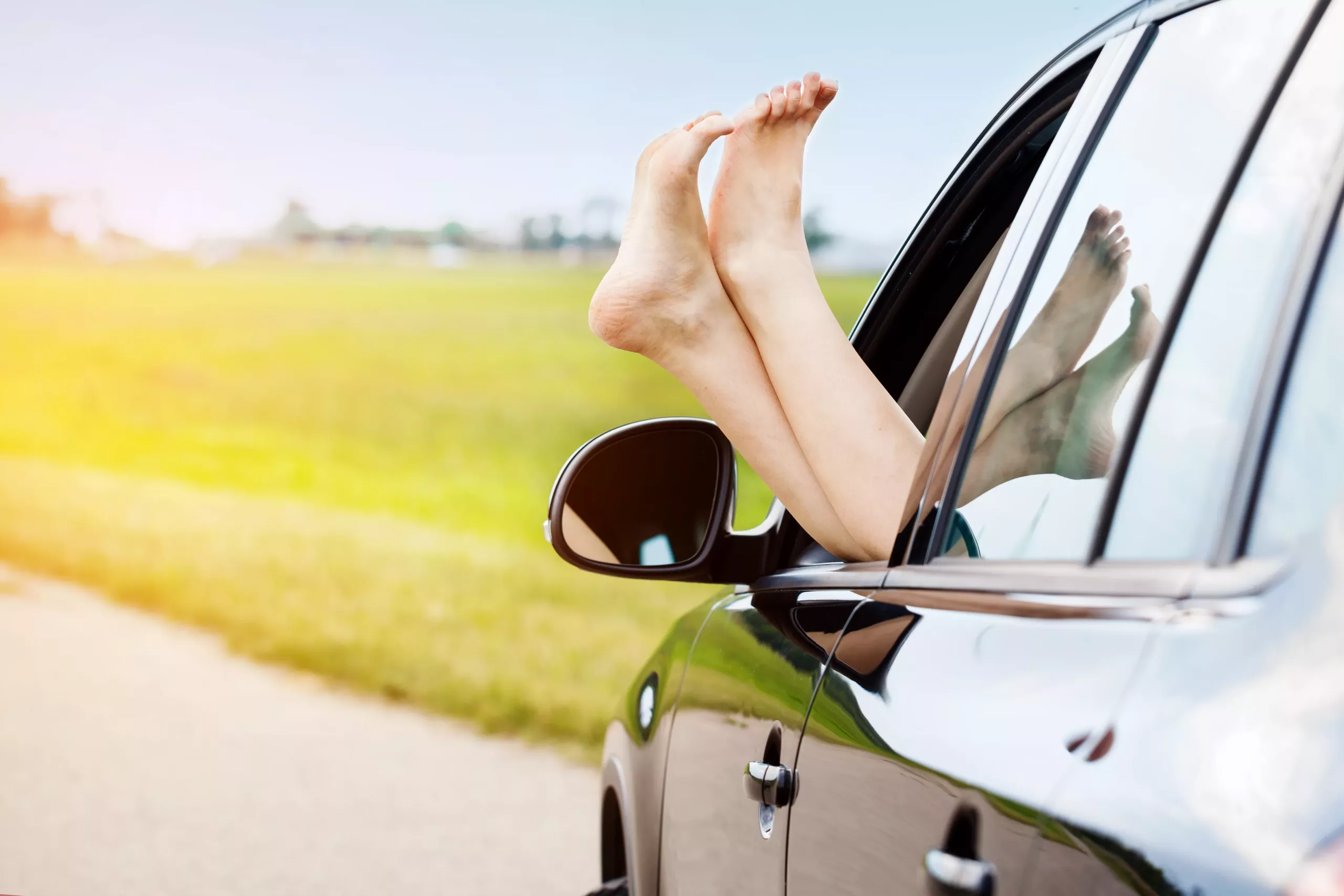
This seemingly simple query taps into a broader conversation about travel safety, personal comfort, and the legal nuances that can shape our experiences on the road. For those planning a vacation to Texas, whether it’s a luxury escape to a sprawling resort, a budget-friendly camping trip in Big Bend National Park, or an urban exploration of historic landmarks like The Alamo in San Antonio, understanding local regulations is key to a seamless journey. While the thought of feeling the freedom of the open road with the wind in your hair and sun on your skin is appealing, what does the law really say about footwear behind the wheel? We delve into the specifics, offering insights that go beyond mere legality to encompass practical safety and the broader implications for your Texas travel adventures.
The Lone Star State’s Stance on Barefoot Driving
Texas, known for its independent spirit, often surprises visitors with its approach to certain regulations. When it comes to the question of driving barefoot, the answer is often met with a mix of relief and mild astonishment. Many people assume, due to various myths and widespread beliefs, that driving without shoes is universally illegal. However, the reality in Texas is quite different.
Decoding Texas Driving Regulations
Contrary to popular belief and unlike some specific regulations found in other states within the United States, there is no specific state law in Texas that explicitly prohibits driving barefoot. This means that from a purely legal standpoint, you won’t be pulled over or ticketed solely for having bare feet on the pedals. The Texas Transportation Code, which outlines the rules of the road and driver responsibilities, does not contain any clause addressing footwear for private passenger vehicles. The primary focus of Texas driving laws is on ensuring the safe operation of a vehicle, minimizing distractions, and adhering to traffic regulations.
This legislative silence might seem counterintuitive to those accustomed to stricter interpretations of driving safety. The Texas Department of Public Safety, the state agency responsible for enforcing traffic laws and promoting highway safety, does not issue specific directives against barefoot driving. Their guidelines and public safety campaigns typically emphasize general principles of safe driving: maintaining control of the vehicle, avoiding impaired driving, and minimizing distractions. The absence of a specific prohibition means that drivers have the discretion to choose their footwear, or lack thereof, without fear of legal repercussions on this particular point. This aligns with the broader ethos of personal freedom often associated with the state, where individual choice is often prioritized unless it directly and unequivocally jeopardizes public safety in a legally defined manner. So, whether you’re embarking on a vibrant cultural tour of Austin’s live music scene, exploring the historic charm of San Antonio, or enjoying the coastal breezes of Galveston, the decision to drive barefoot remains, legally speaking, entirely up to you.
Why the Misconception?
Given the legal reality, the widespread misconception that driving barefoot is illegal in Texas (and indeed, in many other places) is a fascinating phenomenon. This myth likely stems from a combination of factors, deeply rooted in general safety advice, urban legends, and potentially even specific regulations pertaining to commercial vehicles or unique driving conditions. For instance, some states might have vague “unsafe operation” clauses that could be interpreted against barefoot driving, or there might be specific rules for commercial truck drivers that don’t apply to the general public.
One significant contributor to the myth is common sense safety advice. Driving instructors, parents, and even public safety campaigns often advise against driving barefoot. This advice is usually based on practical concerns related to control and accident prevention, rather than specific laws. Over time, these well-intentioned recommendations can morph into perceived legal mandates in the public consciousness. Additionally, the confusion might arise from varying regulations across different countries or even within the United States where local municipalities might have ordinances, though this is rare for barefoot driving. The absence of a clear, unified stance across all jurisdictions leads to a patchwork of beliefs, where a generalized caution becomes interpreted as a universal law. This type of travel myth is not uncommon, and it underscores the importance of verifying information, especially when planning a trip to a new destination. For a Texas visitor planning a scenic drive through the Hill Country or a bustling city tour, understanding the distinction between legal prohibition and practical advice can be crucial for an informed and relaxed experience.
Safety First: Practical Considerations for Driving Barefoot
While the legal landscape in Texas offers leniency on barefoot driving, the conversation doesn’t end there. Beyond the letter of the law, a prudent traveler considers the practical implications of their choices, especially when operating a vehicle. The experience of driving, particularly during a vacation, should prioritize safety and comfort to ensure that your trip remains memorable for all the right reasons.
The Mechanics of Footwear and Driving Safety
Shoes are not just a fashion statement; they play a functional role in many daily activities, including driving. When operating a vehicle, the right footwear provides several critical advantages that bare feet simply cannot. Firstly, shoes, especially those with good soles, offer superior grip and traction on the pedals. This is particularly important for the brake and accelerator. Bare feet, especially if sweaty or wet from a quick dip in a lake or the Gulf Coast, can easily slip, potentially leading to a delayed reaction or a loss of control. Imagine cruising along a scenic route near Guadalupe Mountains National Park and needing to brake suddenly; a slip could have serious consequences.
Secondly, footwear provides a protective barrier for your feet. In the unfortunate event of an accident, or even just encountering debris on the car floor (like a stray water bottle or a pebble), bare feet are highly vulnerable to injury. Broken glass, jagged metal, or even a sudden impact can cause severe damage. Furthermore, the pedals themselves can become hot, especially on a scorching Texas summer day, making barefoot driving uncomfortable and potentially painful. This discomfort can act as a significant distraction, diverting your attention from the road—a critical safety concern.
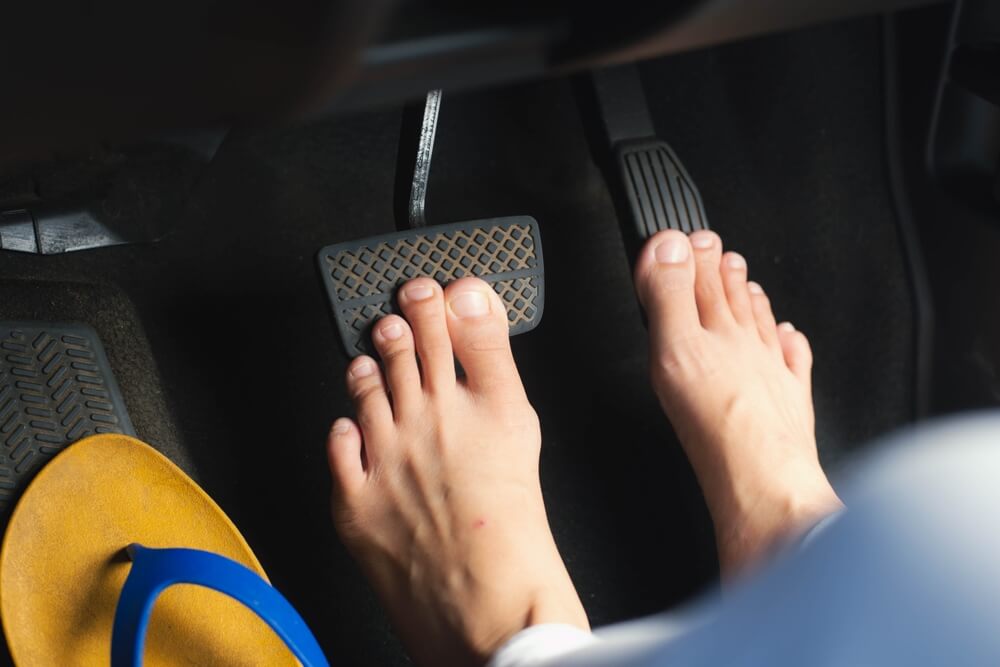
Perhaps one of the most significant mechanical risks is the potential for a bare foot to get wedged or caught under a pedal. While less common, the awkward position or movement of a bare foot, lacking the rigid structure of a shoe, could lead to it becoming stuck between pedals or underneath the brake, hindering your ability to react swiftly in an emergency. This potential for interference highlights why most driving safety experts strongly recommend wearing appropriate footwear. When planning a trip, be it a bustling city exploration in Houston or a tranquil retreat at the JW Marriott San Antonio Hill Country Resort & Spa, considering these practical safety aspects is part of responsible travel planning.
The “What If” Scenario: Accidents and Liability
While not explicitly illegal, choosing to drive barefoot can introduce complications in the unfortunate event of an accident. This is where the distinction between “illegal” and “unwise” becomes critically important, especially for travelers navigating unfamiliar territories. If you are involved in a collision and it’s discovered that you were driving barefoot, the opposing party’s insurance company or even law enforcement might attempt to argue that your choice of footwear (or lack thereof) contributed to the accident. They could assert that your bare feet impaired your ability to operate the vehicle safely, thus constituting driver negligence.
Even if you were not directly at fault for the accident, the fact that you were driving barefoot could be used to diminish your claim or increase your liability. For example, if it’s argued that your foot slipped from the brake pedal due to lack of grip, leading to a delayed reaction, this could shift a portion of the blame onto you. While it wouldn’t automatically make you guilty, it adds a layer of complexity to legal and insurance proceedings that could be easily avoided. This “what if” scenario underscores the importance of mitigating risks whenever possible. For travelers exploring Texas, whether it’s the cultural richness of El Paso or the natural wonders of South Padre Island, ensuring all aspects of your travel, including how you drive, are beyond reproach can save a lot of headaches and potential financial strain. Ultimately, while the law grants freedom, personal responsibility and foresight should guide your decisions, especially concerning something as critical as driving during your cherished travel experiences.
Barefoot Beyond the Wheel: Embracing Texas Lifestyle and Leisure
The question of driving barefoot in Texas opens up a broader discussion about how footwear choices intertwine with the myriad experiences the state offers. While driving without shoes might present safety concerns, there are countless opportunities to embrace the barefoot lifestyle in appropriate and enjoyable settings throughout your Texas adventure. The focus shifts from strict regulation to the freedom of choice within your leisure and tourism activities.
When Barefoot is Best: From Beaches to Backyards
Texas’s diverse landscape provides numerous perfect venues for shedding your shoes and enjoying the tactile pleasure of bare feet on various surfaces. The most obvious and perhaps most popular destination for going barefoot is the expansive Texas Gulf Coast. From the lively beaches of Galveston to the serene shores of Corpus Christi and the white sands of South Padre Island, feeling the warm sand between your toes and the cool ocean water lapping at your feet is an quintessential coastal experience. Many visitors opt for waterfront accommodation that allows for direct access to the beach, making barefoot strolls a daily ritual.
Beyond the coast, Texas boasts an abundance of natural swimming holes, lakes, and rivers, particularly in the picturesque Hill Country region. Places like Barton Springs Pool in Austin or the numerous private swimming holes accessible from various ranches and resorts invite you to leave your shoes behind and fully immerse yourself in nature. Imagine a relaxing afternoon at a luxurious property like the Hyatt Regency Hill Country Resort in San Antonio, where a barefoot walk by the pool or through lush gardens is part of the tranquil lifestyle. Many hotels and villas offer amenities like sprawling lawns or private patios where bare feet are welcome.
Even within city limits, many parks and green spaces provide opportunities for a barefoot moment. While navigating sidewalks and streets usually requires protection, finding a quiet grassy patch in Zilker Park in Austin or Klyde Warren Park in Dallas can be a refreshing break. For those exploring Texas’s unique ranch culture, a barefoot walk on a soft pasture at a working ranch can be an authentic experience. The key is to choose environments that are safe, clean, and free from hazards. Embracing these opportunities allows travelers to connect with the destination in a more intimate and sensory way, enriching their overall Texas travel guide and personal experience.

Packing Smart for Your Texas Adventure
Given the diverse terrain and activities available in Texas, packing smart footwear is crucial for a comfortable and adaptable trip. While you might choose to go barefoot in specific recreational settings, a well-rounded shoe collection will ensure you’re prepared for any adventure that comes your way, from exploring historic landmarks to fine dining.
For city explorations in Austin, Dallas, or Houston, comfortable walking shoes are non-negotiable. Whether you’re strolling along the San Antonio River Walk, discovering the vibrant street art in Austin, or navigating the impressive museums of Houston, good support will keep you energized. Consider fashionable yet practical options that transition seamlessly from daytime sightseeing to evening dining at a historic hotel like The Driskill.
If your itinerary includes outdoor adventures like hiking in Big Bend National Park or exploring the rugged beauty of the Hill Country, sturdy hiking boots or trail shoes are essential. These provide ankle support, protection from rough terrain, and reliable grip. For beach excursions along the Gulf Coast or relaxing by the pool at a resort like the Four Seasons Resort and Club Dallas at Las Colinas, flip-flops, sandals, or water shoes are perfect for easy on-and-off access and protecting your feet from hot surfaces.
Don’t forget a pair of dressier shoes if your lifestyle includes upscale dining, theater, or business engagements. A versatile pair of sneakers for general travel and comfort, and perhaps even some comfortable slip-ons for your flight or long car rides, complete the ensemble. By strategically choosing your footwear, you ensure that you can safely and comfortably participate in all the diverse experiences Texas has to offer, without ever having to contemplate the risks of driving barefoot. It’s about being prepared for every facet of your travel, from practicalities to pure leisure, ensuring your focus remains on creating unforgettable memories.
In conclusion, the question “Is it against the law to drive barefoot in Texas?” reveals a surprising answer: legally, no. The state’s transportation code does not specifically prohibit the practice. However, while the law grants this freedom, practical safety considerations and potential implications for liability strongly advise against it. The absence of proper footwear can compromise vehicle control, offer no protection in case of an accident, and potentially complicate insurance claims.
For travelers planning their ideal Texas getaway, the focus should always be on enjoying the journey responsibly. While driving barefoot might seem like a symbol of freedom on the open road, reserving bare feet for appropriate leisure activities—such as feeling the sand on South Padre Island or relaxing by the pool at a luxurious resort—is the wiser choice. Ensuring you have suitable footwear for driving and other activities is a simple yet crucial step in guaranteeing a safe, comfortable, and truly enjoyable exploration of all the wonders the Lone Star State has to offer. Make informed decisions, prioritize safety, and immerse yourself fully in the rich experiences that await you across Texas.
LifeOutOfTheBox is a participant in the Amazon Services LLC Associates Program, an affiliate advertising program designed to provide a means for sites to earn advertising fees by advertising and linking to Amazon.com. Amazon, the Amazon logo, AmazonSupply, and the AmazonSupply logo are trademarks of Amazon.com, Inc. or its affiliates. As an Amazon Associate we earn affiliate commissions from qualifying purchases.