
Texas, the second-largest state in the United States, is a land of vast landscapes, vibrant cities, and a distinctive culture. From the bustling metropolises of Dallas and Houston to the historic charm of San Antonio and the live music capital of Austin, the Lone Star State offers an unparalleled array of experiences for travelers and residents alike. However, for those seeking clarity on the legality of medical marijuana, Texas presents a nuanced and often restrictive picture, especially when compared to more progressive states. As of 2024, the answer to whether medical marijuana is legal in Texas is a qualified “yes,” but with significant limitations that are crucial for anyone—be it a potential visitor, a long-term resident, or someone considering relocation—to understand. This article delves into the specifics of Texas’s medical marijuana laws, explores their implications for travel and tourism, and provides essential insights for navigating the state’s unique stance on cannabis.

Navigating the Lone Star State’s Medical Marijuana Landscape
The legal status of medical marijuana in Texas is primarily defined by the Texas Compassionate Use Program (TCUP). Established in 2015 and incrementally expanded in subsequent legislative sessions, TCUP is designed to provide specific patients with access to low-THC cannabis products. However, it’s vital to recognize that TCUP is far from a broad-spectrum medical cannabis program seen in states like California or Colorado. This distinction is critical for anyone planning a visit or considering their lifestyle choices within the state.
The Texas Compassionate Use Program (TCUP): A Closer Look
The Texas Compassionate Use Program initially targeted a very narrow range of conditions, specifically intractable epilepsy. Over the years, the program has seen expansions, but it remains one of the most restrictive in the nation. The most significant limitation is the stringent cap on Tetrahydrocannabinol (THC) content. TCUP products are defined as cannabis with no more than 0.5% Delta-9 THC by dry weight. This is a crucial detail, as it means patients are only eligible for low-potency products, typically in the form of oils, tinctures, or edibles, rather than the higher-THC flower or concentrates available in many other medical and recreational markets.
For those accustomed to medical marijuana programs elsewhere, this low-THC threshold can be surprising. The intent behind TCUP is to provide therapeutic relief without the psychoactive effects commonly associated with higher-THC cannabis. This approach reflects Texas’s generally conservative stance on cannabis reform. As a result, the type of products available under TCUP are not what many might envision when they hear “medical marijuana.” They are highly regulated, dispensed through a limited number of licensed pharmacies, and require a specific prescription from a qualified physician registered with the state’s compassionate use registry.
The journey to establish a more comprehensive medical cannabis program in Texas has been slow and incremental. While advocacy groups and some legislators continue to push for broader access and higher THC limits, the current legal framework in 2024 maintains the low-THC, limited-condition model. This legislative reality has profound implications for how medical marijuana interacts with the state’s tourism, accommodation, and lifestyle sectors.
Who Qualifies for Medical Marijuana in Texas?
Eligibility for the Texas Compassionate Use Program is strictly defined and requires a diagnosis of one of the qualifying conditions by a state-registered physician. As of 2024, these conditions generally include:
- Epilepsy or other seizure disorders
- Multiple sclerosis
- Spasticity
- Autism
- Terminal cancer
- Incurable neurological diseases such as Alzheimer’s, Parkinson’s, or amyotrophic lateral sclerosis (ALS)
Patients must be permanent residents of Texas to qualify for TCUP. The process involves being examined by a physician who is registered with the state’s compassionate use registry and who determines that the patient’s condition would benefit from low-THC cannabis. The physician must then enter a prescription into the state’s Compassionate Use Registry. There is no patient ID card system, as prescriptions are verified through this registry.
This narrow scope of qualifying conditions, combined with the low-THC limit, means that many individuals who might qualify for medical marijuana in other states would not be eligible in Texas. For visitors, this is especially pertinent, as out-of-state medical marijuana cards or prescriptions are not recognized under Texas law. The state’s strict approach ensures that access is limited to a specific subset of the population with severe conditions, emphasizing a medical-only, pharmaceutical-like model rather than a broader wellness or therapeutic framework.
Implications for Travelers and Tourists in Texas
For the millions who flock to Texas each year to experience its rich history, vibrant culture, and diverse natural wonders, understanding the state’s medical marijuana laws is paramount. Whether you’re planning a trip to the Texas State Capitol in Austin, exploring the Riverwalk and The Alamo in San Antonio, or enjoying the coastal charm of Galveston or South Padre Island, knowing the legal boundaries around cannabis can prevent significant travel disruptions.
Traveling with Medical Marijuana: A Cautionary Tale
One of the most critical warnings for travelers is the fundamental conflict between state and federal law regarding cannabis. Despite medical marijuana being legal in Texas under specific conditions, cannabis remains a Schedule I controlled substance under federal law. This means that transporting any cannabis product across state lines, even if it’s legally prescribed in your home state, is technically a federal offense. While enforcement varies, it’s a risk that out-of-state patients should be acutely aware of.
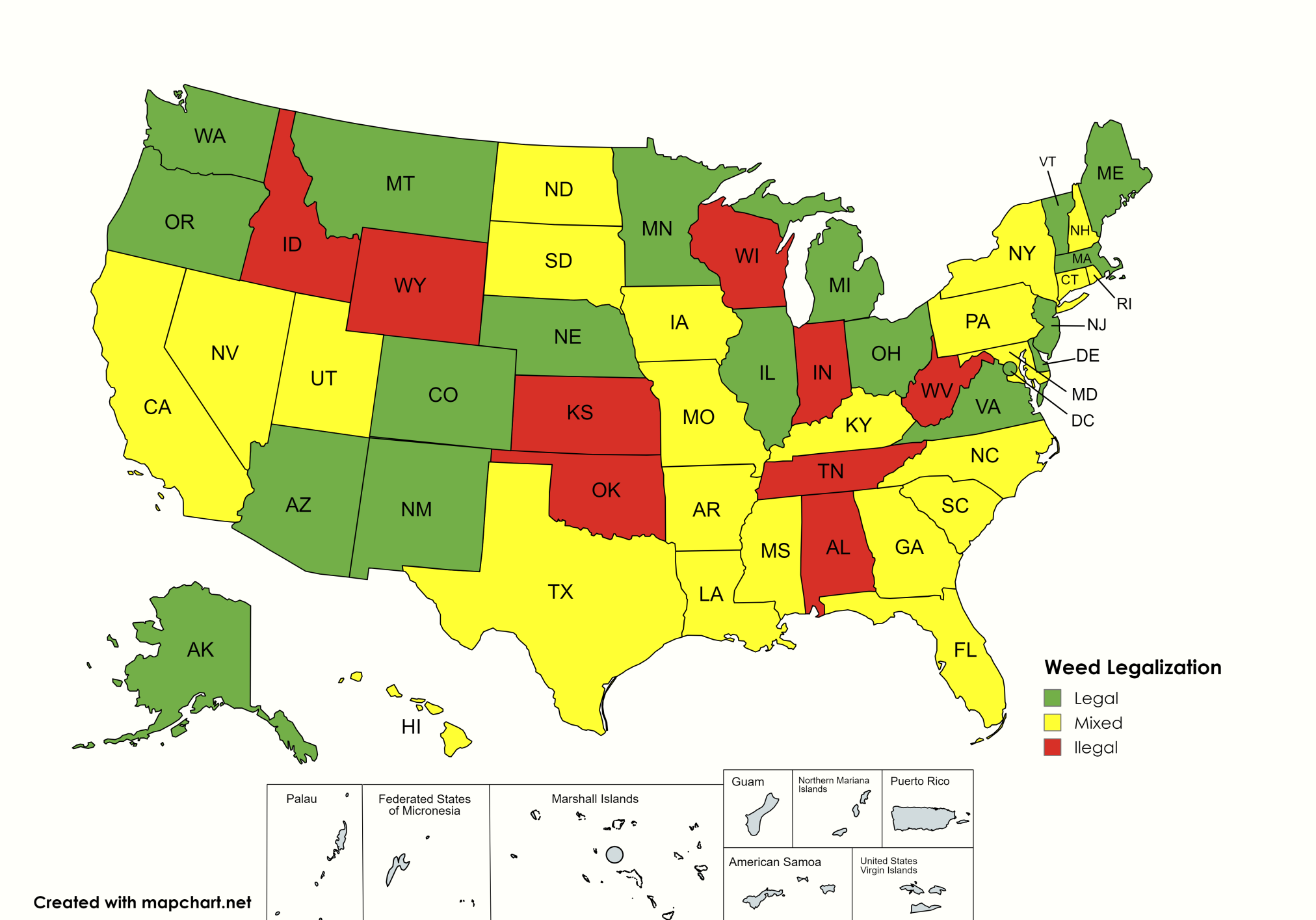
For those who are medical marijuana patients in their home states, it is crucial to understand that Texas does not offer reciprocity. This means an out-of-state medical marijuana card or prescription is not valid within Texas’s borders. Possessing cannabis products that are legal elsewhere but not compliant with TCUP’s low-THC limits and specific qualifying conditions can lead to arrest and prosecution. Even for TCUP-eligible products, the possession limits are tied to a Texas physician’s prescription, making it impossible for out-of-state visitors to legally carry or consume medical cannabis.
Airport security, managed by the Transportation Security Administration (TSA), follows federal guidelines. While the TSA’s primary focus is security threats, they are obligated to refer discoveries of illegal substances, including cannabis, to law enforcement. Therefore, flying into or out of Texas with any cannabis product, regardless of its legal status in your origin or destination state, carries inherent risks. For those traveling within Texas by car, state law enforcement agencies are generally aware of the nuances of TCUP but will enforce the state’s strict cannabis laws against anyone not covered by the program. The safest advice for medical marijuana patients visiting Texas is to leave their products at home.
Exploring Texas: What Visitors Need to Know
Beyond the legalities of possession, visitors to Texas should be aware of the general social and legal attitudes towards cannabis. Public consumption of any form of cannabis, including low-THC medical products, is strictly prohibited and can lead to legal penalties. This applies to public spaces like parks, streets, restaurants, and vehicles. While cities like Austin have adopted “cite and release” policies for minor marijuana possession offenses, this is not uniform across the state, and it typically pertains to small amounts of traditional marijuana, not necessarily low-THC products.
The distinction between hemp-derived CBD and TCUP-approved low-THC cannabis products is also important. Hemp-derived CBD products containing less than 0.3% Delta-9 THC are generally legal for sale and consumption in Texas due to federal legislation (the 2018 Farm Bill) that legalized industrial hemp. These products are widely available in stores across the state. However, it’s crucial not to confuse these with TCUP-approved medical cannabis, which, while also low-THC, is subject to specific medical regulations and higher THC thresholds (up to 0.5% Delta-9 THC). Visitors should exercise caution and ensure any product they purchase or consume complies with the 0.3% THC limit for general public consumption if they do not have a TCUP prescription.
When planning your itinerary, whether it’s a deep dive into the Dallas Arts District, an educational visit to Space Center Houston, or a scenic drive through the Hill Country, remember that the focus should remain on enjoying the state’s offerings within the confines of its specific legal framework. Being informed is your best defense against unintended legal complications.
Lifestyle and Accommodation Considerations in Texas
For both short-term visitors and those considering a more permanent stay in Texas, the state’s medical marijuana laws significantly shape lifestyle choices and accommodation options. The absence of a broad medical or recreational cannabis market means that the “cannabis-friendly” establishments found in other states simply do not exist here in the same capacity.
Choosing Your Stay: Hotels and Medical Marijuana Policies
When booking accommodations in Texas, travelers should operate under the assumption that virtually all hotels, resorts, and vacation rentals will have strict no-smoking policies, which often extend to vaping. Given the state’s limited medical marijuana program, it is highly unlikely that any mainstream hotel would openly permit or cater to medical cannabis use, even for TCUP patients. Even if a product is consumed in a non-smoking form (like an oil or edible), the hotel’s discretion and policies regarding controlled substances, regardless of state medical programs, will prevail. Guests found violating these policies risk fines, eviction, or even legal trouble depending on the nature of the violation.
For patients prescribed under TCUP, using their prescribed products discreetly within the privacy of their hotel room might be permissible if consumed without odor or smoke, but this would still be at the hotel’s discretion. The safest course of action is to check with the specific hotel’s policy if you are a TCUP patient. However, for out-of-state patients, carrying medical marijuana into a hotel room poses the same legal risks as public possession.
Self-catering accommodations booked through platforms like Airbnb or VRBO may offer slightly more flexibility, but this would depend entirely on the individual host’s rules. Most hosts will explicitly state a no-smoking policy, and it’s rare to find a property in Texas that advertises as cannabis-friendly for anything beyond hemp-derived CBD products. Discretion and adherence to house rules are paramount to ensure a pleasant and legal stay.

Wellness Travel and the Future of Cannabis in Texas Tourism
The current state of medical marijuana laws in Texas significantly limits the emergence of cannabis-focused wellness travel or tourism, a growing sector in states with more liberal cannabis policies. Destinations known for medical or recreational cannabis often see a rise in spas, retreats, and specialized tours catering to cannabis enthusiasts seeking therapeutic benefits or unique experiences. In Texas, this remains largely unexplored territory due to the strict legal framework.
However, the conversation around cannabis reform in Texas is ongoing. Each legislative session brings new debates and proposals to expand the TCUP, increase THC limits, or even consider broader decriminalization or recreational legalization. Should Texas eventually ease its restrictions, it could unlock significant potential for medical and wellness tourism, particularly given the state’s diverse attractions and established tourism infrastructure. Imagine wellness retreats in the serene Hill Country incorporating low-THC cannabis therapies, or specialized guides for patients visiting the Texas Medical Center in Houston.
For now, the focus for wellness travelers in Texas remains on its traditional strengths: nature excursions to places like Big Bend National Park, cultural experiences in the Museum District of Houston or exploring Zilker Park and Lady Bird Lake in Austin, and culinary adventures across its major cities like Fort Worth. The possibility of integrating cannabis into these experiences, beyond hemp-derived CBD, hinges on future legislative changes.
In conclusion, while medical marijuana is technically legal in Texas in 2024, it exists within an exceptionally narrow and restrictive program. For travelers, this means exercising extreme caution, understanding that out-of-state medical cards are not recognized, and generally avoiding bringing any cannabis products into the state. For residents, access is limited to a small number of qualifying conditions and low-THC products. As Texas continues to evolve, so too might its cannabis laws, potentially opening new avenues for medical access and tourism in the future. Until then, respect for current laws is paramount for anyone navigating the vast and beautiful Lone Star State.
LifeOutOfTheBox is a participant in the Amazon Services LLC Associates Program, an affiliate advertising program designed to provide a means for sites to earn advertising fees by advertising and linking to Amazon.com. Amazon, the Amazon logo, AmazonSupply, and the AmazonSupply logo are trademarks of Amazon.com, Inc. or its affiliates. As an Amazon Associate we earn affiliate commissions from qualifying purchases.