
The question of whether Texas is larger than England is one that often sparks curiosity, particularly among those who are unfamiliar with the vastness of the Lone Star State. While both are significant entities, one being a state within the United States and the other a country in Europe, a direct comparison reveals a striking difference in scale. This exploration delves into the geographical dimensions of both Texas and England, examining what these figures mean in practical terms, and how this disparity influences travel experiences and the perception of their respective landscapes and attractions.

The Unfolding Geography: A Tale of Two Sizes
To definitively answer the question, we must first establish the geographical boundaries and land areas of both Texas and England. This quantitative analysis provides the foundational understanding upon which further comparisons can be built.
Measuring the Might of Texas
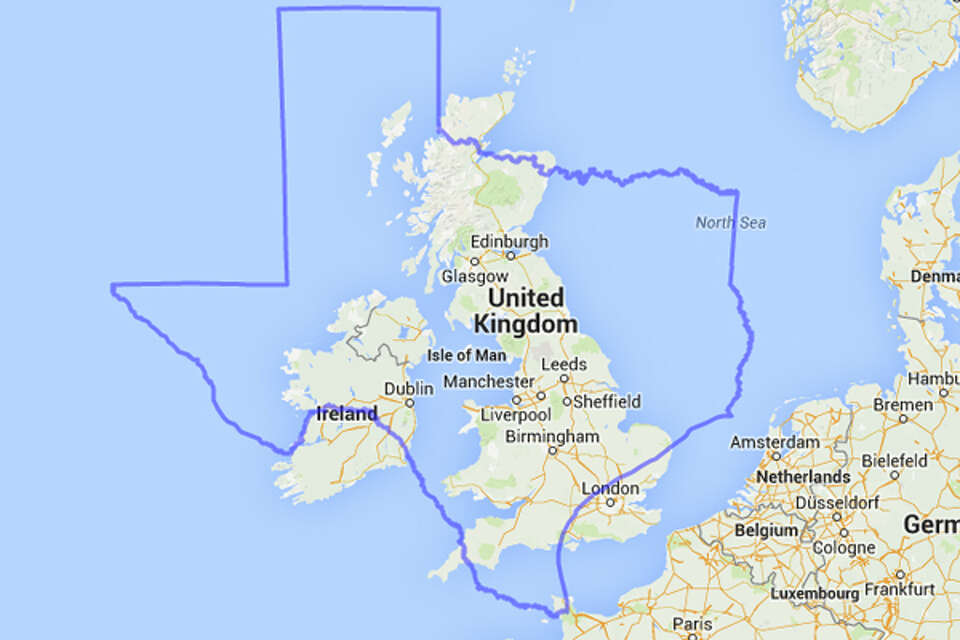
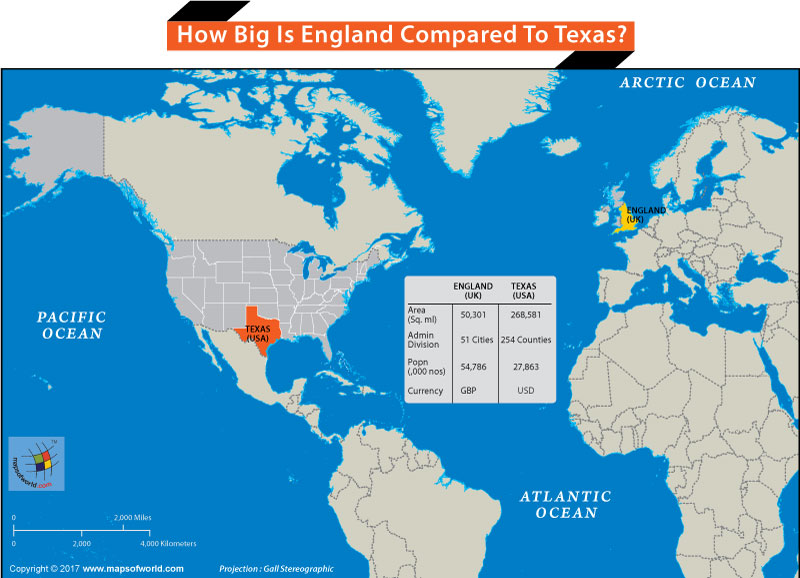
Texas is renowned for its sheer immensity. Covering an area of approximately 268,596 square miles (695,662 square kilometers), it stands as the second-largest state in the United States by area, surpassed only by Alaska. This vast expanse encompasses a diverse range of terrains, from the piney woods of East Texas to the arid deserts of West Texas, and the sprawling coastline along the Gulf of Mexico. The distance between its furthest points can take days to traverse by car, highlighting the state’s internal scale. For instance, driving from El Paso in the west to Beaumont in the east is a journey of over 900 miles, a distance that dwarfs many national road trips in smaller countries. This vastness is not merely a number; it translates into a multitude of distinct regions, each with its own unique character, climate, and attractions, offering a wide array of experiences for any traveler venturing through its borders. The sheer size contributes to Texas being a destination that requires significant planning and time to fully appreciate.
The Compact Charm of England
In stark contrast, England is a much smaller entity. As one of the constituent countries of the United Kingdom, its total area is approximately 50,300 square miles (130,395 square kilometers). This figure, while substantial in a European context, is significantly less than that of Texas. The compact nature of England means that journeys between its major cities and attractions are generally much shorter. For example, traveling from the bustling metropolis of London to the historic city of Edinburgh (though Edinburgh is in Scotland, a different constituent country) would take a comparable amount of time to traverse a significant portion of Texas. The relative ease of travel within England contributes to a different style of exploration, where multiple cities and landscapes can be experienced within a single trip without extensive travel days. Despite its smaller size, England boasts an incredibly rich tapestry of history, culture, and natural beauty, packed densely into its borders.
Implications for Exploration and Experience
The substantial difference in the land area of Texas and England has profound implications for how one experiences each destination, impacting travel planning, the variety of attractions available, and the overall pace of exploration.
Navigating the Vastness of Texas
The sheer scale of Texas dictates a travel approach that prioritizes depth over breadth in a single visit. To truly experience its diverse regions, one might need to focus on a specific part of the state, such as the vibrant culture of Austin and the surrounding Hill Country, the historical significance of San Antonio, or the coastal allure of Galveston. Attempting to cover the entire state in a short period would be an exercise in driving rather than experiencing. This means that a trip to Texas can be a multi-faceted adventure, with different visits potentially focusing on distinct themes or geographical areas. For example, a traveler might dedicate one trip to exploring the rugged beauty of Big Bend National Park and West Texas, and another to delving into the urban energy of Dallas and Fort Worth. The vast distances also mean that domestic flights within Texas are often a practical consideration for covering ground efficiently, adding another layer to the logistics of travel. This characteristic makes Texas a destination that rewards the dedicated explorer willing to invest time and effort in understanding its many facets.
The Concentrated Treasures of England
England, conversely, offers a travel experience characterized by accessibility and variety within a more manageable scope. Its well-developed transportation network, including extensive train lines and motorways, makes it remarkably easy to move between its charming villages, historic cities, and varied landscapes. A traveler can, for instance, enjoy a day exploring the ancient Roman Baths in Bath, witness the literary heritage of Stratford-upon-Avon, and experience the cultural vibrancy of Manchester within a single week, all without feeling rushed by excessive travel times. This concentration of attractions means that a comprehensive understanding of England’s cultural and historical narrative can be built within a relatively shorter timeframe compared to what would be required for Texas. The density of historical sites, from medieval castles like Warwick Castle to prehistoric monuments such as Stonehenge, means that every region offers a wealth of discoveries. This accessibility fosters a sense of immersion, allowing visitors to readily connect with the diverse offerings that have shaped England’s identity throughout history.
A Comparative Look at Attractions and Culture
Beyond mere square mileage, the differences in size and population density also shape the nature of attractions and the cultural experiences offered by Texas and England.
The Expansive Canvas of Texas Culture
The culture of Texas is as diverse as its landscape, influenced by its history as a republic, its frontier spirit, and its significant Hispanic heritage. In Texas, attractions often emphasize outdoor activities and wide-open spaces. Think of the vast ranches, the expansive national parks like Big Bend, and the long stretches of coastline. The state’s music scene, particularly in cities like Austin, is world-renowned, offering countless venues for live performances. Food is another cornerstone of Texas culture, with barbecue and Tex-Mex cuisine holding iconic status. The scale of the state means that even within its culinary offerings, there are regional variations to discover. For example, the barbecue styles in East Texas differ from those in Central Texas. Museums and historical sites also abound, telling the story of the state’s unique past, from the Alamo in San Antonio to the historic State Capitol building in Austin. The sheer size allows for a broader spectrum of cultural expression, with many communities maintaining distinct traditions and identities across the state.
The Deeply Woven Tapestry of English Culture
England’s cultural landscape is characterized by a long and storied history, evident in its abundant historical sites and traditions. From the ancient Roman ruins and the impressive architecture of the Victorians to the charming thatched-roof cottages and medieval castles, historical landmarks are a defining feature. Major cities like London are hubs of world-class museums, theaters, and galleries, offering an incredible density of cultural experiences. The literary heritage is unparalleled, with connections to Shakespeare, the Brontë sisters, and countless other literary giants. Food in England has also undergone a significant renaissance, moving beyond traditional fare to embrace a diverse and innovative culinary scene, from gastropubs to Michelin-starred restaurants. The compact nature of the country allows for easy exploration of distinct regional identities, such as the distinct accents and traditions of the North of England compared to the South. The ease of travel facilitates a deeper appreciation for the intricate layers of history and culture that have shaped the nation over centuries, offering a rich and immersive experience for any visitor.
Conclusion: Size Matters, but So Does What You Do With It
Ultimately, the answer to “Is Texas bigger than England?” is a resounding yes. Texas is undeniably larger in terms of land area, a fact that profoundly influences the travel experience. This difference in scale dictates the pace of exploration, the type of attractions one might encounter, and the logistical considerations involved in visiting.
Texas offers a journey through vast landscapes, a mosaic of distinct regions, and a culture deeply tied to its expansive frontier. It is a destination that invites a deep dive, a commitment to understanding its varied terrains and unique spirit. The attractions here often leverage the sheer openness, from rodeos and vast national parks to sprawling cities.
England, while smaller, compensates with an incredible density of history, culture, and diverse attractions within a more accessible framework. Its appeal lies in the richness and variety packed into a compact space, allowing for a comprehensive experience of its historical tapestry and vibrant contemporary life through relatively shorter journeys.
Both Texas and England offer unparalleled travel experiences, each defined by its own unique characteristics. Whether one is drawn to the grand scale and diverse geographies of Texas or the concentrated historical depth and cultural richness of England, both destinations promise unforgettable journeys that cater to different travel desires and exploration styles. The true measure of a destination, beyond its size, is the quality and depth of the experiences it offers.
LifeOutOfTheBox is a participant in the Amazon Services LLC Associates Program, an affiliate advertising program designed to provide a means for sites to earn advertising fees by advertising and linking to Amazon.com. Amazon, the Amazon logo, AmazonSupply, and the AmazonSupply logo are trademarks of Amazon.com, Inc. or its affiliates. As an Amazon Associate we earn affiliate commissions from qualifying purchases.