
The chilling cry of a chainsaw, the disturbing mask of human skin, and a remote, decrepit farmhouse – these indelible images from The Texas Chain Saw Massacre have haunted audiences for decades. Since its release in 1974, Tobe Hooper’s low-budget horror masterpiece has been a cornerstone of the genre, renowned not just for its visceral terror but for the infamous claim: “Based on a True Story.” For travelers seeking unique experiences and for those fascinated by the macabre intersections of fiction and reality, the question lingers: how much of this horrifying tale truly happened?

Beyond the scream-inducing moments, the film taps into a primal fear of the unknown, the isolation of rural landscapes, and the unsettling idea that true horror can emerge from the most unassuming corners of our world. This article delves into the genesis of this iconic film, separating myth from reality, exploring its real-life inspirations, and considering how such dark narratives influence our understanding of travel and landmarks.
The Chilling Premise and Enduring Legacy of The Texas Chain Saw Massacre
Released in an era where independent filmmaking was pushing boundaries, The Texas Chain Saw Massacre arrived as a raw, unflinching assault on the senses. Its marketing campaign heavily leaned into the “true story” claim, a tactic that undoubtedly amplified its impact and cemented its place in horror lore.
A Cinematic Shockwave: Setting the Scene
The year 1974 saw a relatively unknown director, Tobe Hooper, unleash a film that would redefine horror. Shot on a shoestring budget, the movie follows a group of young friends who, while on a road trip through rural Texas, stumble upon a family of cannibalistic murderers, including the iconic, chainsaw-wielding Leatherface. The film eschewed traditional gore for psychological terror, relying on implication, atmosphere, and unsettling sound design to create an experience that felt shockingly real. This sense of verisimilitude was greatly enhanced by the pervasive claim that the events depicted were actual occurrences.
The movie’s success wasn’t immediate, but its reputation grew by word of mouth, becoming a cult classic before entering the mainstream. It was banned in several countries due to its perceived brutality, yet this only fueled its mystique. Critics grappled with its intensity, some hailing it as a masterpiece of social commentary, others condemning it as exploitative. Regardless of opinion, its cultural footprint was undeniable, influencing countless horror films that followed and introducing Leatherface as one of cinema’s most terrifying villains. For those interested in film tourism or the history of cinema, exploring the roots and impact of such a groundbreaking work offers a unique perspective on American culture and the evolution of storytelling.
The Myth of the “True Story” Label
The phrase “Based on a True Story” is a powerful marketing tool, especially in the horror genre. It triggers a deep-seated fear that the horrors on screen could, in fact, manifest in real life. In the case of The Texas Chain Saw Massacre, this claim was largely a marketing ploy. While the events of the film — a specific family of cannibals hunting down teenagers with a chainsaw — never happened, the film was indeed inspired by real-life crimes and individuals.
The inspiration was not a family of chainsaw murderers in Texas, but rather a solitary figure from Wisconsin: Ed Gein, often referred to as the “Plainfield Ghoul.” This distinction is crucial. The film took elements of Gein’s macabre life and exaggerated them, transposing them onto a new narrative and a different geographical setting. So, while the “true story” claim was a powerful hook, it was more a nod to a general sense of unease and a specific, infamous case rather than a literal recounting of events. Understanding this distinction is vital for anyone delving into the film’s background, offering a lesson in how real-life horrors can be transmuted into compelling, if exaggerated, fictional narratives that captivate travelers interested in the darker aspects of local culture and history.
Ed Gein: The Ghastly Reality Behind the Fiction
To truly understand the “true story” behind The Texas Chain Saw Massacre, one must journey back to the quiet, rural town of Plainfield, Wisconsin, and confront the horrifying reality of Ed Gein. His crimes, though far less gory than the cinematic depiction, were arguably more unsettling in their psychological depravity.
Plainfield’s Macabre Secret: Who Was Ed Gein?
Edward Theodore Gein lived an isolated life on his farm in Plainfield, a small farming community in Wisconsin. Born in 1906, Gein’s upbringing was dominated by his domineering, religiously fanatical mother, Augusta, who instilled in him a deep-seated fear of women and sex. After her death in 1945, Gein became even more reclusive. It was in the years following his mother’s passing that his macabre activities began.
Gein was eventually implicated in the murders of two women: Mary Hogan in 1954 and Bernice Worden in 1957. However, when authorities searched his farm, they uncovered a house of horrors far beyond simple murder. They found human remains, not just from his two confirmed victims, but also from grave robbing. Gein had exhumed bodies from local cemeteries and fashioned household items, clothing, and even furniture from their bones and skin. His grim inventory included bowls made from skulls, chairs upholstered with human skin, and masks crafted from faces. He created a “woman suit” from human skin, aspiring to transform into his deceased mother.
His crimes were not about cannibalism or a family of killers; they were about a solitary man’s descent into a deeply disturbed obsession with death, desecration, and a twisted attempt to “recreate” his mother. The sheer psychological horror of Gein’s actions sent shockwaves across the United States, leaving a permanent scar on the psyche of Plainfield and challenging the idyllic perception of rural American life. For those interested in history and the darker facets of human psychology, the story of Ed Gein serves as a chilling case study, revealing how seemingly ordinary places can harbor unimaginable secrets.
From Wisconsin Farmland to Texas Horrors: Gein’s Influence on Popular Culture
The revelations from Gein’s farm horrified the nation and quickly captured the attention of writers and filmmakers. His story became a fertile ground for exploring themes of madness, isolation, and the grotesque. Robert Bloch‘s 1959 novel Psycho and Alfred Hitchcock‘s subsequent 1960 film adaptation, Psycho, were the first prominent works to draw heavily from Gein’s case. While Norman Bates’s taxidermy and mother fixation echoed Gein’s morbid fixations, the story was again fictionalized and relocated.
Years later, Tobe Hooper and co-writer Kim Henkel would be inspired by Gein’s story when crafting The Texas Chain Saw Massacre. They didn’t aim for a literal adaptation but rather extracted key elements that contributed to the film’s raw, terrifying realism:
- The Isolated Farmhouse: Gein’s remote farm, filled with unspeakable horrors, provided the blueprint for the Sawyers’ dilapidated, terrifying home. This sense of rural isolation and decay is a powerful visual for any traveler who has ventured off the beaten path into forgotten corners.
- The Human Skin Masks: Gein’s creation of items from human skin directly inspired the film’s villain, Leatherface, who wears masks made from his victims’ faces. This detail is perhaps the most direct and visceral link between Gein and the film.
- The Macabre Furnishings: The grotesque decorations found in Gein’s home, fashioned from human remains, translated into the bone and sinew furniture that adorns the Sawyer family’s house, contributing to its profoundly disturbing atmosphere.
- The Perception of Madness: While Gein was a solitary figure, the film transformed his individual pathology into a terrifying family unit, amplifying the horror through the collective madness of an entire clan.

It’s clear that The Texas Chain Saw Massacre did not meticulously recreate Gein’s life or crimes. Instead, it distilled the essence of his psychological horror, his desecration of the human body, and the shock his discoveries caused, transplanting these elements into a heightened, more brutal narrative set in Texas. This creative transformation shows how real-world events, no matter how horrific, can be reimagined to create powerful cultural touchstones that continue to fascinate and horrify, becoming part of the broader tapestry of American folklore and tourism.
Exploring the Filming Locations and the “True” Texas Experience
For fans of The Texas Chain Saw Massacre, the landscape of Central Texas isn’t just a backdrop; it’s practically a character in itself. The very places where this cinematic nightmare unfolded have become points of interest for dark tourism enthusiasts and film buffs, offering a tangible connection to the film’s enduring legacy.
On Location: The Original Film’s Haunting Backdrop
While the film proclaims “the events depicted occurred in Texas,” the real-life inspirations stemmed from Wisconsin. However, the film itself was indeed shot in Texas, primarily in and around the small towns near Austin. The desolate, sun-baked landscape, with its dusty roads and isolated farmhouses, perfectly encapsulated the film’s unsettling atmosphere.
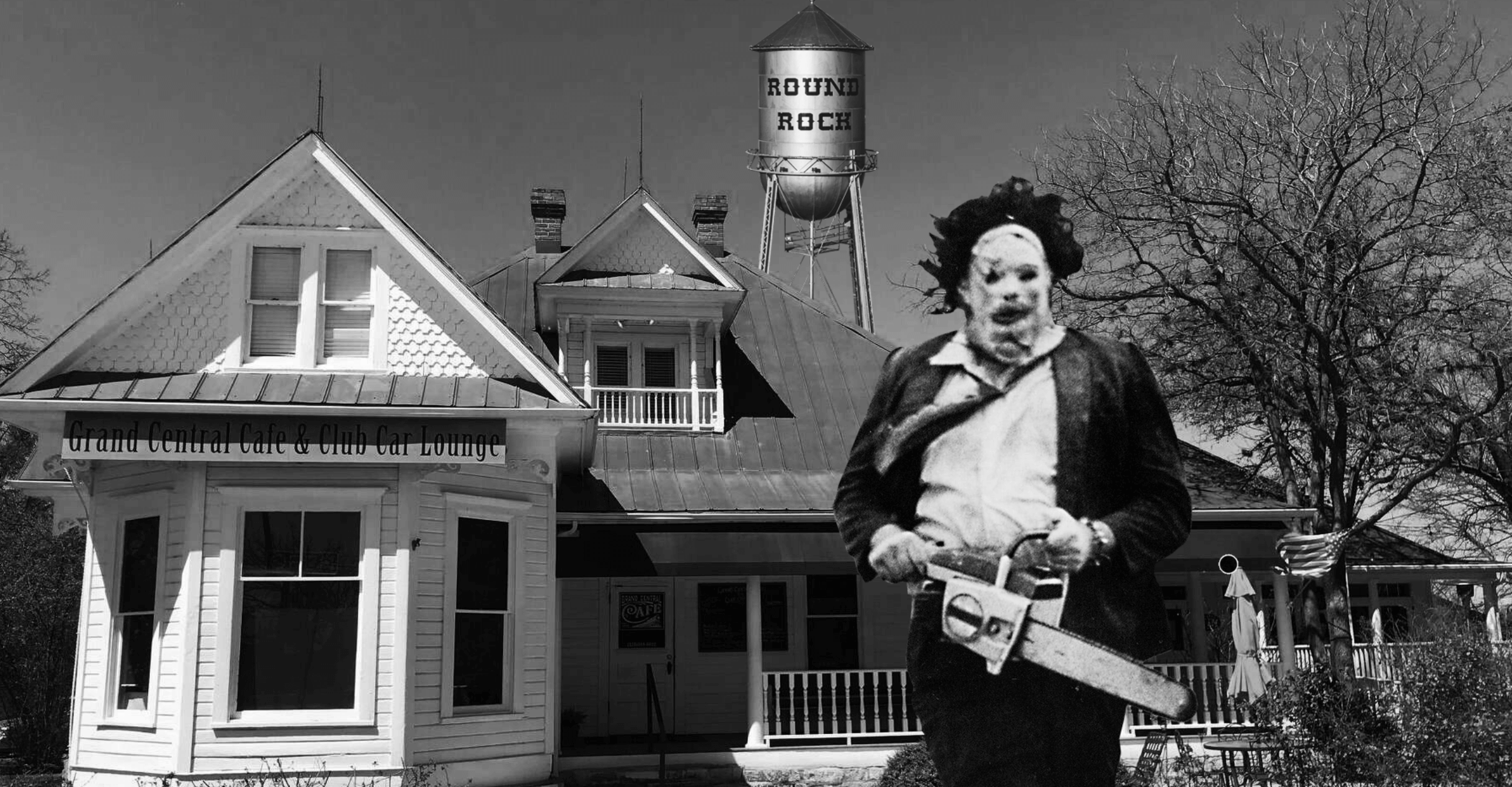
One of the most iconic landmarks from the film is the Sawyer family’s house. Originally located in Quick Hill in Granger, Texas, the house was a dilapidated Victorian farmhouse that perfectly suited the film’s aesthetic. After filming, the house was eventually disassembled and moved. Today, it stands proudly in Kingsland, Texas, on the grounds of the Antlers Inn. Transformed from a scene of cinematic horror into an upscale restaurant, The Grand Central Station Restaurant, it offers a fascinating example of how a notorious filming location can be repurposed. Guests can dine in the very rooms where terrifying scenes were shot, a unique blend of culinary tourism and film history. This transformation allows visitors to experience a piece of cinematic history in a completely unexpected and comfortable setting, proving that even the most frightening attractions can be reimagined for modern travelers.
Another significant filming location, and one that has embraced its macabre connection, is the Gas Station from the film’s opening sequence. The original site, located in Bastrop County, Texas, near the town of LaGrange, has been meticulously restored and reimagined as The Gas Station BBQ and General Store. This location now serves as a full-fledged tourist attraction where fans can enjoy Texas-style barbecue, buy film merchandise, and even stay in cabins on the property. It’s a prime example of how local businesses can leverage film history to create unique experiences and generate tourism, transforming a once-overlooked spot into a destination for horror enthusiasts.
The dusty roads and open fields around towns like Bastrop, Pflugerville, and Round Rock also served as crucial settings, contributing to the feeling of isolation and vulnerability experienced by the characters. For those on a road trip through Central Texas, a detour to these areas offers a tangible connection to the film’s gritty realism, allowing travelers to visualize the desolate landscapes that made the movie so terrifying. These sites, whether transformed into restaurants or embraced as quirky attractions, offer a compelling blend of history, culture, and a touch of the macabre, providing a unique lifestyle experience for visitors.
The Legacy of a Landmark: Where Fiction Meets Reality
The continued interest in these filming locations underscores the powerful impact The Texas Chain Saw Massacre has had on popular culture. These sites are not just abandoned movie sets; they are landmarks in their own right, drawing visitors from all over the globe. They represent a curious intersection where the grim fictional narrative intertwines with the tangible reality of the Texas landscape.
Visiting these places offers more than just a photo opportunity; it provides a deeper appreciation for the craft of filmmaking and the power of storytelling. It allows travelers to consider how a specific location can be imbued with meaning and memory, transforming from an ordinary farmhouse or gas station into an iconic symbol of terror. For fans, it’s a pilgrimage; for the curious, it’s an intriguing dive into American cinema history and its peculiar legacy on local tourism. These destinations offer a distinct kind of travel experience, catering to a niche audience that finds fascination in the darker corners of popular culture.
Dark Tourism and the Allure of the Macabre
The fascination with sites related to The Texas Chain Saw Massacre or the crimes of Ed Gein falls squarely within the phenomenon known as “dark tourism.” This niche area of travel involves visiting places historically associated with death, tragedy, or the macabre.
The Intersection of Horror and Travel
Dark tourism encompasses a wide range of attractions, from former concentration camps and battlefields to sites of natural disasters and, indeed, locations linked to famous crimes or horror films. For many, it’s not about glorifying violence but about understanding history, paying respects, or confronting the darker aspects of the human condition. The allure of visiting a place tied to a film like The Texas Chain Saw Massacre often stems from a combination of curiosity, a desire to experience a thrill, and an intellectual interest in the cultural impact of such narratives.
For example, the transformation of the Sawyer house into a restaurant or the Gas Station into a BBQ joint allows for a controlled, somewhat sanitized engagement with the horror. It transforms potentially grim landmarks into approachable tourist attractions, blending the macabre with everyday hospitality and culinary experiences. This type of tourism caters to a distinct lifestyle preference, where travelers are looking for something beyond the typical sunny beaches or bustling cityscapes. It’s an exploration of the shadows, a quest for experiences that provoke thought and emotion, even if those emotions are fear or unease.
Responsible Engagement with Disturbing Histories
While the interest in sites like those associated with The Texas Chain Saw Massacre is understandable, it also raises questions about responsible tourism. When visiting sites connected to real-life tragedy or crime, it’s important to approach them with respect and sensitivity. The goal should be understanding and reflection, not trivialization or sensationalism.
In the context of the film, while its inspiration from Ed Gein is acknowledged, the Texas filming locations are primarily cinematic landmarks. The focus here is more on film history and cultural impact rather than the direct exploitation of real victims’ suffering. The businesses that have emerged from these locations often strike a balance, catering to fans while also providing a service that integrates into the local economy.
For travelers interested in “dark tourism,” whether it’s the fictionalized horror of The Texas Chain Saw Massacre or the stark reality of places like Alcatraz, it’s an opportunity for deeper engagement with history, culture, and the human psyche. It prompts reflection on why certain stories resonate so deeply and how they continue to shape our perceptions of the world. Such experiences can be incredibly enriching, offering a unique perspective on destinations and the multifaceted stories they hold, reminding us that travel is not just about relaxation, but also about discovery and understanding, even when that understanding comes with a chill.
LifeOutOfTheBox is a participant in the Amazon Services LLC Associates Program, an affiliate advertising program designed to provide a means for sites to earn advertising fees by advertising and linking to Amazon.com. Amazon, the Amazon logo, AmazonSupply, and the AmazonSupply logo are trademarks of Amazon.com, Inc. or its affiliates. As an Amazon Associate we earn affiliate commissions from qualifying purchases.