
The vast and diverse expanse of Texas, affectionately known as the Lone Star State, captivates travelers with its unique blend of vibrant city life, rich historical narratives, and breathtaking natural landscapes. From the bustling metropolises of Dallas and Houston to the cultural heart of San Antonio and the musical soul of Austin, Texas offers an unparalleled array of experiences. Planning a trip to such a significant destination often involves meticulous attention to detail, from booking the perfect hotel suite in a thriving downtown area to exploring the best local eateries and ensuring seamless travel between iconic landmarks. Amidst these preparations, a question that frequently arises, and sometimes causes a flicker of confusion for prospective visitors, is: “Is Texas on Eastern Standard Time?”
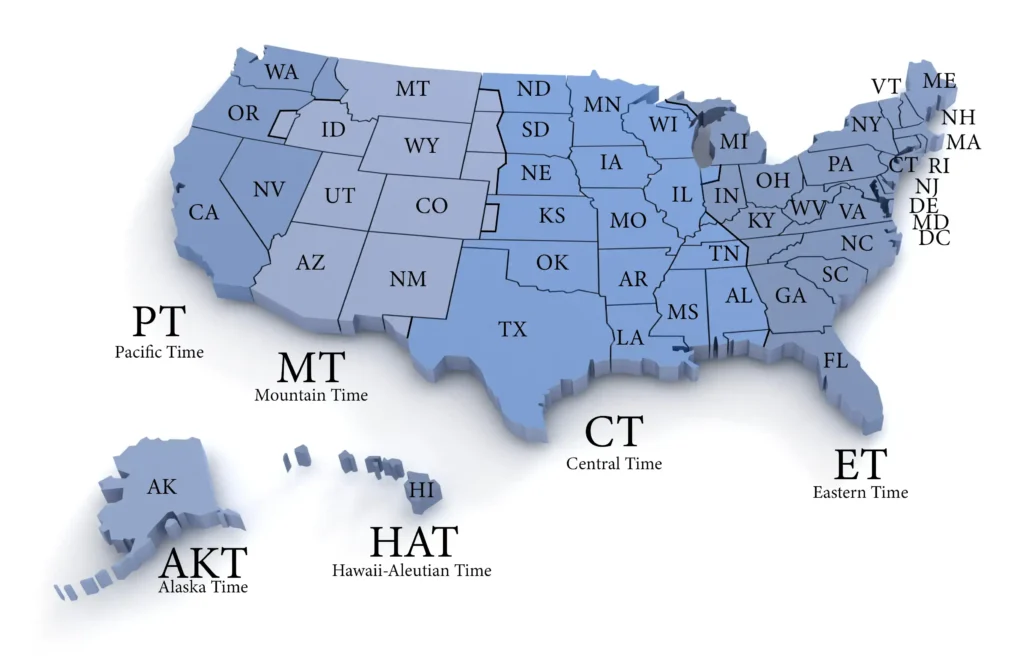
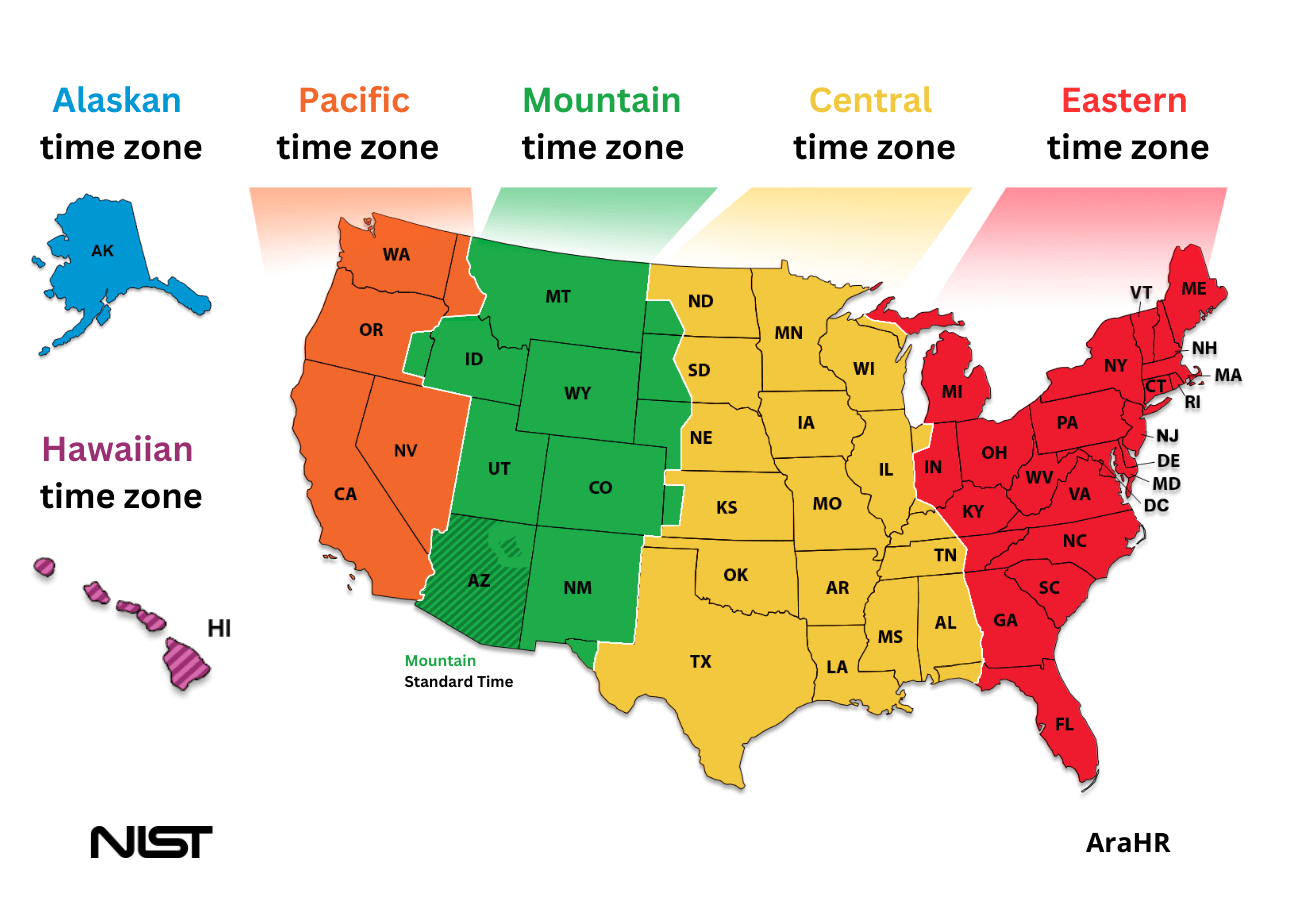
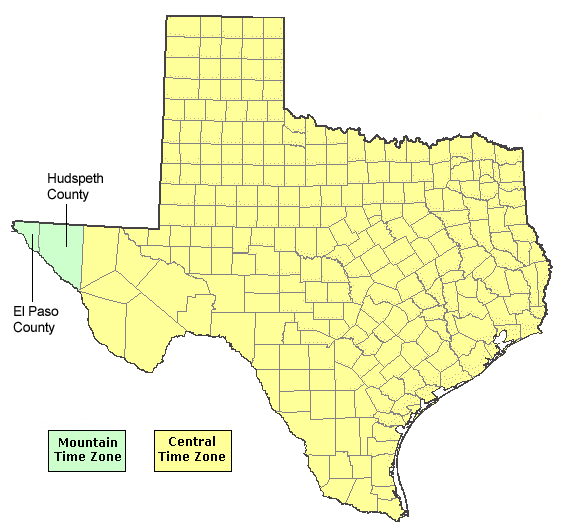
It’s a valid query, especially given the sheer size of the United States and its numerous time zones. However, for clarity and peace of mind for any traveler eager to explore the wonders of Texas, the straightforward answer is: No, the vast majority of Texas does not observe Eastern Standard Time. Instead, the state primarily operates on Central Standard Time (CST), which shifts to Central Daylight Time (CDT) during the warmer months, adhering to Daylight Saving Time conventions. There is, however, a small, yet notable, exception in the westernmost part of the state, where Mountain Standard Time (MST) is observed. Understanding these time zones is crucial for any successful travel itinerary, impacting everything from flight schedules and hotel check-ins to restaurant reservations and coordinating meet-ups for guided tours. This comprehensive guide will delve into the nuances of Texas’s time zones, clarify common misconceptions, and provide invaluable tips for navigating your adventure without missing a beat.
Unraveling the Time Zone Mystery in the Lone Star State
To truly appreciate the geographical scope and operational rhythm of Texas, understanding its time zones is foundational. The United States is divided into six standard time zones, including Eastern Standard Time, Central Standard Time, Mountain Standard Time, and Pacific Standard Time, among others. Texas, being the second-largest state by both area and population, naturally spans across more than one.
The Truth: Central Time Dominance
The overwhelming majority of Texas’s landmass and population centers fall squarely within the Central Time Zone. This includes all the major metropolitan areas that draw millions of visitors annually. If you’re planning a trip to immerse yourself in the vibrant arts scene of Austin, explore the historical marvels of San Antonio, experience the high-energy urban pulse of Dallas and Fort Worth, or delve into the aerospace innovations at Space Center Houston, you will be operating on Central Time.
This means that during the standard winter months, Texas is UTC-6 hours. When Daylight Saving Time commences, usually in March, clocks spring forward by one hour, placing the state on Central Daylight Time (CDT), which is UTC-5 hours. This adherence to Daylight Saving Time is consistent across most of the United States and is an important factor to consider when planning activities and ensuring you arrive promptly for any scheduled bookings or events. Knowing that the heart of Texas runs on Central Time simplifies much of the travel planning, allowing you to align your schedules with confidence.
A Slice of Mountain Time: El Paso’s Unique Position
While Central Time governs most of the state, Texas does have a small, yet significant, exception in its westernmost region. The city of El Paso and the surrounding Hudspeth County operate on Mountain Standard Time (MST). This places El Paso one hour behind the rest of Texas. During Daylight Saving Time, it switches to Mountain Daylight Time (MDT).
This geographical alignment is due to El Paso’s proximity to the New Mexico border and its strong ties to the western United States and the Chihuahuan Desert region. For travelers embarking on a cross-state journey, perhaps driving from Dallas to explore the majestic Big Bend National Park or the towering peaks of Guadalupe Mountains National Park before reaching El Paso, this time zone shift is a critical detail. Missing a flight, a hotel check-in, or a pre-booked excursion by an hour due to a time zone oversight can be a frustrating experience. Always double-check the local time when making arrangements, especially for destinations near state borders or within the Mountain Time Zone part of Texas.
Why the Confusion? Understanding Time Zones for Travelers
The persistence of the “Is Texas Eastern Standard Time?” question is not without reason. For many, navigating the intricacies of time zones across a large country like the United States can be daunting. Especially for international travelers or those from states primarily on Eastern Time, there can be a general perception that larger or more populous states might naturally fall into that zone.
Eastern Standard Time Misconceptions
One common reason for the mix-up is simply the sheer number of major United States cities, including New York City, Miami, and Washington D.C., that operate on Eastern Time. These cities often dominate national news cycles and global business discussions, leading to a subconscious association of “American time” with Eastern Standard Time. Furthermore, for travelers originating from regions far east of the United States, the time difference might feel less pronounced when considering Eastern Time versus Central Time, perhaps leading to an initial assumption.
Another factor might be the slight overlap in a traveler’s mind between Texas’s significant eastern border with states like Louisiana, which is also in the Central Time Zone, and the broader Eastern Seaboard. However, Texas is firmly situated geographically in the central-southern part of the United States, making Central Time its logical primary designation.
Practical Implications for Your Texas Trip
Regardless of how the misconception arises, the practical implications for travelers are significant. A miscalculation of time can lead to a cascade of inconveniences, from a missed flight connection at Dallas/Fort Worth International Airport (DFW) or George Bush Intercontinental Airport (IAH) to showing up an hour late for a coveted reservation at a popular Austin eatery, or worse, missing the departure time for a scenic cruise along San Antonio’s River Walk.
For those planning to explore local culture and engage in activities, understanding the correct time zone is paramount. Whether you’re attending a live music show in Austin, visiting historical sites like The Alamo, or embarking on an outdoor adventure in a state park, aligning with local time ensures you maximize your travel experiences. It affects everything from when attractions open and close to the timing of public transport and the local pace of life.
Navigating Texas: Time Zones and Top Destinations
To ensure a smooth and enjoyable trip, let’s explore how Texas’s time zones align with its most beloved travel destinations.
Central Time Zone Hotspots: Dallas, Houston, Austin, San Antonio
The heart of Texas’s tourism beats strongest in its Central Time Zone cities.
- Dallas and Fort Worth: These sister cities offer a dynamic blend of cosmopolitan charm and authentic Western heritage. In Dallas, you can delve into history at the Sixth Floor Museum at Dealey Plaza, explore world-class art museums, or enjoy luxury shopping. Fort Worth transports you back to the Old West with its historic Stockyards and daily cattle drives. Both cities thrive on Central Time, making coordination simple for visitors arriving at Dallas/Fort Worth International Airport.
- Houston: As the largest city in Texas, Houston is a hub for space exploration, diverse culinary scenes, and a burgeoning arts district. A visit to Space Center Houston is a must, and its operating hours are firmly set in Central Time. Travelers flying into George Bush Intercontinental Airport will immediately synchronize with the local schedule.
- Austin: The state capital and self-proclaimed “Live Music Capital of the World,” Austin pulsates with creative energy, outdoor activities, and a famously eclectic food truck scene. From exploring the University of Texas at Austin campus to paddleboarding on Lady Bird Lake, all activities here are on Central Time. Austin-Bergstrom International Airport welcomes guests directly into this time zone.
- San Antonio: Steeped in history and Spanish colonial charm, San Antonio offers iconic sights like The Alamo and the picturesque River Walk. Its rich heritage and vibrant culture are best experienced by adhering to its Central Time Zone schedule.
- Coastal Cities: Destinations like Galveston and Corpus Christi, offering stunning beaches and Gulf Coast attractions, along with the popular South Padre Island further south, also observe Central Time, providing a consistent time framework for beach vacations and watersports.
Exploring El Paso and the Mountain Time Zone
For those venturing to the far western reaches of Texas, the time zone changes.
- El Paso: Nestled against the Rio Grande and bordering Mexico and New Mexico, El Paso offers a unique cultural fusion, desert landscapes, and incredible hiking opportunities in Franklin Mountains State Park. All activities and accommodations in El Paso will be governed by Mountain Time, which is one hour behind Central Time.
- West Texas National Parks: If your itinerary includes exploring the majestic wilderness of Big Bend National Park or scaling Guadalupe Peak in Guadalupe Mountains National Park, it’s important to note that while the parks themselves often technically span counties, the general understanding and local operations within these vast, remote areas often align with the nearest population centers. For instance, areas directly adjacent to El Paso might operate on Mountain Time, while other parts of Big Bend might observe Central Time. Always confirm with the National Parks Service or local ranger stations for specific park timing. This is particularly crucial for guided tours, back-country permits, or timed entry systems.
Mastering Your Schedule: Tips for a Seamless Texas Adventure
A well-planned trip is a joy, and knowing your time zones is a key ingredient. Here are some actionable tips to ensure your Texas adventure flows effortlessly.
Planning Flights and Accommodations
- Double-Check Flight Times: When booking flights into or out of Texas, especially if you have connecting flights within the United States, always confirm the time zone for each leg of your journey. Major airline booking systems typically show times in local time, but a quick confirmation can prevent costly mistakes.
- Hotel Check-in and Check-out: Whether you’re staying in a luxury resort in Austin, a boutique hotel in San Antonio, or a charming guesthouse in Galveston, their check-in and check-out times will be in the local time zone. When reserving, factor in your arrival time based on the correct zone to avoid early arrival fees or missed check-in windows, especially if traveling long distances.
- Pre-booking Activities: Many popular attractions, guided tours, and restaurant reservations can be booked online in advance. Ensure that the times you select correspond to the local time zone of that specific city. For example, a morning tour of The Alamo in San Antonio will be on Central Time.
Synchronizing with Local Activities and Attractions
- Use Your Smartphone Wisely: Most modern smartphones automatically adjust to the local time zone when you arrive. Ensure your phone’s time zone settings are set to automatic. This can be your most reliable tool for staying on schedule.
- Keep an Analog Watch: For added assurance, some travelers prefer to wear a simple analog watch set to their home time zone and refer to their phone for local time. This provides an immediate reference for communication with friends and family back home.
- Confirm Opening Hours: Before heading out to a museum, a theme park, or a specific restaurant, always cross-reference their official website for current operating hours, which will always be displayed in their local time. This is especially important for smaller, independent businesses whose hours might vary.
- Driving Across Time Zones: If you’re on a road trip that takes you from, say, Houston to El Paso, remember that you will gain an hour when entering the Mountain Time Zone. Plan your meal stops, fuel-ups, and overnight stays accordingly, taking advantage of that extra hour or being mindful of losing one if heading eastward.
Embracing the Local Rhythm
Beyond strict scheduling, understanding the local time zone helps you immerse yourself more fully in the Texas lifestyle. People generally wake, eat, and engage in leisure activities according to their local time. Being in sync allows you to naturally adapt to the local pace, whether that means enjoying a leisurely brunch in Austin or catching an early morning hike in the mountains near El Paso.
From luxury travel to budget-conscious family trips, managing time zones is a foundational aspect of stress-free travel. It allows you to focus on the truly enriching aspects of your journey: savoring the local cuisine, exploring historical sites, connecting with the culture, and making unforgettable memories.
In conclusion, while the question “Is Texas Eastern Standard Time?” might cause a moment’s pause, the answer is clear: the vast majority of the Lone Star State proudly operates on Central Time, with a small, but significant, western portion observing Mountain Time. By understanding these distinctions and applying a few simple planning tips, your Texas adventure will be as seamless and memorable as the state itself. So, set your watches, synchronize your plans, and prepare to experience the unparalleled hospitality and diverse attractions that await you in the heart of the United States.
LifeOutOfTheBox is a participant in the Amazon Services LLC Associates Program, an affiliate advertising program designed to provide a means for sites to earn advertising fees by advertising and linking to Amazon.com. Amazon, the Amazon logo, AmazonSupply, and the AmazonSupply logo are trademarks of Amazon.com, Inc. or its affiliates. As an Amazon Associate we earn affiliate commissions from qualifying purchases.