
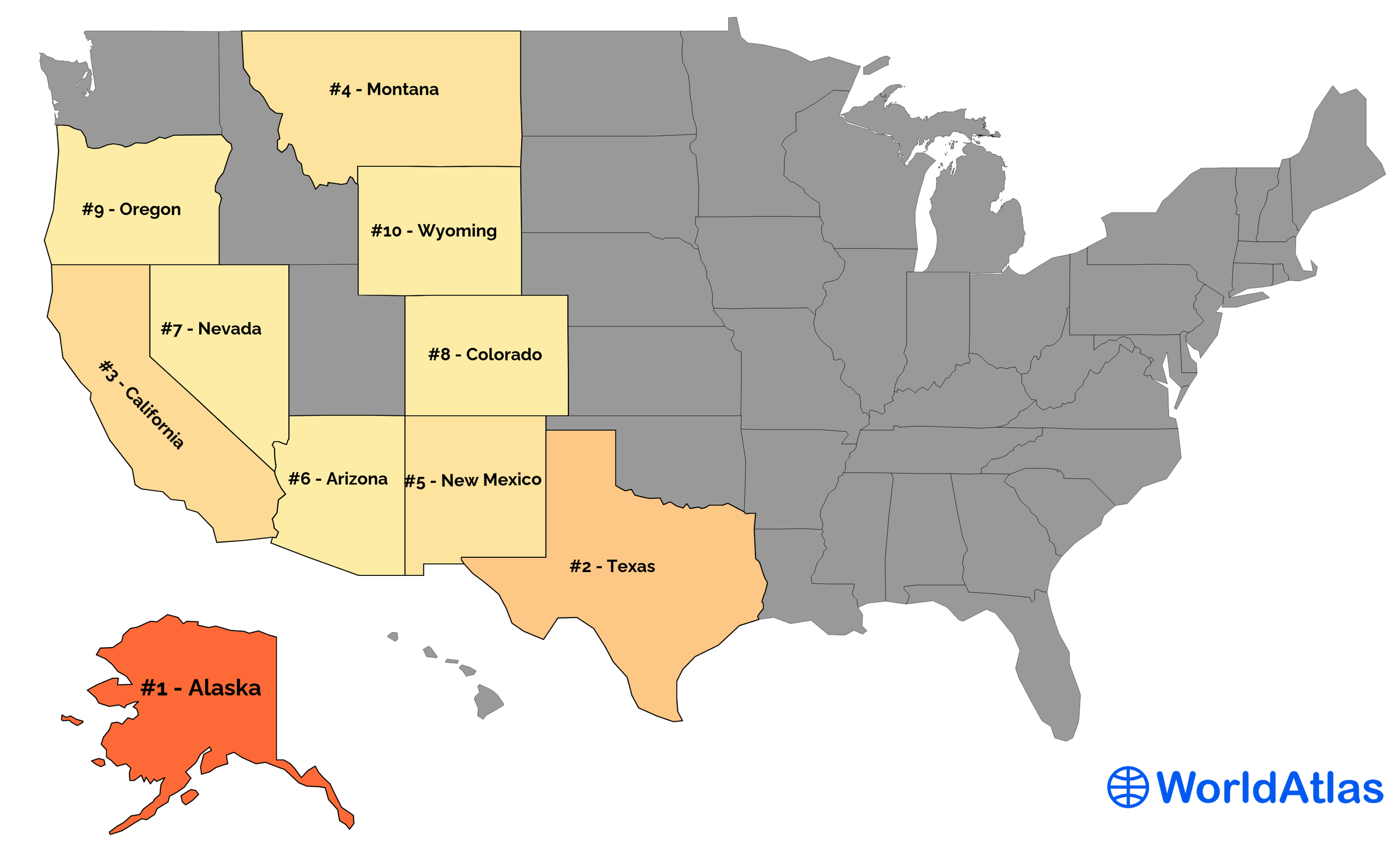
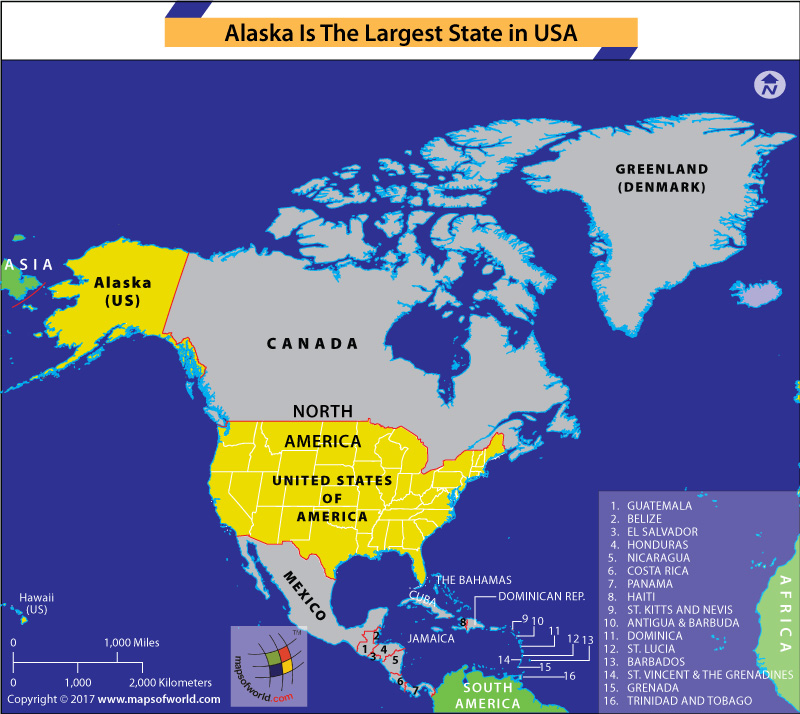
The question of which state holds the title of “largest in the United States” often sparks a lively debate, especially among those with a deep affection for the vast landscapes and grand scale of the Lone Star State. While Texas certainly leaves an impression of monumental proportions on anyone who travels its immense expanse, the answer to whether it is the largest state by area is a definitive “no.” That distinction belongs to Alaska, a truly colossal landmass that dwarfs every other state in the nation.
However, the fact that Texas isn’t number one by square mileage doesn’t diminish its incredible size or the staggering diversity of experiences it offers travelers. It remains the second-largest state by area and the second-most populous, a testament to its compelling blend of culture, history, natural beauty, and modern innovation. For anyone planning a trip, considering accommodation, or seeking unique lifestyle experiences, Texas presents an unparalleled journey. This article will delve into the true scale of Texas, explore its incredible travel destinations and landmarks, discuss the myriad of accommodation options, and touch upon the diverse tourism and lifestyle opportunities that make it a must-visit.

Texas: A State of Immense Proportions (Even if Not the Largest)
Despite not holding the top spot, Texas’s size is still a marvel. Covering approximately 268,596 square miles (695,662 square kilometers), it is almost twice the size of Germany and larger than France. To put it into perspective, one could fit nearly ten states the size of South Carolina within its borders. This sheer scale translates directly into an extraordinary variety of climates, geographies, and local cultures, each offering distinct travel experiences.
The True Giant: Alaska
It’s important to clarify the geographic reality: Alaska is the indisputable largest state, encompassing a colossal 665,384 square miles (1,723,337 square kilometers). This means Alaska is more than twice the size of Texas. Its vastness includes expansive wilderness, towering mountain ranges like Denali, extensive coastlines, and unique Arctic and sub-Arctic ecosystems. While both states offer incredible natural beauty and adventurous travel, their geographic characters are distinct, reflecting their positions on the globe. Alaska’s allure lies in its pristine, untamed wilderness, whereas Texas captivates with its blend of rugged landscapes, bustling metropolises, and rich historical tapestry.
Why Texas Feels So Big: Geographic Diversity
The feeling of immense scale in Texas isn’t just a perception; it’s a reality driven by its incredible geographic diversity. Bordered by Mexico to the south, and by the states of New Mexico, Oklahoma, Arkansas, and Louisiana, its landscapes range from coastal plains along the Gulf of Mexico to towering mountains in the west, rolling prairies, dense forests, and high deserts. This topographical spectrum means that within a single state, travelers can experience everything from humid subtropical beaches to arid canyons and piney woods.
For example, the arid beauty of Big Bend National Park in West Texas offers a completely different experience from the lush, green forests of the Big Thicket National Preserve in East Texas. The vibrant music scene of Austin contrasts sharply with the historic charm of San Antonio, while the modern skylines of Dallas and Houston stand distinct from the rustic beauty of the Hill Country. This vastness necessitates careful planning for any traveler hoping to explore multiple regions, as driving distances can be considerable – often spanning hundreds of miles between major cities or attractions.
Unveiling Texas: Destinations and Attractions for Every Traveler
Texas’s immense size directly translates into a wealth of destinations and attractions, catering to virtually every interest, from history buffs and outdoor adventurers to foodies and art enthusiasts. Its major cities are cultural epicenters, while its natural landscapes provide endless opportunities for exploration and relaxation.
Vibrant Cities: Culture, Food, and Entertainment
The urban centers of Texas are dynamic hubs, each with its own distinct personality and a plethora of activities. They offer world-class hotels, diverse culinary scenes, and vibrant nightlife, making them ideal bases for exploring the state.
-
Houston: Space City and Culinary Hub
As the most populous city in Texas and the fourth largest in the United States, Houston is a global city known for its energy industry, diverse population, and significant contributions to space exploration. A visit to Space Center Houston, the official visitor center for NASA Johnson Space Center, is a must-do, offering interactive exhibits and a chance to see historic spacecraft. The city also boasts a thriving arts scene, with the Museum District home to numerous institutions like the Museum of Fine Arts and the Houston Museum of Natural Science. Houston’s culinary landscape is incredibly diverse, ranging from acclaimed fine dining to authentic ethnic eateries and, of course, classic Texas BBQ. For luxury accommodation, The Post Oak Hotel offers an unparalleled experience. -
Dallas: Urban Sophistication and Historical Depth
Dallas, part of the sprawling Dallas-Fort Worth metroplex, is a modern metropolis characterized by its impressive skyline, upscale shopping, and robust business sector. It’s a city of contrasts, where cowboy heritage meets contemporary art. The Sixth Floor Museum at Dealey Plaza offers a poignant look into the assassination of President John F. Kennedy. The Dallas Arts District is the largest contiguous urban arts district in the United States, featuring institutions like the Dallas Museum of Art and the Nasher Sculpture Center. For sports fans, Dallas is home to several professional teams. Food ranges from sophisticated global cuisine to hearty Texas BBQ and Tex-Mex. -
Austin: Live Music Capital and Quirky Charms
As the state capital, Austin is renowned for its vibrant live music scene, liberal culture, and outdoor lifestyle. The slogan “Keep Austin Weird” perfectly encapsulates its unique charm. Visitors can catch live performances on Sixth Street or the Red River Cultural District any night of the week. Outdoor enthusiasts will enjoy kayaking or paddleboarding on Lady Bird Lake, exploring hiking trails, or swimming in Barton Springs Pool. Don’t miss the nightly emergence of millions of bats from beneath the Congress Avenue Bridge. Accommodation ranges from trendy boutique hotels to luxury options like the Four Seasons Hotel Austin or the historic The Driskill Hotel. -
San Antonio: History and Hispanic Heritage
San Antonio is a city steeped in history and rich Hispanic culture, making it one of the most unique destinations in Texas. It’s home to The Alamo, a UNESCO World Heritage Site and an iconic symbol of Texan independence. The picturesque River Walk, a network of pedestrian pathways along the San Antonio River lined with shops, restaurants, and hotels, is a major draw. Beyond The Alamo, visitors can explore the four other Spanish colonial missions that form the San Antonio Missions National Historical Park. The city’s food scene is famous for its authentic Tex-Mex cuisine. For a resort experience, consider the JW Marriott San Antonio Hill Country Resort & Spa.
Natural Wonders: From Beaches to Mountains
Beyond its bustling cities, Texas offers an array of natural landmarks and outdoor activities. Its varied geography means a diverse range of natural beauty waiting to be explored.
- Big Bend National Park
Located in West Texas along the border with Mexico, Big Bend National Park is one of the most remote and spectacular national parks in the United States. It encompasses mountains, desert, and the Rio Grande river, offering dramatic landscapes for hiking, backpacking, river trips, and stargazing. Its vastness truly embodies the “Big Texas” feel.
-
Padre Island National Seashore
Stretching for 70 miles along the Gulf of Mexico near Corpus Christi, Padre Island National Seashore is the longest undeveloped barrier island in the world. It’s a haven for birdwatchers, campers, and beach lovers, protecting vital habitats for sea turtles and migratory birds. South Padre Island, at the southern tip of the barrier island, is a popular resort town known for its beaches and spring break festivities. -
Guadalupe Mountains National Park
Home to the four highest peaks in Texas, including Guadalupe Peak (8,751 feet), this park offers challenging hiking trails through diverse ecosystems, from desert lowlands to pine forests. It also features the world’s most extensive Permian fossil reef, exposed within the towering cliffs of the Guadalupe Mountains.
Other notable natural landmarks include Dinosaur Valley State Park with its ancient dinosaur footprints, Enchanted Rock State Natural Area, a massive pink granite dome popular for hiking and climbing, and the scenic beauty of the Texas Hill Country with its wineries, lakes like Canyon Lake, and quaint towns like Fredericksburg.
Accommodation and Lifestyle in the Lone Star State
Given its vastness and diverse appeal, Texas offers an incredible range of accommodation options and caters to a multitude of travel lifestyles, from lavish luxury trips to adventurous budget explorations.
Where to Stay: From Luxury Resorts to Quaint Stays
The accommodation landscape in Texas is as varied as its geography. Whether you’re seeking five-star luxury, a charming boutique experience, a family-friendly resort, or a rustic escape, you’ll find it here.
In major cities like Houston, Dallas, and Austin, visitors can choose from internationally recognized hotel brands offering opulent suites, state-of-the-art amenities, and executive lounges. The Post Oak Hotel in Houston exemplifies luxury, complete with a Rolls-Royce dealership on-site. The historic The Driskill Hotel in Austin provides a blend of grandeur and local character. In Fort Worth’s vibrant Stockyards district, Hotel Drover, an Autograph Collection Hotel, offers a luxurious cowboy-chic experience.
For those venturing into the Hill Country or other scenic areas, charming Bed & Breakfasts, cozy cabins, and vineyard accommodations are abundant, particularly around Fredericksburg. Coastal towns like Galveston and South Padre Island feature beachfront resorts, vacation rentals, and family-friendly hotels. For a truly unique stay, consider glamping experiences in remote areas or boutique hotels in artsy towns like Marfa, known for its minimalist art installations and mysterious lights. Booking in advance is always recommended, especially during peak seasons or major events.
Tailoring Your Texas Experience: Luxury, Budget, Family, and Business Travel
Texas’s expansive offerings allow for highly customized travel experiences.
- Luxury Travel: The state provides ample opportunities for luxury. This could involve staying at a five-star resort, indulging in gourmet dining experiences in Houston or Dallas, exploring exclusive art galleries, or enjoying private tours of vineyards in the Hill Country. High-end shopping is plentiful in cities like Dallas and Houston.
- Budget Travel: Despite its grandeur, Texas can be explored on a budget. Camping in state parks, staying in affordable motels, and enjoying the numerous free attractions like public parks, art car parades in Houston, or walking tours of historic districts can make a trip economical. Food trucks, especially popular in Austin, offer delicious and inexpensive dining.
- Family Trips: Texas is incredibly family-friendly. Theme parks like Six Flags Over Texas in Arlington and Schlitterbahn Waterpark in New Braunfels are huge draws. Educational experiences abound at Space Center Houston, numerous children’s museums, and historical sites like The Alamo. Outdoor activities such as fishing, swimming, and exploring state parks provide ample entertainment for all ages.
- Business Stays: With major economic hubs in Houston, Dallas, and Austin, Texas is a frequent destination for business travelers. Cities offer extensive convention centers, a wide range of business hotels with excellent amenities, and convenient access to airports. The opportunity to combine business with a taste of local culture, from a Texas BBQ dinner to a live music show, adds to its appeal.
The local culture is a significant part of the Texas lifestyle experience. From attending a professional rodeo in Fort Worth to dancing at Gruene Hall, Texas’s oldest dance hall, visitors can immerse themselves in authentic Texan traditions. The state fair, local festivals like South by Southwest (SXSW) in Austin or the Houston Livestock Show and Rodeo, and diverse culinary offerings (from Tex-Mex to Southern comfort food) all contribute to a rich and memorable travel experience.
Planning Your Texas Adventure: Tips and Guides
Navigating a state as vast as Texas requires some strategic planning to make the most of your trip. Understanding its immense scale, ideal travel times, and how to embrace local customs will enhance your adventure.
Best Times to Visit and Navigating the Vastness
The best time to visit Texas largely depends on which part of the state you plan to explore and what activities you have in mind. Generally, spring (March to May) and fall (September to November) offer the most pleasant weather across the state, with milder temperatures ideal for outdoor activities and city sightseeing. Spring also brings wildflowers, especially the iconic bluebonnets, to the Hill Country. Summers can be intensely hot, particularly in July and August, especially in South and West Texas, making coastal areas or destinations with ample indoor attractions more appealing. Winters are generally mild in most parts of the state, though North Texas can experience cold snaps and occasional ice.
Given the significant distances between destinations, renting a car is almost a necessity for exploring Texas. Public transportation options are limited outside of major city centers. When planning your itinerary, factor in generous driving times, as it can take 10-12 hours to drive from El Paso in the far west to Houston in the east. Consider focusing on one or two regions per trip to avoid spending too much time on the road. For instance, combine Dallas and Fort Worth for an urban experience, or pair Austin with the Hill Country for music, food, and nature.
Embracing Local Culture and Cuisine
One of the greatest joys of traveling in Texas is immersing oneself in its distinctive local culture. Texans are known for their hospitality, independent spirit, and pride in their state. Don’t shy away from striking up conversations with locals; you’re likely to get some fantastic recommendations.
- Cuisine: The food scene in Texas is an adventure in itself. Beyond the internationally acclaimed Texas BBQ, which varies by region (from East Texas chopped beef to Central Texas brisket), Tex-Mex is a culinary cornerstone. Expect delicious enchiladas, fajitas, tacos, and queso. Southern comfort food, fresh seafood along the coast, and increasingly, innovative farm-to-table restaurants are also part of the diverse culinary landscape.
- Activities: Take advantage of the unique activities. Visit a rodeo, explore a historic ranch, or two-step at a dance hall. Discover the quirky art installations of Cadillac Ranch near Amarillo or the mysterious Marfa lights. Attend a local festival, browse antique shops in small towns, or simply enjoy the vast, open skies.
In conclusion, while Texas may not be the largest state in the United States by area – a title proudly held by Alaska – its colossal size and incredible diversity make it an unrivaled travel destination. From its vibrant, culture-rich cities to its breathtaking natural wonders, and with accommodation options to suit every preference and budget, Texas promises an expansive, unforgettable adventure for every traveler. The Lone Star State is not just big; it’s a world within itself, waiting to be discovered.
LifeOutOfTheBox is a participant in the Amazon Services LLC Associates Program, an affiliate advertising program designed to provide a means for sites to earn advertising fees by advertising and linking to Amazon.com. Amazon, the Amazon logo, AmazonSupply, and the AmazonSupply logo are trademarks of Amazon.com, Inc. or its affiliates. As an Amazon Associate we earn affiliate commissions from qualifying purchases.