
Texas, with its vast and varied landscapes, offers an unparalleled paradise for anglers. From the shimmering freshwater lakes teeming with bass to the rich, salty expanse of the Gulf of Mexico where redfish and trout abound, the opportunities for a memorable fishing expedition are limitless. Whether you’re a seasoned angler planning an elaborate fishing vacation or a family looking for a relaxing day by the water, understanding the local regulations is the first cast you’ll need to make. Foremost among these regulations is the requirement for a fishing license. While the allure of the open water calls, knowing the age at which a license becomes mandatory in the Lone Star State is crucial for a smooth and legal fishing experience. This comprehensive guide will delve into the specifics of Texas fishing licenses, exploring not only the age requirements but also the various types of licenses available, exemptions, where to cast your line, and how to seamlessly integrate your passion for fishing into a broader Texas travel lifestyle.

Understanding Texas Fishing License Requirements
Embarking on a fishing adventure in Texas promises excitement and relaxation in equal measure. However, before you can enjoy the tranquility of its rivers or the thrill of its coastal waters, it’s essential to familiarize yourself with the state’s fishing license requirements. These regulations are designed to help conserve Texas’s rich aquatic ecosystems, ensuring that future generations can also enjoy its abundant fishing opportunities. The cornerstone of these regulations is the age at which a license becomes compulsory, but understanding who is exempt and the different types of licenses available is equally important for any angler.
The Definitive Age Requirement for Anglers
In Texas, the rule is straightforward: anyone aged 17 years and older must possess a valid fishing license to legally fish in the state’s public waters. This applies whether you’re targeting freshwater species in an inland lake or casting your line into the saltwater bays and the Gulf of Mexico. The age threshold is a clear demarcation, meaning that if you are 16 years old or younger, you can enjoy fishing without needing to purchase a license. This policy encourages younger individuals to develop an interest in fishing, fostering a connection with nature and outdoor recreation from an early age without financial barriers. It’s a wonderful initiative for family trips, allowing parents to introduce their children to the joys of angling without the added complexity of multiple licenses. However, once that 17th birthday rolls around, acquiring the appropriate license becomes a legal obligation.
Who is Exempt? Exploring License Waivers
While the general rule applies to most adult anglers, Texas provides several important exemptions to its fishing license requirements. These waivers acknowledge specific circumstances, making fishing accessible to certain groups or under particular conditions:
- Children Under 17: As mentioned, individuals under the age of 17 are not required to have a fishing license. This is a significant boon for families, allowing children and teenagers to participate freely.
- Persons Born Before January 1, 1931: Residents of Texas who were born before January 1, 1931, are exempt from needing a fishing license. This exemption acknowledges the lifelong contributions of older Texans.
- Disabled Individuals: Texas residents with an intellectual disability who are fishing under the direct supervision of a licensed angler (who is also a relative or legal guardian) are exempt. There are also specific “Disabled Veteran” exemptions for those who qualify, which can be found through the Texas Parks and Wildlife Department (TPWD).
- Fishing in State Parks: In many Texas State Parks, you can fish without a license when fishing from shore or a pier within the park boundaries. This is an excellent opportunity for visitors to experience fishing firsthand, often with rental equipment available, and is a major draw for tourism. However, if you venture out onto the water in a boat, a license is generally required. Always check specific park regulations before your visit.
- Free Fishing Day: The Texas Parks and Wildlife Department designates one Saturday in June as “Free Fishing Day,” during which Texans can fish in public waters without a license. This annual event is a fantastic way for beginners to try fishing and for families to enjoy the outdoors.
It is always advisable to verify the most current regulations on the Texas Parks and Wildlife Department website before heading out, as rules can occasionally be updated.
Types of Licenses and Endorsements
For those who do need a license, Texas offers various packages tailored to different fishing preferences and durations. Understanding these options ensures you purchase the correct permit for your planned activities:
- Freshwater Fishing Package: This license allows you to fish in all public freshwater bodies within Texas. It’s ideal for anglers targeting species like Largemouth Bass, Catfish, Crappie, and Sunfish in lakes and rivers.
- Saltwater Fishing Package (from Shore or Boat): This package covers fishing in the state’s public saltwater areas, including bays, estuaries, and the Gulf of Mexico. It’s essential for those chasing Redfish, Speckled Trout, Flounder, and other marine species. Note that it also requires a Red Drum Tag for harvesting specific sizes of red drum.
- All-Water Fishing Package: For the versatile angler who enjoys both freshwater and saltwater fishing, this comprehensive package combines both options, offering convenience and cost savings over purchasing separate licenses.
- One-Day All-Water Fishing License: Perfect for tourists or those just wanting to try fishing for a day, this short-term license provides coverage for both freshwater and saltwater fishing for a 24-hour period.
- Special Endorsements: Beyond the basic packages, certain activities may require additional endorsements. For example, a Federal Sand Shark Permit or other federal permits might be necessary if you plan to fish further offshore in federal waters. Always research the specific requirements for your intended fishing location and target species, especially for offshore expeditions.
Licenses can typically be purchased online through the Texas Parks and Wildlife Department website, at most sporting goods stores, bait shops, and some grocery stores across the state. They are generally valid from September 1st through August 31st of the following year.
Planning Your Texas Fishing Adventure: Beyond the License
Once you’ve sorted out your fishing license, the real excitement begins: planning your unforgettable Texas fishing adventure. Texas is a vast state, offering an incredible diversity of fishing environments, each with its unique charm and target species. From tranquil freshwater havens to the thrilling expanse of the Gulf of Mexico, knowing where and how to fish can significantly enhance your experience. This section guides you through some of the best fishing destinations and provides essential tips for a successful and rewarding trip.
Where to Cast Your Line: Top Fishing Destinations in Texas
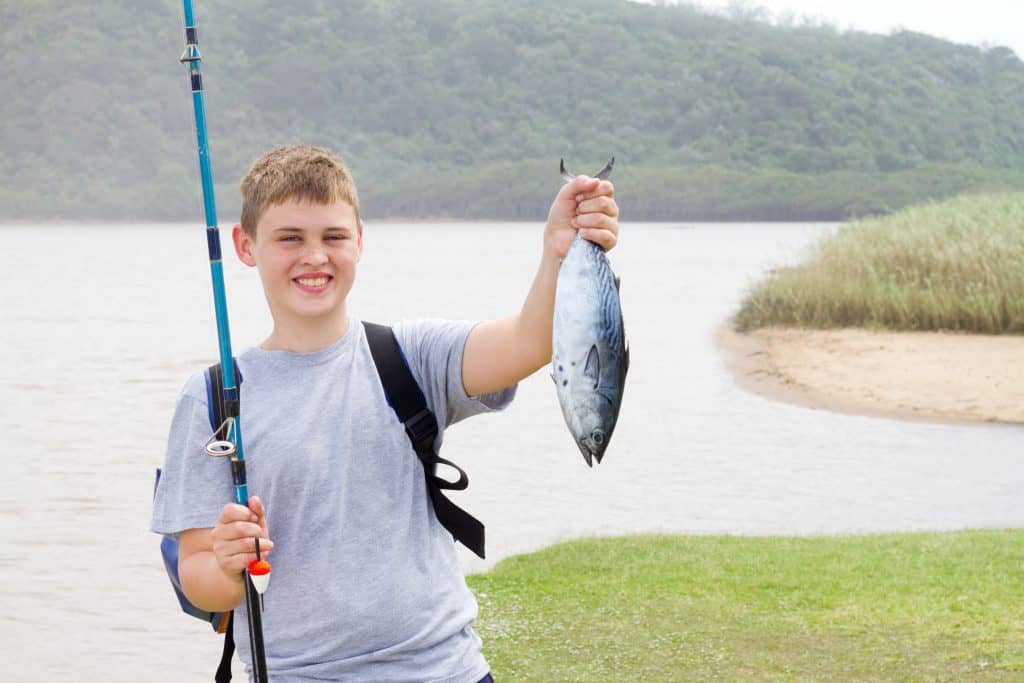
Texas boasts an impressive array of fishing locations, catering to every type of angler. Here are some of the most renowned spots:
For Freshwater Enthusiasts:
- Lake Fork: Widely regarded as the premier trophy bass lake in Texas, Lake Fork consistently produces some of the largest Largemouth Bass in the country. Its abundant submerged timber and extensive hydrilla beds create ideal habitats for big fish, making it a dream destination for serious bass anglers. Located in East Texas, it’s a must-visit for anyone seeking a true trophy catch.
- Lake Sam Rayburn: Another East Texas gem, Lake Sam Rayburn is the largest lake entirely within Texas borders. It’s famous for its excellent bass fishing, as well as healthy populations of Crappie and Catfish. Its size and numerous coves make it perfect for extended fishing trips and offer a variety of fishing styles.
- Guadalupe River: For something unique, the Guadalupe River in Central Texas offers the southernmost trout fishery in the U.S., sustained by regular stockings from the Texas Parks and Wildlife Department. It’s a picturesque destination for fly fishing, especially during the cooler months, and also holds good populations of bass and catfish.
- Caddo Lake: On the border with Louisiana, Caddo Lake is a mystical cypress swamp lake, offering a unique fishing experience amidst Spanish moss-draped trees. It’s excellent for Largemouth Bass, Crappie, and Catfish, and its stunning natural beauty makes it a destination in itself.
- Toledo Bend Reservoir: Straddling the Texas-Louisiana border, this massive reservoir is a renowned bass fishery, consistently ranking among the best in the nation. Its vastness offers endless opportunities for anglers seeking trophy bass and other freshwater species.
For Saltwater Anglers:
- Galveston: A historic island city, Galveston offers diverse saltwater fishing opportunities. You can fish from its famous piers, jetties, or charter a boat for bay fishing (targeting Redfish, Speckled Trout, Flounder) or offshore excursions into the Gulf of Mexico for King Mackerel, Snapper, and Shark. Its vibrant tourism scene means plenty of accommodation and dining options.
- South Padre Island: Located at the southernmost tip of Texas, South Padre Island is a popular destination for both bay and surf fishing. Its warm waters are home to a wide variety of species, and it’s particularly famous for its excellent opportunities to catch Speckled Trout and Redfish. Offshore charters can take you to deeper waters for game fish.
- Corpus Christi and Port Aransas: These neighboring coastal towns are central to the Texas coast and offer some of the best saltwater fishing in the state. The intricate system of bays, Laguna Madre (one of the few hypersaline lagoons in the world), and barrier islands like Mustang Island and Padre Island National Seashore provide incredible habitats for a vast array of marine species. Port Aransas is often dubbed the “Fishing Capital of Texas” for good reason, with numerous charter services available.
Essential Tips for a Rewarding Texas Fishing Experience
To make the most of your Texas fishing trip, consider these practical tips:
- Best Seasons: While fishing is a year-round activity in Texas, certain seasons are better for specific species. Spring and fall are generally excellent for bass in freshwater lakes. Winter can be prime for trout in the Guadalupe River and for schooling Redfish in saltwater bays. Summer offers great offshore opportunities but can be very hot.
- Gear Up Appropriately: Match your gear to your target species and fishing environment. For freshwater bass, medium-heavy rods with baitcasting reels are common. For saltwater, heavier spinning or baitcasting gear is often preferred to handle larger fish and corrosive conditions. Don’t forget essentials like a tackle box, bait (live or artificial), line cutters, and a landing net.
- Prioritize Safety: Always check weather forecasts before heading out. Wear appropriate sun protection (hats, sunglasses, long-sleeved shirts), stay hydrated, and inform someone of your fishing plans. If boating, ensure you have all required safety equipment, including life jackets.
- Understand Regulations: Beyond the license, be aware of bag limits, size restrictions, and specific regulations for each species. The Texas Parks and Wildlife Department provides detailed guides, often available online or in print wherever licenses are sold. Violating these rules can result in significant fines.
- Consider a Fishing Guide: Especially if you’re new to a particular area or targeting a specific species, hiring a local fishing guide can be invaluable. Guides possess intimate knowledge of the waters, current conditions, and effective techniques, significantly increasing your chances of success and providing an educational experience.
- Practice Catch and Release: To help conserve fish populations, consider practicing catch and release, especially for trophy fish or species that are not intended for consumption. Handle fish carefully to minimize stress, and release them quickly.
Integrating Fishing into Your Texas Travel Lifestyle
Fishing in Texas is more than just a pastime; it’s an immersive experience that can be perfectly woven into a broader travel and lifestyle adventure. Whether you’re seeking a luxurious retreat, a family-friendly getaway, or an eco-conscious exploration, Texas offers a wealth of options to complement your angling pursuits. From choosing the right accommodation to understanding the larger impact of your fishing license, this section explores how to elevate your Texas fishing trip into a truly memorable vacation.
Finding the Perfect Stay: Accommodation for Anglers
Your choice of accommodation can significantly enhance your fishing trip. Texas offers a diverse range of lodging options, from rustic cabins to opulent resorts, often conveniently located near prime fishing spots:
- Lakeside Resorts and Hotels: For freshwater fishing destinations like Lake Fork or Lake Sam Rayburn, numerous resorts and hotels cater specifically to anglers, offering boat ramps, fishing piers, and sometimes even guide services. These can range from budget-friendly motels to more upscale lodges. In Central Texas, near the scenic Hill Country rivers, resorts like the Hyatt Regency Hill Country Resort and Spa in San Antonio offer a luxurious base with easy access to outdoor activities, though not directly on a major fishing lake.
- Coastal Resorts and Hotels: Along the Texas coast, especially in popular tourist hubs like Galveston, Corpus Christi, and South Padre Island, you’ll find a wide selection of hotels and resorts. For a luxurious coastal experience in Galveston, consider The San Luis Resort, Spa and Conference Center or the historic Hotel Galvez & Spa, which provide top-tier amenities and are close to charter operations and fishing piers.
- Vacation Rentals (Cabins, Villas, Apartments): For groups or families, renting a cabin near a lake or a beach house on the coast offers flexibility, privacy, and often more space. Many rentals come equipped with full kitchens, allowing you to cook your catch. Websites specializing in vacation rentals provide extensive options, from cozy fishing cabins to sprawling villas perfect for a long-term stay.
- RV Parks and Campgrounds: For those who prefer a more outdoorsy experience or are traveling with an RV, Texas has an abundance of state parks and private campgrounds, often located directly on fishing lakes or coastal areas. This is a budget-friendly way to enjoy the fishing lifestyle and immerse yourself in nature.
- Family-Friendly Options: Many destinations, like those near Austin or Houston, offer resorts that combine fishing opportunities with amenities for the entire family, such as swimming pools, kids’ clubs, and dining. Resorts like Great Wolf Lodge in Grapevine, near Dallas-Fort Worth, provide a blend of entertainment and proximity to some excellent fishing lakes, making them ideal for a family trip where everyone finds something to enjoy. Even high-end establishments such as the JW Marriott San Antonio Hill Country Resort & Spa or the Omni Barton Creek Resort & Spa near Austin offer various activities that can easily complement a day out fishing in nearby waters, providing a luxury travel experience with an outdoor component.

The Economic and Ecological Impact of Licensing
Purchasing a fishing license in Texas is far more than just fulfilling a legal obligation; it’s a direct contribution to the conservation and management of the state’s natural resources. The funds generated from license sales are vital for numerous initiatives:
- Conservation Efforts: Revenue from fishing licenses directly supports the Texas Parks and Wildlife Department’s conservation programs. This includes habitat restoration projects for aquatic species, scientific research to monitor fish populations and ecosystem health, and efforts to combat invasive species.
- Fish Stocking Programs: To ensure healthy and abundant fish populations for anglers, a significant portion of license fees goes towards fish stocking programs. This involves raising and releasing various species into public waters, replenishing stocks and enhancing fishing opportunities.
- Wildlife Management and Law Enforcement: License funds also support wildlife management activities beyond just fish, benefiting a wide range of Texas wildlife. Furthermore, these funds contribute to the enforcement of fishing regulations, which is crucial for preventing overfishing and poaching, thereby protecting the integrity of the state’s fisheries.
- Access and Infrastructure: Your license fees help maintain and improve public access points, boat ramps, fishing piers, and other recreational infrastructure, making it easier and safer for everyone to enjoy Texas’s waters.
- Penalties for Non-Compliance: The importance of a license is underscored by the penalties for fishing without one. Getting caught fishing without a valid license (if required for your age) can result in significant fines and legal repercussions. These penalties reinforce the value of the licensing system in upholding responsible angling practices and ensuring the sustainable use of natural resources.
By purchasing a license, you are actively participating in a cycle of responsible tourism and resource management that ensures the longevity of Texas’s incredible fishing heritage. It’s an investment in the future of the state’s natural beauty and recreational opportunities for both residents and visitors alike.
In conclusion, a fishing trip to Texas promises adventure, tranquility, and the thrill of the catch. Understanding that anglers aged 17 and older need a license is the first step towards a legal and enjoyable experience. Beyond this crucial detail, Texas invites you to explore its diverse fishing grounds, discover unique accommodations, and become a part of a larger community dedicated to preserving its natural wonders. So, get your license, pack your gear, and prepare to cast your line into the abundant waters of the Lone Star State—an experience that truly embodies the spirit of travel and the great outdoors.
LifeOutOfTheBox is a participant in the Amazon Services LLC Associates Program, an affiliate advertising program designed to provide a means for sites to earn advertising fees by advertising and linking to Amazon.com. Amazon, the Amazon logo, AmazonSupply, and the AmazonSupply logo are trademarks of Amazon.com, Inc. or its affiliates. As an Amazon Associate we earn affiliate commissions from qualifying purchases.