
For many, the idea of settling down or embarking on new travel adventures in a vast and diverse state like Texas evokes images of open roads, vibrant cities, and unique cultural experiences. However, for individuals living with disabilities, understanding the local support systems is just as crucial as knowing the best boutique hotels or historic landmarks. While our focus at Life Out of the Box often centers on exploring destinations and embracing a fulfilling lifestyle through travel, recognizing the framework of disability qualifications in the Lone Star State is a vital piece of the puzzle. It’s not just about receiving benefits; it’s about securing a foundation that empowers individuals to lead independent, engaging lives, whether that involves planning an accessible getaway to San Antonio or ensuring comfort in a long-term stay in Austin. Delving into the conditions that qualify for disability in Texas helps shed light on the resources available, fostering an environment where a rich and mobile lifestyle remains within reach for everyone.

Decoding Disability Qualifications in Texas: Your Foundation for Accessible Living
Understanding what conditions qualify for disability in Texas primarily involves federal Social Security Administration (SSA) guidelines. As Texas doesn’t operate its own state-run disability insurance program for long-term cash benefits, residents apply through federal programs like Social Security Disability Insurance (SSDI) and Supplemental Security Income (SSI). Both share the same rigorous definition of disability, emphasizing not just a medical condition’s presence, but its profound impact on an individual’s ability to live and work. For those considering a move or extended visit, grasping these qualifications is key to understanding potential support systems that can enhance their lifestyle.
The Core Criteria: Understanding Texas Disability Standards
The SSA defines disability as the inability to engage in “substantial gainful activity” (SGA) due to a medically determinable physical or mental impairment(s) expected to result in death, or lasting for at least 12 continuous months. This definition is stringent, focusing heavily on functional limitations rather than just a diagnosis. It means a medical condition alone isn’t enough; it must be severe enough to prevent past work and adaptation to other available work nationally. This assessment considers age, education, and work experience alongside comprehensive medical evidence. For a traveler exploring the Texas Hill Country or planning a long-term stay in a Dallas apartment, understanding these standards ensures preparation for necessary applications, allowing focus on enjoying the state’s offerings.
Common Categories of Qualifying Conditions
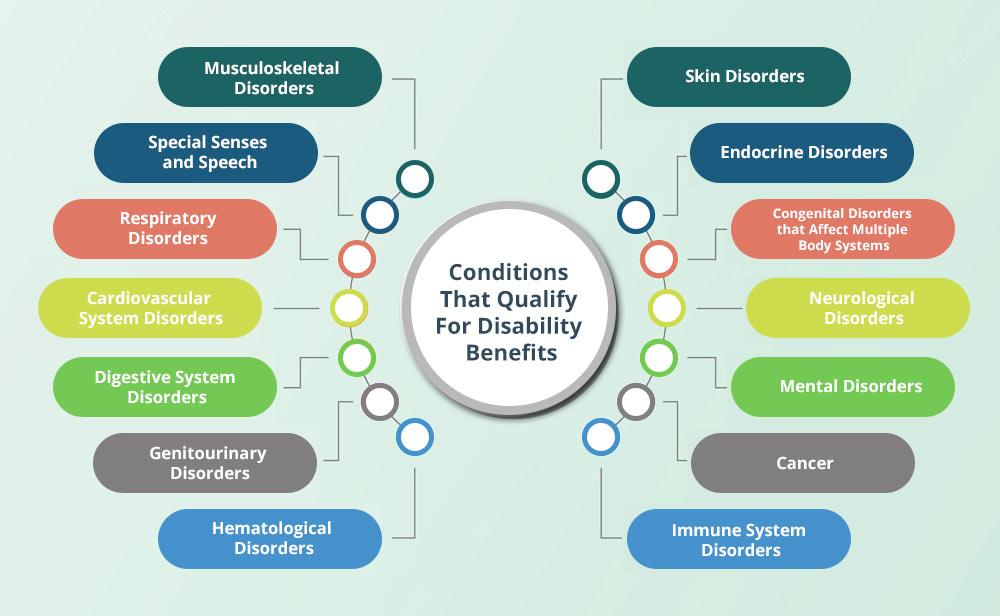
While the SSA’s “Blue Book” lists thousands of specific conditions, they broadly fall into several categories. Remember, a condition from this list doesn’t automatically guarantee qualification; its severity and documented impact on SGA are paramount. Common categories include:
- Musculoskeletal Disorders: Affecting bones, joints, muscles, spine (e.g., severe arthritis), limiting mobility/dexterity.
- Cardiovascular Conditions: Severe heart failure or coronary artery disease restricting physical activity.
- Respiratory Disorders: COPD or severe asthma preventing light exertion.
- Neurological Disorders: Multiple sclerosis, Parkinson’s, epilepsy, stroke causing significant motor, sensory, or cognitive impairments.
- Mental Health Disorders: Severe depression, anxiety, bipolar disorder, schizophrenia leading to profound difficulties in functioning.
- Cancers: Most aggressive or metastatic cancers, especially during active treatment.
- Immune System Disorders: Lupus, rheumatoid arthritis, HIV/AIDS causing severe, recurring symptoms and functional limitations.
Knowing these categories helps individuals with chronic conditions understand eligibility and potential support, whether enjoying a retreat in a Texas resort or immersing themselves in Austin’s vibrant culture.
Navigating the Application Process: A Roadmap to Support and Stability
Qualifying for disability benefits, while challenging, is a crucial step towards securing financial stability and healthcare access. This support significantly enhances one’s ability to enjoy life and travel. For anyone considering applying for disability while residing in or planning a move to Texas, understanding evidentiary requirements is paramount. Think of the application process as meticulously planning a complex trip: thorough preparation and documentation are your passports to success.
The Weight of Medical Evidence: Charting Your Health Journey
Medical evidence forms the bedrock of any disability claim. The SSA relies heavily on comprehensive medical records to establish your condition’s severity, duration, and critically, how it limits functional capacity. This includes:
- Diagnosis and Treatment Records: Detailed notes from doctors, specialists, and hospitals outlining conditions, treatments, medications, and responses.
- Objective Test Results: Imaging scans (X-rays, MRIs), lab results, and other objective data confirming diagnosis and severity.
- Doctor’s Opinions and Statements: Crucially, treating physicians’ opinions on your prognosis and ability to perform work-related activities (e.g., lifting, standing, understanding instructions) provide invaluable context.
- Psychological Evaluations: For mental health conditions, detailed evaluations assessing cognitive function and emotional/social stability are essential.
Just as you wouldn’t embark on luxury travel without confirming your hotel suites, don’t approach a disability application without gathering every relevant medical document. This thoroughness helps the SSA understand your limitations.

Beyond Medicals: Considering Age, Education, and Work History
While medical evidence is primary, the SSA also considers non-medical, vocational factors for adult applicants, particularly for SSDI claims. These factors are significant in determining if you can adapt to other work, especially if your condition doesn’t strictly meet a “Blue Book” listing.
- Age: Younger individuals generally find it harder to qualify, as the SSA expects them to adapt to new work. Rules become more lenient for those approaching 50, and especially 55, recognizing less time for retraining.
- Education: Your educational background influences the SSA’s assessment of your ability to perform other work. Higher education might suggest greater adaptability to less physically demanding jobs.
- Work History: The SSA examines your past work experience, assessing the physical and mental demands of previous roles. If your skills are transferable to less demanding jobs available in the economy, it may affect your claim.
Understanding these factors is vital. For someone planning a long-term stay in a Texas city, be it San Antonio’s historic charm or Houston’s bustling economy, a successful disability application provides a stable foundation, enabling full engagement with local culture and attractions without undue financial stress.
Embracing Accessible Texas: Travel, Accommodation, and Lifestyle
Qualifying for disability in Texas is more than navigating a bureaucratic process; it’s about unlocking a pathway to a more supported and potentially richer lifestyle. With resources, including disability benefits, individuals can explore the diverse landscapes and vibrant cities of Texas with greater ease and confidence. Our mission at Life Out of the Box is to inspire travel and curate exceptional experiences, ensuring accessible opportunities for all.
Discovering the Lone Star State: Accessible Attractions and Experiences
Texas offers a wealth of accessible attractions, ensuring everyone can partake in its unique charm:
- San Antonio: The iconic River Walk features ramps, elevators, and accessible boat tours. The Alamo provides accessible pathways.
- Houston: The Houston Museum District boasts accessible museums, like the Museum of Fine Arts. City parks, such as Hermann Park, often include accessible trails.
- Austin: Known for music and outdoor activities, Austin offers accessible venues and parks. The Ann and Roy Butler Hike-and-Bike Trail provides accessible segments along Lady Bird Lake.
- Texas State Parks: Many are increasingly offering accessible trails, fishing piers, and cabins, allowing those with mobility challenges to experience natural wonders, from the Piney Woods to the Big Bend region.
Always check specific attraction websites or call ahead to confirm current accessibility features.
Planning Your Stay: Accessible Accommodation and Travel Tips
Finding suitable accommodation is crucial for any traveler, especially those with disabilities. Texas offers a wide range, from luxury resorts to boutique hotels and serviced apartments, many with accessible features.
- Accessible Hotel Rooms: Look for accommodations explicitly stating ADA compliance. Key features include roll-in showers, grab bars, wider doorways, and visual alarms. Confirm these amenities directly when booking.
- Transportation: Texas cities offer accessible public transportation (buses, paratransit) and rideshare options with accessible vehicles. Accessible van rentals are available in major areas like Dallas and Houston.
- Long-Term Stays: For extended visits or relocation, research accessible apartments or villas.
- Travel Insurance: For individuals with chronic conditions, robust travel insurance is a wise investment. It covers unexpected medical emergencies or trip interruptions, providing peace of mind during your adventures. Always factor in potential health needs when planning your flight details and itinerary.
By proactively planning for accessible travel and accommodation, individuals with disabilities can fully immerse themselves in the Texas experience, turning potential barriers into opportunities for discovery and enjoyment.
Conclusion
Understanding what conditions qualify for disability in Texas is a fundamental step for anyone seeking support while living in or exploring the state. While the federal criteria can be complex, securing disability benefits provides a vital foundation for financial stability and access to necessary resources. Beyond mere qualification, this knowledge empowers individuals to pursue a fulfilling lifestyle, confidently navigating accessible travel, choosing suitable accommodations, and engaging with the rich cultural fabric of the Lone Star State. Ultimately, a successful disability claim paves the way for a life of greater independence and more enriching experiences within and beyond Texas’s expansive borders.
LifeOutOfTheBox is a participant in the Amazon Services LLC Associates Program, an affiliate advertising program designed to provide a means for sites to earn advertising fees by advertising and linking to Amazon.com. Amazon, the Amazon logo, AmazonSupply, and the AmazonSupply logo are trademarks of Amazon.com, Inc. or its affiliates. As an Amazon Associate we earn affiliate commissions from qualifying purchases.