
For anyone dreaming of expansive road trips, exploring vibrant cities, or settling into the unique rhythm of the Lone Star State, understanding the intricacies of vehicle ownership is paramount. While the allure of Texas lies in its vast landscapes, rich history, and diverse culture, the practicalities of enjoying these experiences often start with a fundamental piece of paper: the vehicle title. Specifically, in Texas, you’ll often hear about a “blue title.” This isn’t just a quirky local term; it signifies a crucial document that underpins your ability to travel, reside, and truly embrace the Texas lifestyle with your own set of wheels.
In the world of travel and lifestyle, flexibility and freedom are often tied to mobility. Whether you’re planning an epic cross-country journey ending in Texas, purchasing a reliable vehicle for daily commutes and weekend getaways from Austin, or even investing in an RV to explore Texas’s magnificent National Parks, the proper vehicle title is your ticket to a hassle-free experience. This comprehensive guide will demystify the blue title, explain its significance for residents and travelers alike, and provide essential insights to ensure your vehicle ownership in Texas is as smooth as a drive down a scenic Hill Country road.
Understanding the Texas Blue Title: Your Gateway to Lone Star Adventures
Before you can hit the highways exploring the sprawling ranches, historic towns, or bustling metropolises like Houston and Dallas, it’s essential to grasp the core concept of a Texas blue title. Far from being merely bureaucratic jargon, this document is a cornerstone of vehicle ownership that protects both buyers and sellers, ensuring clarity and legality in every transaction.
What Exactly is a Blue Title?
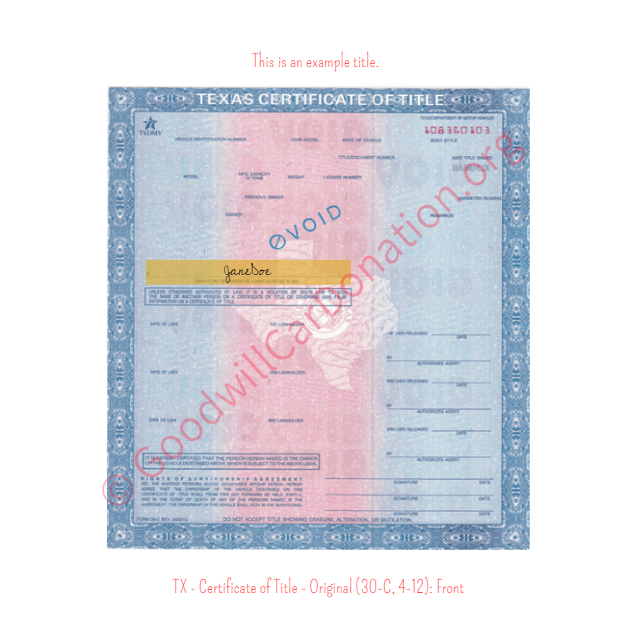
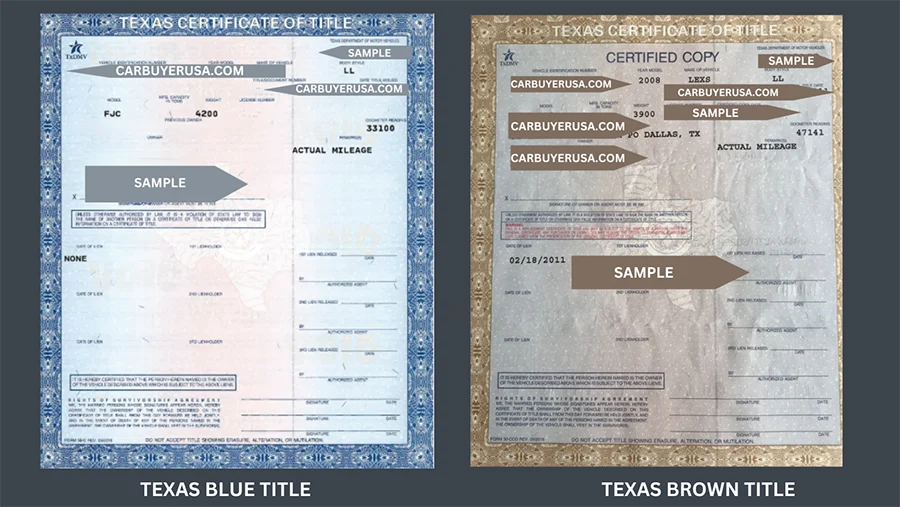
At its heart, a “blue title” in Texas refers to the Certificate of Title issued by the Texas Department of Motor Vehicles (TxDMV). It’s the official, legal document that proves ownership of a vehicle. While the actual color of the paper can vary slightly over time or depending on specific print runs, it’s traditionally been associated with a blue hue, hence the common moniker.
This document contains vital information about the vehicle, including:
- Vehicle Identification Number (VIN): A unique identifier for the car, truck, motorcycle, or RV.
- Year, Make, and Model: Basic descriptors of the vehicle.
- License Plate Number: The plate assigned to the vehicle.
- Owner’s Name and Address: The legal owner(s) of the vehicle.
- Lienholder Information: If the vehicle is financed, the bank or lending institution will be listed here.
- Odometer Reading: The mileage at the time the title was issued or transferred.
- Title History/Status: This is critical and indicates whether the title is “clean,” “salvage,” “rebuilt,” “flood,” or “junk.” We’ll delve into the importance of this status shortly.
The blue title is more than just a piece of paper; it’s a legal declaration of who owns the vehicle. Without a properly transferred and valid title, you cannot legally register, insure, or operate a vehicle in Texas. This makes understanding and possessing a correct title absolutely fundamental for any vehicle owner in the state.
Why It Matters for Travelers and Residents Alike
For travelers, whether you’re embarking on an epic road trip to Texas, planning to explore the diverse regions within the state, or contemplating a permanent move, the blue title plays a crucial role.
- For the Aspiring Texas Resident: If you’re relocating to Texas and bringing a vehicle from another state, you’ll need to transfer your out-of-state title to a Texas blue title. This process is mandatory to register your vehicle, obtain Texas license plates, and comply with state laws. Without it, you could face fines or legal complications, disrupting your new life in the Lone Star State.
- For Buying a Vehicle for Texas Exploration: Many visitors fall in love with Texas and decide to buy a vehicle locally for extended stays, seasonal travel, or simply to embrace the freedom of the open road. Understanding the title transfer process ensures you’re buying a legitimate vehicle and that ownership is correctly transferred to you, protecting you from potential scams or disputes.
- Peace of Mind on the Road: A properly titled vehicle means you’re operating within the bounds of the law. This translates to peace of mind, allowing you to focus on the breathtaking vistas of Big Bend National Park, the historical significance of San Antonio’s Alamo, or the vibrant culture of Austin, rather than worrying about legal technicalities.
In essence, the blue title isn’t just an administrative chore; it’s an enabler of travel, a guarantee of legitimate ownership, and a safeguard for your investment in mobility. It’s the foundational document that allows you to fully engage with the freedom and adventure that Texas offers.
Navigating Vehicle Ownership in Texas for Your Travel Dreams
Whether you’re a long-time resident or a newcomer planning extensive Texas adventures, the process of acquiring and transferring a blue title is a key step. The journey to legal vehicle ownership can seem daunting, but breaking it down into manageable steps makes it straightforward, ensuring your vehicle is ready for any adventure, from Gulf Coast beaches to the rugged western desert.
Buying a Vehicle in Texas: The Title Transfer Process
The method of obtaining your blue title largely depends on where you purchase your vehicle:
- From a Licensed Dealership: This is generally the easiest route. When you buy a vehicle from a licensed dealer in Texas, they are legally obligated to handle the title transfer paperwork on your behalf. This includes submitting the application for a new title, collecting sales tax, and providing you with temporary tags until your permanent registration and plates arrive. While the vehicle may not come with a literal “blue” title in your hand immediately, the dealer ensures the TxDMV processes your ownership correctly, leading to your official blue title being mailed to you. This streamlined process is often preferred by those seeking convenience and assurance, particularly if they are new to the state or unfamiliar with the specifics of Texas law.
- From a Private Seller: Buying from a private party requires more active involvement on your part, but it can also lead to great deals, especially for unique vehicles suitable for specific travel styles, like a vintage camper van or a sturdy truck for off-road excursions.
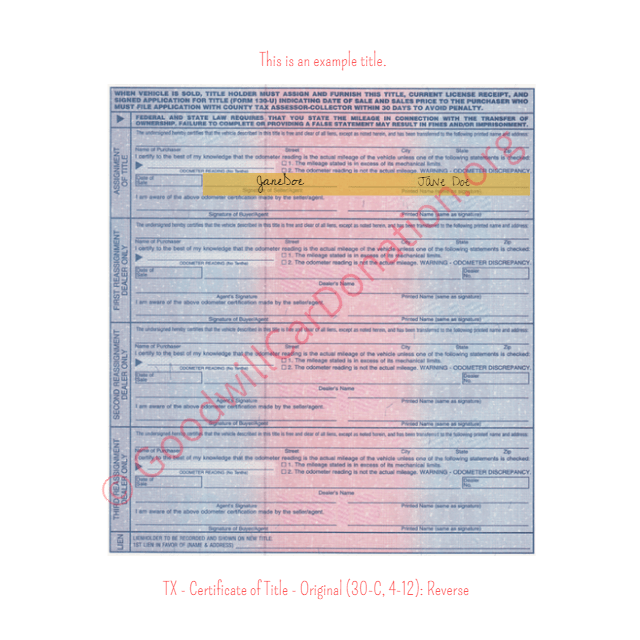
- Seller’s Responsibilities: The seller must provide you with the existing Certificate of Title. They should sign it over to you in the designated area, accurately record the sale date and odometer reading, and if there was a lien, ensure it’s released.
- Buyer’s Responsibilities: As the buyer, you must then take the signed title, along with a completed Application for Texas Certificate of Title (Form 130-U), proof of insurance, and identification, to your local County Tax Assessor-Collector’s office. You will pay sales tax and title transfer fees at this time. The title transfer must be completed within 30 days of the purchase date to avoid penalties. Once processed, your new blue title will be mailed to you. This hands-on approach requires diligence but offers direct control over the process, which can be appealing for those who enjoy thoroughness.
Moving to Texas with an Out-of-State Vehicle
For those relocating to Texas with a vehicle previously registered elsewhere, obtaining a Texas blue title is a crucial step in establishing your residency and getting your vehicle road-ready for local exploration.
- Vehicle Inspection: Before you can title or register your vehicle, it must pass a state inspection at an authorized Texas inspection station. This ensures it meets safety and emissions standards.
- Proof of Insurance: You’ll need valid Texas liability insurance.
- Required Documents: Gather your out-of-state title, proof of inspection, proof of insurance, and a completed Form 130-U. If your out-of-state title is held by a lienholder (e.g., your bank), you might need additional documentation from them or the TxDMV may contact them directly to obtain the title.
- Visit the County Tax Assessor-Collector: Take all your documents to your local County Tax Assessor-Collector’s office. You will pay the necessary registration fees, title fees, and potentially a new resident tax.
- New Plates and Title: Once processed, you’ll receive your new Texas license plates and registration sticker. Your Texas blue title will then be mailed to you. This process ensures that your vehicle is fully integrated into the Texas system, allowing you to seamlessly enjoy the state’s vast network of roads.
The Importance of a Clean Title
Beyond simply transferring ownership, the status of your title is paramount, especially when purchasing a vehicle for travel. A “clean title” indicates that the vehicle has no record of major damage, theft, or total loss. This is the gold standard for anyone seeking a reliable vehicle for long journeys.
Conversely, you might encounter titles marked as:
- Salvage Title: Issued when an insurance company declares a vehicle a total loss (e.g., due to severe accident, flood, or fire damage). These vehicles are generally not roadworthy.
- Rebuilt/Reconstructed Title: Issued after a salvage vehicle has been repaired and inspected to ensure it is safe to operate again. While legally drivable, these vehicles may carry a stigma and could have underlying issues, making them a riskier choice for extensive travel.
- Flood Title: Specifically denotes a vehicle that has sustained significant water damage.
- Junk Title: For vehicles that are beyond repair and intended only for parts or scrap.
For travelers and those seeking a dependable vehicle for the long haul, always prioritize a clean title. A clean title minimizes the risk of unexpected breakdowns, expensive repairs on the road, or difficulties with insurance coverage. It also ensures better resale value if you decide to upgrade or sell your vehicle after your Texas adventures conclude. When planning ambitious road trips to places like Guadalupe Mountains National Park or extended stays at beachfront resorts along Padre Island National Seashore, the reliability offered by a clean-titled vehicle is invaluable.
Blue Titles and the Texas Travel Experience: Beyond the Basics
The significance of a blue title extends beyond mere legal compliance; it opens doors to specific types of travel and lifestyle choices that are deeply embedded in the Texas ethos. From rugged outdoor explorations to leisurely cruises in classic automobiles, your title is the foundation for these unique experiences.
Investing in RVs and Campers for Texas Road Trips
Texas is a paradise for RV and camping enthusiasts, boasting an incredible array of state and national parks, vast open spaces, and picturesque landscapes perfect for extended stays. From the majestic canyons of Big Bend National Park to the serene beauty of the Texas Hill Country wineries, an RV offers unparalleled freedom.
The blue title for an RV or camper works much like that for a car. When purchasing a new or used RV, you’ll follow the same title transfer procedures, whether through a dealer or a private seller.
- New RVs: Dealers will handle the initial title and registration, much like a car.
- Used RVs: Private sales require careful transfer of the existing title. Due diligence is especially crucial here, given the larger investment and complexity of an RV. Always check the title status to ensure it’s clean and doesn’t carry any salvage or rebuilt designations that could hide significant past damage, which can be particularly problematic for larger, more intricate vehicles.
Owning a properly titled RV means you can freely traverse the state, enjoying amenities from resort-style RV parks near cities like San Antonio to primitive campsites in remote areas. This form of accommodation provides both luxury and budget travel options, allowing families to create unforgettable memories across the diverse terrains of Texas.
Classic Cars and Unique Texas Experiences
For many, the Texas lifestyle involves a passion for classic cars, hot rods, or unique custom vehicles. These vehicles aren’t just modes of transportation; they’re expressions of personality, objects of historical significance, and often the centerpieces of social gatherings and scenic drives. Whether you’re cruising through small towns, participating in a car show in Dallas, or simply enjoying a sunset drive along the Gulf Coast, the title for these vehicles carries special considerations.
- Specialty Titles: Sometimes, very old or custom-built vehicles might have unique titling histories or require specific processes to obtain a Texas blue title, especially if they’ve been out of commission for a long time or lack complete documentation. The TxDMV has provisions for “bonded titles” or “assembled vehicle” titles for certain circumstances, which are designed to establish ownership when traditional records are missing.
- Verification: When buying a classic car from a private seller, meticulous verification of the VIN and title history is paramount. These vehicles can be targets for fraud due to their value and sometimes convoluted ownership histories. A clean, correctly transferred blue title ensures your prized possession is legally yours, allowing you to fully enjoy the vibrant classic car culture of Texas without worry.
This aspect of vehicle ownership touches on lifestyle – the luxury of unique transportation, the joy of a hobby, and the freedom to pursue passions on the open road. From attending Houston car shows to exploring historic routes near El Paso, your blue title solidifies your place in this exciting automotive community.
Avoiding Pitfalls: Title Scams and Lost Titles
Despite the relatively straightforward process, issues can arise. Knowing how to prevent common problems ensures your Texas travels remain uninterrupted.
- Title Scams: Be wary of sellers who cannot produce the title, offer a bill of sale without a title, or have a title with incomplete or suspicious information. Never finalize a purchase without a clear, signed-over title in hand (for private sales) or without dealer assurances (for dealership purchases). Always verify the VIN on the title matches the VIN on the vehicle.
- Lost or Stolen Titles: If you lose your blue title, you’ll need to apply for a duplicate title through the TxDMV. This typically involves completing an application, providing identification, and paying a small fee. It’s a relatively simple process, but it’s crucial to address it promptly, especially if you plan to sell the vehicle or if your lienholder requires it.
- Odometer Fraud: Always ensure the odometer reading on the title matches the vehicle’s actual odometer. Any discrepancy should be questioned and investigated, as odometer fraud is illegal and can significantly affect a vehicle’s value and reliability.
By being informed and vigilant, you can navigate the blue title process confidently, ensuring that your vehicle ownership is secure and that your Texas adventures are built on a solid foundation of legal and practical preparedness.
The blue title in Texas is far more than a bureaucratic formality; it is an essential document that underpins the very essence of vehicle ownership and the freedom it affords. For anyone embarking on a journey to the Lone Star State, whether as a new resident, an avid road-tripper, or a classic car enthusiast, understanding this critical document is non-negotiable.
From exploring the cultural landmarks like San Antonio’s River Walk and the historical significance of the Sixth Floor Museum in Dallas, to marveling at scientific wonders at Space Center Houston, your vehicle is your key to unlocking the incredible diversity Texas has to offer. By ensuring your blue title is clean, correctly transferred, and always up-to-date, you’re not just adhering to the law; you’re investing in peace of mind, reliability, and countless unforgettable experiences on the open roads of Texas. So, get your title in order, fill up the tank, and prepare to explore the vast and captivating beauty of the Lone Star State.
LifeOutOfTheBox is a participant in the Amazon Services LLC Associates Program, an affiliate advertising program designed to provide a means for sites to earn advertising fees by advertising and linking to Amazon.com. Amazon, the Amazon logo, AmazonSupply, and the AmazonSupply logo are trademarks of Amazon.com, Inc. or its affiliates. As an Amazon Associate we earn affiliate commissions from qualifying purchases.