
Navigating the vibrant and diverse landscape of the Lone Star State, whether as a visitor enjoying its renowned destinations or as a business owner contributing to its booming economy, involves understanding various facets of its legal and commercial framework. While many associate Texas with sprawling ranches, delicious food scenes, and iconic landmarks like The Alamo, there’s a crucial, often unseen mechanism that underpins much of its commercial activity and consumer protection: the surety bond. For anyone involved in the travel, accommodation, or hospitality industries within Texas, understanding what a surety bond is and why it matters is not just good practice, but often a mandatory requirement.
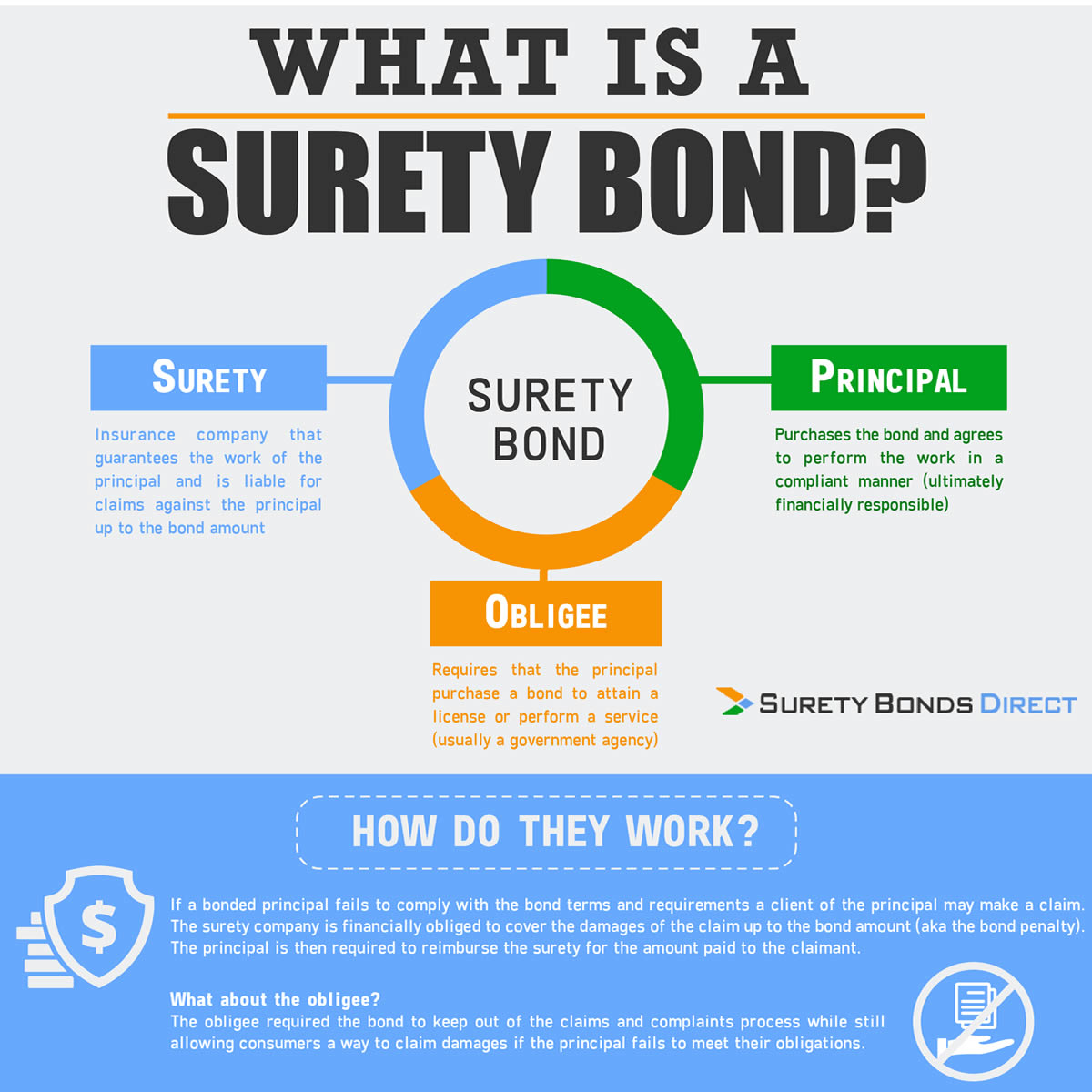
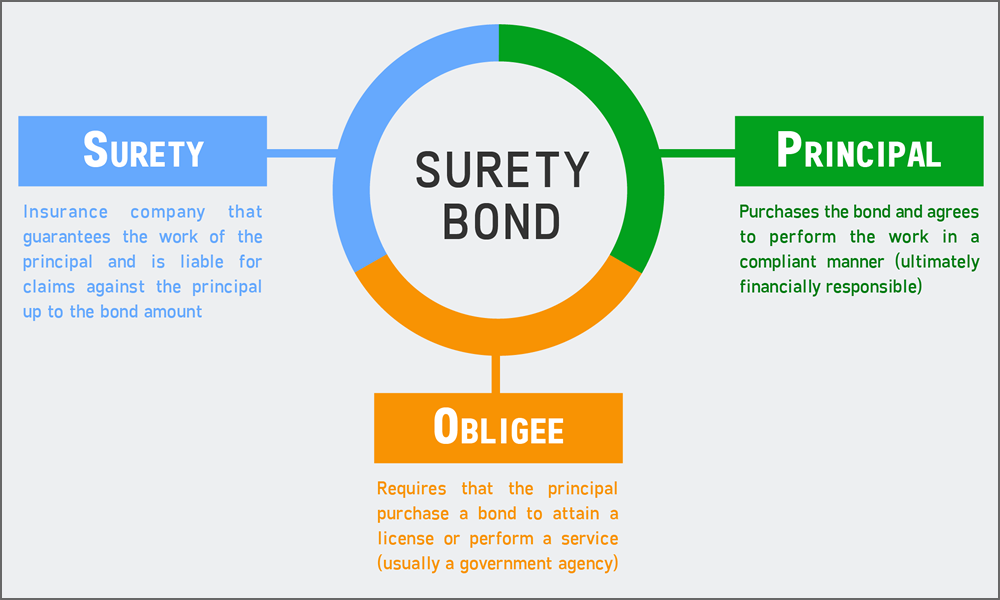
At its core, a surety bond is a legally binding contract involving three parties: the Principal, the Obligee, and the Surety. The Principal is the party required to obtain the bond, often a business or individual. The Obligee is the party requiring the bond, typically a government entity (like the State of Texas or a specific city like Houston) that seeks a guarantee of the Principal’s performance. The Surety is the financial institution or insurance company that guarantees the Principal’s obligations to the Obligee. If the Principal fails to fulfill their contractual or legal duties, the Surety steps in to compensate the Obligee, up to the bond amount. This arrangement essentially shifts risk from the Obligee to the Surety, while holding the Principal accountable. Unlike traditional insurance, which protects the policyholder, a surety bond protects the Obligee from potential misconduct or failure by the Principal. For the Principal, it’s a testament to their credibility and a license to operate within certain regulated industries. In Texas, where entrepreneurial spirit thrives and regulations ensure fair play, surety bonds are an indispensable tool for maintaining a trustworthy business environment across sectors, including the bustling world of tourism.
Surety Bonds: A Foundation for Trust in Texas’s Travel & Hospitality Scene
The dynamic tourism and hospitality industry in Texas is a major economic driver, attracting millions of visitors annually to cities like Dallas, Austin, and San Antonio. From booking a luxury travel experience through a specialized agency to staying at a quaint bed and breakfast in the Texas Hill Country, consumers put their trust and their money into the hands of countless businesses. Surety bonds play a critical, albeit often invisible, role in safeguarding these interactions and ensuring the integrity of the businesses providing these experiences.
Safeguarding Travel Agencies and Tour Operators
For travel agencies and tour operators operating in Texas, surety bonds are frequently a prerequisite for licensing. The state, through its regulatory bodies, mandates these bonds to protect consumers. Imagine booking a dream vacation package to Galveston or a guided tour of Big Bend National Park, only for the agency to go out of business before your trip, leaving you stranded and out of pocket. A travel agency bond serves as a financial guarantee that if the agency fails to provide the promised services or improperly handles client funds, the traveler can file a claim against the bond to recover their losses. This provides immense peace of mind for individuals planning family trips, business stays, or even a spontaneous budget travel getaway.
Furthermore, specific regulations might apply to agencies selling airline tickets or cruise packages, requiring separate bonding to cover those particular services. This ensures that whether you’re planning a visit to Space Center Houston or exploring the vibrant local culture of El Paso, your financial investment in your Texas adventure is protected. The presence of a bond signifies that the agency has met certain financial and ethical standards, adding a layer of credibility that is vital in an industry built on trust.
Ensuring Integrity for Hotels and Accommodation Providers
The hotel sector in Texas is incredibly diverse, from expansive resorts along the Gulf Coast to boutique hotels in downtown Austin and long-term stay accommodations for relocating professionals. While not all types of accommodation require direct surety bonds for basic operation, bonds become highly relevant in several key areas.
For large-scale construction or renovation projects — like building a new luxury hotel near the San Antonio River Walk or expanding a conference center in Fort Worth — contract bonds are essential. These include bid bonds (guaranteeing a contractor will enter into a contract if their bid is accepted), performance bonds (guaranteeing the contractor will complete the project according to specifications), and payment bonds (guaranteeing subcontractors and suppliers will be paid). These bonds protect the property owner (e.g., the hotel developer) from financial losses due to contractor default, ensuring that the new hotel or renovated resort is completed on time and within budget, ultimately enhancing the tourism infrastructure of Texas.
Beyond construction, certain permits for hotels might require bonds. For instance, permits related to liquor licenses, environmental compliance, or special events held on premises could necessitate a bond to guarantee adherence to state and local regulations. This helps maintain the high standards expected by visitors and contributes to the overall positive image of Texas hospitality. When guests choose accommodation in Texas, they expect a certain level of service and compliance, and indirectly, surety bonds help uphold that expectation.
Boosting Confidence for Event Planners and Attraction Management
Texas is home to an incredible array of attractions and events, from world-famous music festivals like Austin City Limits to thrilling theme parks like Six Flags Over Texas. Managing such venues and orchestrating large-scale events involves complex logistics and significant financial commitments. Surety bonds often come into play here to ensure the smooth execution of plans and protection against unforeseen issues.
Event bonds might be required by municipalities for permits related to public gatherings, ensuring that organizers fulfill their obligations regarding safety, cleanup, and adherence to local ordinances. For attractions undergoing expansion or major maintenance, construction-related bonds protect the investment and ensure the work is completed to standard, minimizing disruption to visitor experiences. Even smaller operations, such as specialized guides offering unique activities or transportation services for tourists, might be subject to bonding requirements to ensure they operate ethically and reliably. This robust system of guarantees fosters an environment where both businesses and consumers can operate with greater confidence, allowing the vibrant tourism economy of Texas to flourish.
Common Types of Surety Bonds in the Texas Tourism Ecosystem
Understanding the general concept of surety bonds is the first step; knowing the specific types relevant to the Texas travel and hospitality industry is even more practical. These bonds are tailored to address particular risks and regulatory requirements.
License and Permit Bonds
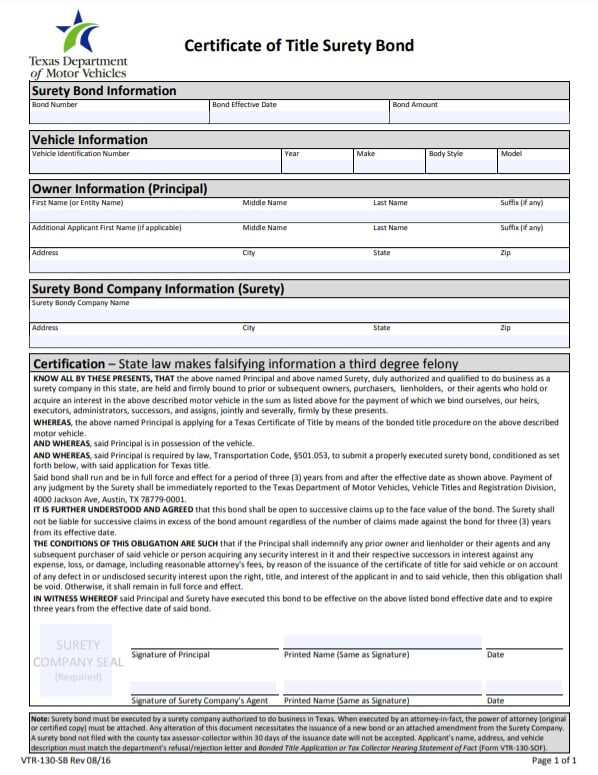
These are perhaps the most common type of surety bonds in Texas. Many businesses, including travel agencies, motor vehicle dealers (relevant for car rental agencies or tour bus operators), and even some accommodation providers, must obtain a specific state or local license to operate legally. A license bond guarantees that the business will adhere to the laws and regulations governing its industry. If the business violates these rules, causing harm to a consumer or the public, the bond can be used for financial recourse. For example, a travel agent’s license bond ensures they properly remit funds to airlines or hotels and do not engage in fraudulent practices that could harm travelers trying to book their next Texas adventure.
Contract Bonds
As mentioned previously, contract bonds are vital in the construction and development sector. In Texas, where new hotels, resorts, and attractions are continually being built or upgraded, these bonds provide assurance to property owners and developers. A major hotel chain building a new property in Dallas or renovating an existing one would require their general contractor to secure performance and payment bonds. This protects the hotel investor from the risk of the contractor abandoning the project or failing to pay their subcontractors, which could lead to liens, delays, and significant financial losses.
Commercial Bonds
This is a broad category that covers many different types of bonds not falling under license or contract bonds. Within the Texas travel and tourism context, commercial bonds could include:
- Fidelity Bonds: While not strictly a surety bond (as it protects the principal, not a third party), these are often discussed in the same breath. They protect businesses against employee dishonesty, such as theft or fraud. For hotels with cash handling, travel agencies processing payments, or tour operators managing large sums, a fidelity bond offers crucial protection against internal risks.
- Court Bonds: Although less common in direct tourism operations, certain legal disputes related to property or business operations in the hospitality sector might necessitate a court bond.
Each type of bond serves a distinct purpose, but all contribute to a more secure and accountable business environment, which is paramount for the trust-based nature of the travel industry.
The Broader Impact: How Surety Bonds Elevate Texas Tourism
The presence and enforcement of surety bond requirements in Texas extend far beyond mere regulatory compliance; they actively contribute to the vitality and reputation of the state’s travel and tourism sector. This system of guarantees fosters an environment of reliability that benefits everyone, from the individual traveler to the largest hospitality conglomerate.
Firstly, and most importantly, surety bonds significantly enhance consumer protection. Knowing that a travel agency or a tour operator is bonded provides travelers with a crucial safety net. If an agency fails to deliver a promised service—be it a hotel booking in Dallas or transportation to Houston’s Space Center Houston—the traveler has a clear avenue for recourse. This confidence encourages more people to plan their Texas experiences through legitimate channels, knowing their investment is safeguarded. It elevates the overall perception of the Texas tourism industry as trustworthy and accountable.
Secondly, bonds bolster industry credibility and professionalism. For businesses in Texas, obtaining a surety bond isn’t just a bureaucratic hurdle; it’s a statement of commitment. It signifies that they are willing to stand by their obligations and have undergone a vetting process by a surety company. This vetting often includes a review of their financial stability and business practices. Consequently, a bonded business is generally perceived as more reputable and financially stable. This professionalism attracts both consumers and business partners, contributing to a higher standard of service across the industry. For example, a hotel developer might prefer to work with bonded contractors, ensuring the integrity of their new resort in the Texas Hill Country.
Thirdly, surety bonds contribute to economic stability and responsible development. By mitigating risks in construction projects and ensuring compliance with regulations, bonds help prevent costly failures and delays that could ripple through the economy. A major hotel project that goes awry due to an unbonded contractor can lead to job losses, stalled economic activity, and a blot on the destination’s reputation. Bonds help keep projects on track, ensuring that new attractions and accommodations are completed efficiently, continuing to draw visitors and generate revenue for the state. This sustained growth is crucial for the thousands of jobs supported by tourism, from hotel staff to tour guides and restaurant workers.
Finally, the surety bond system supports fair competition by setting a baseline standard for all operating businesses. It creates a level playing field where businesses must meet certain financial and ethical requirements to compete. This discourages fly-by-night operations and promotes long-term, responsible businesses that contribute positively to the Texas brand. Ultimately, for those considering a visit to Texas, whether for its unique architecture in San Antonio, its rich history in Austin, or its stunning nature in Big Bend National Park, the surety bond system is a silent guardian, ensuring that the businesses they interact with are reliable and trustworthy, allowing them to focus on enjoying their experiences.
Securing a Surety Bond in Texas: A Guide for Tourism Business Owners
For aspiring or established business owners in the Texas travel and hospitality industry, understanding the process of obtaining a surety bond is a practical necessity. It’s not just about meeting a requirement; it’s about strategically aligning your business with state standards and reinforcing your credibility.
The first step is to identify the specific bond required. This will depend on your business type and location within Texas. A travel agency operating statewide may need a different bond than a local tour operator focusing on San Antonio or a contractor building a new hotel in Fort Worth. State regulatory bodies, such as the Texas Department of Licensing and Regulation (TDLR) or specific city governments, will outline the exact bonding requirements, including the bond amount and the obligee. Seeking advice from legal counsel or an experienced bond producer can provide valuable tips here.
Next, you’ll need to apply for the bond through a licensed surety bond provider. These providers are often insurance companies or specialized surety agencies. The application process typically involves a detailed review of your business’s financial health, credit history, and operational background. Key factors that influence the cost of a surety bond (known as the premium) include:
- The bond amount: A larger bond amount generally means a higher premium.
- Your personal and business credit score: A strong credit history signals lower risk to the surety, resulting in a lower premium rate.
- Financial strength of your business: Sureties will assess your company’s assets, liabilities, and overall financial stability.
- Industry experience: Demonstrated experience and a clean track record in the tourism or hospitality sector can positively impact your rate.
For example, a new travel agency with limited operating history might pay a higher premium rate than an established one with excellent reviews and strong financials. The premium is typically a small percentage of the total bond amount, usually ranging from 0.5% to 5%, but can be higher for riskier applicants.
Once approved, the surety company will issue the bond. This document, along with any necessary power of attorney, is then filed with the obligee (the government entity requiring the bond). It’s crucial to understand that surety bonds are typically renewed annually, requiring ongoing financial solvency and compliance. Failing to renew a bond can result in the suspension of your business license or permits, effectively halting operations and potentially incurring penalties.
In conclusion, for anyone engaged in the vibrant world of Texas travel, hotels, tourism, and accommodation, surety bonds are an indispensable component of the operational framework. They represent a commitment to ethical conduct and financial accountability, building a foundation of trust that benefits businesses, consumers, and the entire Texas tourism economy. By understanding what they are, why they are needed, and how to obtain them, businesses can confidently thrive in the Lone Star State’s welcoming and dynamic environment.
LifeOutOfTheBox is a participant in the Amazon Services LLC Associates Program, an affiliate advertising program designed to provide a means for sites to earn advertising fees by advertising and linking to Amazon.com. Amazon, the Amazon logo, AmazonSupply, and the AmazonSupply logo are trademarks of Amazon.com, Inc. or its affiliates. As an Amazon Associate we earn affiliate commissions from qualifying purchases.