
Tex-Mex is more than just a cuisine; it’s a vibrant culinary tradition born from the fusion of Texan and Mexican influences. It’s a delicious testament to the rich cultural tapestry that has unfolded along the Texas – Mexico border, a culinary handshake that has resulted in a distinct and beloved regional gastronomy. While often misunderstood or sometimes even derided by purists, Tex-Mex has firmly established itself as a cornerstone of American food culture, celebrated for its bold flavors, satisfying textures, and communal dining experience.
At its heart, Tex-Mex is about adaptability and innovation, a culinary evolution shaped by available ingredients, historical interactions, and the unique environment of South Texas. It’s a cuisine that is deeply rooted in tradition yet constantly evolving, offering a comforting familiarity to some and an exciting discovery to others.
The Genesis of a Culinary Hybrid
The story of Tex-Mex is intrinsically linked to the history of Texas itself, particularly the period following the Mexican-American War in the mid-19th century. As Texas transitioned from Mexican territory to an independent republic and eventually a United States state, a unique cultural blend began to emerge in the border regions. The indigenous Mexican culinary traditions, which had been established over centuries, encountered the ingredients and cooking methods of American settlers.
Ingredients and Adaptations
The defining characteristic of Tex-Mex lies in its selective adoption and adaptation of ingredients. While Mexican cuisine boasts a vast array of chiles, spices, and fresh produce, Tex-Mex often emphasizes a more limited, yet equally potent, flavor profile. Cumin, for instance, plays a far more prominent role in Tex-Mex than in many traditional Mexican dishes. Garlic, onions, and tomatoes are also staples, forming the foundation of many sauces and fillings.
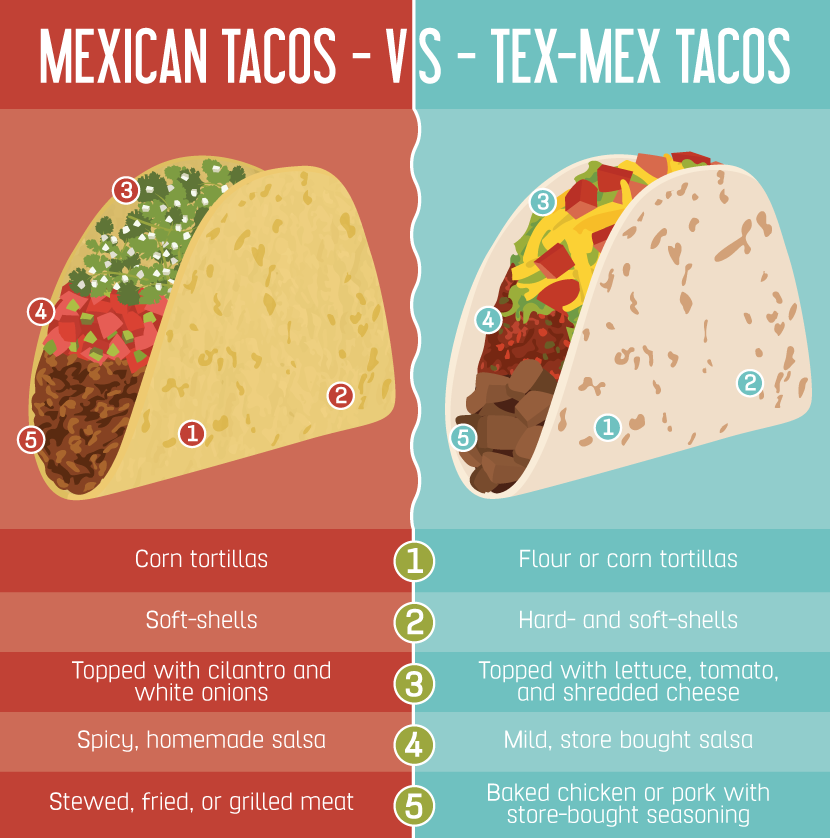
A key differentiator is the prevalent use of yellow cheese, particularly cheddar, in Tex-Mex dishes. This stands in contrast to the white cheeses like Oaxaca or cotija more commonly found in Mexico. Ground beef, a readily available and popular protein in Texas, also became a central component in many Tex-Mex creations, such as the iconic chili con carne and taco fillings. While corn tortillas are a staple in traditional Mexican cuisine, flour tortillas gained significant traction in Tex-Mex, particularly for dishes like burritos and quesadillas, owing to their prevalence in Texas bakeries.
The “Tex” Influence
The “Tex” in Tex-Mex signifies more than just geographical origin; it represents the infusion of American sensibilities into a culinary framework. This includes a penchant for hearty, robust flavors and often a more generous application of spices. The concept of convenience also plays a role, with Tex-Mex often adapting dishes for quicker preparation and a wider appeal. Think of the widespread adoption of the crispy taco shell, a Tex-Mex innovation that offers a textural contrast distinct from its softer, traditional Mexican counterpart.
Iconic Tex-Mex Dishes and Their Charms
The Tex-Mex culinary landscape is dotted with a constellation of beloved dishes, each with its own unique appeal and story. These are the staples that have fueled countless meals and cemented Tex-Mex’s place in the hearts of food lovers.
The Glorious Taco
The taco, in its Tex-Mex iteration, is a universally recognized symbol. While Mexico offers an infinite variety of taco preparations, the Tex-Mex taco often features a crispy, fried corn shell filled with seasoned ground beef, shredded lettuce, diced tomatoes, and a generous topping of shredded yellow cheese. Variations abound, with softer corn or flour tortillas also being popular. The beauty of the Tex-Mex taco lies in its simplicity and its ability to be customized with a range of salsas and toppings.
The Mighty Burrito
The burrito, a flour tortilla tightly wrapped around a filling, is another Tex-Mex hall of famer. While the origins of the burrito are debated, its Tex-Mex form often includes fillings like seasoned ground beef, refried beans, rice, and cheese. The “mission-style” burrito, larger and more densely packed, is a significant evolution within the Tex-Mex canon. The portability and substantial nature of the burrito make it a favorite for a quick and satisfying meal.
Nachos: A Crowd-Pleaser
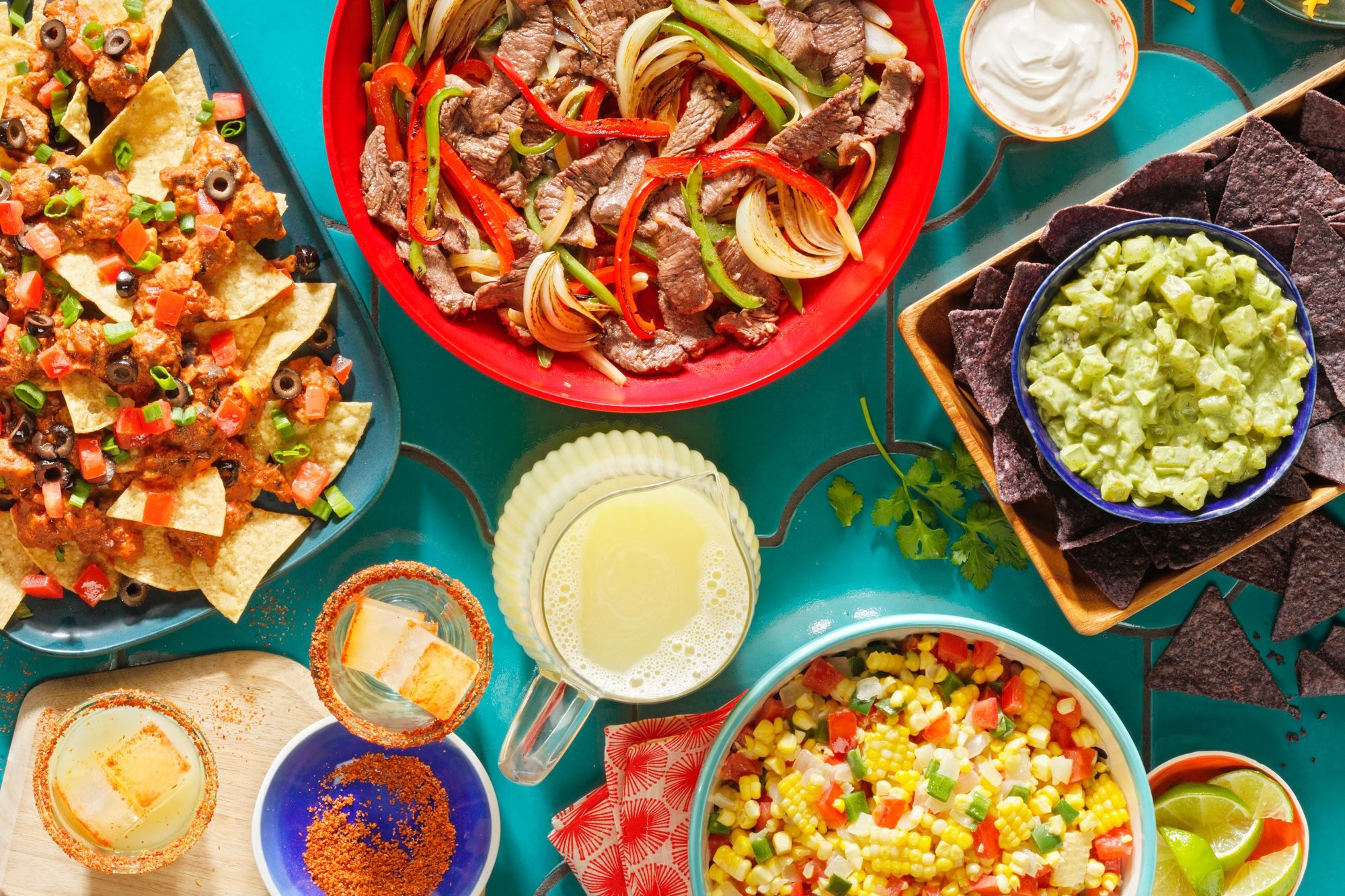
No discussion of Tex-Mex is complete without mentioning nachos. Invented in Piedras Negras, Coahuila, just across the border from Eagle Pass, Texas, nachos typically consist of tortilla chips layered with melted cheese and often jalapeños. The modern Tex-Mex version, however, has evolved into a more elaborate affair, frequently topped with seasoned ground beef, pico de gallo, sour cream, and guacamole, transforming it from a simple snack to a hearty appetizer or even a main course.
Chili Con Carne: A Texas Icon
Chili con carne, a spicy stew of meat and chili peppers, is arguably the dish most synonymous with Texas, and by extension, Tex-Mex. Its exact origins are murky, with tales tracing back to the “Chili Queens” of San Antonio and early settlers. The quintessential Tex-Mex chili often features ground beef, tomatoes, chili powder, and a blend of other spices, without beans in its purest form, though bean additions are common in many variations. It’s a dish that embodies the robust, hearty spirit of the cuisine.
Enchiladas and Fajitas
Enchiladas, corn tortillas rolled around a filling (often cheese, chicken, or beef) and covered in a chili sauce, are a beloved Tex-Mex staple. The sauce can range from mild to intensely spicy, often featuring a red chili base. Fajitas, a more recent but immensely popular addition, involve grilled strips of meat (typically beef or chicken) served sizzling with onions and peppers, accompanied by tortillas and various toppings, allowing for a customizable dining experience.
The Tex-Mex Experience: Beyond the Plate
The appeal of Tex-Mex extends far beyond its delicious dishes; it encompasses the entire dining experience, which is often characterized by a warm, inviting, and casual atmosphere. Tex-Mex restaurants, from humble neighborhood joints to more upscale establishments, tend to foster a sense of community and conviviality.
The Social Aspect of Dining
Sharing is an integral part of the Tex-Mex dining tradition. Platters of nachos, sizzling fajitas, or family-style servings of enchiladas encourage interaction and communal enjoyment. The atmosphere is typically lively, often accompanied by mariachi music or a curated playlist of Latin American tunes, further enhancing the festive mood. The inclusion of complimentary chips and salsa upon seating is a hallmark of the Tex-Mex dining experience, setting the stage for a relaxed and enjoyable meal.
Beverages and Accompaniments
No Tex-Mex meal is complete without the perfect beverage. Margaritas, in their myriad forms, are the quintessential Tex-Mex cocktail, ranging from classic lime to exotic fruit variations. Beer, particularly light lagers, is also a popular choice, offering a refreshing counterpoint to the flavorful food. Soft drinks and iced tea are also readily available. Side dishes like refried beans, Mexican rice, guacamole, and sour cream are not merely accompaniments but essential components that complete the culinary tableau.
Debunking Myths and Understanding the Nuances
Despite its widespread popularity, Tex-Mex often finds itself at the center of culinary debates, with some mistakenly equating it with authentic Mexican cuisine. It’s important to understand that Tex-Mex is not simply a lesser version of Mexican food, but rather a distinct and legitimate culinary tradition in its own right.
Tex-Mex vs. Authentic Mexican Cuisine
The primary distinction lies in the ingredients, flavor profiles, and preparation methods. As mentioned, Tex-Mex often incorporates ingredients like cheddar cheese and ground beef, and favors cumin more heavily. Authentic Mexican cuisine is incredibly diverse, varying significantly by region within Mexico. For example, Oaxacan cuisine is vastly different from that of Yucatan or Puebla. Tex-Mex draws from specific Northern Mexican influences but has evolved independently in Texas. Recognizing these differences allows for a greater appreciation of both cuisines.

The Evolution and Future of Tex-Mex
Tex-Mex continues to evolve. While traditional dishes remain beloved, contemporary chefs are experimenting with new ingredients, healthier preparations, and innovative twists on classics. From farm-to-table approaches to the incorporation of global influences, the future of Tex-Mex is as vibrant and dynamic as its past. It’s a cuisine that has successfully bridged cultural divides, offering a delicious and accessible gateway into the rich culinary heritage of the Texas – Mexico border. Whether enjoyed in a bustling restaurant in Austin or a roadside diner in South Texas, the enduring charm of Tex-Mex lies in its ability to consistently deliver comforting, flavorful, and undeniably satisfying meals.
LifeOutOfTheBox is a participant in the Amazon Services LLC Associates Program, an affiliate advertising program designed to provide a means for sites to earn advertising fees by advertising and linking to Amazon.com. Amazon, the Amazon logo, AmazonSupply, and the AmazonSupply logo are trademarks of Amazon.com, Inc. or its affiliates. As an Amazon Associate we earn affiliate commissions from qualifying purchases.