
The quest for higher education is often seen as a pivotal journey, a significant chapter in one’s life that shapes future opportunities, personal growth, and intellectual development. For countless students, universities and colleges represent not just institutions of learning, but vibrant destinations offering diverse experiences, new perspectives, and a chance to immerse themselves in a different lifestyle. In the United States, and particularly within the dynamic landscape of Texas, the pathway to these educational destinations has been profoundly influenced by a complex and often debated policy known as affirmative action. Understanding what affirmative action entails in Texas’s higher education system is crucial for anyone navigating its admissions processes, whether they are prospective students, parents, educators, or simply interested observers of educational policy. It’s a story deeply rooted in the history of civil rights, marked by landmark legal decisions, and continually evolving to redefine the pursuit of a fair and equitable learning environment.

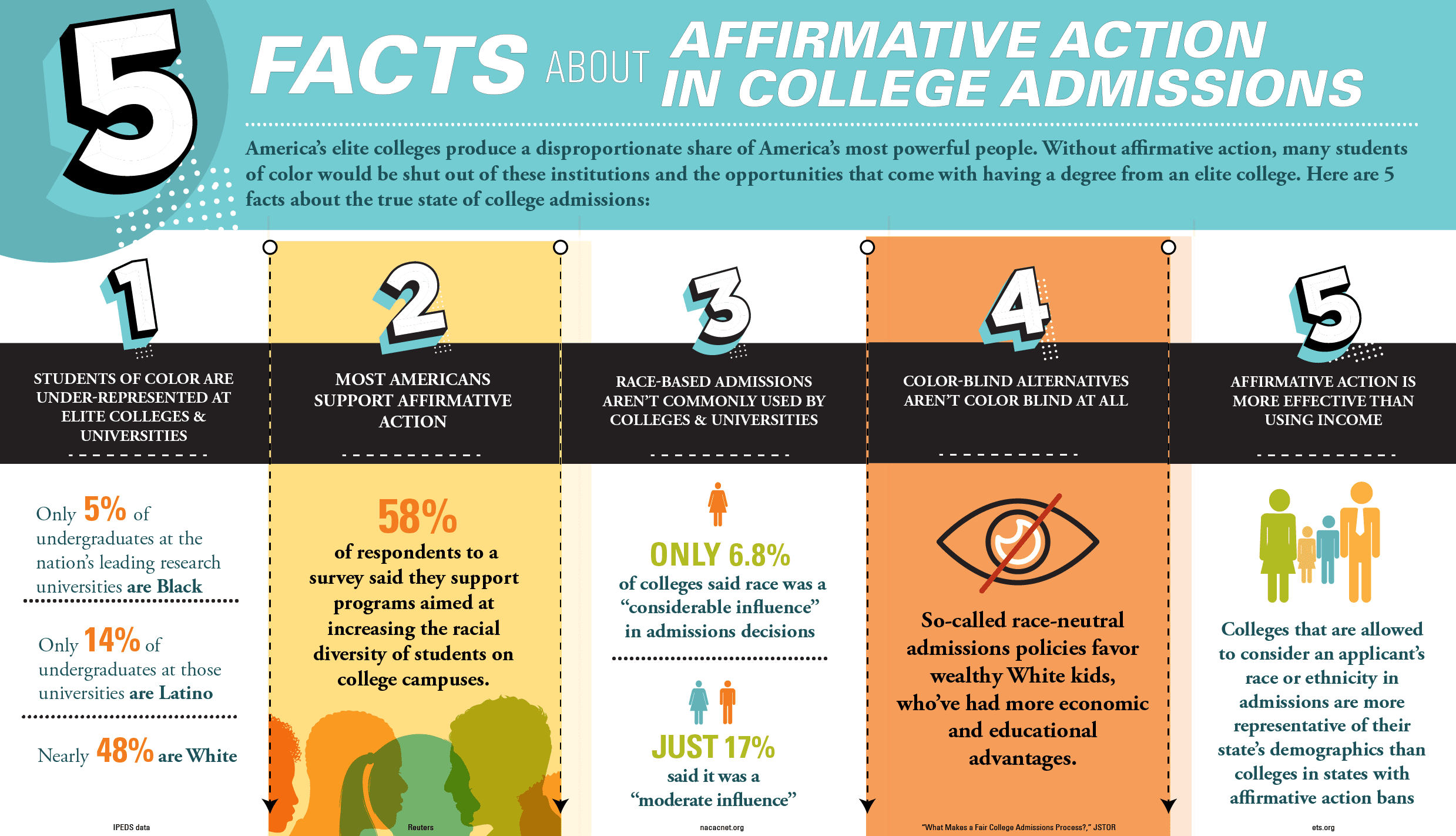
At its core, affirmative action refers to a set of policies and practices designed to address and counteract the effects of past and present discrimination, particularly against racial and ethnic minorities and women. In the context of higher education, this has historically meant considering an applicant’s race or ethnicity as one factor among many in the admissions process, with the goal of fostering a diverse student body. The rationale behind such policies is multifaceted: it seeks to enrich the educational experience for all students by exposing them to a variety of viewpoints and backgrounds, prepare students for a diverse workforce and society, and remedy societal inequalities. However, the implementation and legality of affirmative action have been consistently challenged, leading to a patchwork of policies across the nation, with Texas standing out as a particularly significant and influential battleground in this ongoing legal and social discourse. The journey through these policies is not merely an academic exercise; it touches upon the very essence of what makes a university a true “destination” for intellectual and cultural enrichment.
Understanding Affirmative Action: A Journey Through Policy and Purpose
To truly grasp the nuances of affirmative action in Texas, one must first appreciate its broader historical context and foundational principles. The concept emerged from the Civil Rights Movement of the 1960s, a period that fundamentally reshaped the social and legal fabric of the United States. Executive Orders from presidents John F. Kennedy and Lyndon B. Johnson initially mandated that federal contractors take “affirmative action” to ensure non-discrimination in employment. Over time, this concept extended into other areas, including college admissions, as institutions sought to diversify their student bodies in the wake of long-standing segregation and exclusionary practices. The aim was not simply to cease discrimination, but to proactively create pathways to opportunity that had historically been blocked for certain groups. This proactive stance marks affirmative action as distinct from mere non-discrimination, positioning it as an active endeavor to build a more inclusive educational and societal landscape, much like a well-planned travel itinerary ensures a diverse set of experiences.
The argument for affirmative action often centers on the “educational benefits of diversity.” Proponents argue that a classroom, a campus, and indeed a society, are richer and more vibrant when composed of individuals from varied backgrounds, cultures, and perspectives. This diversity, they contend, challenges assumptions, fosters critical thinking, and prepares students for an increasingly globalized world. When students from different walks of life come together, they bring unique insights to discussions, broaden each other’s understanding of complex issues, and cultivate empathy. This perspective views diversity not as a quota to be filled, but as an essential component of a high-quality educational experience, akin to how a traveler seeks out varied cultural experiences to truly understand a destination. Critics, however, often raise concerns about “reverse discrimination,” arguing that considering race in admissions can lead to individuals being unfairly disadvantaged based on their ethnicity, violating the principle of equal opportunity. These differing viewpoints have fueled decades of legal battles and public debate, creating a dynamic and often contentious environment for policy-making.
Defining the Educational Landscape
The implementation of affirmative action in higher education has taken various forms over the years. Some policies involved specific quotas or set-asides for minority applicants, while others allowed race to be considered as a “plus” factor in a holistic review process. The legal journey in the United States has largely moved away from quotas, primarily due to Supreme Court rulings that deemed them unconstitutional. Instead, the focus shifted towards the holistic review, where an applicant’s entire profile – academic performance, essays, extracurricular activities, life experiences, and yes, sometimes race or ethnicity – is evaluated to assess their potential contributions to the university community. This approach seeks to identify students who not only possess strong academic credentials but also bring unique perspectives and experiences that will enrich the campus environment, mirroring how diverse amenities contribute to a well-rounded resort experience.
For educational institutions in Texas and beyond, navigating these legal complexities became a critical aspect of their admissions strategies. Universities sought to craft policies that would withstand judicial scrutiny while still achieving their diversity goals. This often involved meticulous record-keeping, careful articulation of the educational benefits of diversity, and a constant reassessment of their admissions processes. It became a strategic endeavor, much like planning a multi-stop tour where each step must be carefully considered for its impact on the overall journey. The goal was to build a student body that was not just academically strong but also socially vibrant and reflective of the broader society, ensuring that the campus itself became a microcosm of a diverse world, offering a range of “local culture” experiences.
The Foundational Principles
The legal foundation for affirmative action in higher education in the United States has been shaped by a series of landmark Supreme Court cases. The 1978 case of Regents of the University of California v. Bakke was a pivotal moment, striking down explicit racial quotas but affirming that race could be one factor among many in admissions to achieve a diverse student body. This ruling established diversity as a compelling state interest that could justify the use of race in admissions. Subsequent cases like Grutter v. Bollinger (2003) further solidified this principle, upholding the University of Michigan Law School’s holistic admissions policy that considered race as one factor. The Court emphasized that such policies must be narrowly tailored and not operate as de facto quotas.
These legal landmarks provided a framework, but also generated ongoing debate and further legal challenges. The underlying principles revolved around the idea that racial diversity contributes to a robust exchange of ideas, breaks down stereotypes, and prepares students for success in a diverse professional landscape. For many, these policies represented a commitment to social justice, ensuring that doors to opportunity remained open for talented individuals from all backgrounds. The debate over these principles is not just about legal technicalities; it’s about the very vision of what a university should be: an inclusive community, a beacon of opportunity, and a place where every student can thrive, regardless of their background, much like a premier hotel strives to offer an accommodating and enriching stay for every guest.
Texas’s Unique Educational Path: Landmark Decisions and State Innovations
Texas holds a distinctive and often pioneering position in the national conversation surrounding affirmative action. Its legal history concerning race in admissions has not only influenced its own institutions but has also set precedents that resonated across the United States. The state’s journey through affirmative action policies is a testament to the complex interplay between federal mandates, state-level initiatives, and persistent legal challenges. This journey serves as a compelling case study for anyone interested in the legal and social evolution of educational access and equity, akin to exploring a historically significant landmark.

From Hopwood to Fisher: A Legal Landmark Tour
The most significant legal challenge to affirmative action in Texas arrived with the Hopwood v. Texas case in 1996. This case, brought by four white applicants to the University of Texas School of Law who claimed they were denied admission due to affirmative action, resulted in a federal appeals court ruling that prohibited the use of race as a factor in admissions in the Fifth Circuit, which included Texas, Louisiana, and Mississippi. The Hopwood decision directly contradicted the Supreme Court’s earlier Bakke ruling and sent shockwaves through the state’s higher education system. Suddenly, universities in Texas were barred from considering race in admissions, leading to a significant drop in minority enrollment at some of the state’s flagship institutions. This period marked a distinct shift, forcing Texas universities to find alternative pathways to diversity without directly using race as a factor. It was a challenging detour on the educational journey, demanding innovative solutions and a re-evaluation of traditional admissions practices.
Years later, after the Supreme Court’s 2003 Grutter v. Bollinger decision reaffirmed the legality of considering race as one factor in holistic review, the door for Texas to revisit its policies opened slightly. However, the legacy of Hopwood continued to cast a long shadow. The issue returned to the Supreme Court in 2013 and 2016 with Fisher v. University of Texas. Abigail Fisher, a white applicant, challenged the University of Texas at Austin’s admissions policy, arguing that it discriminated against her. While the Supreme Court ultimately upheld the University of Texas’s narrowly tailored use of race as one factor among many in its holistic review, it reiterated the strict scrutiny applied to such policies. The Fisher cases emphasized that universities must demonstrate that race-conscious admissions are necessary to achieve the educational benefits of diversity and that no workable race-neutral alternatives exist. These cases highlight the continuous legal scrutiny faced by affirmative action policies, shaping the very architecture of educational access in the state, much like famous architecture defining a city’s skyline.
The Texas Top Ten Percent Rule: A Policy Destination
In response to the Hopwood decision and the subsequent prohibition on race-conscious admissions, Texas pioneered an innovative race-neutral alternative: the Texas Top Ten Percent Rule. Enacted in 1997, this law guarantees automatic admission to any public university in Texas for students who graduate in the top 10% of their high school class. The premise behind this rule was to leverage the de facto segregation that exists in Texas’s K-12 public school system. By admitting top students from every high school, including those in predominantly minority or economically disadvantaged areas, the state aimed to achieve diversity without directly considering race. This rule effectively created a guaranteed pathway to higher education for many students who might otherwise face significant barriers, offering a streamlined “booking” process for academic success.
The Top Ten Percent Rule proved remarkably effective in restoring minority enrollment at flagship institutions like the University of Texas at Austin and Texas A&M University. It essentially made every high school in Texas a potential “destination” for top-tier university admissions. However, it also came with its own set of challenges and criticisms. Some argued that it didn’t fully address the issue of socioeconomic diversity, while others pointed out that it could disadvantage highly qualified students from highly competitive high schools who might fall just outside the top 10%. Over time, some modifications have been made, such as allowing the University of Texas at Austin to admit only the top 6% or 7% of high school classes due to enrollment capacity issues. Despite these debates, the Top Ten Percent Rule remains a unique and significant feature of Texas’s higher education landscape, an enduring “landmark” of state-level policy innovation in the absence of traditional affirmative action.
Navigating the Future: Diversity, Access, and the Student Experience
The landscape of affirmative action in higher education, both in Texas and across the United States, has been profoundly reshaped by recent developments. The Supreme Court’s 2023 decisions in Students for Fair Admissions v. Harvard and Students for Fair Admissions v. University of North Carolina effectively ended the consideration of race in college admissions nationwide. This landmark ruling means that the era of race-conscious affirmative action, as understood for decades since Bakke, has concluded. For states like Texas, which had already been operating under significant restrictions due to Hopwood and the implementation of the Top Ten Percent Rule, the immediate practical impact might seem less dramatic than in states that had more robust race-conscious policies. However, the ruling reinforces the imperative for all institutions to find entirely race-neutral ways to achieve diversity. This necessitates a renewed focus on holistic admissions that genuinely consider applicants’ backgrounds and experiences without direct reference to race, much like an experienced guide finds alternative routes when a main path is closed.
The future of diversity and access in Texas higher education will increasingly rely on strategies that do not involve racial preferences. This includes strengthening programs like the Top Ten Percent Rule, enhancing outreach to underserved communities, investing in K-12 education, and considering socioeconomic factors more explicitly in admissions. Universities will need to become even more creative in their efforts to attract and support a diverse student body, recognizing that a truly rich educational experience is inextricably linked to the variety of voices and perspectives on campus. This will involve an ongoing commitment from university leadership, faculty, and students alike to cultivate an inclusive environment that welcomes individuals from all walks of life, akin to how a resort might offer a range of amenities to cater to diverse guests.
The Lifestyle of Learning: Embracing a Diverse Campus
The “lifestyle” of a university student is deeply enriched by a diverse campus community. When students encounter peers from different socio-economic backgrounds, geographic regions (be it within Texas like Houston, Dallas, or Austin, or from other states and countries), and cultural upbringings, their own perspectives broaden. This exposure extends beyond the classroom, influencing social interactions, extracurricular activities, and ultimately, their understanding of the world. A diverse campus is a vibrant cultural hub, offering a taste of global experiences within a single location. It’s where students learn to navigate differences, engage in thoughtful dialogue, and develop the intercultural competencies essential for success in today’s interconnected society. This aspect of college life transforms a purely academic pursuit into a holistic developmental experience, making the university a true “destination” for personal and intellectual growth.
Universities in Texas are increasingly focusing on fostering this vibrant lifestyle through various initiatives. Scholarships based on need or merit, mentorship programs, support services for first-generation students, and culturally specific student organizations all contribute to creating an environment where a diverse range of students can not only gain admission but also thrive. The emphasis is shifting towards how to build a truly inclusive community once students are on campus, ensuring that the “accommodation” provided extends beyond dorm rooms to a welcoming and equitable educational ecosystem. This involves celebrating local culture, engaging in community service, and providing platforms for students to share their unique stories and backgrounds, turning every campus into a micro-tourism experience.
Beyond Admissions: Cultivating an Inclusive Environment
The conversation around affirmative action often focuses solely on the admissions process. However, achieving genuine diversity and equity extends far beyond who gets in. It encompasses the entire student experience, from academic support and mental health services to faculty representation and curriculum development. For Texas universities, the challenge post-affirmative action is to cultivate an inclusive environment where students from all backgrounds feel a sense of belonging and have equal opportunities to succeed. This means continuously evaluating campus climate, addressing inequities, and investing in resources that support a diverse student body. It’s about ensuring that the educational journey, once begun, leads to positive outcomes for all.
Furthermore, universities might explore partnerships with K-12 schools in underserved areas, offering pre-college programs and academic enrichment to strengthen the pipeline of diverse applicants. They might also emphasize their specific institutional missions, highlighting how they serve the diverse needs of the state and provide unique opportunities for different student populations. For example, a university focused on engineering might highlight its programs designed to attract women and minority students to STEM fields, presenting it as a unique “experience” for future leaders. The ultimate goal is to ensure that higher education in Texas remains a beacon of opportunity for all, a place where every student can embark on their educational journey with confidence, knowing they are valued for their unique contributions, and will find a welcoming “home” for their intellectual pursuits. This ongoing commitment to diversity, equity, and inclusion is not just a policy imperative, but a fundamental aspect of building robust, resilient, and forward-thinking educational institutions that serve as true landmarks of progress for the entire state.
LifeOutOfTheBox is a participant in the Amazon Services LLC Associates Program, an affiliate advertising program designed to provide a means for sites to earn advertising fees by advertising and linking to Amazon.com. Amazon, the Amazon logo, AmazonSupply, and the AmazonSupply logo are trademarks of Amazon.com, Inc. or its affiliates. As an Amazon Associate we earn affiliate commissions from qualifying purchases.