
Embarking on a journey to the Lone Star State promises an unforgettable tapestry of experiences, from the vibrant urban landscapes of Houston and Dallas to the historic charm of San Antonio and the live music capital of Austin. Whether you’re planning a luxurious escape, a family adventure, or a business trip, understanding the local financial landscape, particularly sales tax, is a crucial step for savvy travelers. Texas, a state renowned for its diverse culture, vast natural beauty, and bustling cities, operates on a sales tax system that applies to many goods and services visitors will encounter. This guide will demystify Texas sales tax, offering insights tailored for tourists, helping you budget effectively and enjoy your stay without unexpected financial surprises. From hotel stays to dining out and souvenir shopping, knowing what to expect can significantly enhance your travel planning and overall experience in this magnificent state.
Understanding Texas Sales Tax for Visitors
The concept of sales tax is straightforward in principle: it’s a tax on the sale of goods and services, paid by the consumer at the point of purchase. In Texas, this system is a blend of state-level taxation and local levies, meaning the total sales tax rate can vary depending on where you are in the state. For travelers, this often impacts the final cost of their accommodation, meals, entertainment, and retail therapy. Understanding these nuances before you arrive can save you time and money, allowing you to allocate your budget more efficiently towards experiences rather than unforeseen taxes.
The State Rate and Local Additions
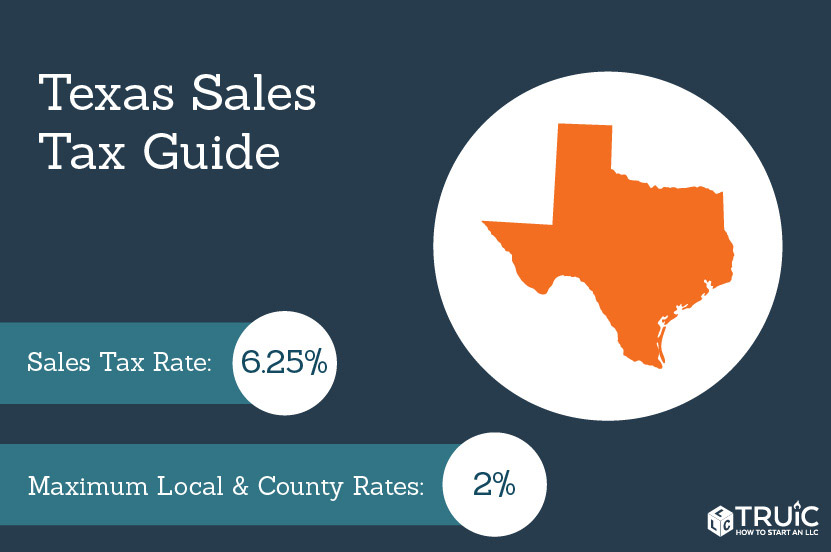
The foundation of the sales tax system in Texas is its statewide sales tax rate. As of the current regulations, the state imposes a 6.25% sales tax on all taxable goods and services. However, this is just the baseline. What makes the system slightly more complex for visitors is the addition of local sales taxes. Cities, counties, and various special purpose districts (such as metropolitan transit authorities or economic development zones) are permitted to levy their own local sales taxes. These local additions can increase the combined sales tax rate by up to an additional 2%. This means that in many popular tourist destinations, the total sales tax rate can reach a maximum of 8.25%.
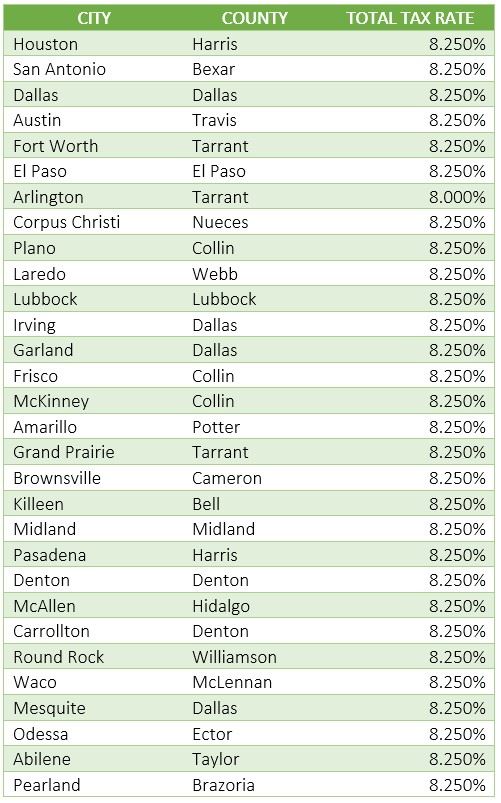
For example, when you book a room at the Hyatt Regency Dallas or dine at a restaurant in Austin, the sales tax applied to your bill will include both the state’s 6.25% and any applicable local taxes. In a city like Dallas, for instance, the combined rate often hits the 8.25% maximum due to city and transit authority taxes. Similarly, a visit to Galveston for a beach getaway or a trip to Fort Worth to experience its western heritage will likely involve this higher combined rate on your purchases. It’s always a good practice to check the specific rate for your destination city when planning your budget, especially for significant expenses like accommodation.
What’s Taxable for Tourists?
For visitors to Texas, a wide array of goods and services commonly purchased during a trip are subject to sales tax. This includes virtually all tangible personal property. When you’re browsing the shops along San Antonio’s Riverwalk for souvenirs, buying clothing in Houston’s Galleria, or picking up a new pair of boots in Fort Worth, expect to pay sales tax on these items.
Beyond physical goods, many services that cater to tourists are also taxable. This is where it’s important to differentiate. While some services are generally exempt, services that are part of a product’s sale or certain specific types of services are indeed taxable. For instance, the cost of admission to attractions like Space Center Houston or the Sixth Floor Museum in Dallas will include sales tax. Similarly, tickets for concerts, sporting events, or theatrical performances are typically subject to sales tax. If you decide to rent a car to explore the vast landscapes of Texas or take a guided tour through a historic district, these services will also have sales tax added to their price.
Generally, unprepared food items (groceries) are exempt from sales tax, which is a common exemption across many states in the United States. However, if you purchase prepared food from a restaurant, deli, or grocery store (like a hot meal from a buffet or a sandwich prepared for immediate consumption), it becomes taxable. This distinction is particularly relevant for travelers who frequently eat out or grab quick meals on the go. Understanding this can help you make informed decisions about your dining options.
Navigating Sales Tax in Texas Travel & Accommodation
Travel and accommodation are often the most significant expenses for any trip, and Texas sales tax plays a substantial role in these categories. Beyond general sales tax, specific taxes often apply to lodging, and the way food and entertainment are taxed can also impact your budget. Being aware of these details allows you to plan your finances with greater precision, ensuring a smooth and enjoyable visit to the Lone Star State.
Lodging and Hotel Taxes
One of the most significant tax considerations for travelers in Texas is the Hotel Occupancy Tax (HOT). This tax is separate from general sales tax and is specifically applied to the cost of renting a room or space in a hotel, motel, bed and breakfast, or other lodging establishments. The HOT is levied at both the state and local levels. The state HOT rate is 6% of the cost of the room. In addition to this, cities and counties in Texas can impose their own local HOT. These local rates can vary significantly, often reaching as high as 9% or even more in major tourist areas, leading to a combined state and local HOT that can be substantial.
For example, if you’re planning to stay at the luxurious JW Marriott San Antonio Hill Country Resort & Spa, your bill will include the state HOT, plus San Antonio’s city HOT, and possibly a county HOT, all stacked on top of the room rate. In popular destinations like Austin, where the Driskill Hotel offers historic charm, the combined HOT can be upwards of 15% to 17% in some municipalities. This means a $200 per night room could easily cost you an additional $30-$34 just in occupancy taxes before even considering the general sales tax on other services provided by the hotel.
It’s essential to factor this into your accommodation budget, especially for longer stays or when booking higher-end resorts. When searching for hotels on platforms that allow comparison, or directly with hotel websites, always look for the “taxes and fees” breakdown to get the true total cost. Some booking sites may display rates exclusive of these taxes until the final checkout page, so careful review is advised. Remember that the HOT applies to the room rate itself, not necessarily to other hotel services like room service or gift shop purchases, which would be subject to the general sales tax.
Dining and Entertainment Experiences
Dining out is an integral part of the travel experience, and Texas offers an incredible culinary scene, from authentic Tex-Mex and BBQ to fine dining. As mentioned earlier, prepared food and beverages purchased from restaurants, cafes, food trucks, or even convenience stores for immediate consumption are subject to the combined state and local sales tax rate, which can be up to 8.25%. This includes alcoholic beverages served in bars and restaurants. So, whether you’re enjoying a steak in Houston, tacos in Austin, or seafood in Corpus Christi, remember to account for this tax in your meal budget.
Entertainment options in Texas are just as varied and are also typically subject to sales tax. This includes tickets for professional sports games (like a Dallas Cowboys game), concerts at the Moody Center in Austin, museum admissions such as the Houston Museum of Natural Science, theme parks like Six Flags Over Texas, and even movie tickets. The sales tax rate applied will be the combined state and local rate for the specific location of the venue. For travelers attending major events or visiting multiple attractions, these taxes can add up, making it important to factor them into your activity budget. Consider purchasing attraction passes where available, as sometimes these can offer savings, though the initial purchase price will still include tax.
Budgeting and Tips for Your Texas Adventure
Planning a trip to Texas involves more than just booking flights and hotels; it requires a comprehensive understanding of all potential costs, including taxes. Smart budgeting can transform a good trip into an excellent one, ensuring you have enough funds to enjoy all the experiences the state has to offer without feeling financially constrained. Being mindful of sales tax and hotel occupancy tax is key to an accurate travel budget.
Smart Spending Across Texas Destinations
When planning your itinerary across diverse Texas destinations, remember that local sales tax rates can differ. While the maximum combined rate is 8.25% for general sales tax, and local HOT varies, these distinctions can subtly impact your overall spending. For example, a souvenir purchased in El Paso might have a slightly different total tax applied than the same item bought in Houston, depending on the specific local district taxes in effect. While the difference on a single item might be negligible, accumulated over an entire trip, it can add up.
To budget effectively, consider rounding up slightly when estimating costs for taxable items. If a restaurant meal is $50, calculate it as $50 plus 8.25% sales tax (approx. $4.13), bringing it to about $54.13 before tip. For accommodation, always ask for the “total price including all taxes and fees” when booking, or use online travel agencies that clearly break down these charges. Platforms specializing in accommodation booking often provide these details upfront, helping you compare true costs. For longer stays, exploring long-term stay options such as extended-stay hotels or vacation rentals can sometimes present different tax structures, though most will still be subject to the relevant HOT.
When it comes to lifestyle choices during your trip – whether opting for luxury travel experiences or adhering to a budget travel plan – understanding tax implications remains vital. A family trip to a resort with numerous amenities will incur taxes on various services, from spa treatments to kids’ club fees, in addition to the room rate. For business stays, while expenses are often reimbursed, clear documentation of all taxes paid is essential for expense reporting. Knowing the tax landscape helps ensure you maintain financial control throughout your Texas adventure.

Exemptions and Special Considerations
While many items are taxed, some significant exemptions exist that can be beneficial for travelers. As previously mentioned, most unprepared food items (groceries) are exempt from sales tax. This means if you decide to cook some meals at your apartment rental or villa to save money, the groceries you buy from a supermarket will largely be tax-free. However, remember that prepared foods, hot foods, and restaurant meals are taxable.
Certain services are also generally exempt from sales tax in Texas. These typically include professional services (like legal or medical services, though these are less common for tourists), real estate services, and personal services like haircuts (unless a tangible product is sold). Car repairs might be taxable on parts but not labor. For tourists, the most relevant exemption is likely groceries.
Regarding specific events, some non-profit organizations may be exempt from collecting sales tax on certain admissions or sales, though this is less common for major commercial attractions. For unique situations, such as purchasing expensive art or custom-made items, it’s always wise to inquire directly with the vendor about the applicable sales tax.
Another point for consideration, particularly for international travelers, is the possibility of tax refunds on purchases. While some countries offer VAT refunds for tourists, the United States generally does not have a federal sales tax refund system for international visitors. However, Texas is one of the few states that does offer a sales tax refund program for foreign visitors who purchase and take items out of the country. To qualify, visitors must meet specific criteria, including having a valid foreign passport, a U.S. visa or customs stamp (if applicable), and airline tickets showing departure from the United States within 30 days of purchase. The items must be exported from Texas within 30 days of purchase. Refund services are available at select airports and border crossings. This program can offer significant savings on larger purchases like electronics, jewelry, or high-fashion items, making a shopping spree in cities like Dallas or Houston even more attractive for international visitors.
In conclusion, a trip to Texas is an adventure waiting to unfold, filled with diverse attractions from the historical significance of The Alamo to the natural grandeur of Big Bend National Park, and the vibrant energy of events like South by Southwest in Austin. By understanding the nuances of Texas sales tax and hotel occupancy tax, you can better plan your finances, avoid surprises, and ensure your focus remains on creating cherished memories. Whether you’re exploring landmarks, enjoying local culture and food, or simply relaxing in top-tier hotels and resorts, being tax-aware is a smart travel tip for any visitor to the Lone Star State. Safe travels!
LifeOutOfTheBox is a participant in the Amazon Services LLC Associates Program, an affiliate advertising program designed to provide a means for sites to earn advertising fees by advertising and linking to Amazon.com. Amazon, the Amazon logo, AmazonSupply, and the AmazonSupply logo are trademarks of Amazon.com, Inc. or its affiliates. As an Amazon Associate we earn affiliate commissions from qualifying purchases.