
The question “What is the capital city of Texas?” might seem straightforward, but the answer often comes with a rich tapestry of history, culture, and unique experiences that transform a simple geographical fact into an invitation to explore. The capital city of Texas is Austin, a vibrant metropolis nestled in the heart of the Texas Hill Country. More than just a seat of government, Austin stands as a beacon for innovation, a haven for live music, and a destination renowned for its distinctive lifestyle, drawing travelers from across the United States and beyond.
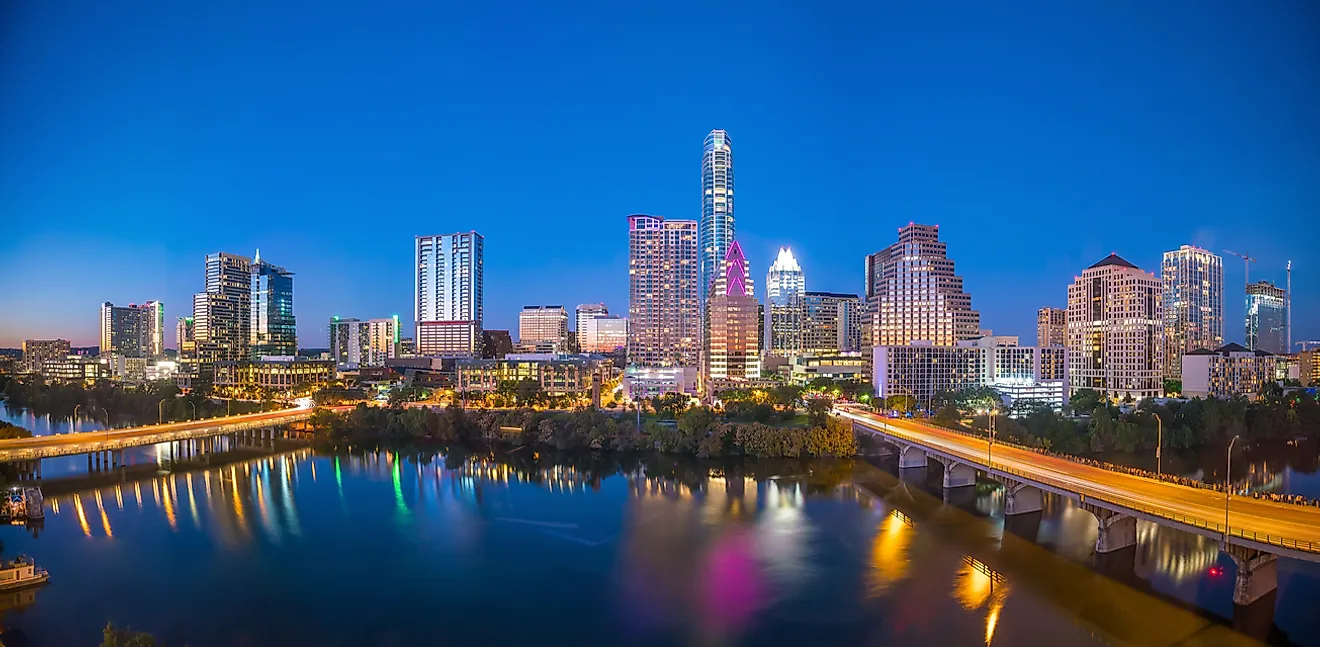
For those planning a journey, seeking new destinations, or simply curious about the cultural pulse of a major state, understanding what makes Austin so special is key. From its bustling city center to its serene natural attractions, Austin offers a diverse range of experiences that cater to every type of traveler, whether you’re interested in luxury hotels, unique local tourism, or exploring significant landmarks.
Austin: The Heart of Texas Culture and Government
Austin serves as the vibrant nucleus of Texas, seamlessly blending its crucial governmental role with a dynamic cultural scene. It’s a city where history is palpable, innovation is embraced, and a distinct “Keep Austin Weird” ethos permeates every street and establishment.
A Brief History of Austin’s Capital Status
The story of Austin becoming the capital is an intriguing chapter in Texas’s history, marked by visionary leadership and a touch of frontier drama. The city, originally named Waterloo, was strategically chosen by Mirabeau B. Lamar, the second president of the Republic of Texas, in 1839. He envisioned a capital city that would not only be centrally located but also serve as a gateway to the western frontier. Situated on the north bank of the Colorado River and surrounded by the rolling hills, its scenic beauty and potential for growth made it an ideal candidate.
Despite initial resistance and attempts to move the capital to Houston during times of conflict, Austin ultimately solidified its position. The commitment to build a grand capital, exemplified by the construction of the Texas State Capitol, cemented its role as the permanent seat of government. This history is not merely confined to textbooks; it’s visible in the city’s architecture and the very layout of its core, from the iconic Congress Avenue leading directly to the Capitol to the historic buildings that line its streets.
Government and Political Significance
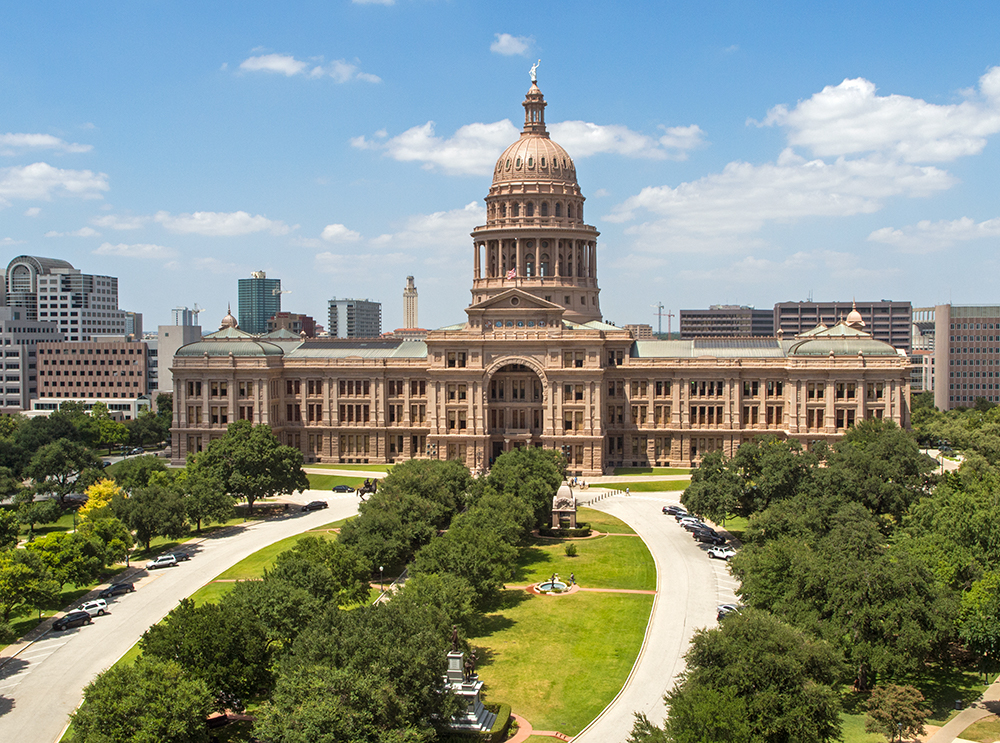
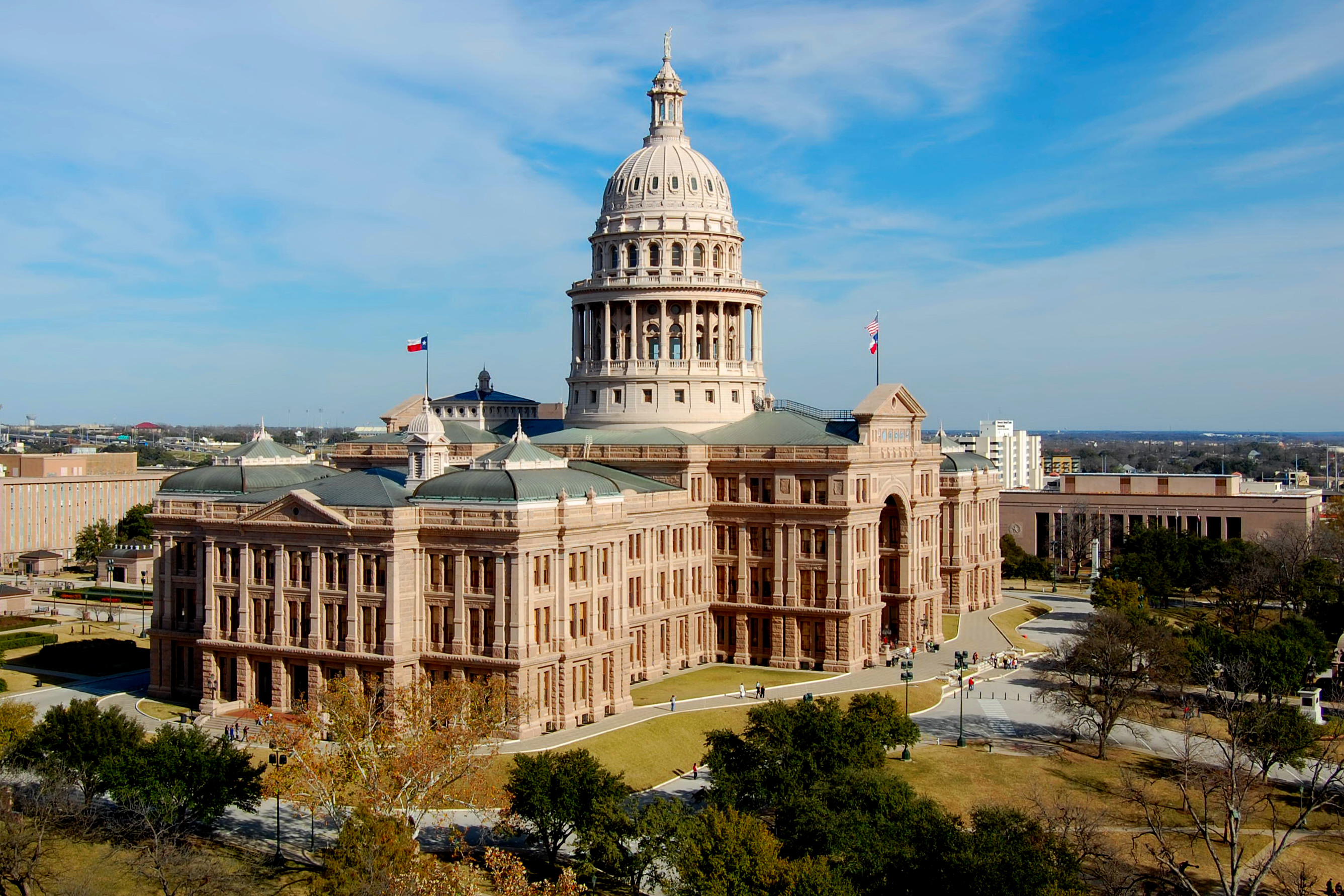
As the state capital, Austin is the epicenter of Texas politics and governance. It houses the majestic Texas State Capitol, an architectural marvel that stands taller than the United States Capitol building, symbolizing the immense pride and independent spirit of the state. Within its impressive walls, the Texas Legislature convenes, shaping policies and laws that affect millions. The offices of the Governor of Texas, the Supreme Court of Texas, and numerous state agencies are also located here, making Austin the primary hub for decision-making and public administration.
For visitors, the political significance of Austin offers unique educational and historical opportunities. Guided tours of the State Capitol Building provide insights into the legislative process and the state’s rich heritage. Observing a legislative session, exploring the grounds, or visiting the various museums dedicated to Texas history offers a deeper understanding of the state’s past and present. This blend of historical depth and ongoing political activity makes Austin a destination that appeals not only to history buffs but also to those interested in the workings of government and civic engagement.
Discovering Austin’s Unique Vibe: “Keep Austin Weird”
The unofficial motto “Keep Austin Weird” perfectly encapsulates the city’s independent, unconventional, and fiercely creative spirit. This mantra is not just a catchy phrase; it’s a lifestyle reflected in every facet of Austin, from its world-renowned music scene to its innovative culinary landscape and abundant outdoor activities.
Music Scene and Entertainment
Austin proudly wears the title of “Live Music Capital of the World,” a designation earned through its unparalleled concentration of music venues and an incredible diversity of genres. From intimate clubs on Sixth Street and Rainey Street to grand concert halls like ACL Live at the Moody Theater and the Frank Erwin Center, there’s live music virtually every night of the week. This vibrant scene is further amplified by major annual events such as SXSW (South by Southwest), a massive convergence of music, film, and interactive media, and the Austin City Limits Music Festival, which attracts top artists and hundreds of thousands of fans from around the globe.
Beyond structured venues, music spills out onto patios, street corners, and even grocery store aisles, creating an ambient soundtrack for the city. This commitment to artistic expression contributes significantly to Austin’s unique culture, making it a must-visit destination for anyone passionate about entertainment and the arts. Travel to Austin for these festivals or simply wander into any local bar, and you’ll quickly understand why music is woven into the very fabric of the city’s identity.
Culinary Delights and Foodie Culture
Austin’s food scene is as diverse and dynamic as its music. It’s a city that takes its food seriously, but always with a dash of its signature laid-back charm. While Texas is synonymous with barbecue, Austin elevates it to an art form, with legendary establishments like Franklin Barbecue, La Barbecue, and Terry Black’s Barbecue drawing lines hours long for their succulent briskets and ribs. But the culinary landscape extends far beyond smoked meats.
The city is a paradise for taco enthusiasts, boasting a countless array of food trucks and eateries serving up everything from breakfast tacos to gourmet creations. Torchy’s Tacos, for example, has become an Austin institution. Beyond these staples, Austin has embraced a vibrant farm-to-table movement, a thriving international food scene, and a plethora of innovative restaurants catering to every palate and budget. From upscale dining experiences to casual food truck parks, the city offers an endless exploration of flavors, reflecting its diverse population and adventurous spirit. This rich foodie culture is a significant draw for tourism, encouraging visitors to embark on their own gastronomic journeys.
Outdoor Adventures and Natural Beauty
Despite its urban development, Austin remains deeply connected to its natural surroundings, offering an abundance of outdoor activities that leverage the beautiful Texas Hill Country landscape and the sparkling waters of the Colorado River. Zilker Metropolitan Park, often referred to as “Austin’s backyard,” is a sprawling urban oasis where locals and visitors alike gather for picnics, frisbee, and relaxation. Within the park lies Barton Springs Pool, a spring-fed natural swimming pool that maintains a refreshing 68-70 degrees Fahrenheit year-round, offering a unique swimming experience.
Lady Bird Lake, a reservoir on the Colorado River that flows through the city, is a hub for kayaking, paddleboarding, and canoeing. Its extensive hike and bike trails provide scenic routes for walking, running, and cycling, offering stunning views of the city skyline. For panoramic vistas, a trip to Mount Bonnell, one of the highest points in Austin, is essential. Further afield, natural wonders like Hamilton Pool Preserve, a collapsed grotto with a stunning jade-green pool, provide opportunities for truly unique outdoor escapades, making Austin a perfect blend of urban excitement and natural tranquility.
Planning Your Austin Getaway: Accommodation, Attractions, and Travel Tips
A visit to Austin promises an unforgettable experience, but a well-planned trip enhances every moment. From choosing the perfect place to stay to navigating the city’s best attractions, understanding your options will make your Austin adventure smooth and enjoyable.
Top Attractions and Landmarks
Austin is rich with landmarks and attractions that cater to a wide array of interests. Beyond the Texas State Capitol, visitors can delve into intellectual pursuits at The University of Texas at Austin, home to the LBJ Presidential Library and the Blanton Museum of Art. The Bob Bullock Texas State History Museum offers an immersive journey through the state’s storied past, from ancient times to modern day.
Perhaps one of the most iconic natural spectacles is watching the world’s largest urban bat colony emerge from under the Congress Avenue Bridge at dusk. This breathtaking sight, typically from March to October, is a free, mesmerizing experience unique to Austin. Strolling down South Congress (SoCo) offers a glimpse into Austin’s quirky shopping scene, vibrant murals, and delicious eateries, perfect for an afternoon of exploration.
Where to Stay: Hotels and Accommodation Options
Austin offers a diverse range of accommodation options to suit every budget and style of travel. For luxury travelers, downtown Austin boasts sophisticated properties like the historic Driskill Hotel, the elegant Hotel Ella, the Four Seasons Hotel Austin with its stunning Lady Bird Lake views, the modern W Austin, and The Line Austin. Mid-range options are plentiful, with reputable chains like Hyatt Regency Austin, The Otis Hotel, Autograph Collection, and Omni Austin Hotel Downtown providing comfortable stays close to key attractions.
For those seeking a more local experience or long-term stays, boutique hotels and charming guesthouses are scattered throughout neighborhoods like South Congress and East Austin. The Archer Hotel Austin offers a luxurious retreat in the Domain area, ideal for shoppers and business travelers. Additionally, platforms like Airbnb and VRBO provide numerous apartment and home rentals, perfect for families or groups desiring more space and amenities, including suites or villas. When booking your stay, consider the location relative to the attractions you wish to visit and the type of experience you’re seeking, from bustling downtown to quieter, more residential areas.
Navigating Austin: Travel and Tourism Tips
Getting around Austin is relatively easy, though traffic can be dense during peak hours. Downtown is quite walkable, especially along Congress Avenue and around the Capitol. For longer distances, ride-sharing services like Uber and Lyft are readily available. Austin’s public transportation system, Capital Metro, offers bus services and a commuter rail line, which can be useful for reaching various parts of the city.
For the best experience, consider visiting during the spring or fall when the weather is most pleasant, perfect for outdoor activities and festival attendance. Summers can be very hot, so hydration and planning indoor activities are crucial. Be sure to check local event calendars before your trip; Austin always has something happening, from farmers’ markets to outdoor concerts and cultural festivals, enhancing the overall tourism experience.
Beyond the Capital: Exploring More of Texas
While Austin serves as the vibrant capital, the state of Texas is vast and diverse, offering countless other destinations that showcase its rich history, distinct cultures, and stunning natural beauty. Extending your travel beyond Austin is highly recommended to truly grasp the immense character of the Lone Star State.
Houston: A Hub of Innovation and Culture
Located a few hours southeast of Austin, Houston is Texas’s largest city and a global powerhouse of energy, aerospace, and medical innovation. It’s home to the NASA Johnson Space Center, where visitors can explore space shuttles and touch moon rocks. Houston also boasts a world-class Museum District, a thriving culinary scene reflecting its immense diversity, and vibrant performing arts, offering a completely different metropolitan experience from Austin’s unique vibe.
Dallas & Fort Worth: Metropolitan Sophistication and Western Charm
To the north of Austin lies the dynamic Dallas-Fort Worth Metroplex, two cities that offer a fascinating contrast. Dallas is known for its sophisticated arts scene, upscale shopping, and sleek skyscrapers. It’s a hub for business and fashion, with impressive architecture and a range of luxury hotels. Just a short drive west, Fort Worth embraces its Western heritage, epitomized by the historic Stockyards National Historic District, where visitors can witness daily cattle drives and enjoy authentic rodeo events. Together, these cities provide a comprehensive look at Texas’s dual identity—modern innovation meeting cowboy tradition.
San Antonio: Historic Riches and Riverwalk Romance
South of Austin is San Antonio, a city steeped in history and romance. It’s most famous for The Alamo, a pivotal site in the Texas Revolution, and the enchanting San Antonio River Walk, a network of scenic walkways along the San Antonio River lined with shops, restaurants, and hotels. The city is also home to a collection of beautiful Spanish Colonial Missions, which are UNESCO World Heritage Sites, offering a glimpse into early Texas life and architecture. [San Antonio](https://lifeoutthebox.com/san-antonio]’s blend of history, culture, and picturesque scenery makes it a top destination for tourism in Texas.
Beyond these major cities, the Texas Hill Country itself, surrounding Austin, is dotted with charming towns like Fredericksburg (known for its wineries), Wimberley (a haven for artists), and New Braunfels, where visitors can enjoy tubing on the Guadalupe River and Comal River. For beach lovers, South Padre Island offers pristine Gulf Coast shores. Each of these destinations adds another layer to the diverse “lifestyle” of Texas, promising a rich and varied travel experience.
In conclusion, while Austin proudly serves as the capital city of Texas, its significance extends far beyond its governmental role. It is a city that pulses with life, creativity, and a unique identity, offering an incredible array of attractions, accommodations, and experiences for every traveler. Whether you’re drawn by its historical importance, its legendary music scene, its delectable food, or its natural beauty, Austin invites you to discover the heart and soul of the Lone Star State.
LifeOutOfTheBox is a participant in the Amazon Services LLC Associates Program, an affiliate advertising program designed to provide a means for sites to earn advertising fees by advertising and linking to Amazon.com. Amazon, the Amazon logo, AmazonSupply, and the AmazonSupply logo are trademarks of Amazon.com, Inc. or its affiliates. As an Amazon Associate we earn affiliate commissions from qualifying purchases.