
The vast and diverse landscape of Texas, known for its sprawling ranches, bustling metropolises, and rich cultural tapestry, offers a unique blend of opportunities and challenges. From the vibrant live music scene in Austin to the historic charm of San Antonio and the economic powerhouses of Houston and Dallas, the Lone Star State captivates millions. However, beneath the surface of its grand attractions and burgeoning economy lies a critical economic reality: the poverty line. Understanding “what is the poverty line in Texas?” is not merely an academic exercise; it’s a window into the daily lives of its residents, the cost of living, and the profound impact these economic thresholds have on lifestyle choices, travel opportunities, and even the very fabric of local tourism.
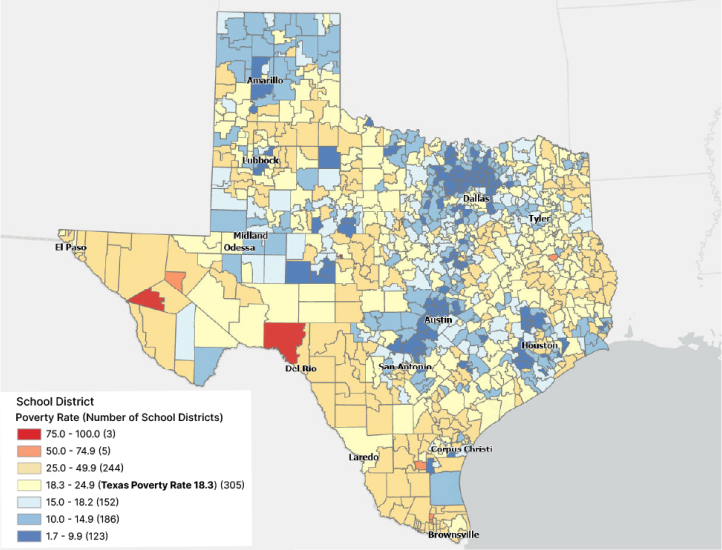
For visitors planning a trip to Texas, grappling with the concept of the poverty line might seem tangential to choosing a hotel or mapping out landmarks. Yet, these economic realities shape everything from the availability of affordable accommodation options to the types of culinary experiences that thrive, and even the community-based tourism initiatives that offer authentic glimpses into local life. For those considering a move or an extended stay, comprehending the financial landscape becomes paramount. This article delves into the specifics of the poverty line in Texas, exploring how federal guidelines intersect with the state’s unique economic environment and what this means for both residents and aspiring visitors looking to explore this magnificent state.
Understanding the Federal Poverty Guidelines in the Lone Star State
At its core, the poverty line is a critical economic metric designed to identify the minimum income level deemed adequate in a particular country. In the United States, this standard is set by federal guidelines, which serve as a benchmark for determining eligibility for various federal assistance programs. While these guidelines provide a national framework, their application and relevance in a state as expansive and economically varied as Texas can be complex and often reveal significant disparities in the actual cost of living.
The Basics: How the Poverty Line is Defined
The official poverty measure in the United States is issued annually by the Department of Health and Human Services (HHS). These are known as the Federal Poverty Guidelines (FPG). They establish a set of income thresholds based on household size, with different figures for individuals, two-person households, and so on, up to a large family. For instance, the poverty line for a single individual will be significantly lower than that for a family of four. These figures are updated annually to account for inflation, although critics often argue that these adjustments don’t always keep pace with the true rising costs of essential goods and services.
It’s crucial to understand that the FPG are national standards. They do not vary by geographic location within the United States, meaning the poverty line for a single person in New York City is technically the same as for a single person in a rural town in Texas. This uniform approach is designed to simplify eligibility for federal programs, but it also creates a substantial disconnect between the official poverty measure and the actual financial struggles many face in high-cost areas. For someone earning just above the FPG, life in an expensive city can be far more precarious than for someone with the same income in a region with a lower cost of living.
Federal vs. Local Realities: A Texas Perspective
The “Lone Star State” epitomizes the challenge of applying a national poverty line to diverse local realities. Texas is a vast state, encompassing everything from sprawling deserts and majestic mountains to bustling urban centers and serene coastal towns. The cost of living varies dramatically across its regions. What might be considered a livable wage in a smaller community like Amarillo or Lubbock could be woefully insufficient in major metropolitan areas such as Austin, Dallas, or Houston, where housing costs, in particular, can be astronomically higher.
For instance, the median rent for an apartment in Austin can be more than double that in a less populated city. This means that an individual or family living at or slightly above the federal poverty line in Austin is likely experiencing a much higher degree of financial strain and limited discretionary income compared to someone with the same income in a more affordable part of the state. This disparity directly impacts lifestyle choices, including the ability to afford basic necessities, let alone participate in leisure activities or travel. It highlights why many advocacy groups argue for localized poverty measures that account for regional cost-of-living differences.
From a tourism perspective, this economic gradient in Texas is evident in the types of accommodation and attractions available. While Houston and Dallas boast an array of luxury hotels like The Ritz-Carlton, Dallas or Four Seasons properties, and high-end dining experiences, smaller towns often cater to more budget-conscious travelers with independently owned motels, bed and breakfasts, or camping sites. Understanding the underlying economic conditions helps frame the diverse offerings within the state, showing how the local economy caters to various income brackets, both for residents and visitors.
The Cost of Living in Texas: Beyond the Guidelines
While the federal poverty guidelines provide a baseline, truly understanding economic well-being in Texas requires a deeper dive into the actual cost of living. This encompasses major expenses such as housing, transportation, food, healthcare, and education, all of which significantly influence an individual’s or family’s financial stability and their capacity to enjoy the broader lifestyle and travel opportunities the state presents.
Housing and Accommodation: A Major Factor
Housing is often the largest expenditure for most households and is a primary driver of cost-of-living differences across Texas. In rapidly growing urban centers like Austin and Dallas, the demand for housing, both rental and owned, has driven prices skyward. A modest apartment in these cities can easily consume 30-50% or more of a household’s income, especially for those near the poverty line. Conversely, in more rural areas or smaller cities, housing remains significantly more affordable, offering a higher quality of life for a lower financial outlay.
For travelers, this translates into a diverse accommodation market. In major cities, visitors can find everything from opulent Hyatt Regency or Marriott hotels to boutique offerings and extended-stay apartments. However, budget travelers might need to look further afield from city centers or consider options like Motel 6 or Hostels, particularly in Austin where hotel prices can surge during festivals like SXSW. In contrast, exploring landmarks like Big Bend National Park or the Guadalupe Mountains National Park often involves more rustic lodging options, including state park cabins or camping, which are inherently more budget-friendly and cater to a different kind of travel lifestyle. The presence of affordable housing (or lack thereof) for residents directly correlates with the range of accommodation options available to tourists.
Transportation and Accessibility for Tourists and Residents
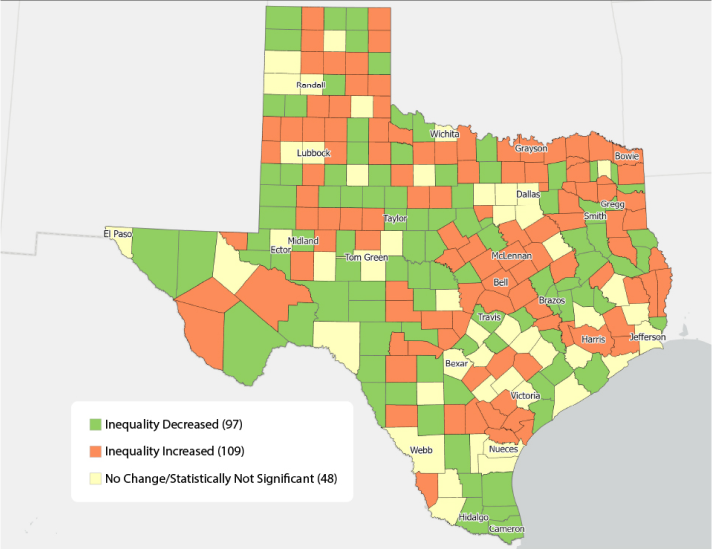
Given Texas’s sheer size and its generally sprawling urban design, personal transportation is often a necessity rather than a luxury. Public transportation systems, while present in major cities like Houston and Dallas, are not always comprehensive enough to cover all areas efficiently, particularly outside downtown cores. This means residents often incur significant costs related to car ownership, including vehicle payments, insurance, fuel, and maintenance. These expenses can be a considerable burden for those living close to the poverty line, limiting their access to employment, healthcare, and educational opportunities.
For tourists, the need for personal transport shapes travel experiences. Road trips are iconic in Texas, with visitors often renting cars to explore destinations from the Gulf Coast beaches of Galveston and South Padre Island to the historic sites of San Antonio’s The Alamo and River Walk, or the natural beauty of the Hill Country. Fuel prices, therefore, become a crucial budget consideration for many travelers. This aspect of the cost of living directly influences how easily and affordably one can access Texas’s myriad attractions and landmarks, making the experience vastly different for those with constrained budgets versus those with more financial freedom.
Food and Daily Expenses: Culinary Tourism and Budgeting
Texas is a foodie’s paradise, famous for its Barbecue, Tex-Mex cuisine, and diverse culinary scene that ranges from high-end dining in Houston to authentic taco trucks in El Paso. However, the cost of food, both groceries and dining out, remains a significant daily expense. For those at or near the poverty line, prioritizing nutritious food can be a constant challenge, often leading to reliance on more affordable, less healthy options. Food insecurity is a real issue for many Texans, impacting their health and overall well-being.
From a tourism perspective, budgeting for food is paramount. While visitors might indulge in a steakhouse dinner or an elaborate brunch, budget travelers can still enjoy the rich flavors of Texas through local markets, food trucks, and casual eateries that offer delicious meals at a fraction of the cost. Engaging with local food culture is a significant part of the Texas experience, and understanding the economic disparities helps appreciate the resilience and creativity found in community-driven culinary initiatives, which often spring from necessity but blossom into celebrated local traditions.
Healthcare and Education: Long-term Lifestyle Considerations
Beyond immediate daily expenses, healthcare and education costs cast long shadows over the financial stability of Texas residents. Access to affordable healthcare is a persistent challenge for many, especially for those without comprehensive employer-sponsored insurance. High deductibles, co-pays, and prescription costs can quickly erode savings and push families further into financial hardship, even if their income technically falls above the poverty line.
Similarly, educational expenses, from childcare to public university tuition, represent substantial long-term investments. While Texas boasts an extensive system of public schools and higher education institutions, the associated costs can still be prohibitive for lower-income families. These factors profoundly influence a family’s overall lifestyle, limiting their ability to build wealth, invest in personal development, or pursue leisure activities, including travel within their own state. While these might not be direct “travel costs,” they underpin the very capacity of individuals and families to engage with the tourism and lifestyle offerings of Texas.
Navigating Texas on Different Budgets: Travel and Lifestyle Implications
The concept of the poverty line, and the broader cost of living in Texas, fundamentally shapes how both residents and visitors experience the state. It dictates the type of lifestyle one can afford, the choices available for accommodation, and the accessibility of its many natural and cultural landmarks. Understanding these economic realities provides a more nuanced perspective on Texas as a travel destination, highlighting opportunities for budget-conscious exploration alongside the luxury experiences that cater to higher income brackets.
Budget-Conscious Exploration: Making Texas Accessible
For travelers and residents whose incomes place them near or below the average cost of living, exploring Texas requires strategic planning and a keen eye for value. Fortunately, the state offers an abundance of affordable and enriching experiences. Texas State Parks like Mustang Island State Park or the rugged beauty of Big Bend Ranch State Park offer stunning natural landscapes, hiking trails, and camping opportunities for minimal fees, providing an immersive experience without breaking the bank. Many cities, including Austin and San Antonio, boast numerous free attractions, such as the Texas State Capitol tours, public parks, and historic walking trails.
Accommodation for budget travelers often involves searching for deals at value-oriented hotel chains like Motel 6 or opting for vacation rentals outside prime city areas. Hostels are also emerging in larger cities, providing communal and affordable lodging for solo travelers or small groups. Savvy travelers leverage loyalty programs, book during off-peak seasons, and prioritize self-catering options to minimize food expenses. Exploring local markets for fresh produce and visiting food trucks offers an authentic taste of Texas without the restaurant price tag. This approach to travel not only saves money but often leads to more authentic, community-focused experiences, highlighting the resilience and vibrancy of local cultures that thrive irrespective of economic constraints.
Mid-Range and Luxury Travel: The Broader Spectrum
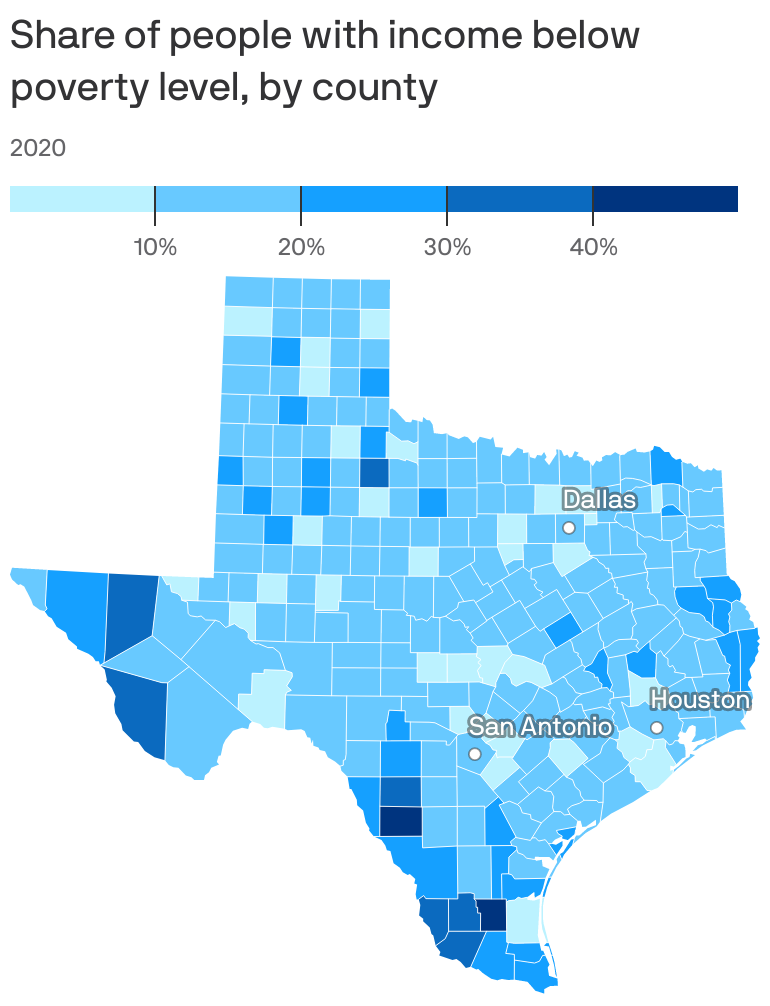
For individuals and families above the poverty line, with more discretionary income, Texas unfolds with an even wider array of travel and lifestyle choices. Mid-range travelers can enjoy comfortable stays at reputable hotel brands, dine at a broader selection of restaurants, and engage in more structured tours and activities. This demographic often benefits from slightly higher wages in Texas’s thriving industries like tech, energy, and healthcare, enabling them to explore the state more extensively. They might opt for a weekend getaway to the Hill Country wine trails or a family trip to an amusement park like Six Flags Fiesta Texas or a waterpark such as Schlitterbahn.
At the pinnacle of the economic spectrum, luxury travelers have access to the absolute best Texas has to offer. This includes stays at five-star resorts like The Ritz-Carlton, Dallas or Four Seasons Hotel Austin, gourmet dining experiences prepared by celebrity chefs, private tours of historic landmarks, and exclusive access to events and attractions. From attending world-class concerts in Dallas to exploring the NASA Johnson Space Center in Houston with a VIP pass, the possibilities are extensive. The ability to travel without significant financial constraints allows for exploration of virtually every facet of Texas life, from its bustling urban centers to its remote natural wonders. This segment of the market significantly contributes to the state’s tourism economy, supporting a diverse range of accommodations, fine dining establishments, and tour operators.
In conclusion, the question “What is the poverty line in Texas?” reveals much more than just a number. It highlights the complex economic landscape of the state, where federal guidelines meet vastly different local realities. This understanding is critical for both residents navigating their daily lives and for travelers seeking to experience Texas authentically. Whether exploring the state on a shoestring budget or indulging in its luxurious offerings, awareness of these economic undercurrents enriches the perspective, fostering a deeper appreciation for the diverse lifestyles and opportunities that define the Lone Star State. It underscores that while Texas offers boundless beauty and adventure, how one experiences it is often intrinsically linked to their financial footing, making the journey unique for every individual.
LifeOutOfTheBox is a participant in the Amazon Services LLC Associates Program, an affiliate advertising program designed to provide a means for sites to earn advertising fees by advertising and linking to Amazon.com. Amazon, the Amazon logo, AmazonSupply, and the AmazonSupply logo are trademarks of Amazon.com, Inc. or its affiliates. As an Amazon Associate we earn affiliate commissions from qualifying purchases.